Pine Bluff
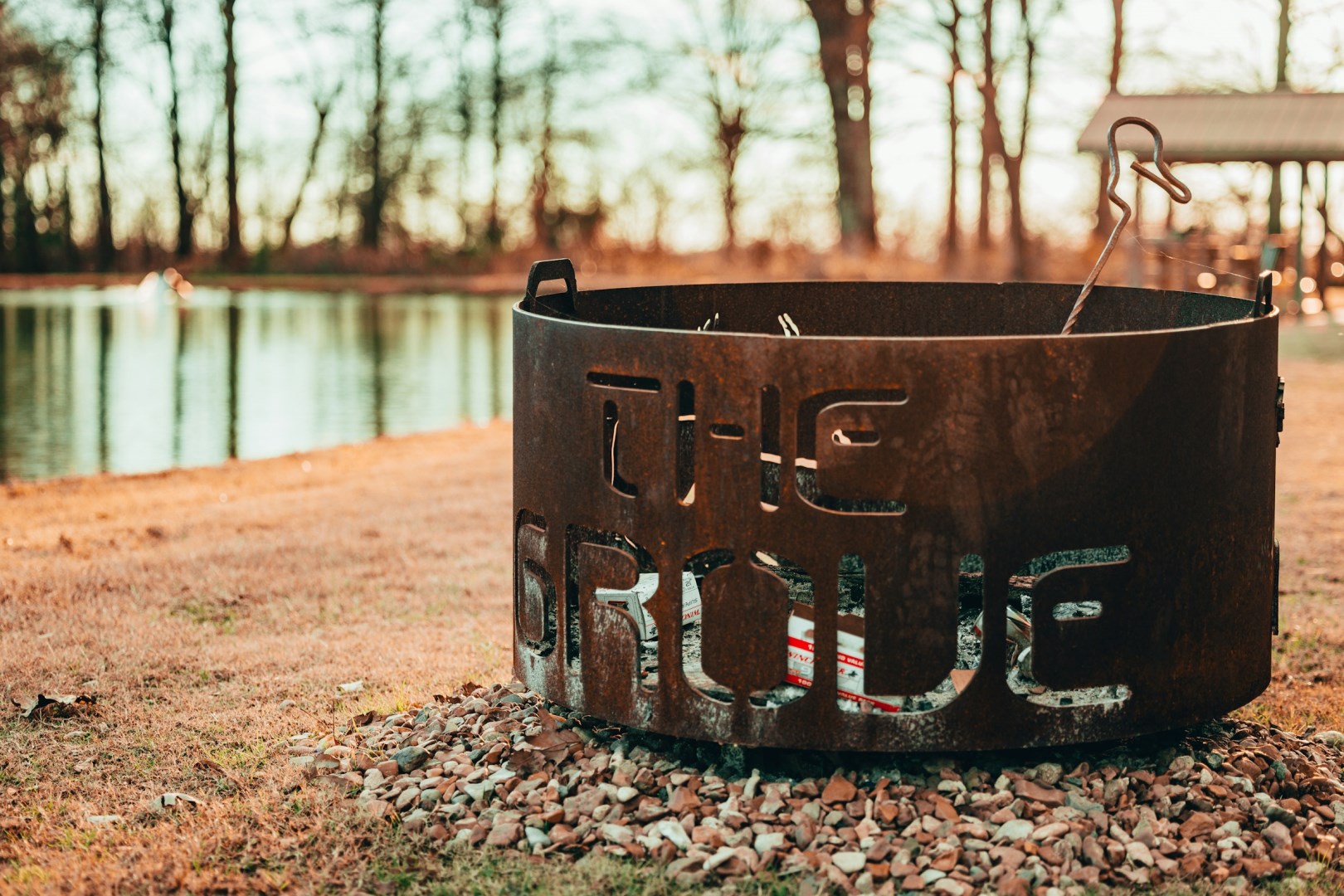
Pine Bluff is a city in southeastern Arkansas, situated along the Arkansas River in the state’s Delta region. Its location between the river and broad agricultural lowlands has shaped its role as a regional center for commerce, transportation, and farming. The city is surrounded by flat terrain, cultivated fields, wetlands, and waterways characteristic of the Arkansas Delta.

Yangon
Yangon, Myanmar’s largest city, blends colonial heritage, cultural diversity, and spiritual landmarks. Once the country’s capital, it remains the economic and cultural hub, with lively markets, tree-lined avenues, and historic buildings that reflect its layered past under British, Burmese, and regional influences.

Huntington Beach
Huntington Beach, California, famously known as “Surf City USA,” is a paradise for beachgoers and surf enthusiasts alike. With over 10 miles of pristine coastline, the city offers a perfect blend of natural beauty and vibrant coastal culture. The Huntington Beach Pier, one of the longest on the West Coast, is an iconic spot for visitors to watch surfers ride the waves or catch a breathtaking sunset.
Weno
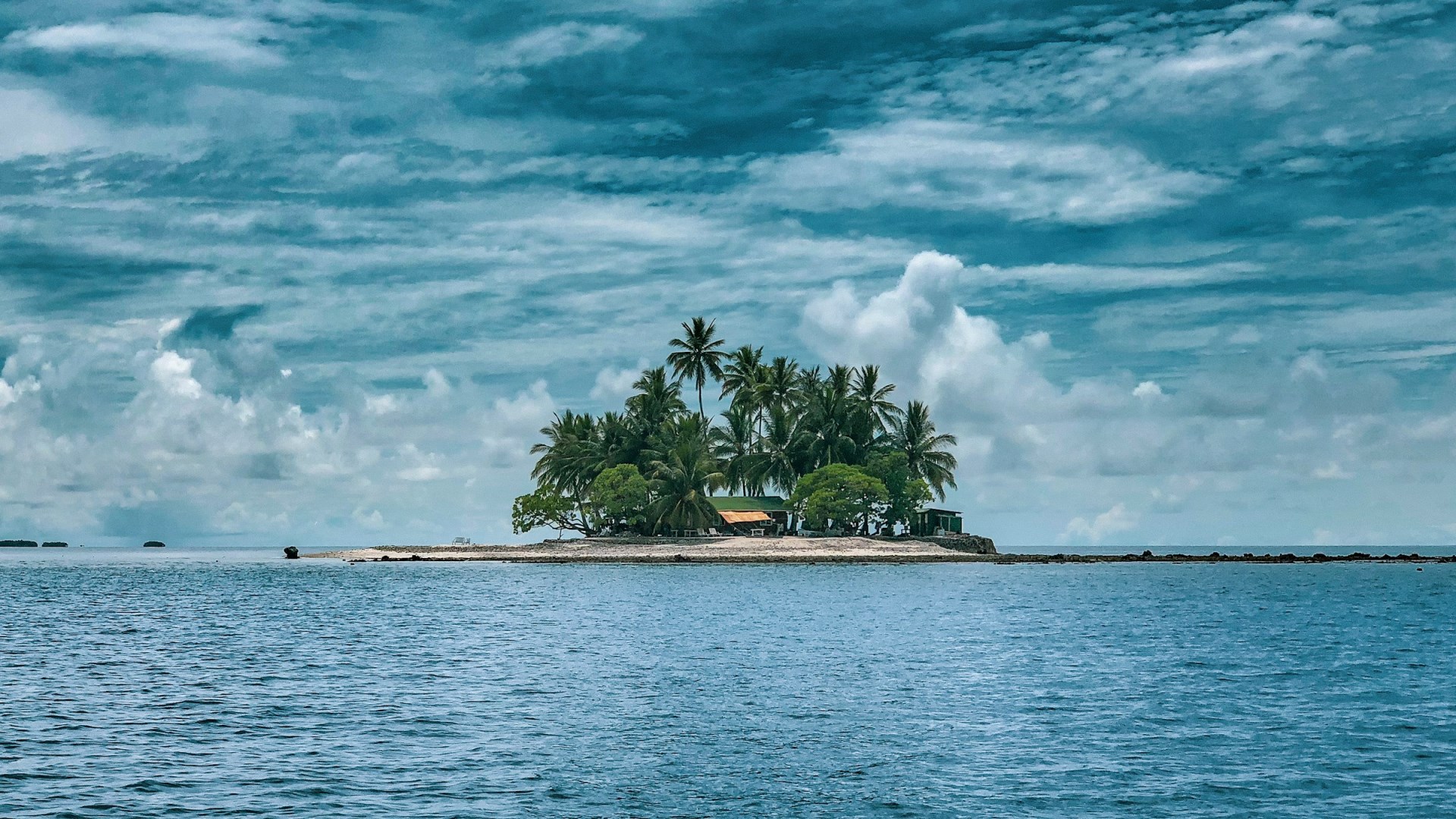
Weno is the largest island and administrative center of Chuuk State in the Federated States of Micronesia. It lies within the sheltered Chuuk Lagoon, a vast body of water enclosed by a surrounding reef and scattered with many smaller islands. Weno contains the state capital and serves as the main center for government, commerce, transportation, and services in the Chuuk Islands.

Alghero Sardinia
Alghero, located on the northwest coast of Sardinia, Italy, is a seaside city that blends history, culture, and natural beauty. Known as “Little Barcelona” due to its Catalan influence, Alghero’s old town is a maze of narrow cobblestone streets, colorful buildings, and medieval walls overlooking the Mediterranean Sea. Visitors can explore landmarks like the imposing Torre del Portal, a medieval tower that is a testament to the city’s rich heritage.