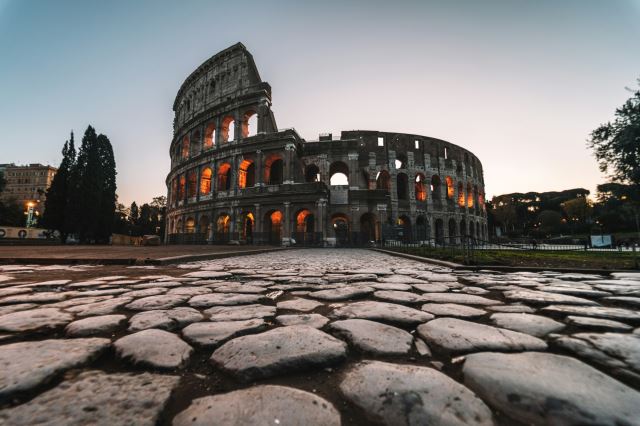
Temirtau
Temirtau is an industrial city in central Kazakhstan, located in the Karaganda Region on the Nura River near the Samarkand Reservoir. Its landscape combines broad steppe with the waterways and low hills of central Kazakhstan, while the city itself is strongly associated with metallurgy and heavy industry. Large industrial facilities form an important part of its skyline and local economy.
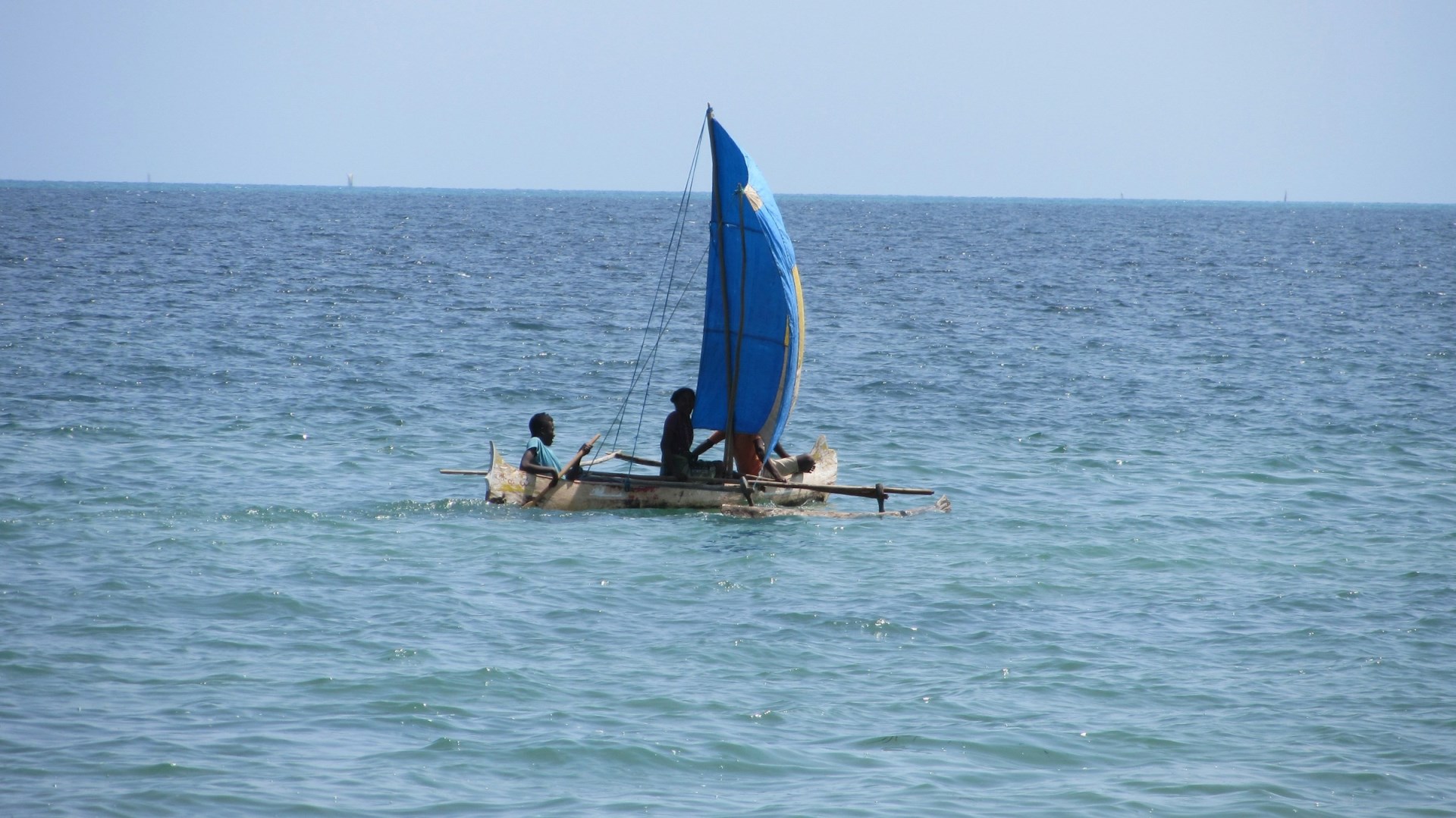
Ifaty
Ifaty is a coastal destination in southwestern Madagascar, located north of Toliara along the Mozambique Channel. The area is known for sandy beaches, shallow turquoise waters, dry forests, and a landscape shaped by the region’s hot, semi-arid climate
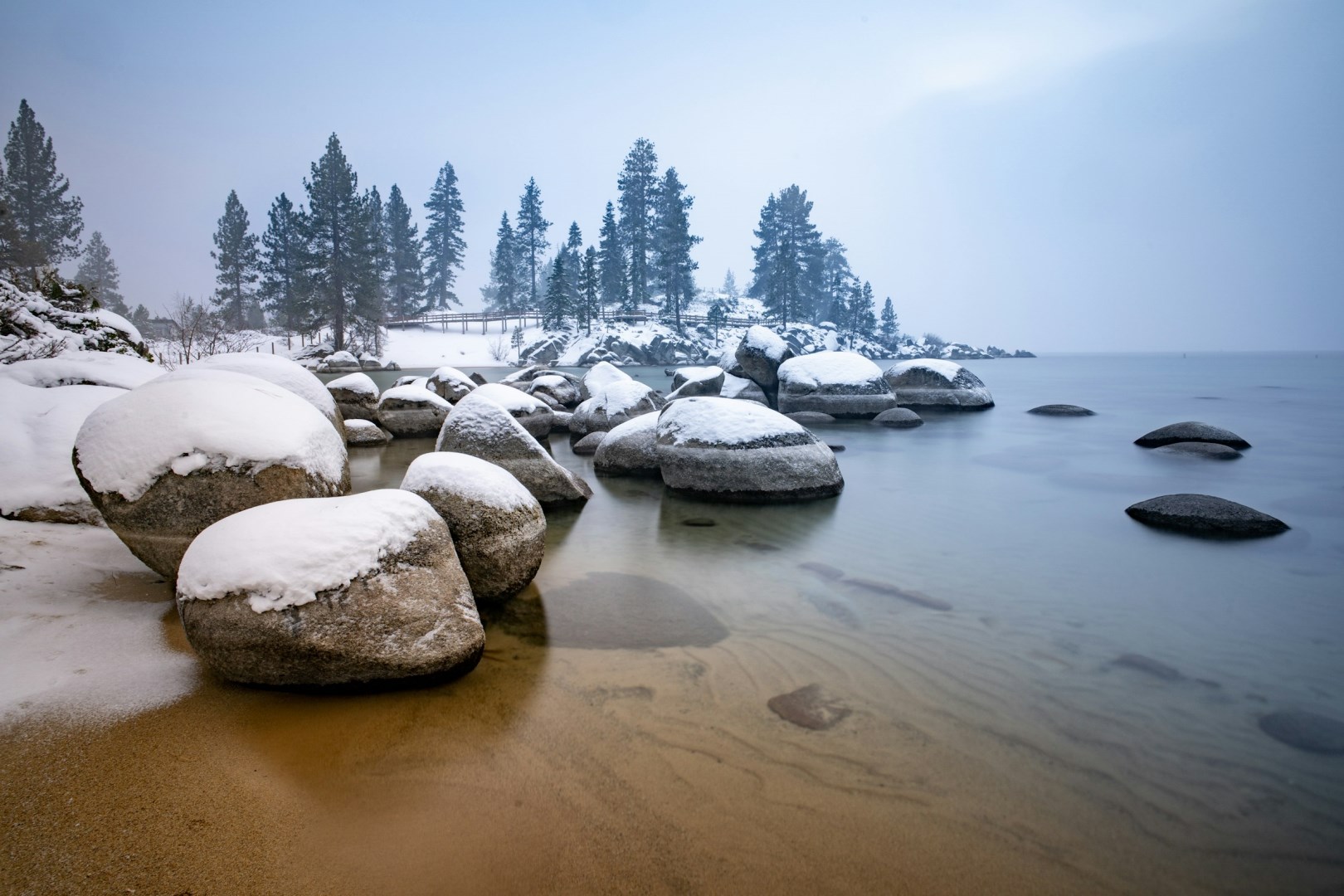
Lake Tahoe
This high sierra get away is America's all year playground and offers a unique combination of scenic beauty, outdoor recreation, and 24-hour night life.

Spitsbergen
Spitsbergen is the largest island of Norway’s Svalbard archipelago, where the wonders of the Arctic come alive in breathtaking fashion. Known for its wild, untamed beauty, Spitsbergen offers travelers the chance to experience landscapes that are both surreal and majestic. From towering glaciers and jagged mountain peaks to expansive tundra and crystal-clear fjords, this frozen paradise is an explorer’s dream.
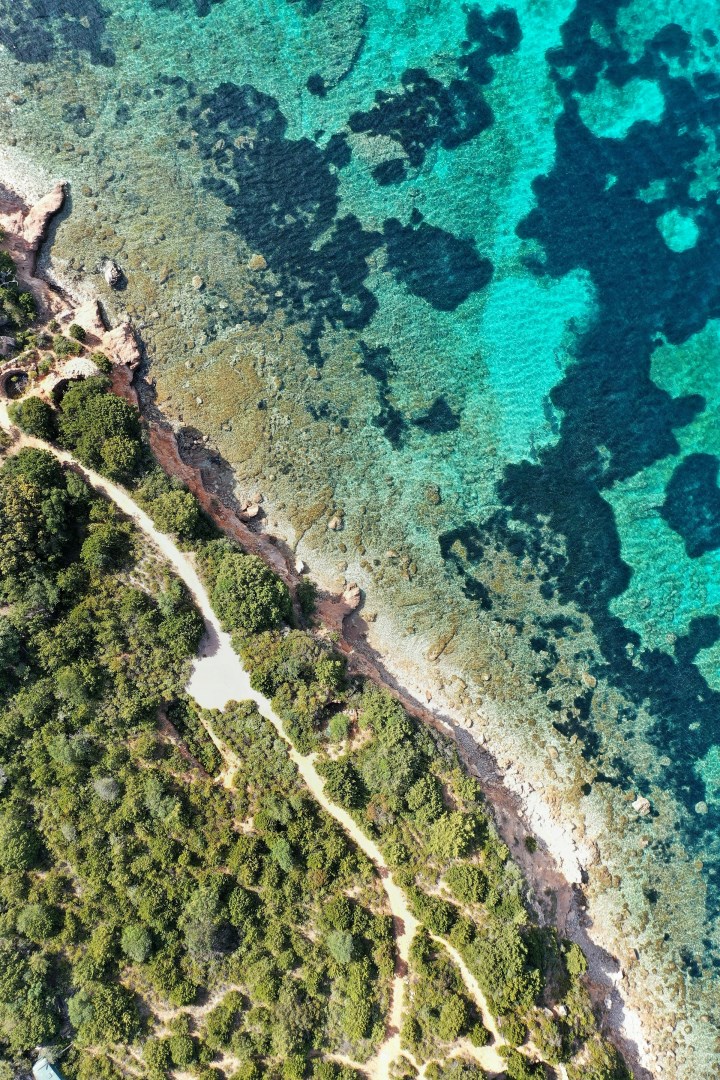
Olbia
Olbia, located on the northeast coast of Sardinia, offers a blend of history and modernity. The city is known for its well-preserved ruins and historical sites, such as the Basilica di San Simplicio, an 11th-century Romanesque church built from local granite.