

Halong Bay
Halong Bay, located in northeastern Vietnam, is a stunning UNESCO World Heritage site known for its emerald waters and towering limestone islands. This natural wonder offers a variety of activities for visitors, including cruising, kayaking, snorkeling, and exploring extraordinary caves like the Sung Sot.
Cebu
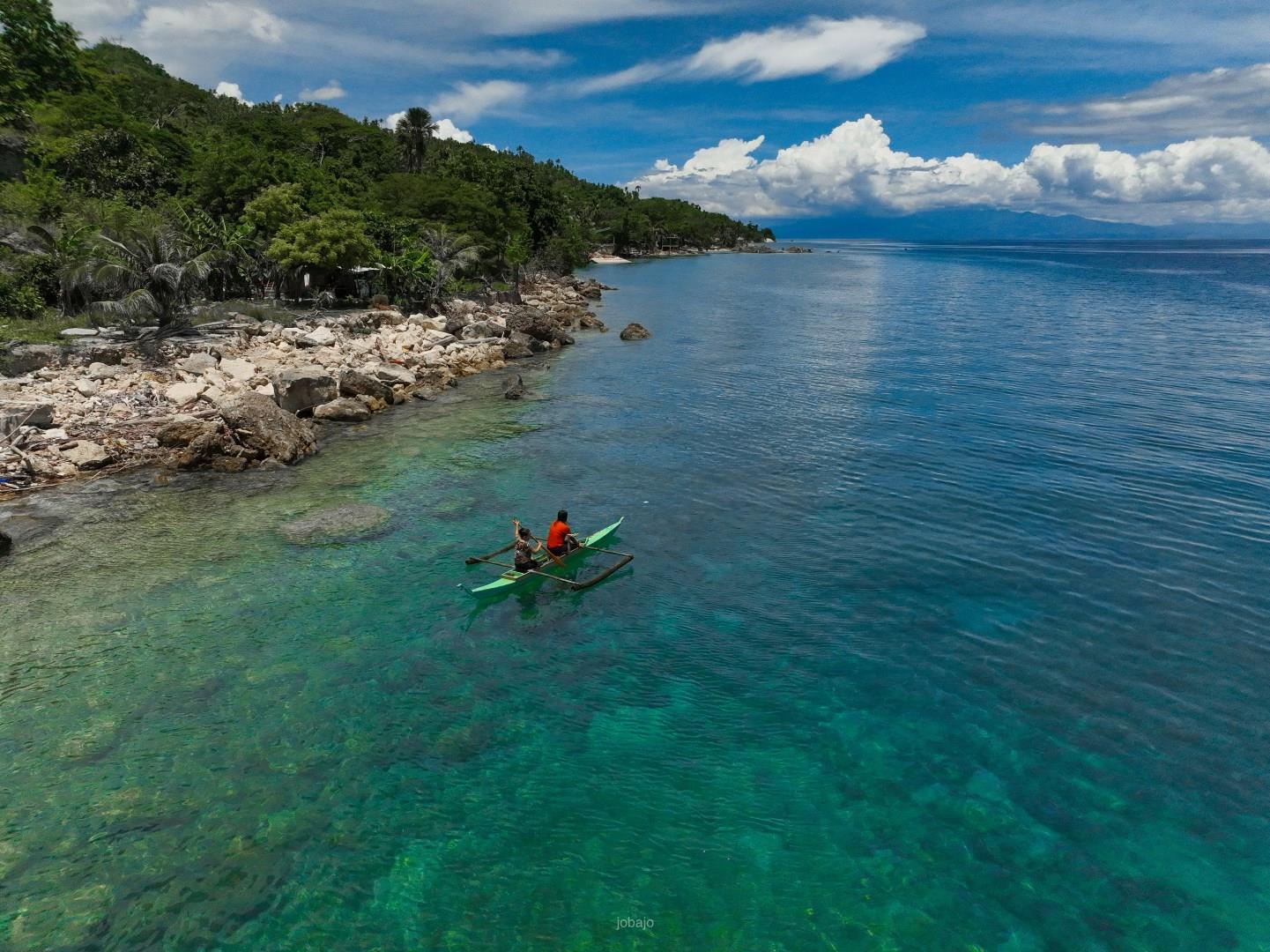
Cebu sits at the center of the central Philippines, shaped by seafaring trade and early colonial contact. It was here that Spanish rule first took hold in the 16th century, leaving a legacy visible in churches, street patterns, and long-standing ties to Catholic tradition.
Providenciales
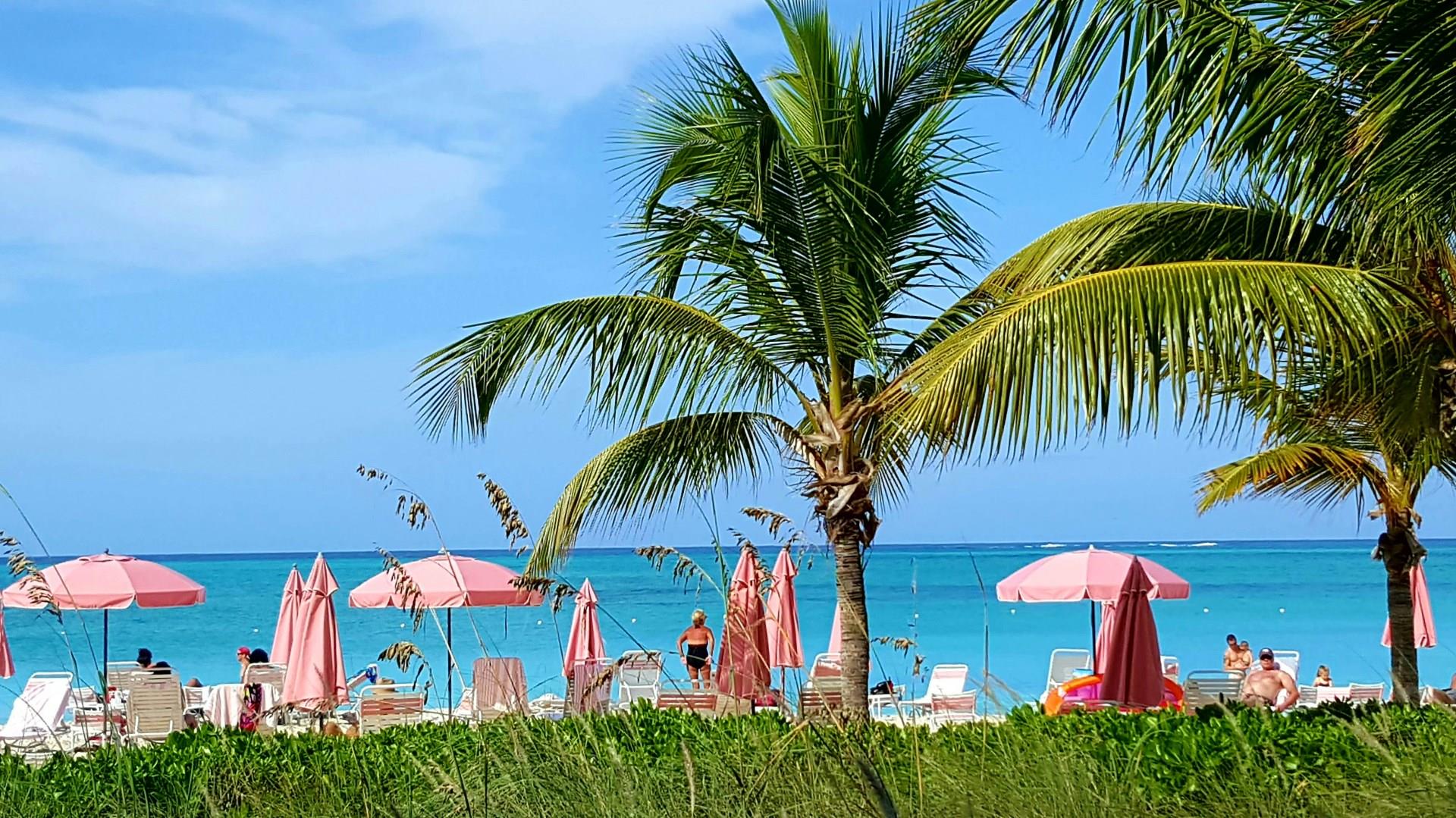
Providenciales, often called “Provo,” is the most developed island in the Turks and Caicos archipelago and a gateway to some of the clearest waters in the Caribbean. Its coastline is famous for long stretches of white sand and shallow turquoise seas that seem to shift color with the sun. Grace Bay Beach, the island’s most celebrated shoreline, runs uninterrupted for more than 19 kilometers and is consistently ranked among the best beaches in the world.
San Antonio
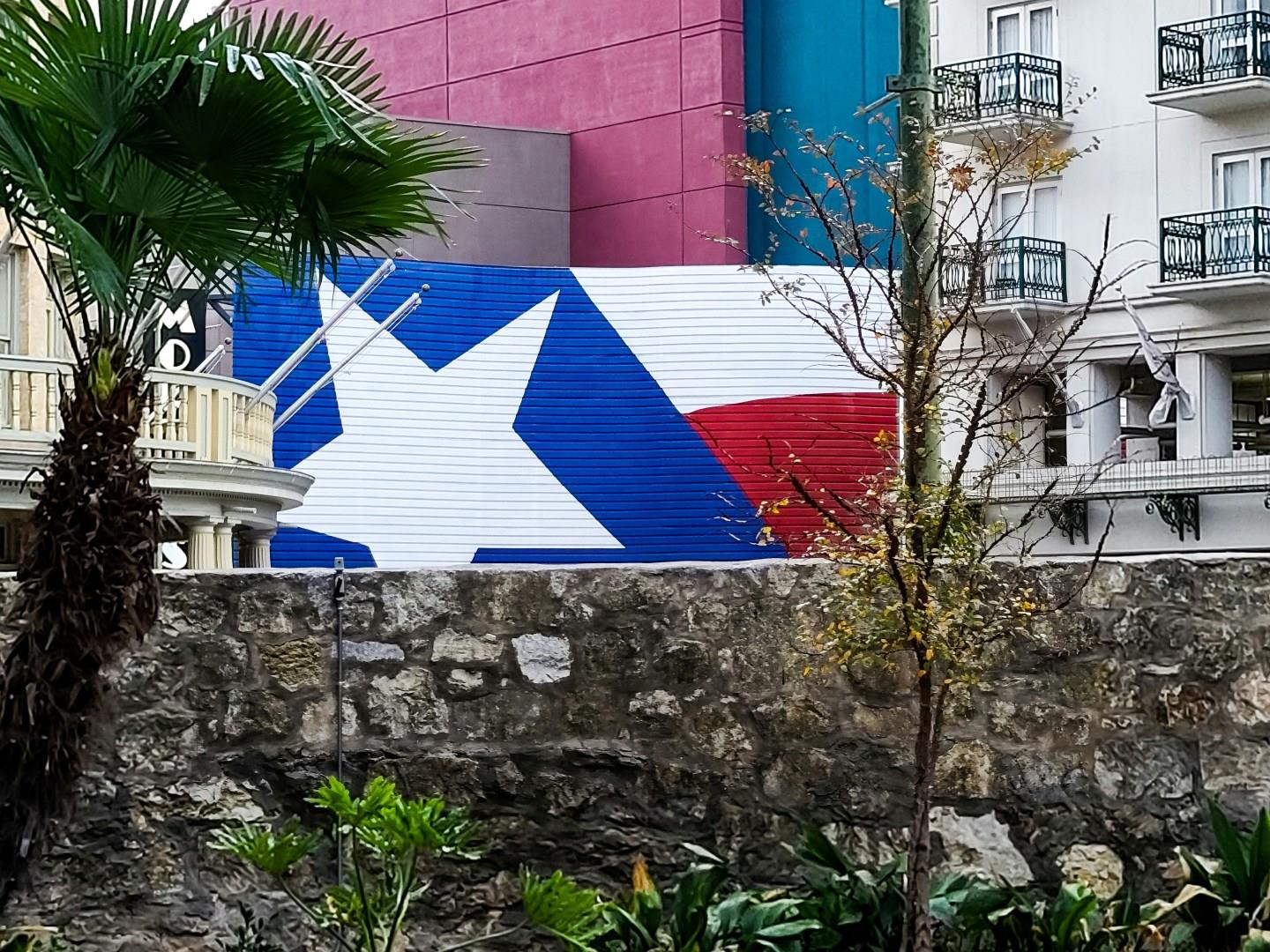
San Antonio is a city where centuries-old missions, lively markets, and a strong sense of place come together in unexpected ways. At the heart of it all is the Alamo, the former Spanish mission that became a symbol of Texas independence after the pivotal 1836 battle. Beyond its landmarks, San Antonio thrives through its neighborhoods. The River Walk weaves through downtown, lined with restaurants, shops, and galleries.

Aitutaki
Aitutaki is the second most visited of the magical Cook Islands and is recommended as a "must see" extension of any Rarotonga holiday. This is a place of great natural beauty and tranquility, where crystal clear waters and swaying palms provide a simple tonic to sooth away the pressures of the outside world.


