Burkina Faso
Who would have thought, back in the tumultuous coup and counter coup days of the 1970s, that Burkina Faso would become the cultural darling of West Africa? Unlikely as it seems, Burkina Faso has become the Utah of West Africa, hosting a biennial film festival that rivals the Sundance Film Festival for cultural clout. When it's not hosting film festivals, it's busy organizing its other biennial cultural festival.
Palawan Island
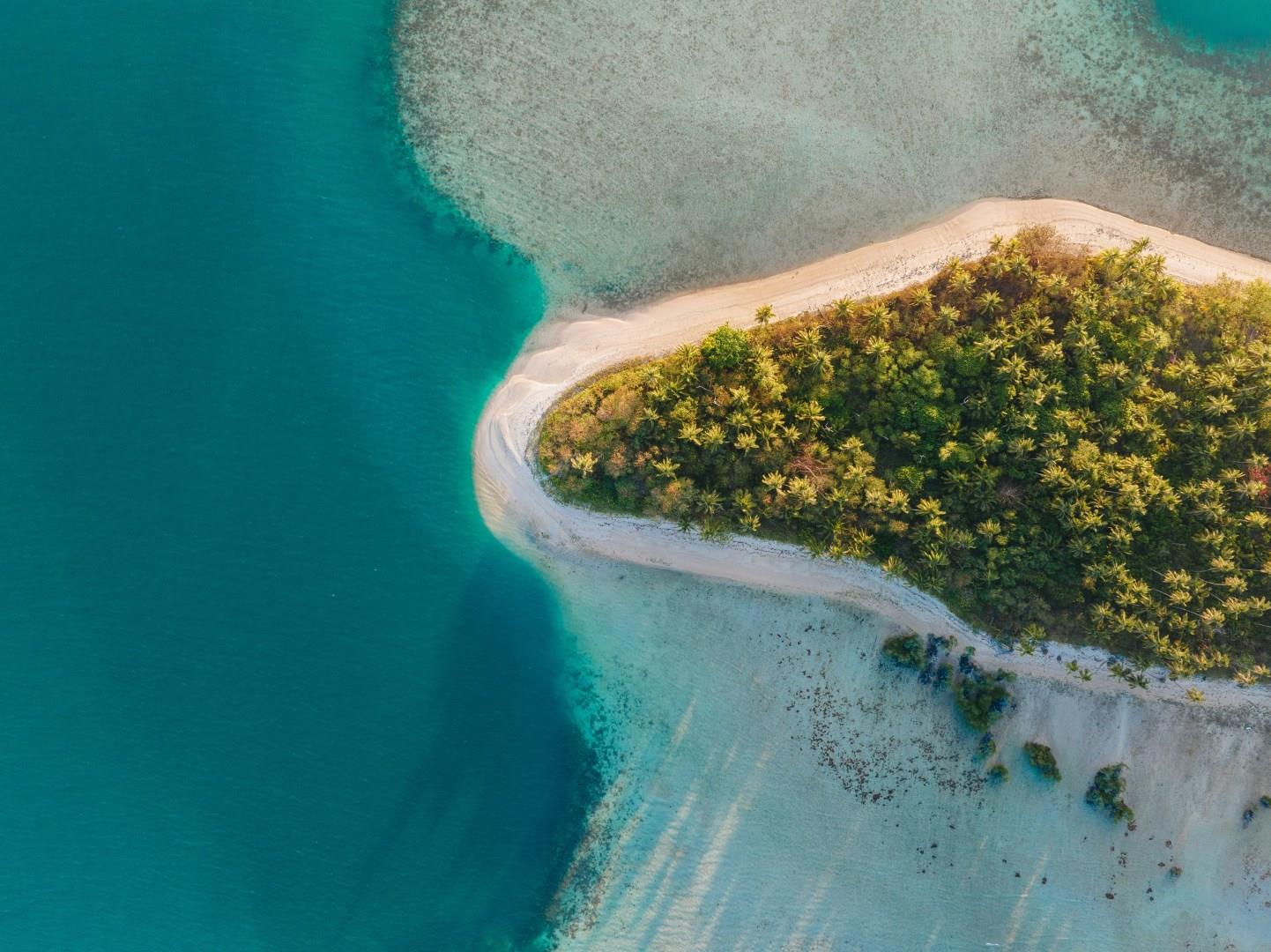
Palawan Island stretches along the western edge of the Philippines, shaped by seafaring routes, Indigenous cultures, and relative isolation from the country’s major urban centers.

Bulgaria
Bulgaria is a republic in southeastern Europe. The capital and largest city is Sofiya. Bulgarian culture has been influenced successively by Byzantine, Greek, Russian, and Western cultures.
Charleston
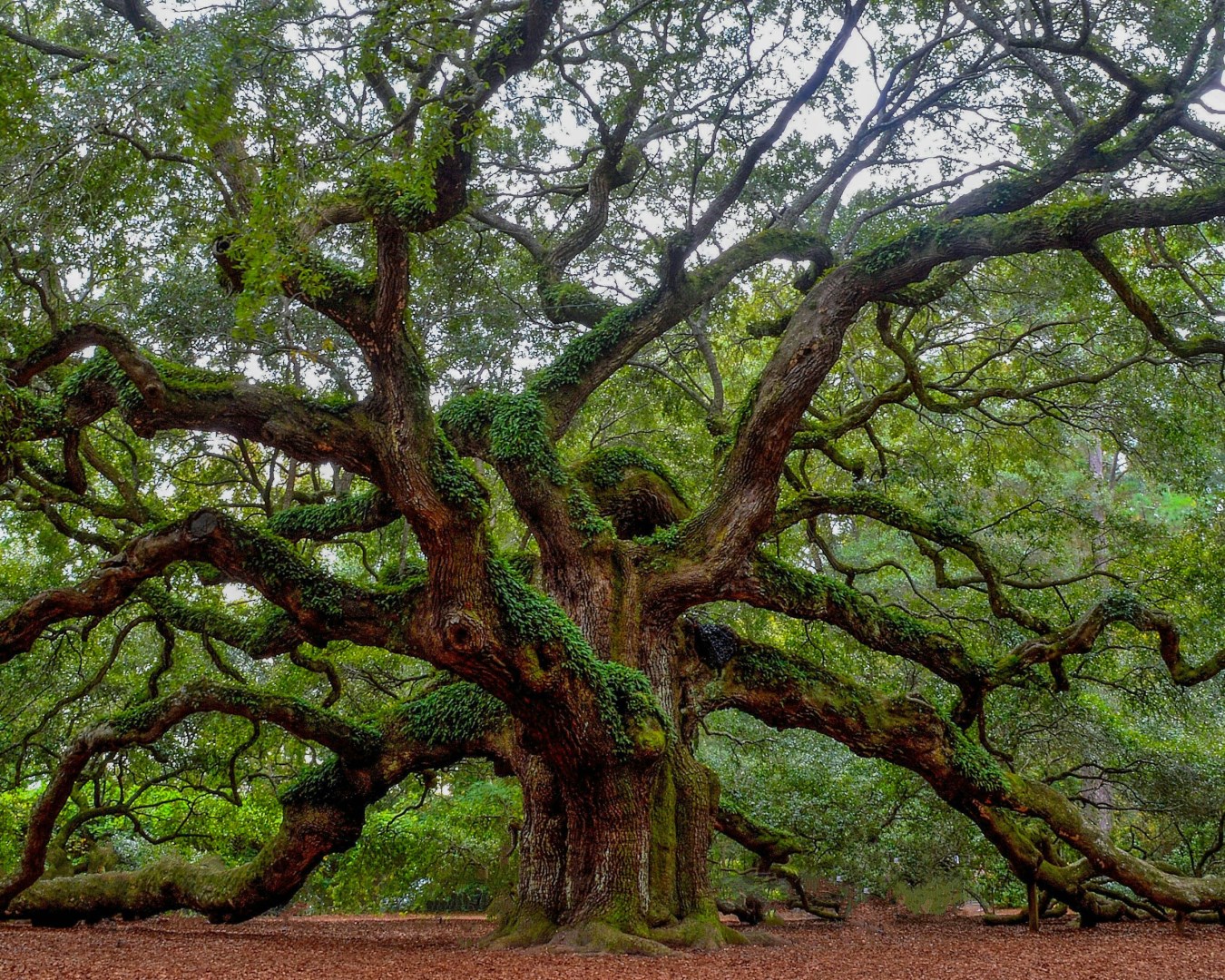
Charleston, South Carolina, is a gem of Southern charm and history, offering an immersive travel experience in a beautifully preserved city. Known for its cobblestone streets and antebellum architecture, Charleston's historic district is a living museum where visitors can stroll past colorful row houses and elegant mansions. Key landmarks include the Battery and Rainbow Row, a series of pastel-colored houses that are among the city's most photographed sites.
Ann Arbor
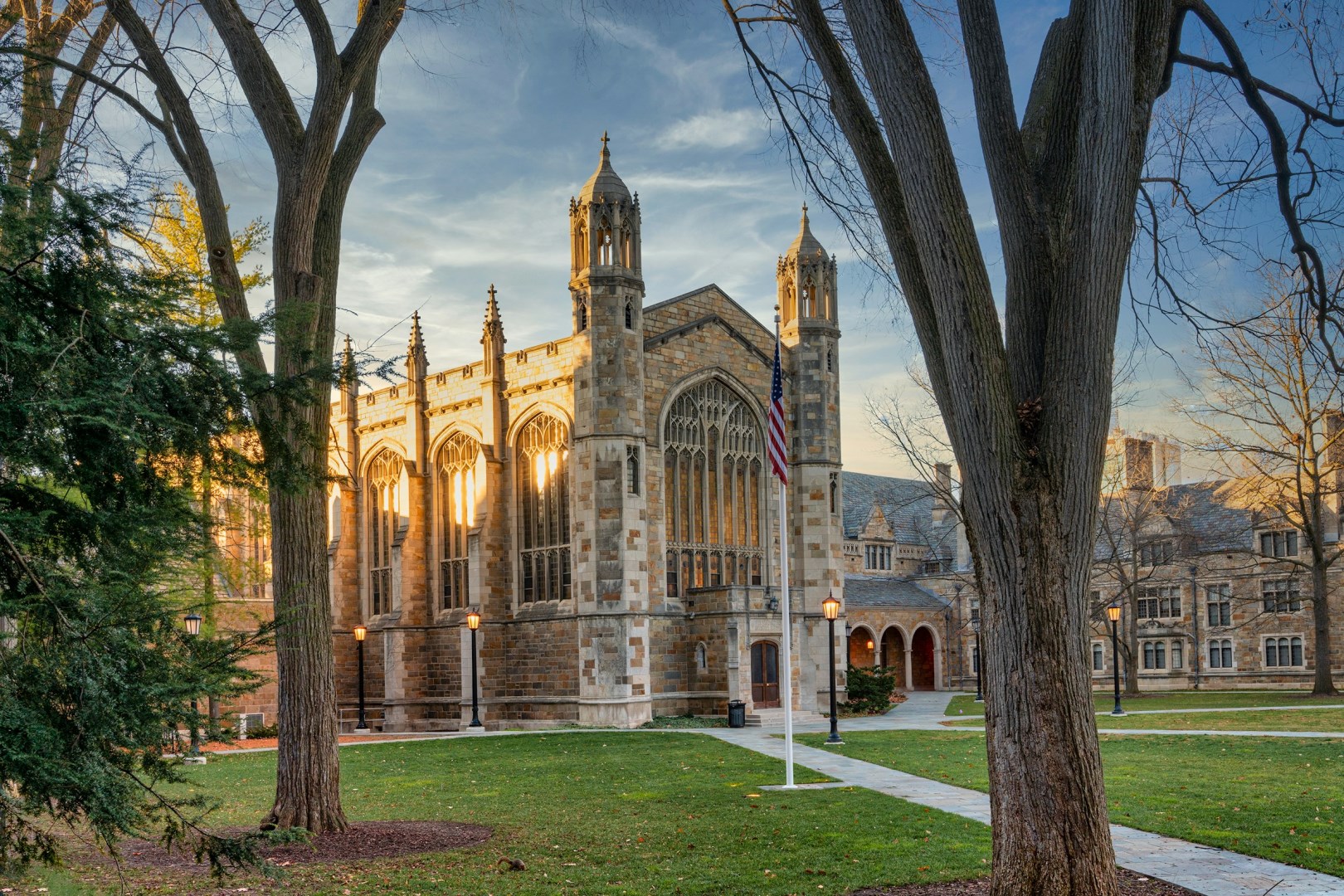
Long regarded as one of the freest-thinking college towns in the U.S., Ann Arbor is home to the University of Michigan, the Gerald R. Ford Presidential Library and Domino's Pizza. While you're in Ann Arbor, be certain to see the city's many fascinating historic buildings; the Kelsey Museum of Ancient and Medieval Archaeology; and Kerrytown (a diversity of specialty shops and eateries in restored 19th-century buildings close to the Farmers Market).