Bled
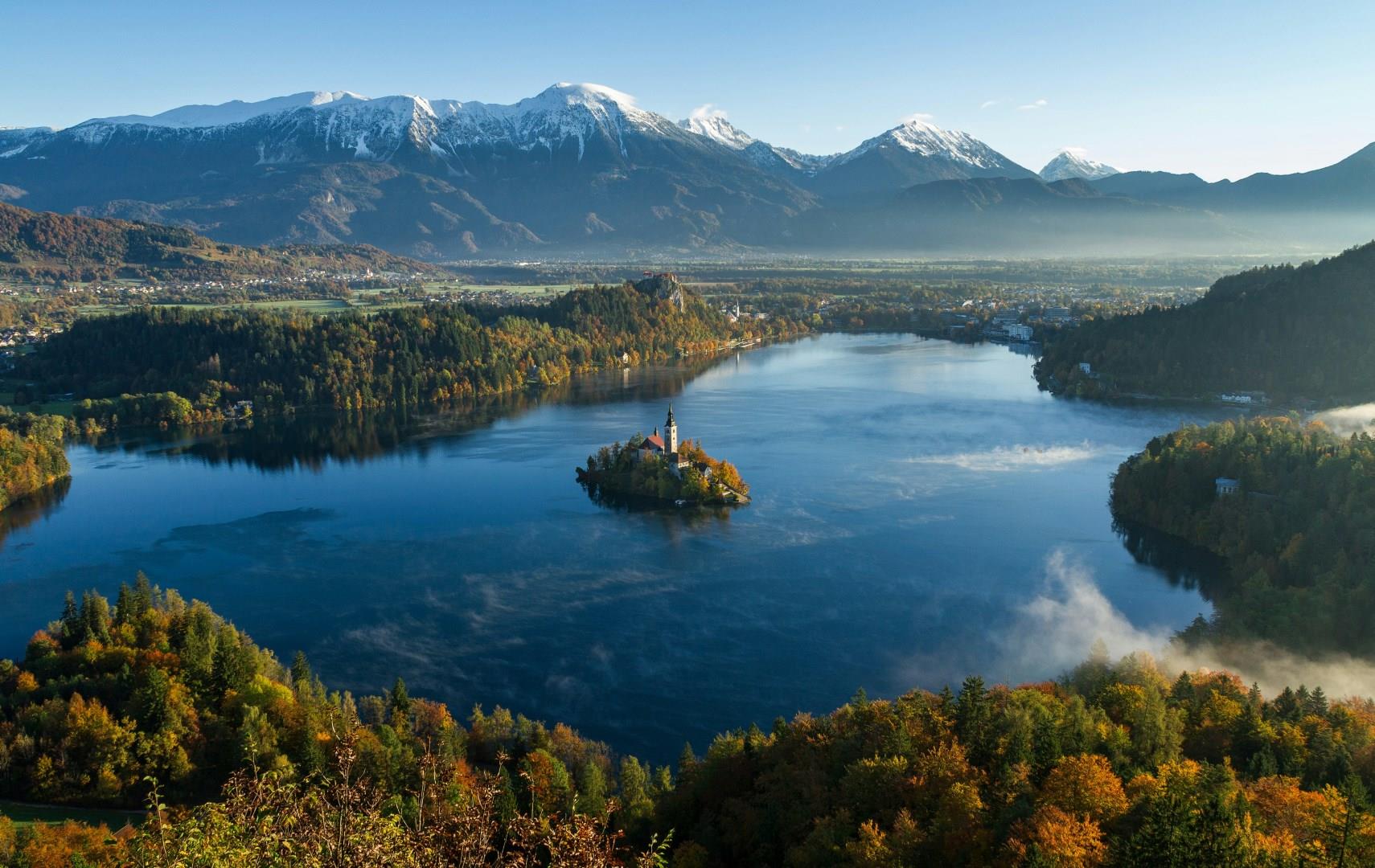
Bled, a small town in northwestern Slovenia, has gained international attention thanks to its lake, which features a lone island topped with a baroque church. Visitors often take traditional wooden boats called pletna to reach the island, where it's customary to ring the church bell and make a wish. According to local legend, the bell was originally cast in memory of a young widow’s lost husband, and today, its chime echoes across the lake as a symbol of devotion and hope.

Monteverde
Monteverde, located in the Tilarán Mountains of northwestern Costa Rica, is known for its cloud forests, winding trails, and biodiversity that has drawn researchers and travelers for decades. The area was settled in the 1950s by Quakers from the United States who were looking for a peaceful place to raise dairy cattle. They also played a major role in preserving the local ecosystem, helping to establish the Monteverde Cloud Forest Reserve in 1972.

Sitka
Sitka is accessible only by air or sea, giving visitors a real taste of this wild frontier. Sitka offers incredible scenery, fishing, hiking, and abundant wildlife. 22 of Sitka's buildings and monuments appear in the National Register of Historic Places.

Kakadu National Park
Kakadu National Park, a UNESCO World Heritage site located in Australia’s Northern Territory, is a breathtaking destination that offers an unparalleled blend of natural beauty, ancient cultural heritage, and thrilling adventure. Visitors can explore a rich tapestry of landscapes, from rugged escarpments and floodplains teeming with wildlife to serene waterfalls and billabongs that capture the essence of Australia’s Top End.
Minsk
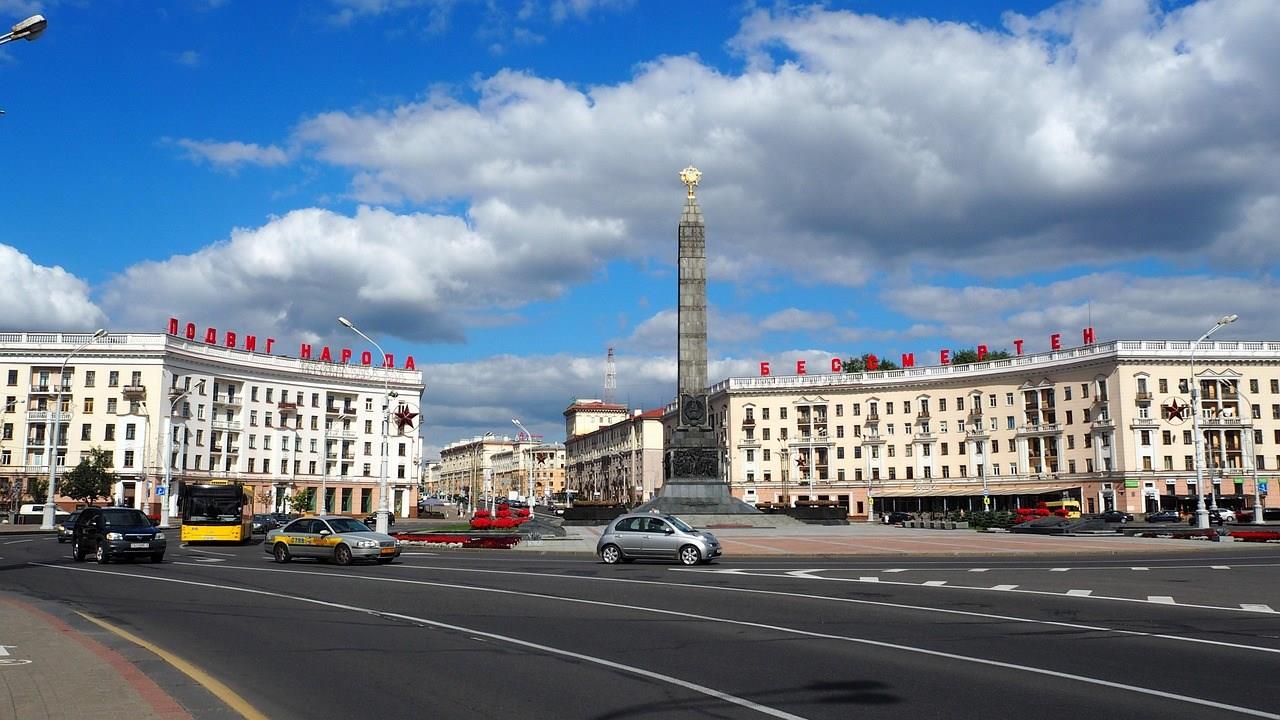
Minsk, the capital of Belarus, is a city rich in history, culture, and architectural beauty. As one of the oldest cities in Europe, it has a unique charm that blends Soviet-era monumentalism with modern urban development.