Reynosa
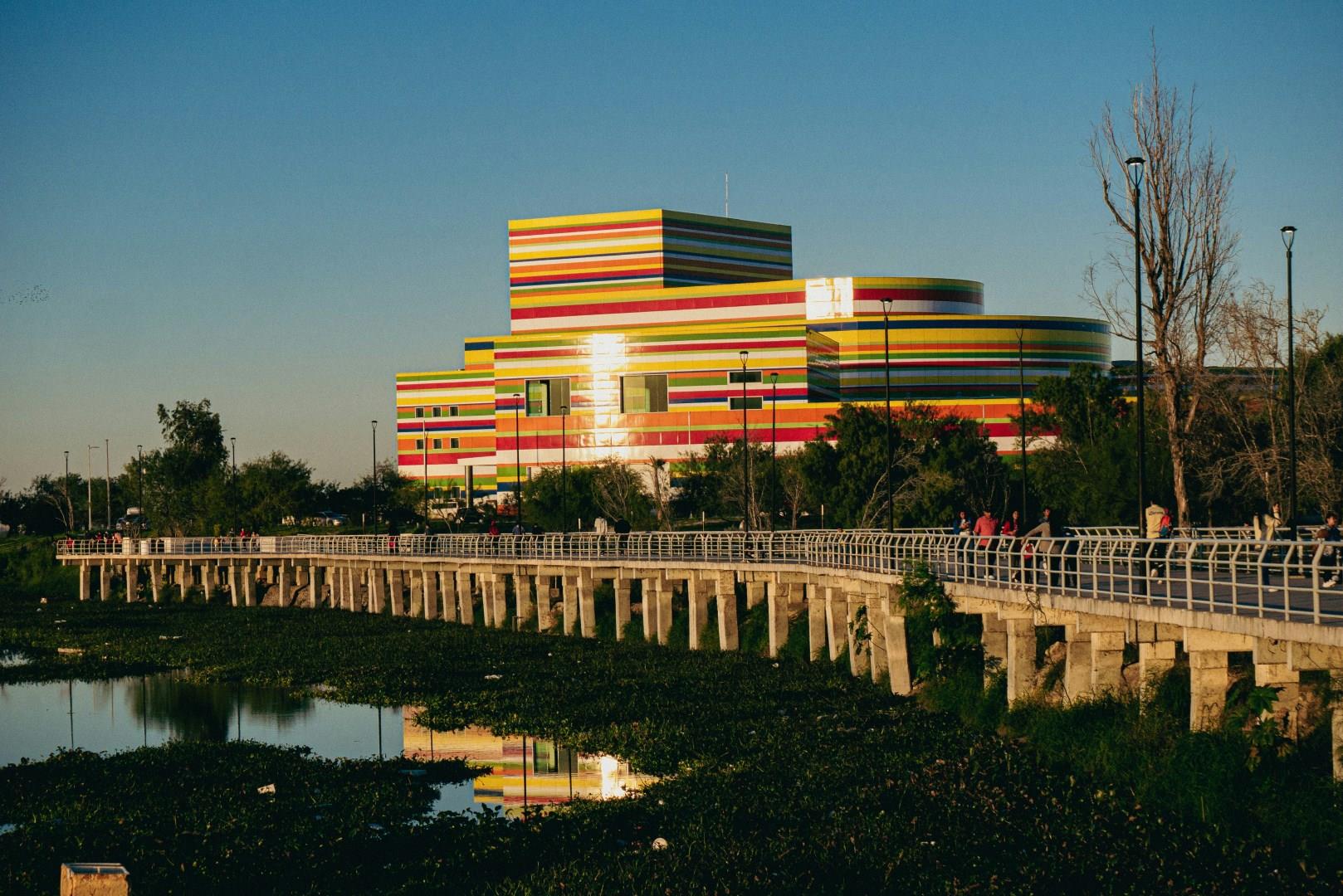
Reynosa, located along the northern border of Tamaulipas, is a city shaped by its position as a cultural and economic bridge between Mexico and the United States. Founded in 1749, Reynosa has grown into a vital manufacturing and trade center, but it also holds onto traditions that reflect both its regional roots and binational influences. The Plaza Principal is a popular gathering spot, often hosting live music and seasonal festivals.
Bruny Island
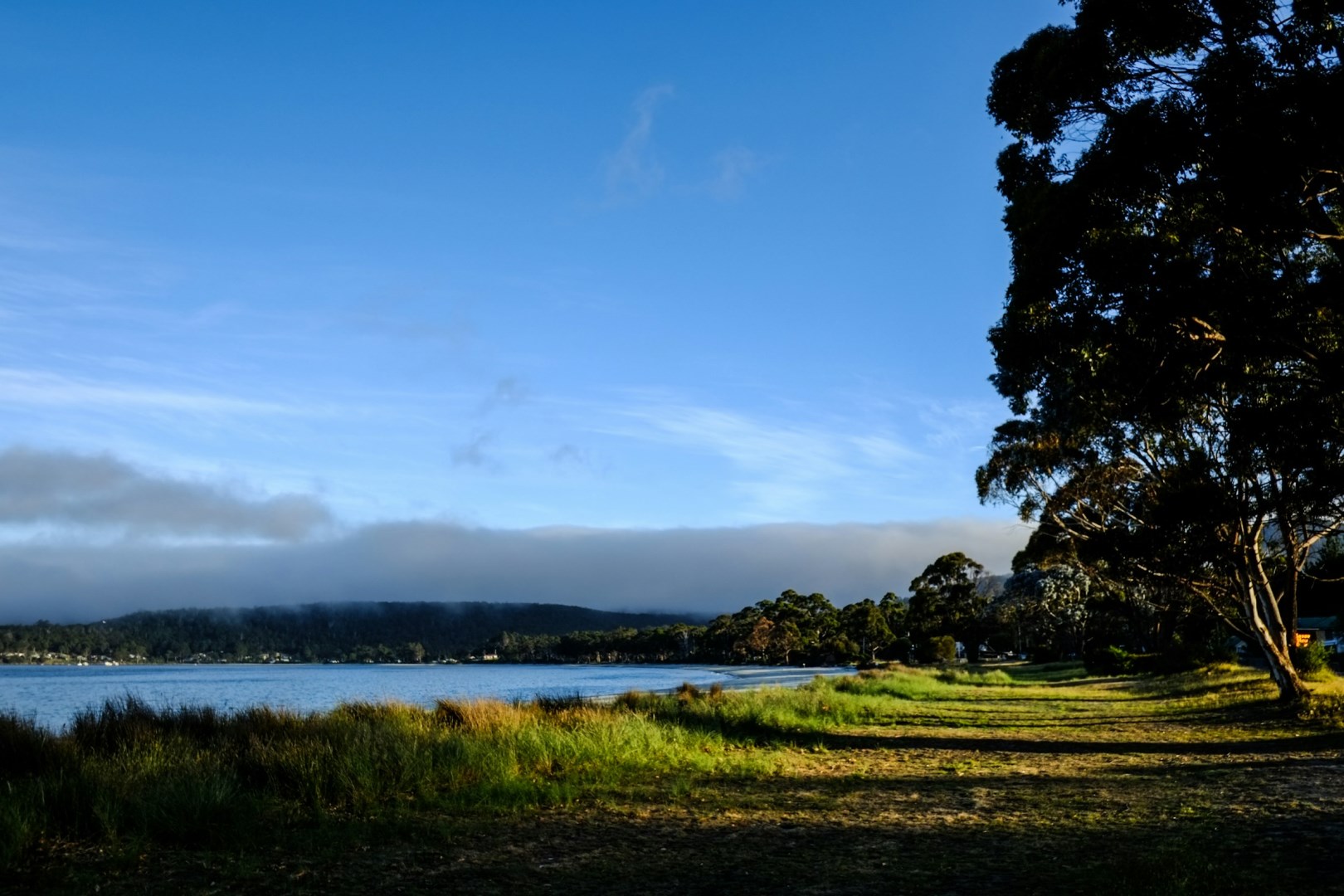
Bruny Island is an island destination off the south-east coast of Tasmania, separated from the mainland by the D’Entrecasteaux Channel and reached by a short vehicle ferry from Kettering. The island consists of North Bruny and South Bruny, connected by a narrow isthmus known as The Neck. Its landscape includes beaches, sheltered bays, forests, farmland, cliffs, and coastal heath.
Santa Marta
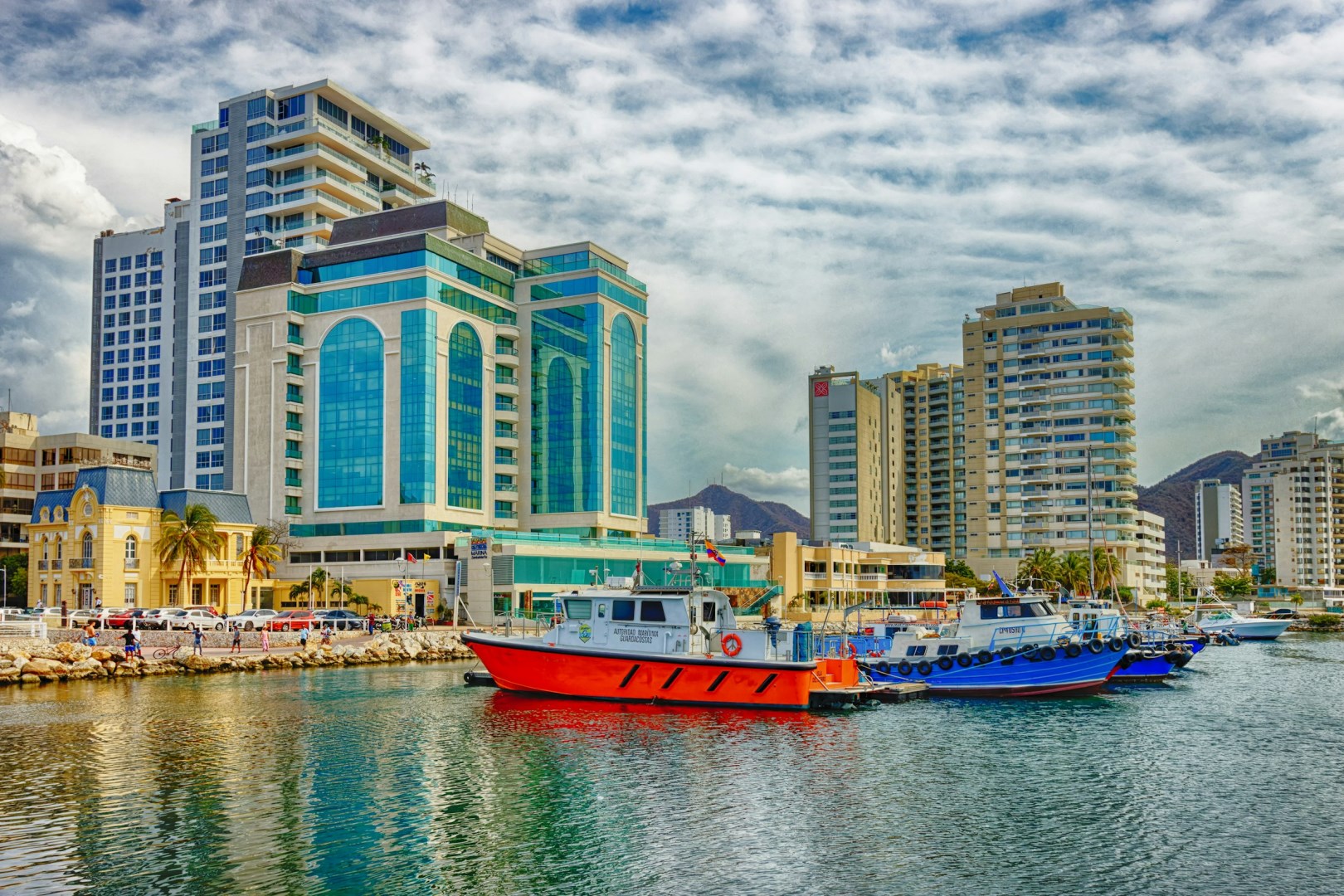
Santa Marta, located on Colombia’s northern Caribbean coast, is one of the country’s oldest cities, founded in 1525. It has long served as a gateway between the coast and the Sierra Nevada de Santa Marta, the world’s highest coastal mountain range.

Sacred Valley
The Sacred Valley, located in the Andes and divided by Urubamba River, was part of the larger Inca Empire, along with Machu Picchu and the closeby town of Cusco. Tourists will see green agricultural landscapes and Spanish hamlets like Ollantaytambo and Pisac, the latter featuring a Sunday market.

Canberra
Canberra, the capital city of Australia, is a hidden gem that often surprises travelers with its rich blend of culture, history, and natural beauty. Designed by American architects Walter Burley Griffin and Marion Mahony Griffin, Canberra is a city thoughtfully crafted around Lake Burley Griffin, which offers picturesque views and serene walks. Unlike many cities, it is home to a vast population of kangaroos, which are often spotted hopping around suburban areas and parklands.