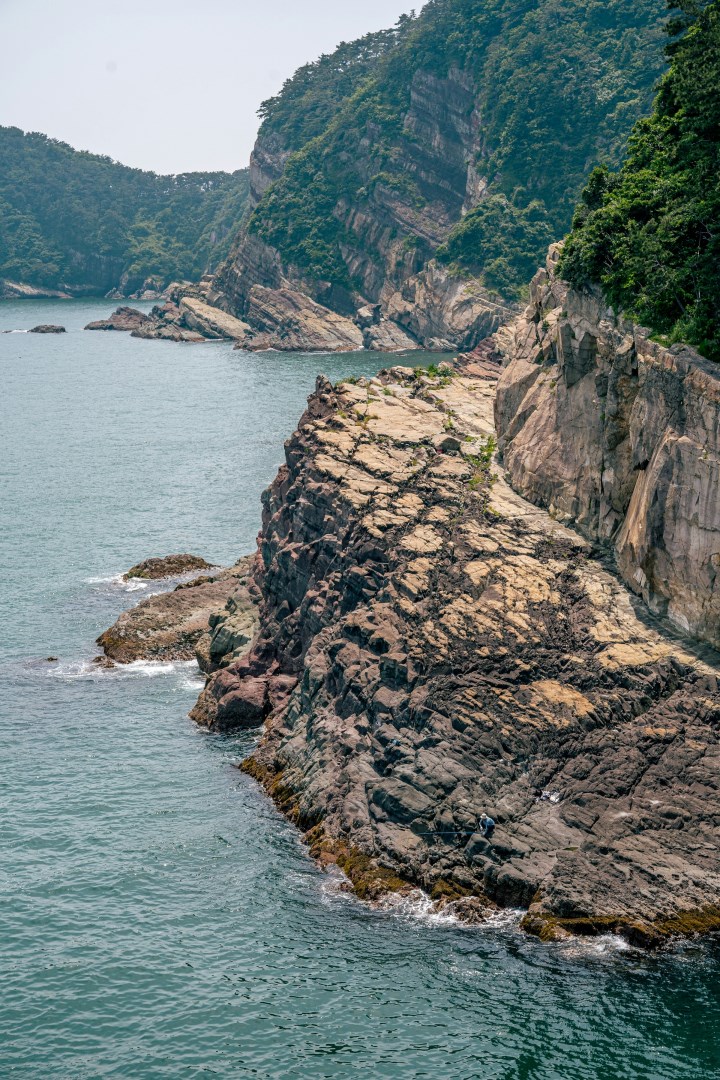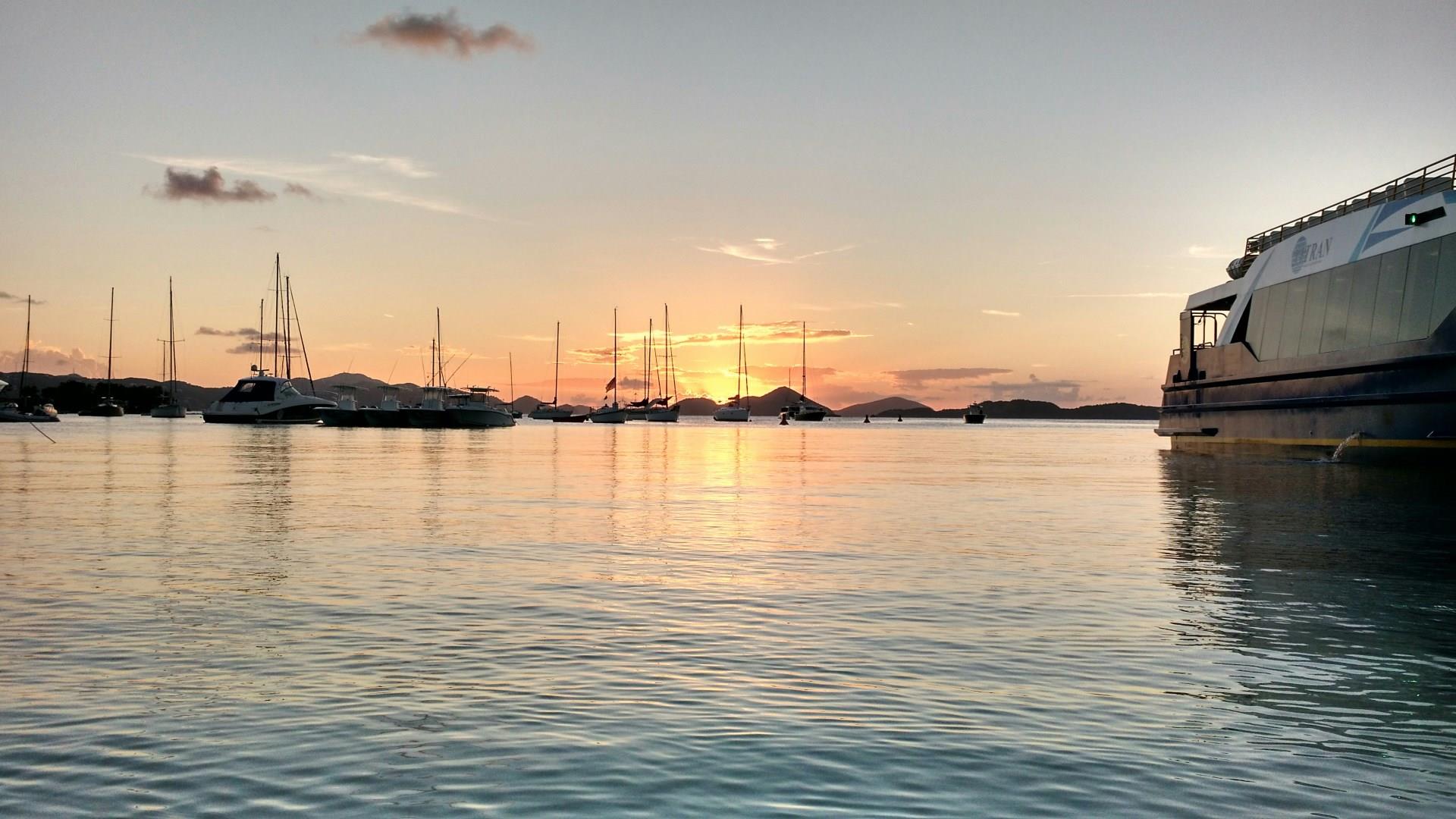
Calgary, set against the backdrop of Alberta’s prairie landscape and the distant Canadian Rockies, is a city where western heritage and modern innovation meet. Once a hub for cattle ranching and the oil industry, it has grown into one of Canada’s most dynamic urban centers.
Inveraray, a small town on the western shore of Loch Fyne in Argyll and Bute, Scotland, offers visitors a glimpse into 18th-century planning and Highland heritage. Built largely in the mid-1700s under the direction of the 3rd Duke of Argyll, the town features Georgian architecture, wide streets, and an unusual level of symmetry for a rural Scottish settlement. The main street, lined with whitewashed buildings, leads down to the loch’s edge, where fishing boats and leisure vessels come and go.
Dominica, known as the “Nature Island of the Caribbean,” is a haven for eco-tourists and adventure seekers. Nestled between the French islands of Guadeloupe and Martinique, this lush island boasts a remarkable landscape of volcanic mountains, dense rainforests, and stunning waterfalls. Dominica’s most iconic natural wonder is the Boiling Lake, the second-largest hot spring in the world.
Nestled on the banks of the Danube River, Vidin, Bulgaria, is a city where history and scenic beauty converge. This ancient city, known for its well-preserved medieval fortress, the Baba Vida Castle, offers a unique glimpse into Bulgaria's past. The fortress, dating back to the 10th century, stands as one of the best-preserved medieval fortifications in the country.
Hellesylt, a small village on Norway’s western coast, sits at the entrance to the famous Geirangerfjord and offers scenery that feels almost otherworldly. Steep mountains rise sharply on all sides, their slopes cut by ribbons of waterfalls that plunge into deep blue water. One of the most striking sights is the Hellesylt Waterfall, which thunders past the heart of the village and can be admired from several pedestrian bridges.
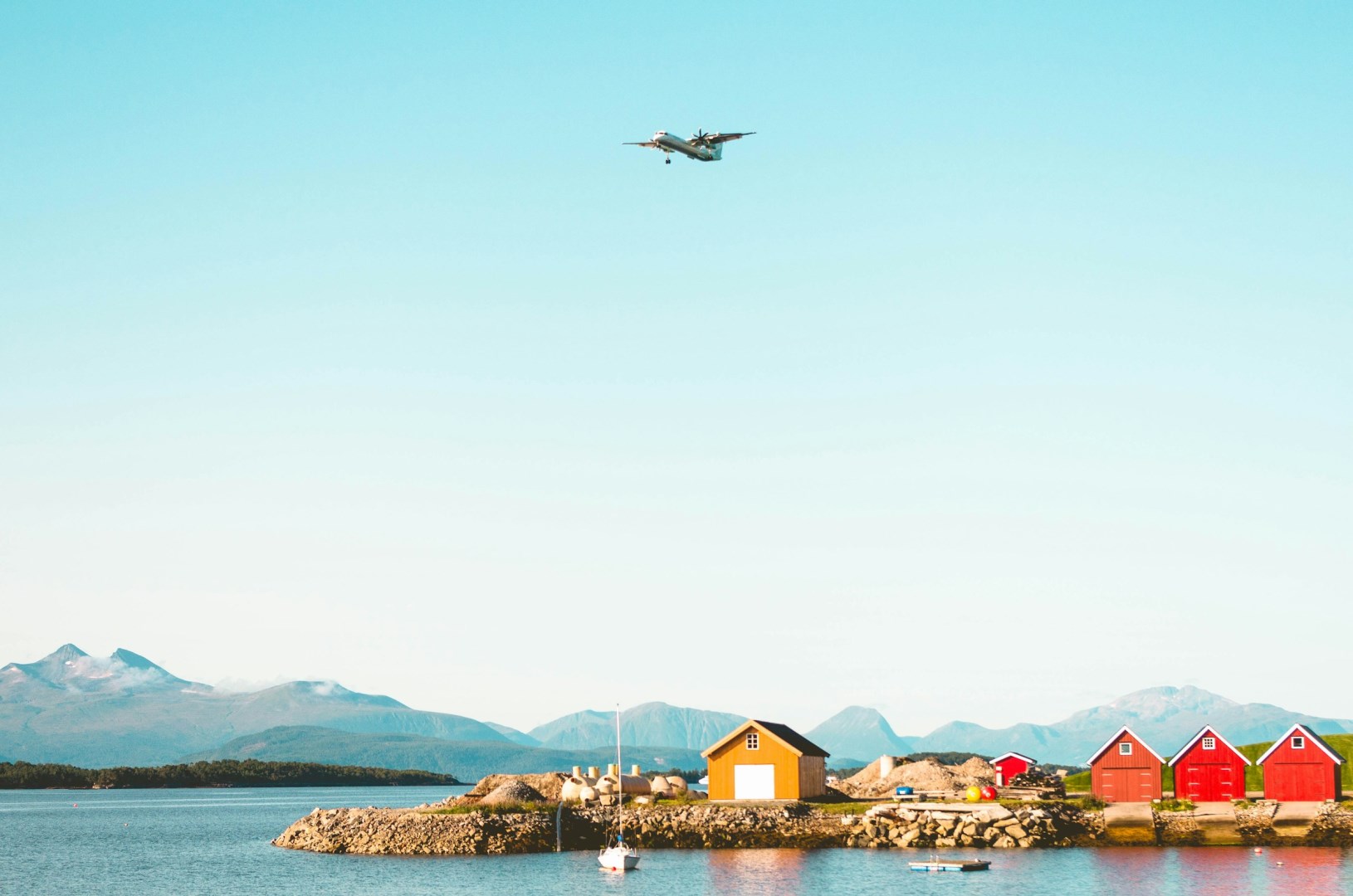
Nestled along the fjord-studded coastline of Norway, Molde is renowned for its breathtaking natural beauty and rich cultural heritage. Often called the "City of Roses" for its flourishing gardens and floral displays, Molde offers visitors a stunning panorama of 222 mountain peaks visible from its scenic viewpoints, including the renowned Varden Viewpoint. This spot provides an unparalleled vista of the surrounding fjords and peaks, making it a must-see for any nature enthusiast.
Molde is also a gateway to the Atlantic Road, one of Norway's most scenic drives, which connects the mainland to a series of islands and offers stunning views of the turbulent ocean and picturesque landscapes. This engineering marvel is celebrated for its dramatic coastal scenery and is ideal for both leisurely drives and adventurous road trips. For those interested in maritime history, the Romsdal Museum offers a glimpse into the region’s past with exhibits on traditional Norwegian life and culture.
In addition to its natural and historical attractions, Molde boasts a vibrant cultural scene. The Molde International Jazz Festival is one of Norway’s largest jazz festivals and attracts musicians and visitors from around the globe every summer. The city also hosts a variety of events and activities year-round, including local markets and festivals that celebrate its rich heritage and artistic community.
Fun Fact: Molde is famous for its annual Molde Panorama, a 5-kilometer panoramic hike that offers spectacular views of the city and surrounding landscapes, making it a popular route for both locals and visitors seeking to immerse themselves in the region's natural splendor.