Curitiba
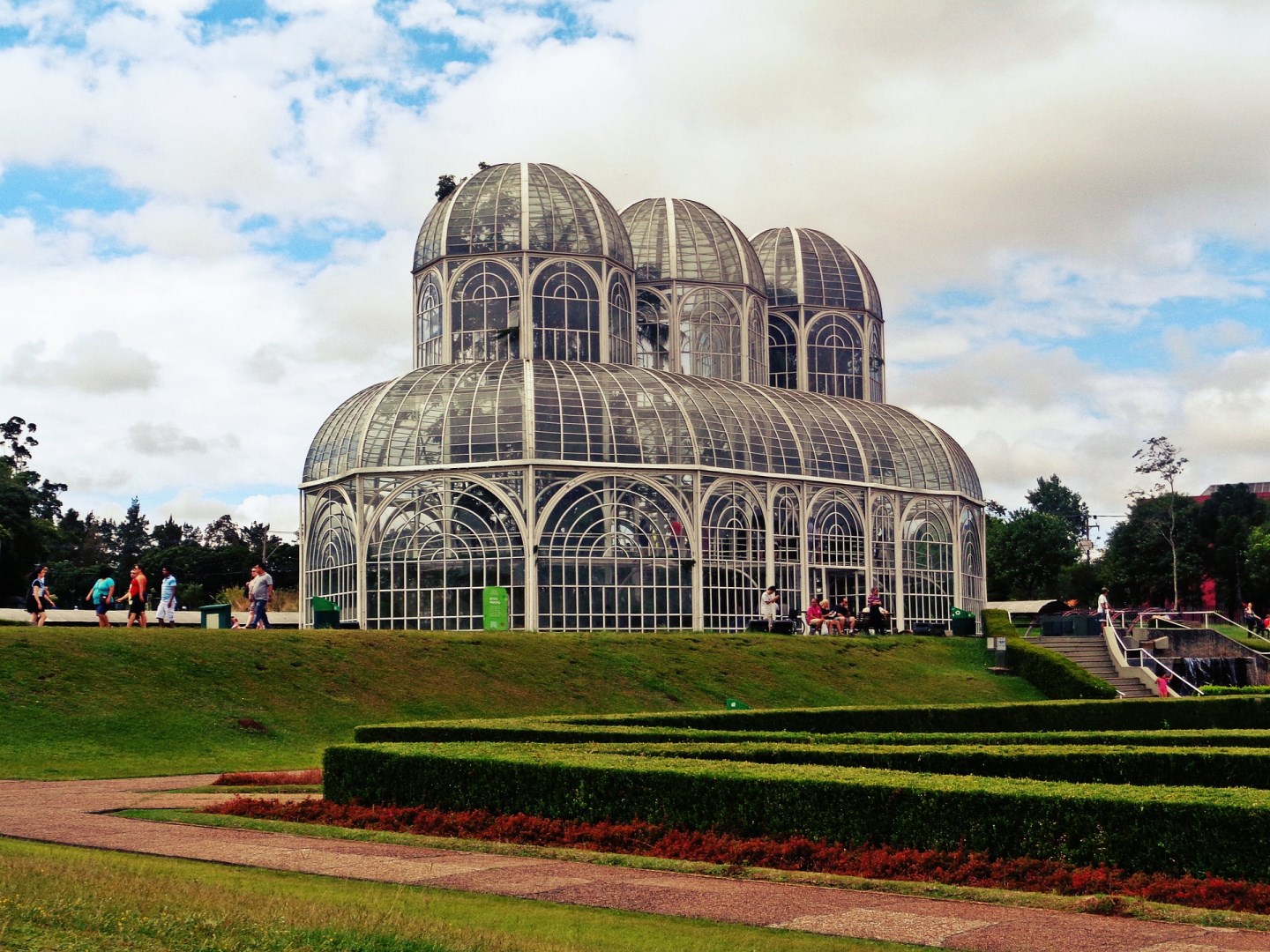
A very clean and European city south of Sao Paulo, it was the center for Polish, German, Italian and Russian immigration in the late 19th and early 20th centuries.

Beppu
Beppu boasts the largest volume of hot water and number of hot spring sources in Japan. The city is divided into eight distinct hot spring areas.
Hammamet
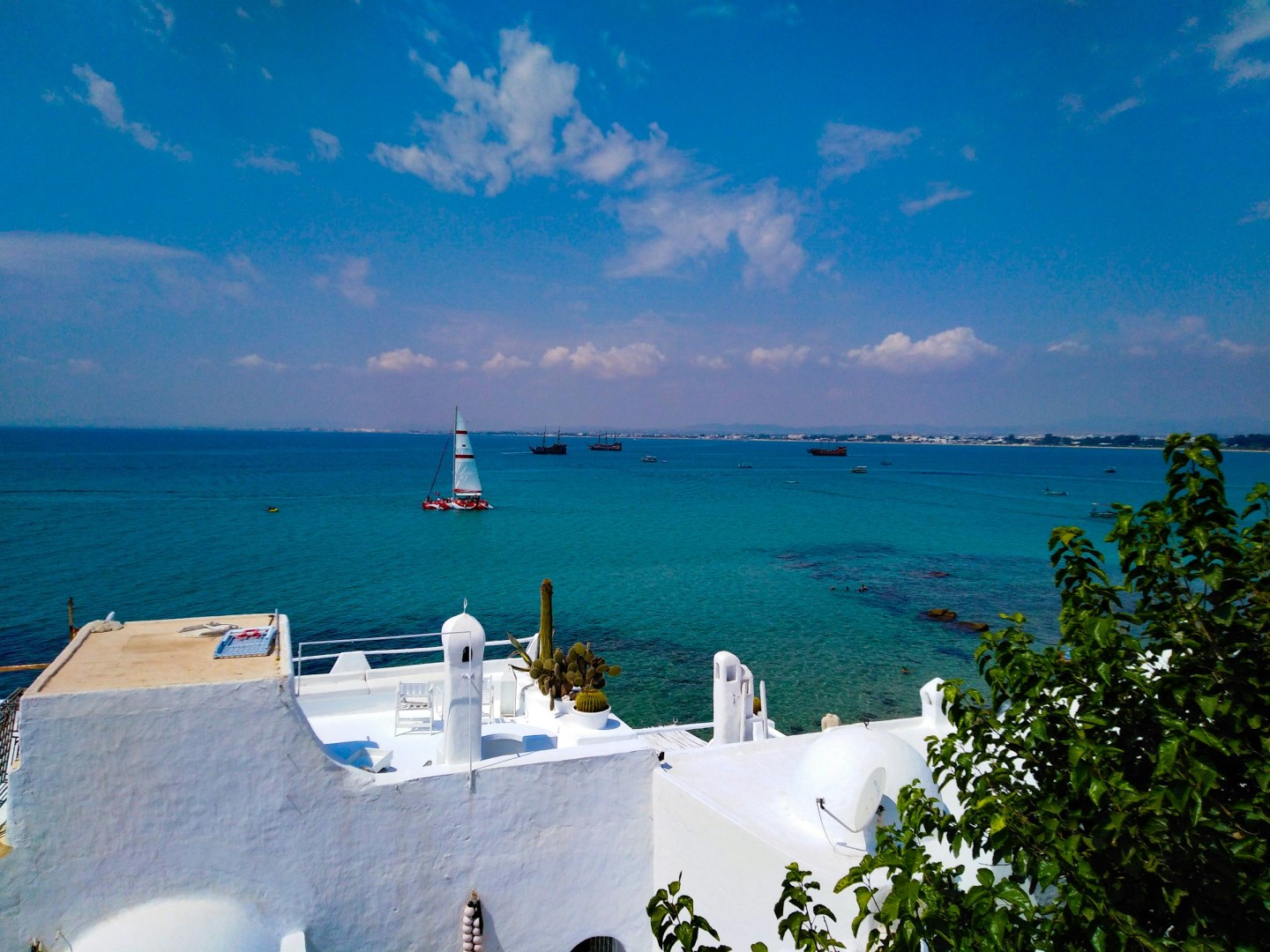
Hammamet is a coastal town on Tunisia’s Cap Bon peninsula, known for its sandy beaches, whitewashed houses, jasmine gardens, and historic medina beside the Mediterranean. The town combines a long-established fishing and agricultural identity with a major seaside tourism district, including Yasmine Hammamet to the south.
Perugia
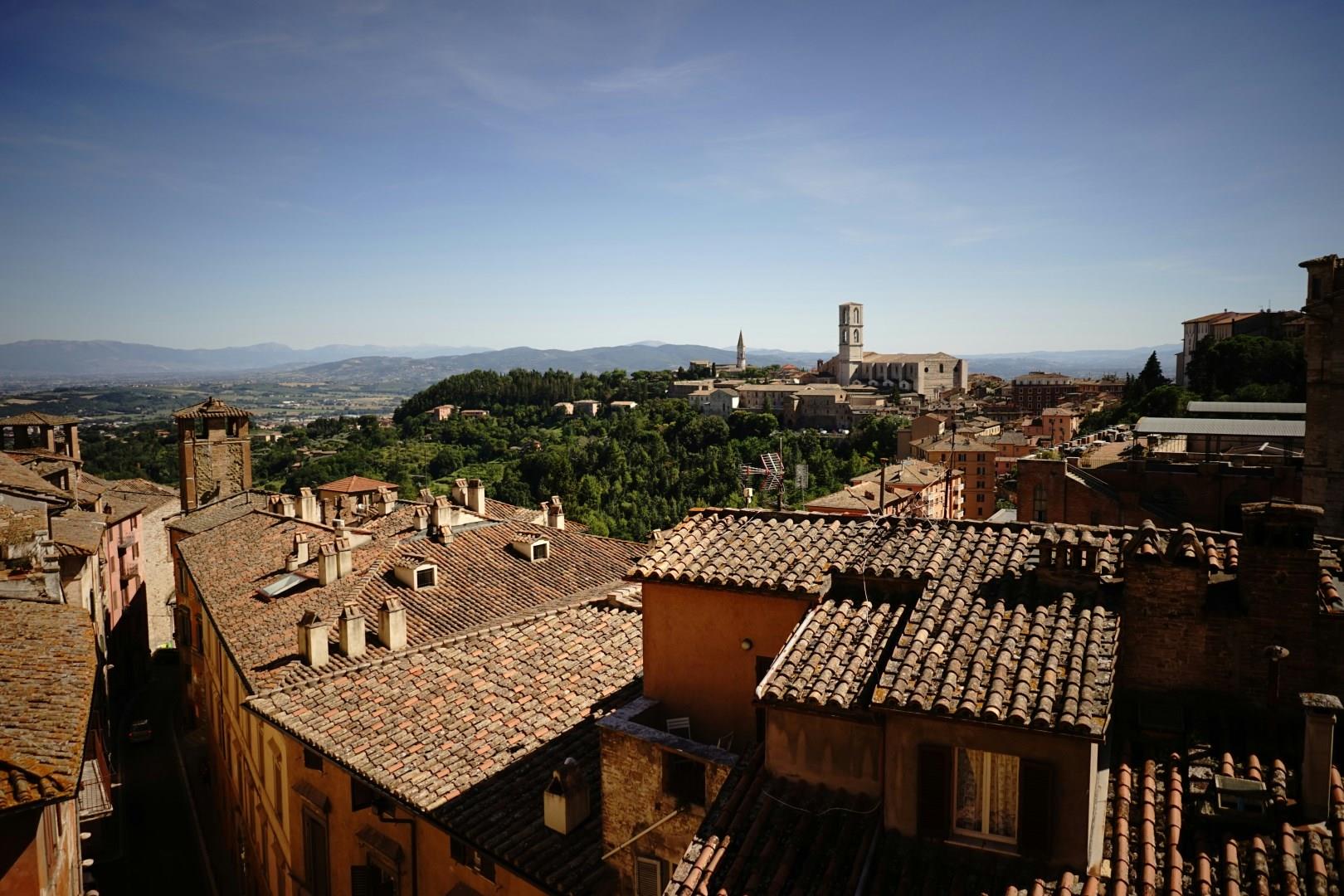
Perugia, the capital of Italy’s Umbria region, is a city built across hills and centuries. Originally settled by the Etruscans more than 2,500 years ago, it still holds remnants of their civilization, including one of the largest surviving Etruscan arches in Italy named Arco Etrusco, which greets visitors at the city’s entrance. Walking through the narrow streets of the historic center reveals layers of Roman, medieval, and Renaissance architecture, all woven together within ancient stone walls.
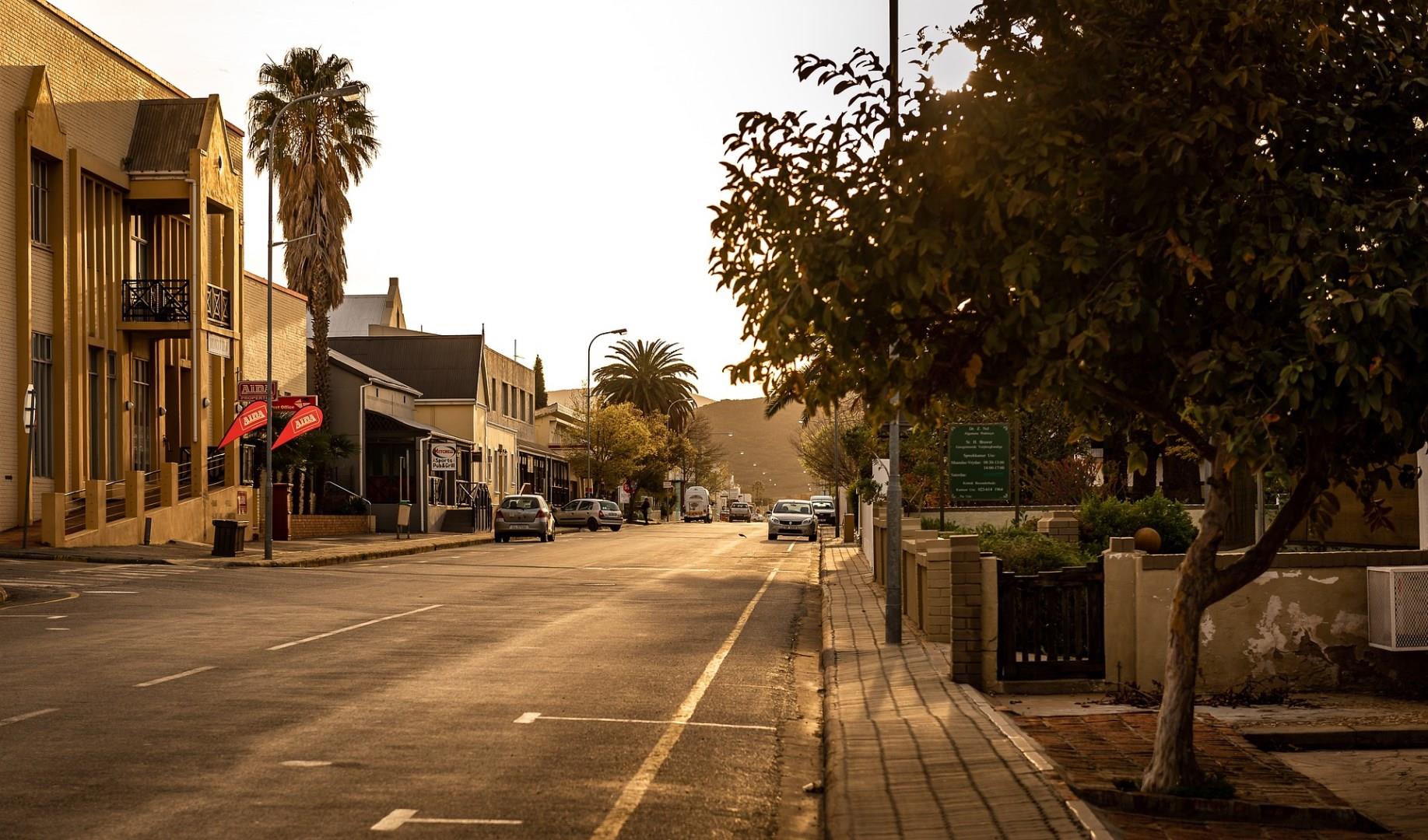
Montagu
Nestled in the heart of South Africa’s Western Cape, Montagu is a charming town renowned for its natural beauty and historical significance. Surrounded by rugged mountains and lush vineyards, Montagu is a gateway to the stunning Klein Karoo region. Visitors are drawn to its remarkable architecture, particularly the well-preserved Cape Dutch and Victorian buildings that line the streets, reflecting the town’s rich history.