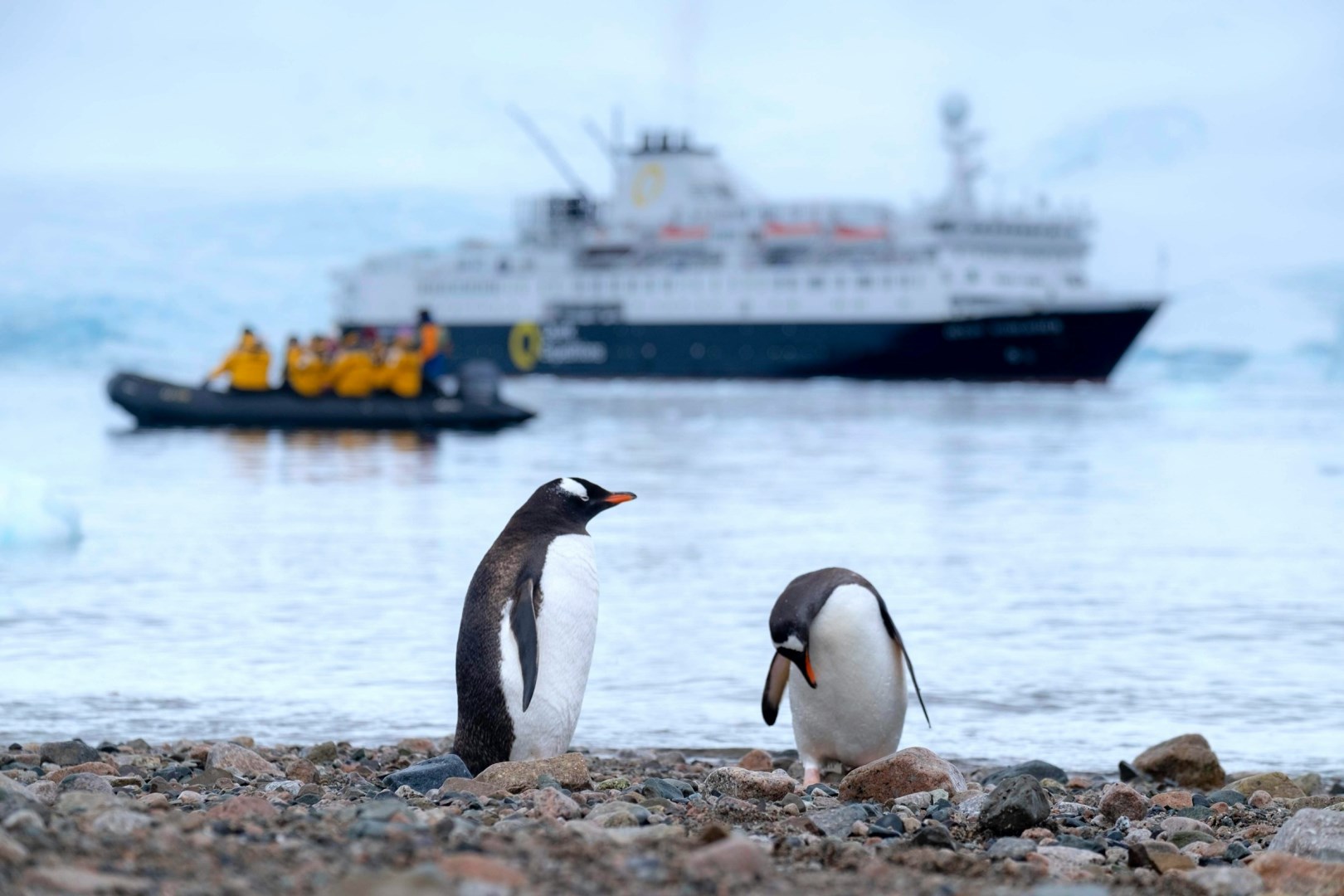
Danco Island
Danco Island also offers a close look at how Antarctic wildlife uses a small ice-covered island. Gentoo penguins establish colonies on rocky and snow-free areas, while the surrounding channel provides access to feeding grounds. The island’s exposed slopes and summit can be windy, and snow conditions may vary considerably between visits. Its compact landscape means that even a short excursion can reveal glaciers, mountains, sea ice, seabirds, and penguin colonies within a relatively small area.
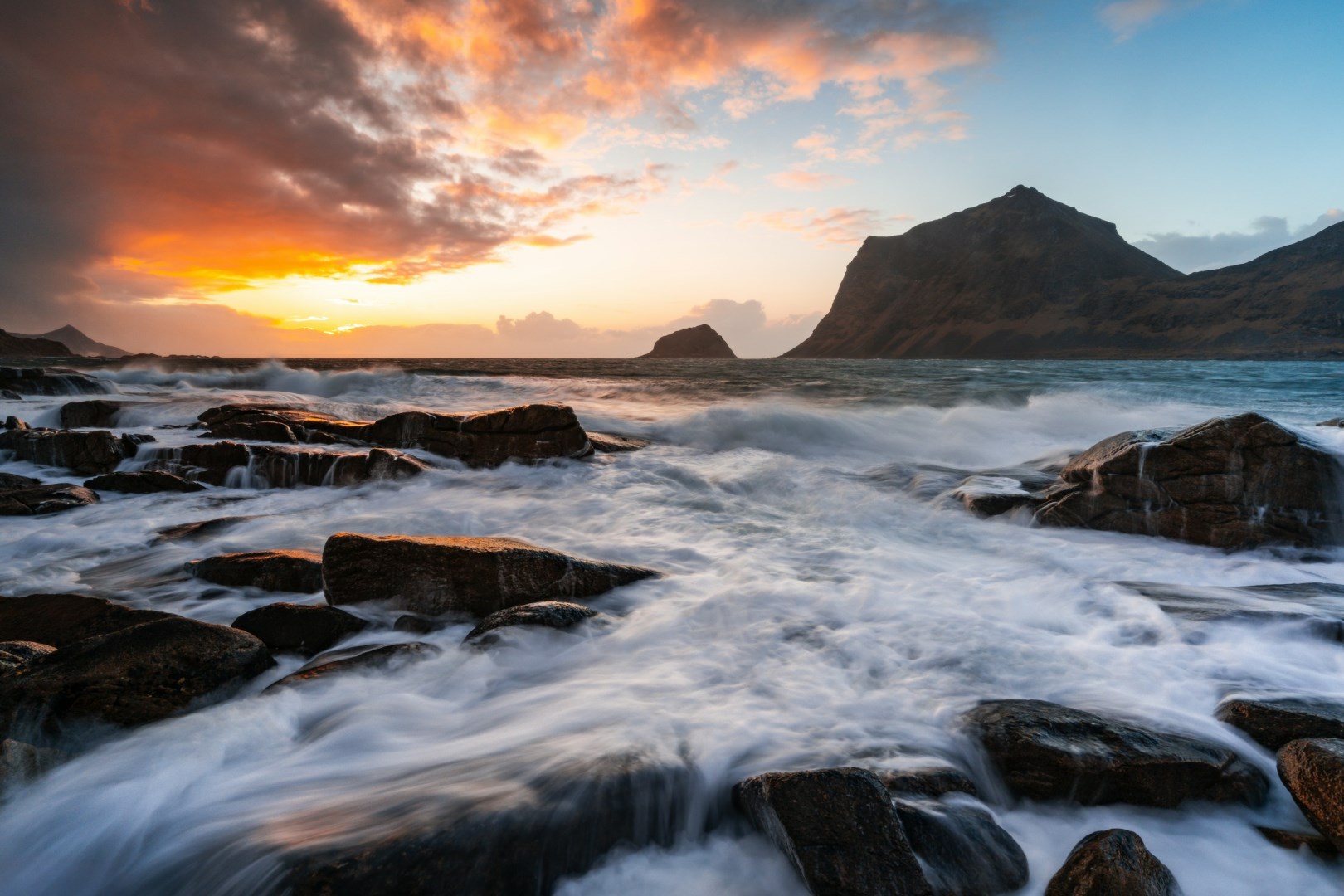
Leknes
Leknes sits in the heart of Norway’s Lofoten Islands, a small town shaped more by geography than by long urban history. It developed as a regional hub for farming, fishing, and transport, serving surrounding villages spread across Vestvågøy. Rather than presenting a preserved past, Leknes reflects contemporary life in the north, practical and closely tied to seasonal rhythms.
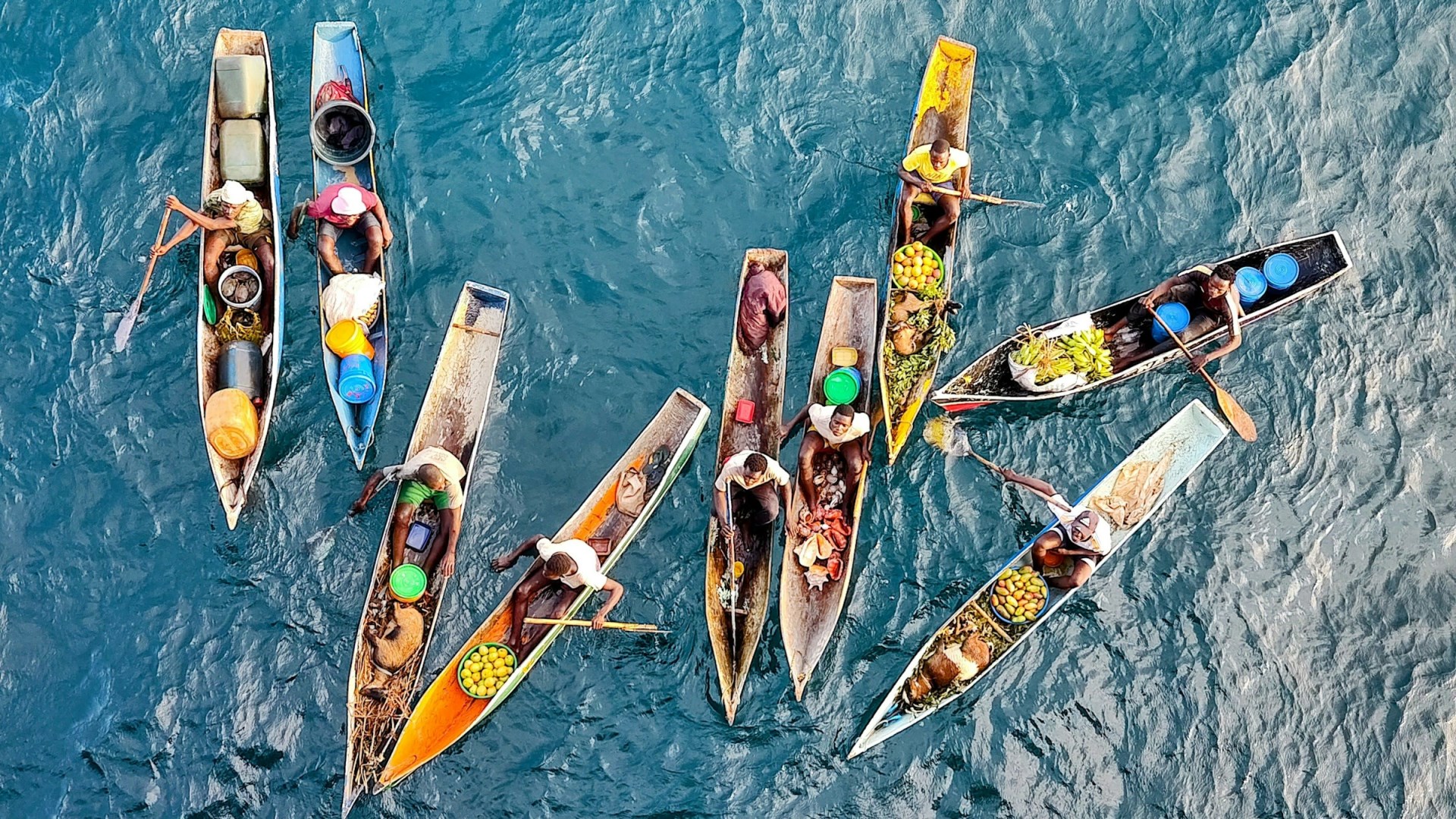
Nacala
Nacala is a port city on the northern coast of Mozambique, in Nampula Province, overlooking the Indian Ocean.
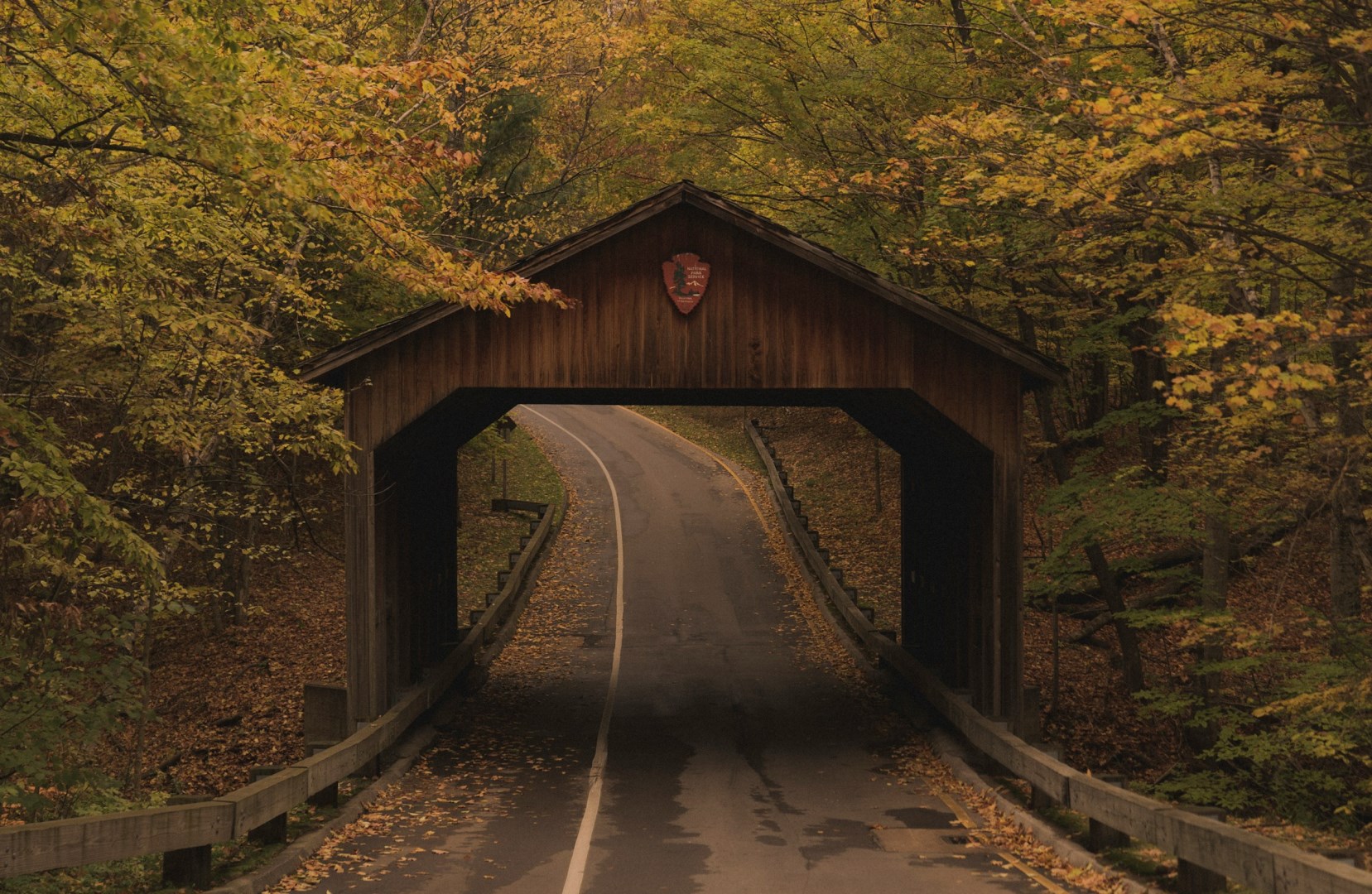
Sleeping Bear Dunes National Lakeshore
Sleeping Bear Dunes National Lakeshore occupies a long stretch of northwestern Michigan’s Lower Peninsula along Lake Michigan, protecting towering dunes, sandy beaches, forests, inland lakes, and steep coastal bluffs. The protected area extends across the Leelanau and Benzie county region and includes the Manitou Islands offshore. Its most recognizable feature is the Sleeping Bear Dune, which rises high above Lake Michigan and the surrounding landscape.
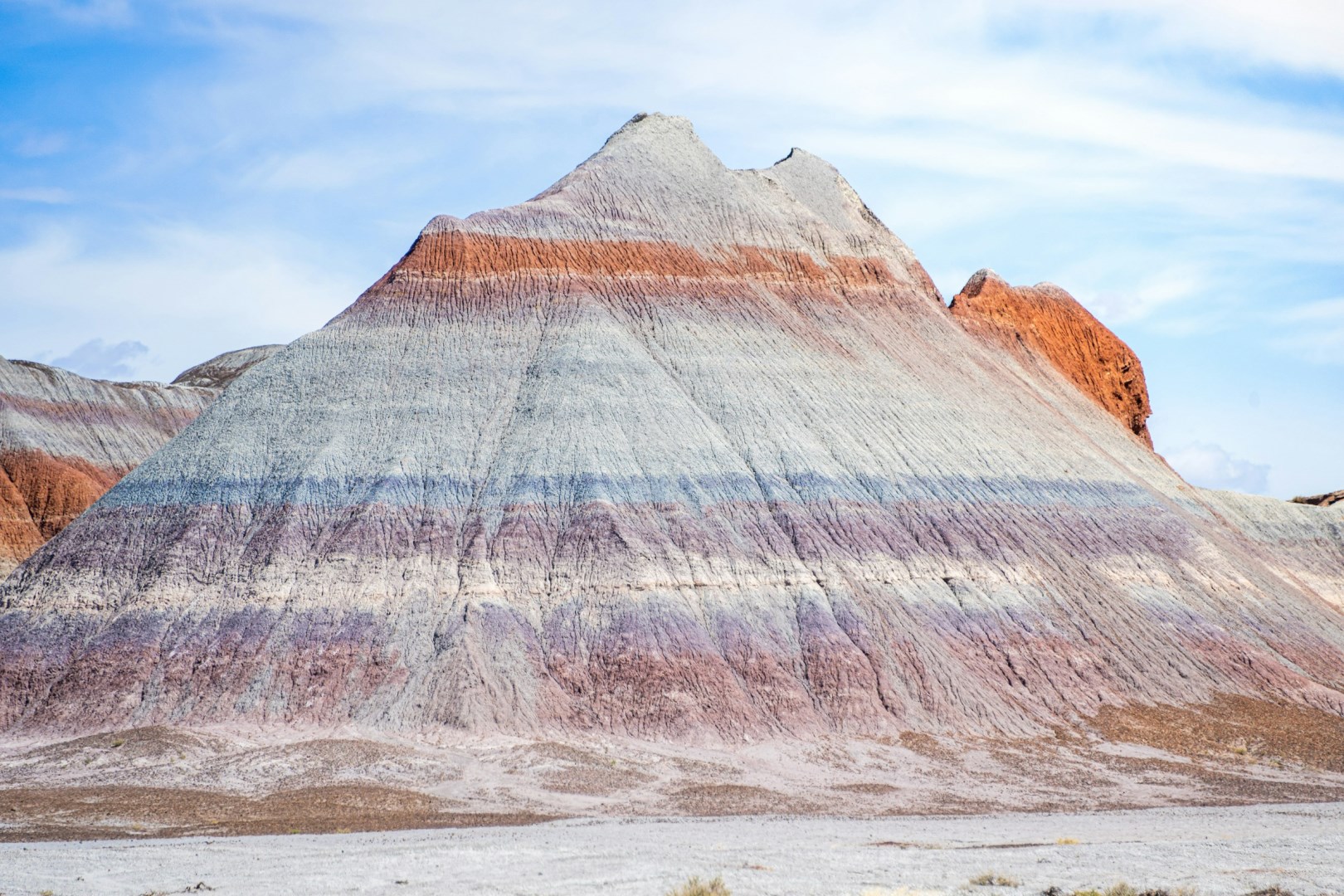
Petrified Forest National Park
Petrified Forest National Park stretches across the colorful high desert of northeastern Arizona, where grasslands, mesas, badlands, and ancient fossil deposits form an unusual landscape. The park is best known for its extensive petrified wood, much of it preserved from trees that lived in a river environment more than 200 million years ago.