Mozambique, stretching along the southeast coast of Africa, is a country celebrated for its long Indian Ocean shoreline, colorful traditions, and layered history. The country’s coastline is among its greatest treasures.
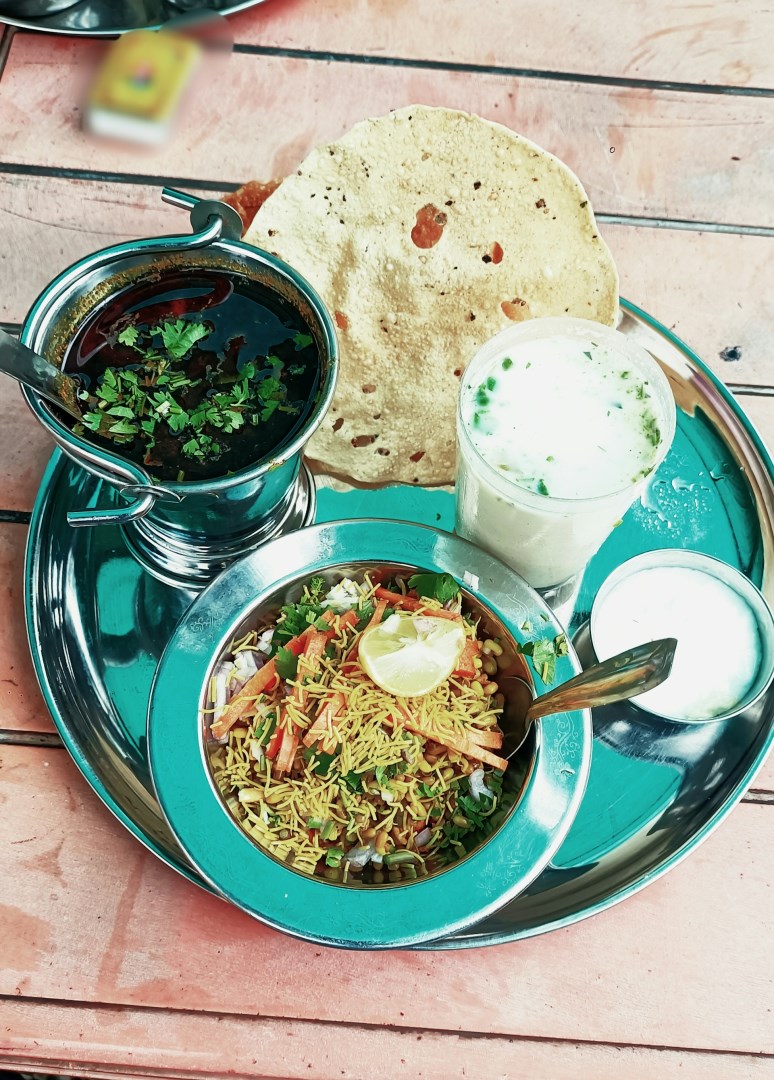
Aurangabad, now officially known as Chhatrapati Sambhajinagar, is a historic city in Maharashtra’s Deccan region, surrounded by dry hills, agricultural land, and the basalt landscapes of the Deccan Plateau. It is best known as a gateway to some of India’s most important rock-cut monuments, including the UNESCO-listed Ajanta and Ellora Caves. The city itself combines Mughal-era architecture, Buddhist cave sites, historic gateways, and traditional craft industries. I
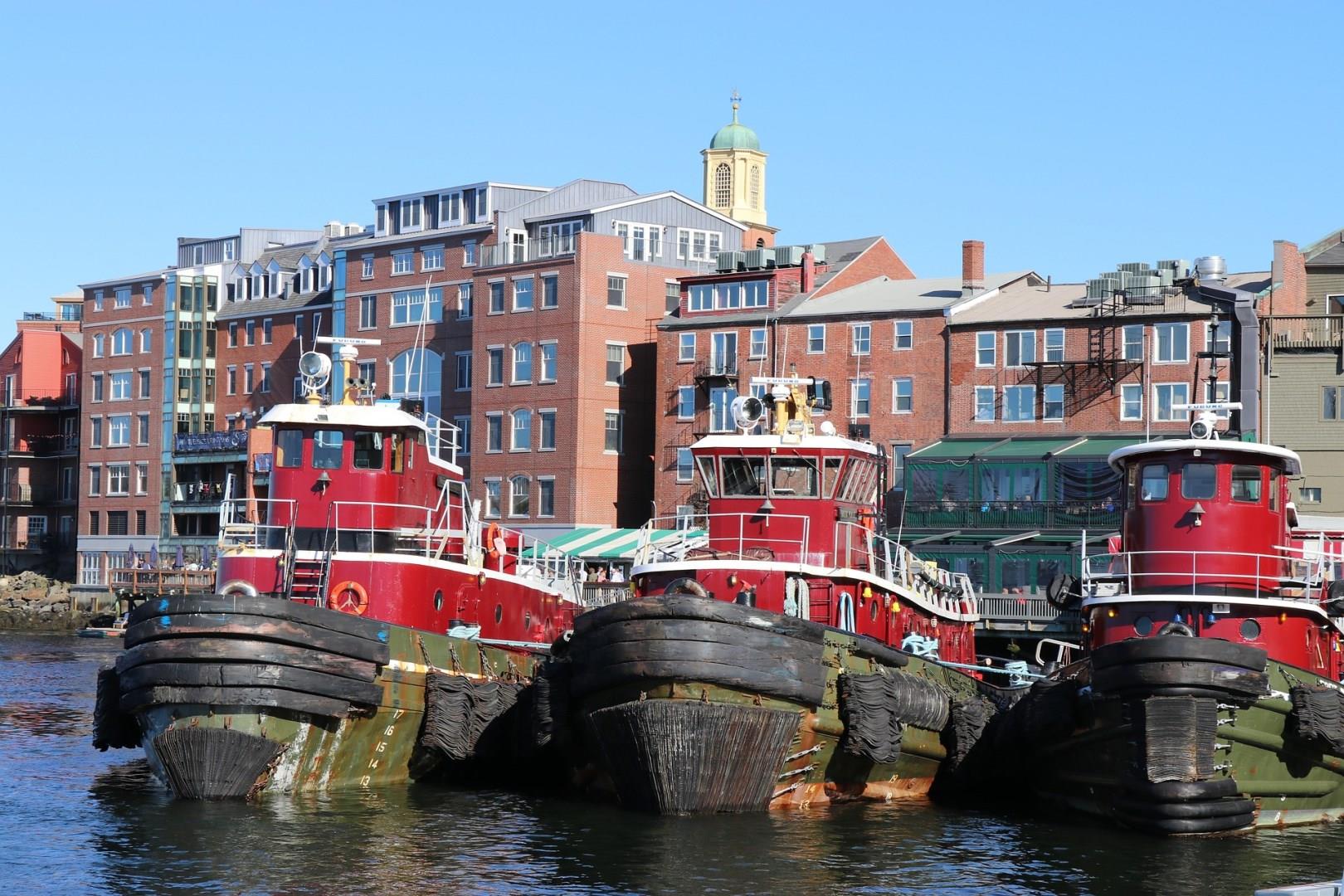
Portsmouth is a coastal city in southeastern New Hampshire, positioned along the Piscataqua River near the state’s short Atlantic shoreline. Its compact downtown is known for brick buildings, narrow streets, independent shops, restaurants, galleries, and a busy waterfront. The city’s maritime setting remains central to its identity, with working docks and views across the river toward Maine. Prescott Park provides gardens and open space beside the water, while nearby islands, beaches, and coasta
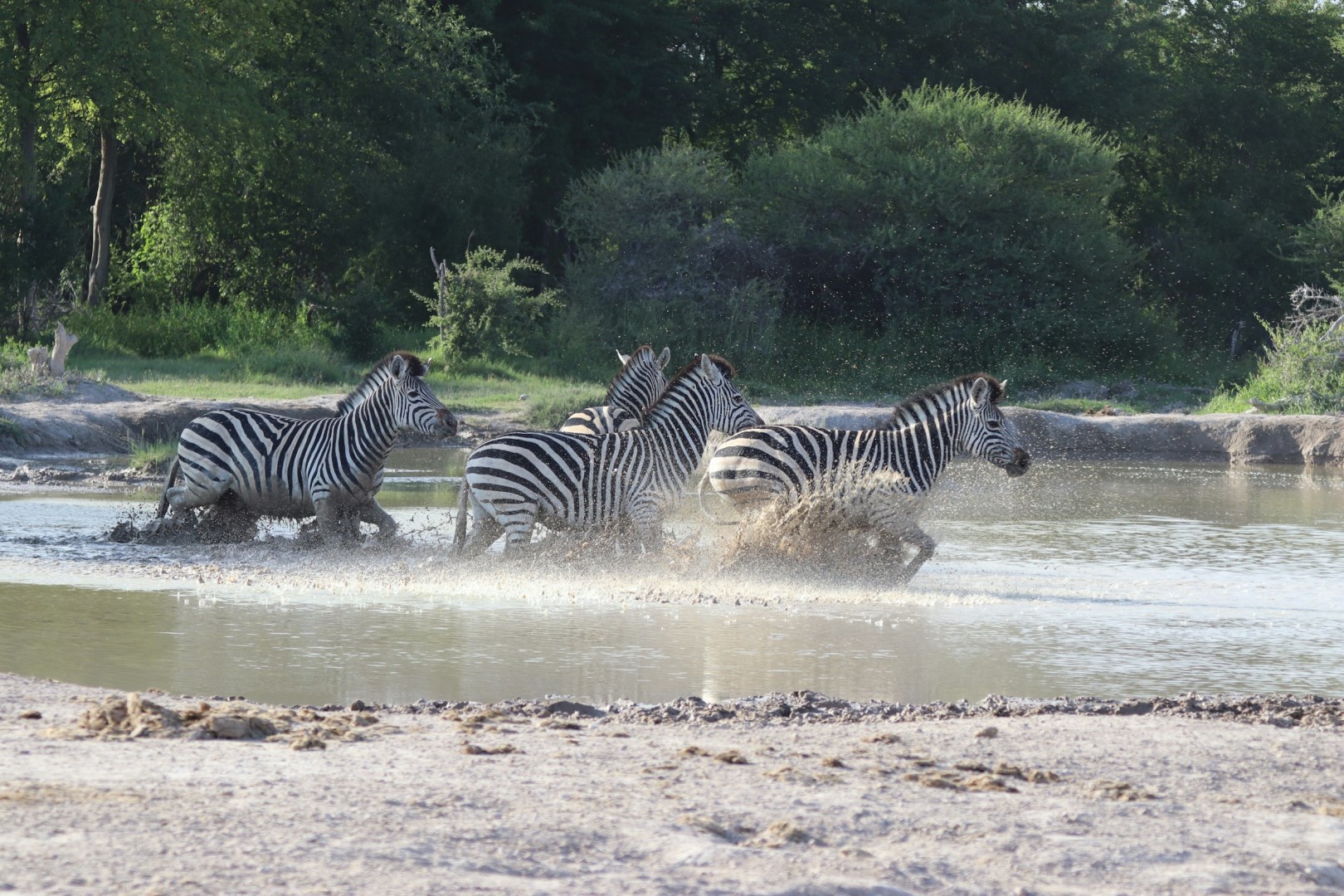
Nxai Pan National Park lies in northern Botswana as part of the wider Makgadikgadi pans landscape, covering about 2,100 square kilometers of grass-covered pans, acacia woodland, and open plains. The park occupies former salt lakes within the ancient Makgadikgadi basin, and its character changes significantly with rainfall.
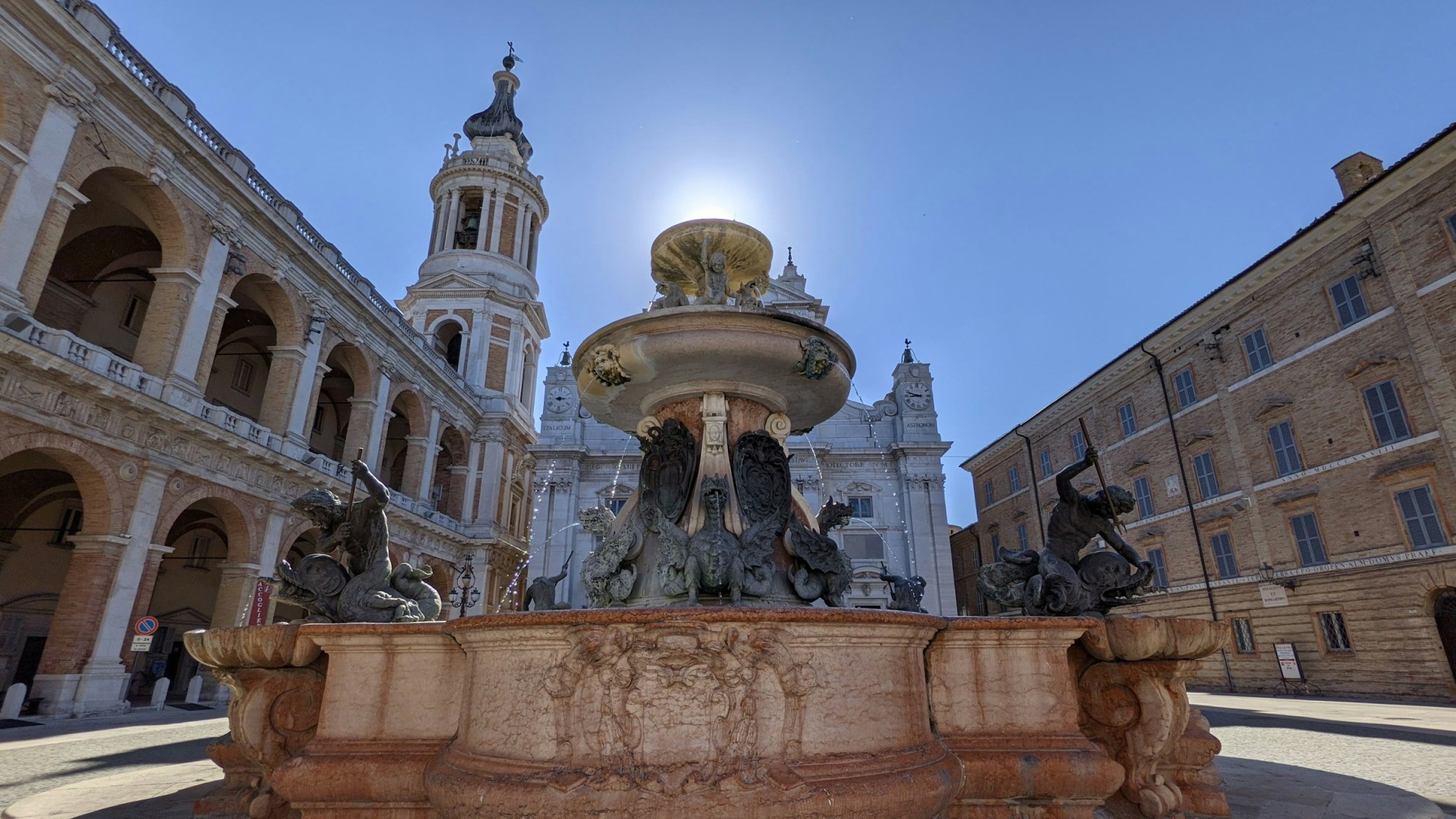
High on a hill, dominating the sea, Loreto is a small city that lives solely for the "Santa Casa", one of the most famous and revered monuments of Christianity. According to tradition, it was the Virgin Mary's birth house, which up until that time was kept intact and venerated in Palestine, then flown by angels from Nazareth to the Adriatic Coast and set on a green hill of laurels on the night of December 10, 1294; hence the name Loreto.
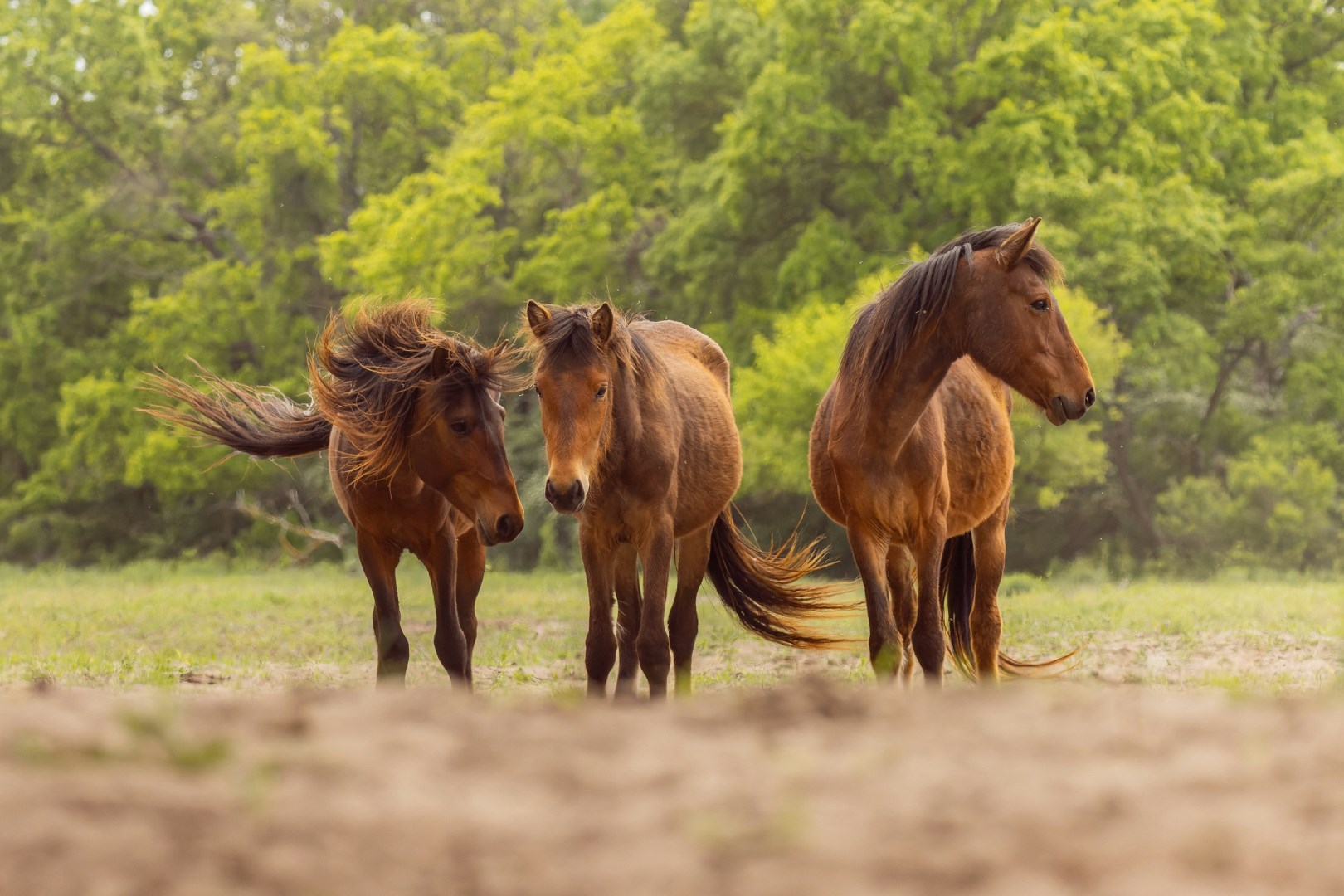
Photo Credit: Photo by Florentina Tilvic on Unsplash
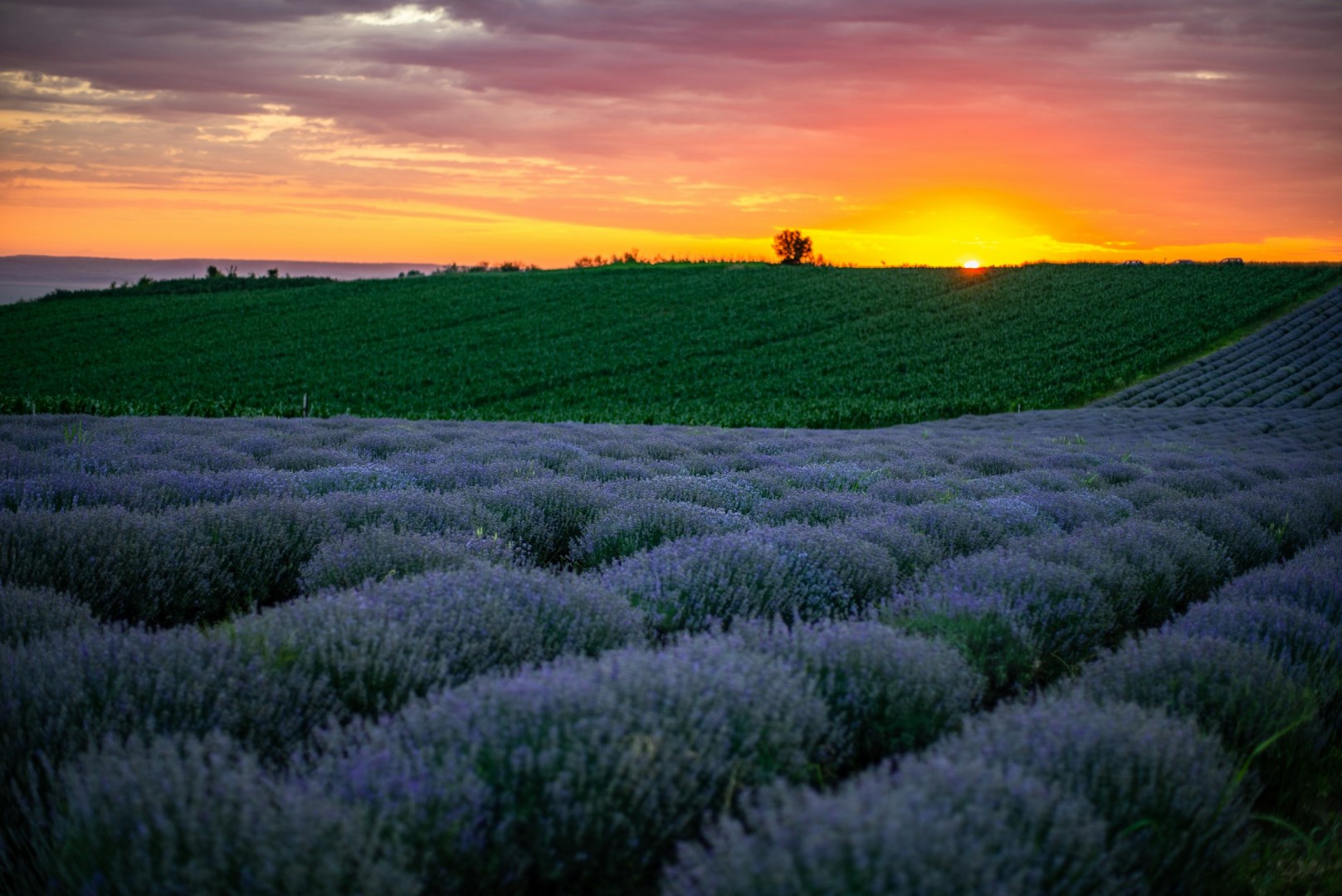
Photo Credit: Photo by Ghenadie Cebanu on Unsplash
Photo Credit: Photo by Gloria Cretu on Unsplash
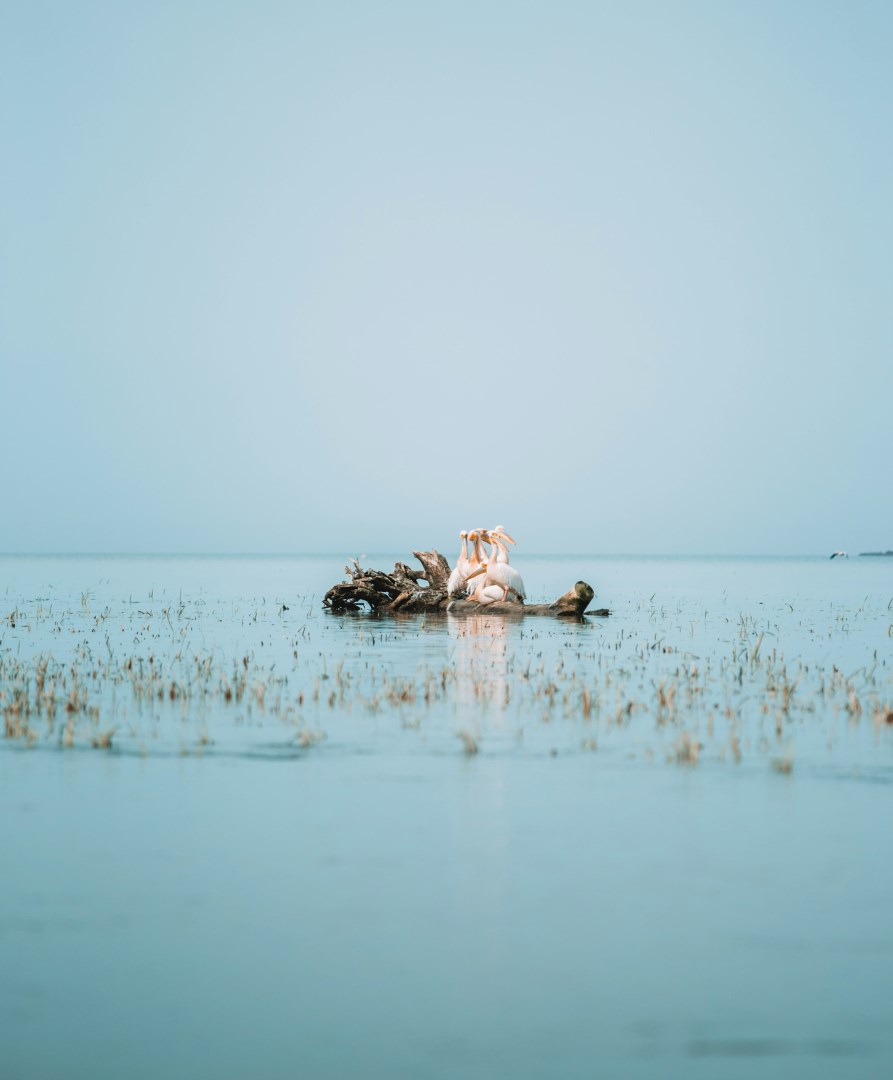
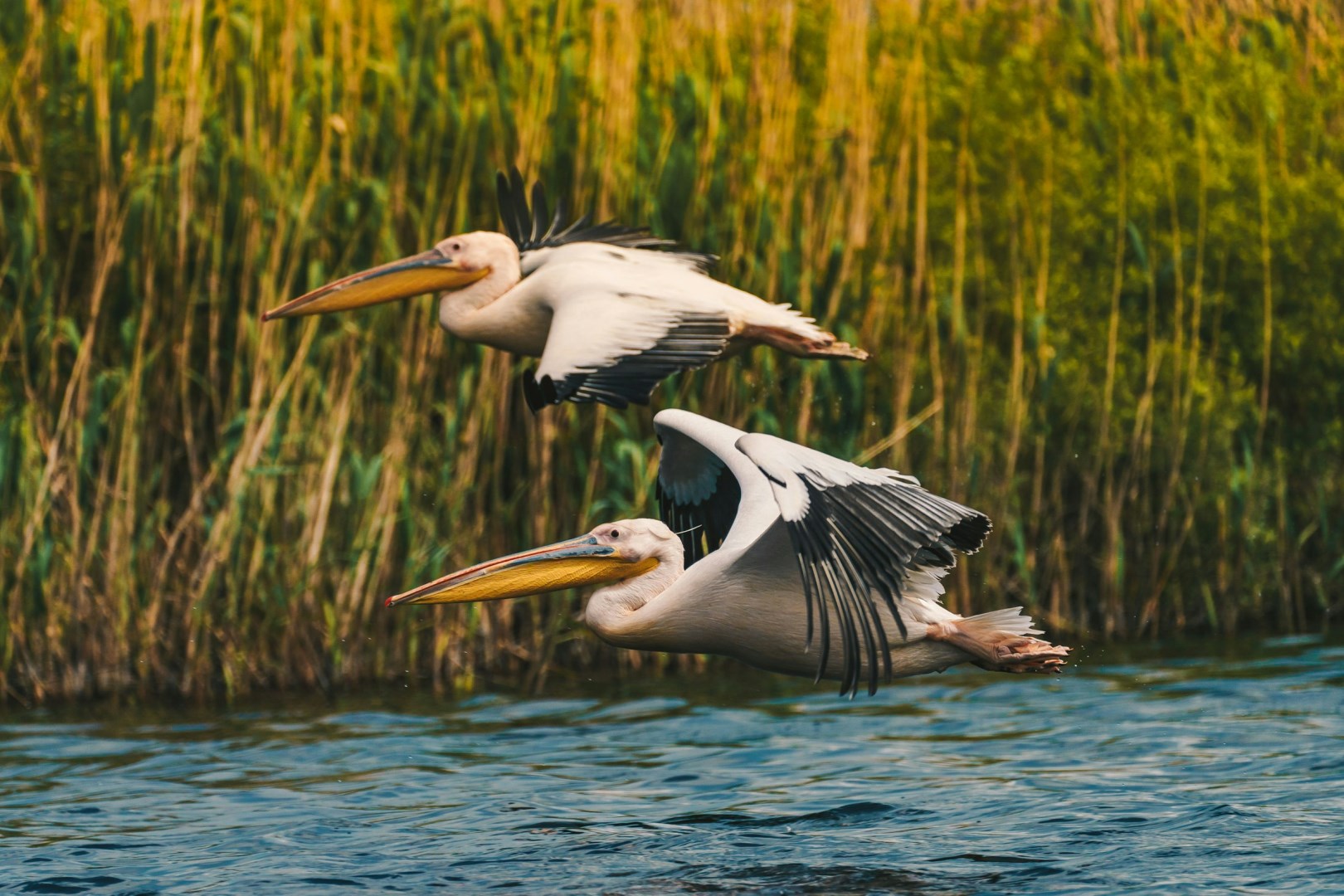
Pelicans in the Danube Delta
Photo Credit: Photo by CALIN STAN on Unsplash
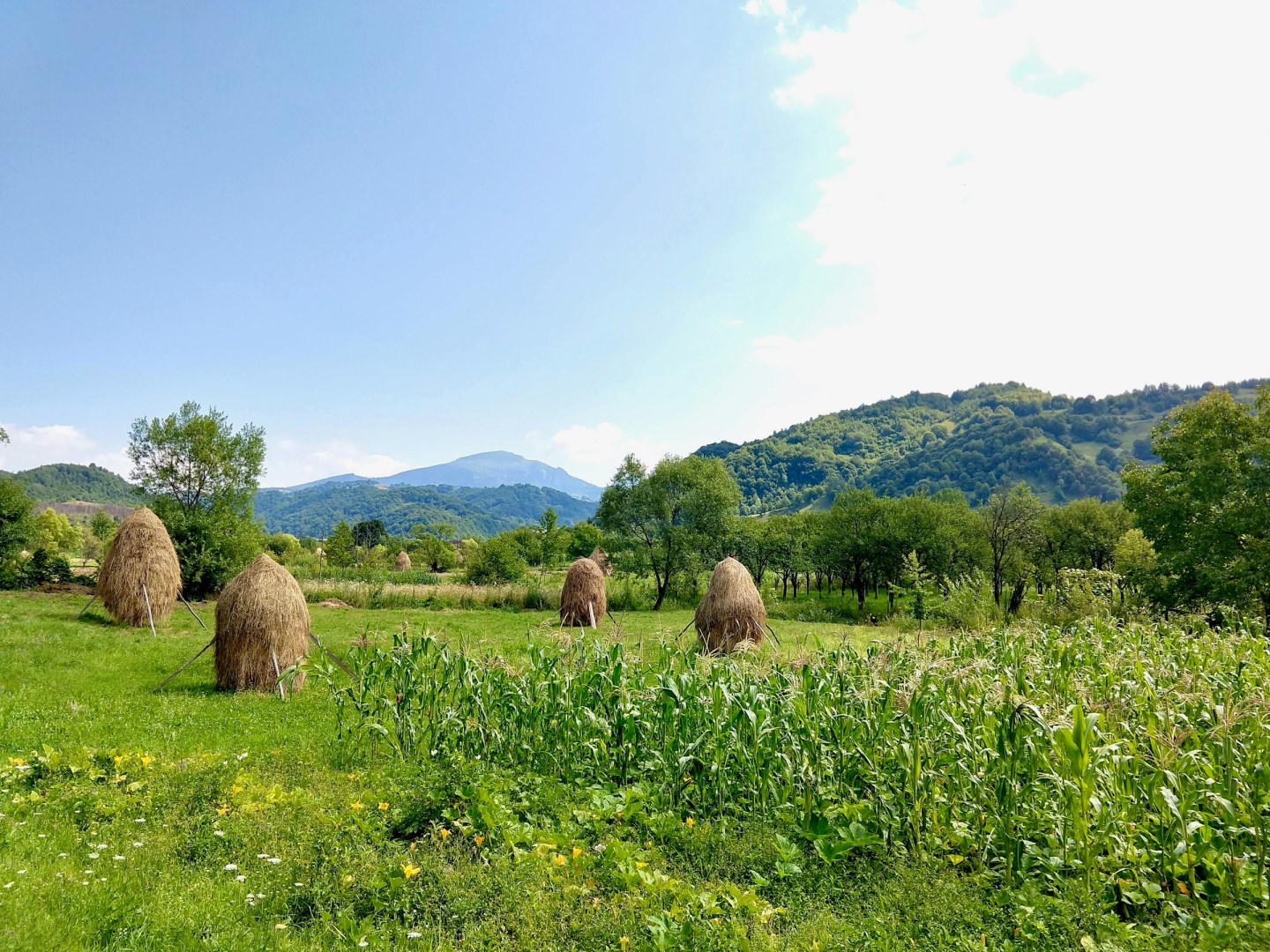
Groșii Țibleșului
Photo Credit: Photo by Amelia on Unsplash
Vârful Piatra Mare
Photo Credit: Photo by Diana Spatariu on Unsplash
In December 1989 Romania was reborn as a free nation. Now this multifaceted country is welcoming tourists to enjoy a wonderfully varied heritage of traditional culture, scenic splendors and leisure opportunities. A resurgence of endeavor and enthusiasm is re-invigorating the country's tourist facilities to create a unique holiday destination.
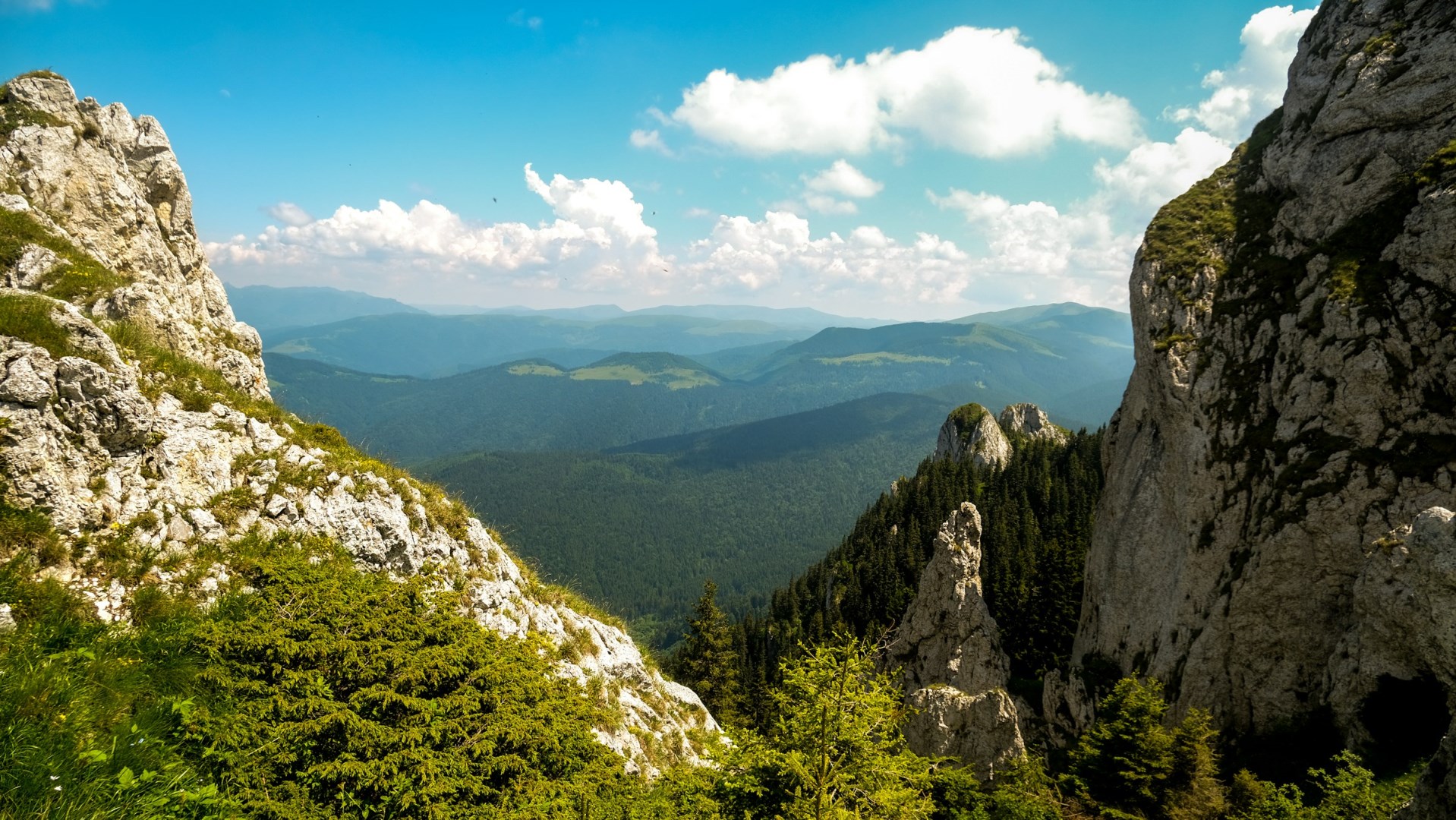
There's a wealth of things to do and see in Romania with an intensive range of activities and places to visit. You can ski at traditional or purpose-built mountain resorts or laze in the hot sun on the Black Sea beaches comparable to those on the Mediterranean. You can hike through unspoilt landscapes, where rivers run clear, or take a boat in the 5,640 sq km (2,200 sq miles) water wilderness on the Danube Delta, of which 4,340 sq km (1,695 sq miles) in Romania to watch pelicans and other rare birds among floating reed islands. Or you can enjoy the architecture, museums and galleries of the cities.
The very name 'Romania' reminds us that ancient Rome exercised a decisive influence on this country and monuments of that era remain. There are feudal fortresses, Byzantine "painted" monasteries and decorated village houses to be admired, while "Dracula's" castle is only one among many other fascinating castles and palaces.
You can watch folk festivals in Transylvania that are genuine expressions of local culture, not merely staged for visitors. When you buy local crafts- like woodcarvings or ceramics you are buying things made to give pleasure in their use, not just throwaway souvenirs. One of many extraordinary aspects of this country is its vibrant rural culture, which for decades the outside world heard little about. Not that Romania's heritage is merely one of folk art! Bucharest used to be called the "Little Paris", and with good reason!
Today first class opera and concerts, permanent art exhibitions, like that of the sculptor Brancusi, fine Museums and galleries are all symptomatic of the new Romania's sophisticated artistic sensibilities.
Better still this is all backed up by the comfort of a widening range of hotels and restaurants, good internal communications by air, train and bus, and surprisingly low prices. Even going to the opera is remarkable value; and as for local delicacies and Romanian wines! Romania is on the move. Come and see for yourself.
Popular Destinations in Romania
Bucharest
Tree-lined avenues, grand architecture, and the imperative to live well defines Bucharest, a bustling city that is rebounding and expanding. In the 1900s, this vibrant Romanian capital was nicknamed "Little Paris" and that jubilant, raise-a-glass spirit carries over to this day.
Braşov
Nestled in the heart of Romania, Brașov is a charming city that effortlessly blends medieval history with stunning natural beauty. Encircled by the Carpathian Mountains, Brașov's well-preserved medieval architecture and vibrant cultural scene make it a must-visit destination.