Newcastle is the capital of the Hunter Valley Region, in New South Wales. Lakes, beaches, rivers and bays, combine with lush countryside to make the Hunter region surrounding Newcastle almost unlimited in its appeal.
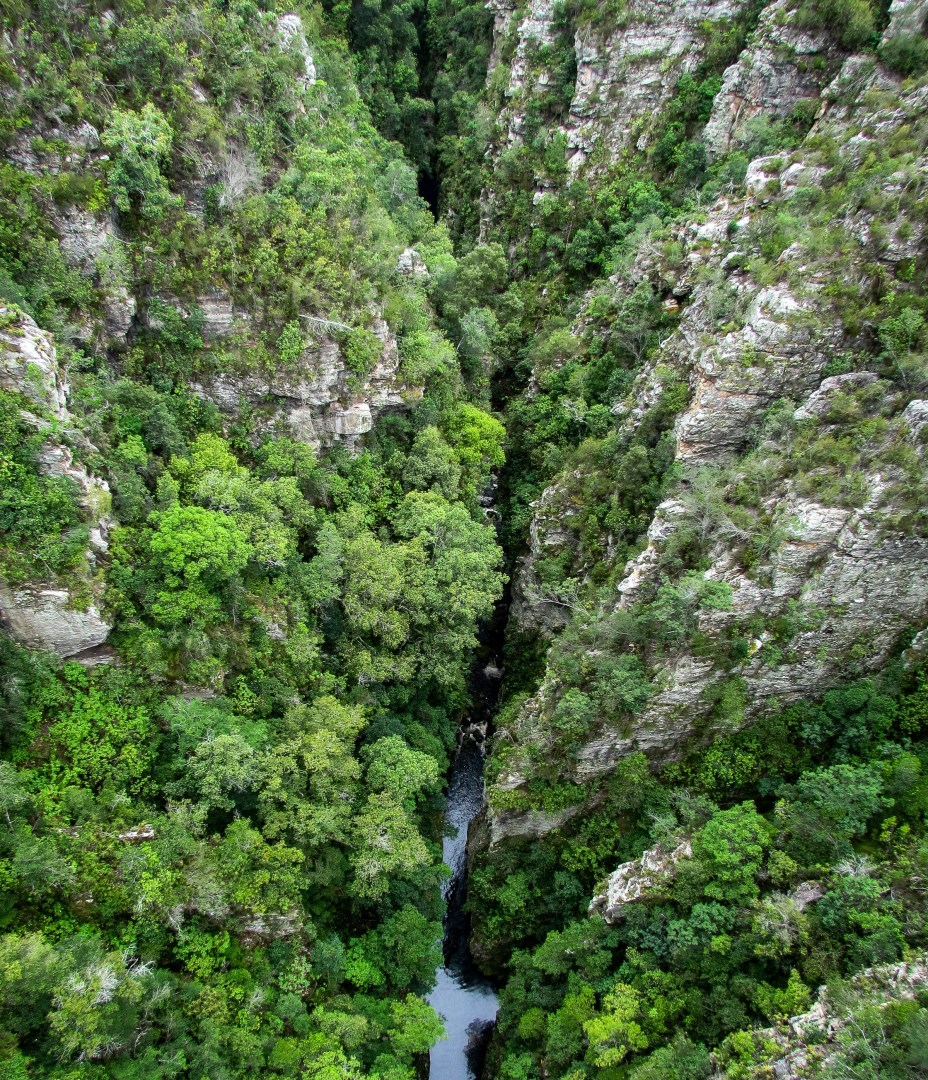
A natural paradise of lush indigenous forests, tranquil lakes and golden beaches adorns South Africa's unspoilt southern coast. Nestling on the banks of a shimmering lagoon in the heart of this "Garden Route" is the picturesque town of Knysna. Beaches, lakes, mountains and rivers provide endless opportunity for leisure and outdoor adventure. Within the town, craft shops, flea-markets and cosy cafe’s beckon with small-town charm and hospitality.
Nestled in the heart of Quebec, Saguenay is a city that invites travelers to experience the perfect blend of natural beauty and vibrant culture. Set along the picturesque Saguenay River, this city is a gateway to the Saguenay Fjord, one of the longest fjords in the world, where steep cliffs rise dramatically from the deep waters.
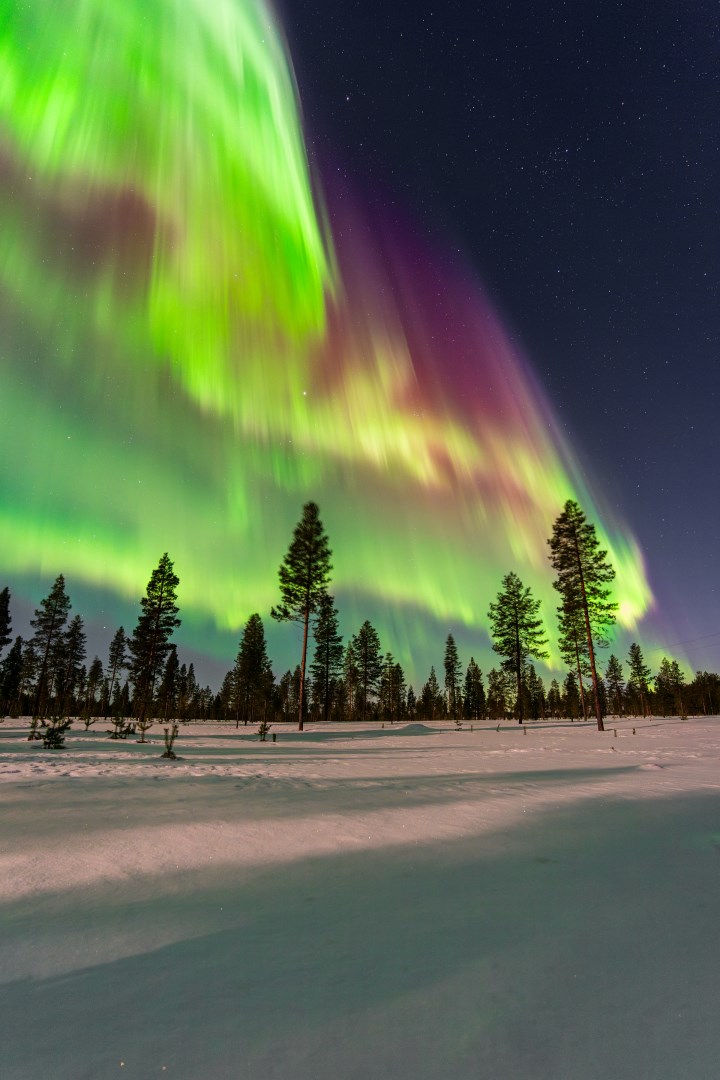
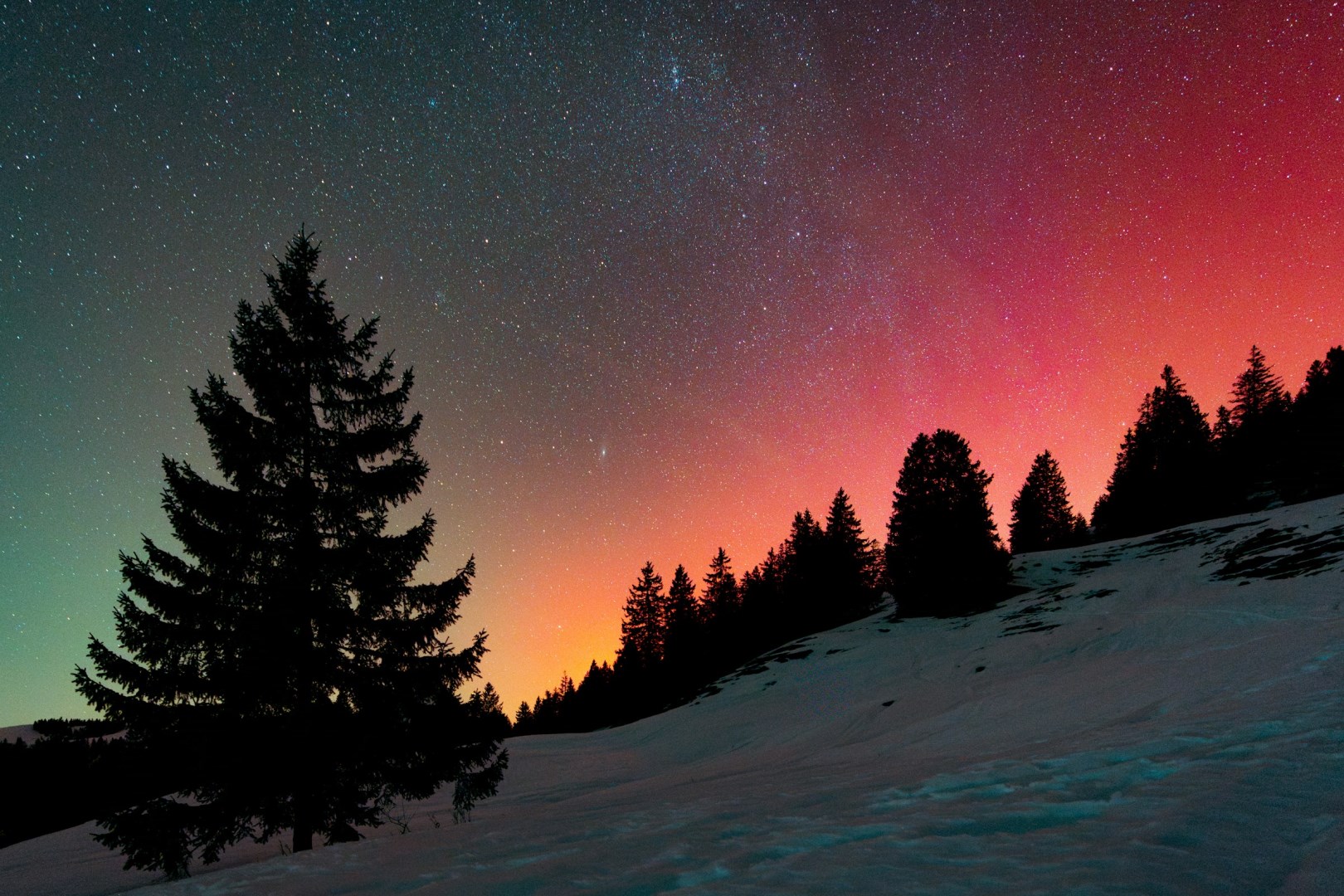
Kittilä is a municipality in Finnish Lapland, extending across a broad area of forests, rivers, wetlands, and open fells north of the Arctic Circle. The municipal center lies along the Ounasjoki River, while smaller villages and settlements are scattered through the surrounding wilderness. Kittilä is closely associated with Levi, one of Finland’s best-known fell resorts, but the municipality extends well beyond the resort area into quieter rural landscapes.
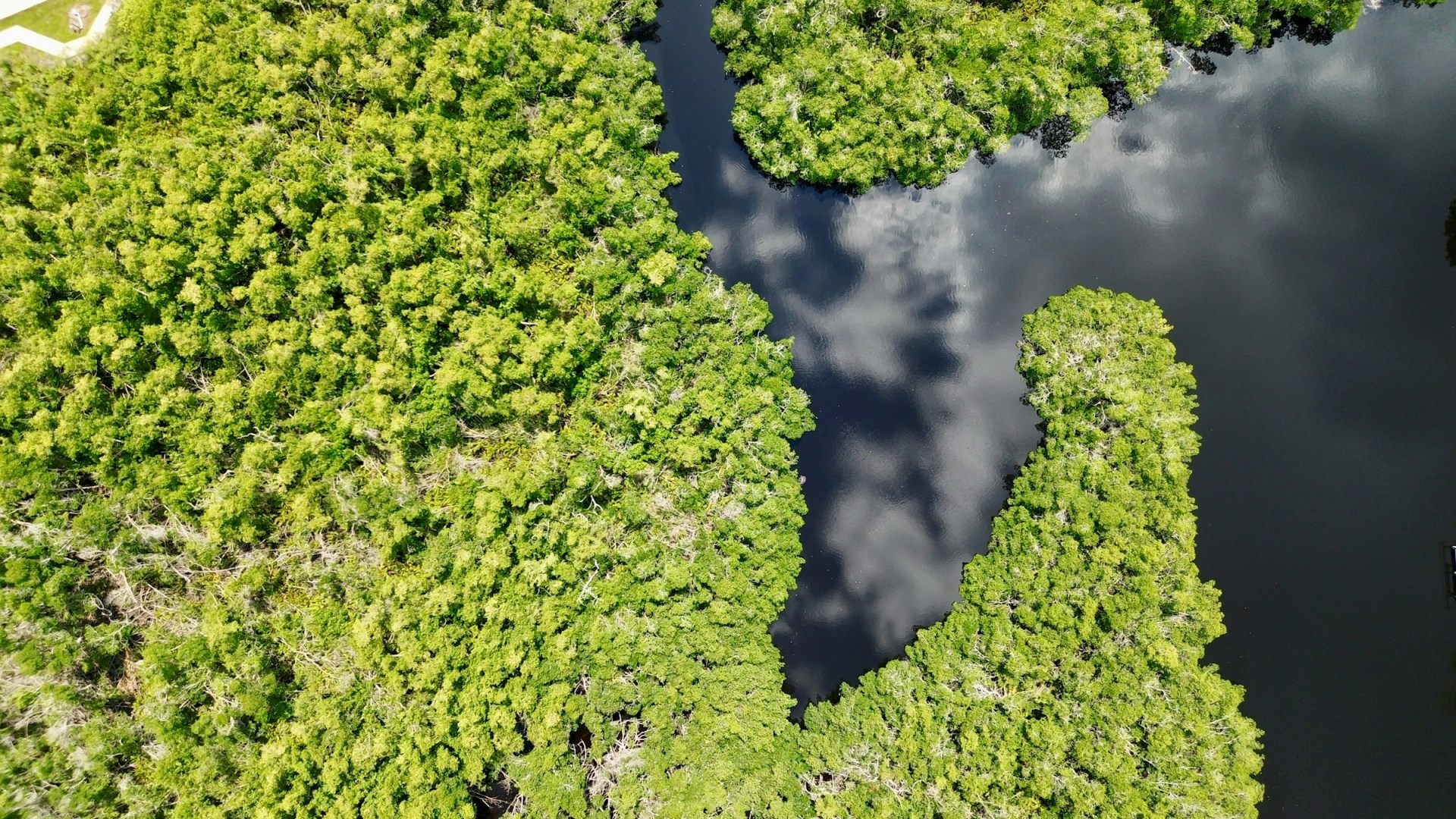
Cape Coral is a large coastal city in Southwest Florida, occupying a peninsula between the Caloosahatchee River and Matlacha Pass. Its most distinctive feature is an extensive network of more than 400 miles of canals, many connecting with the Caloosahatchee River and Gulf waters. The city was developed as a planned waterfront community, with broad streets, residential neighborhoods, parks, and numerous properties along canals.
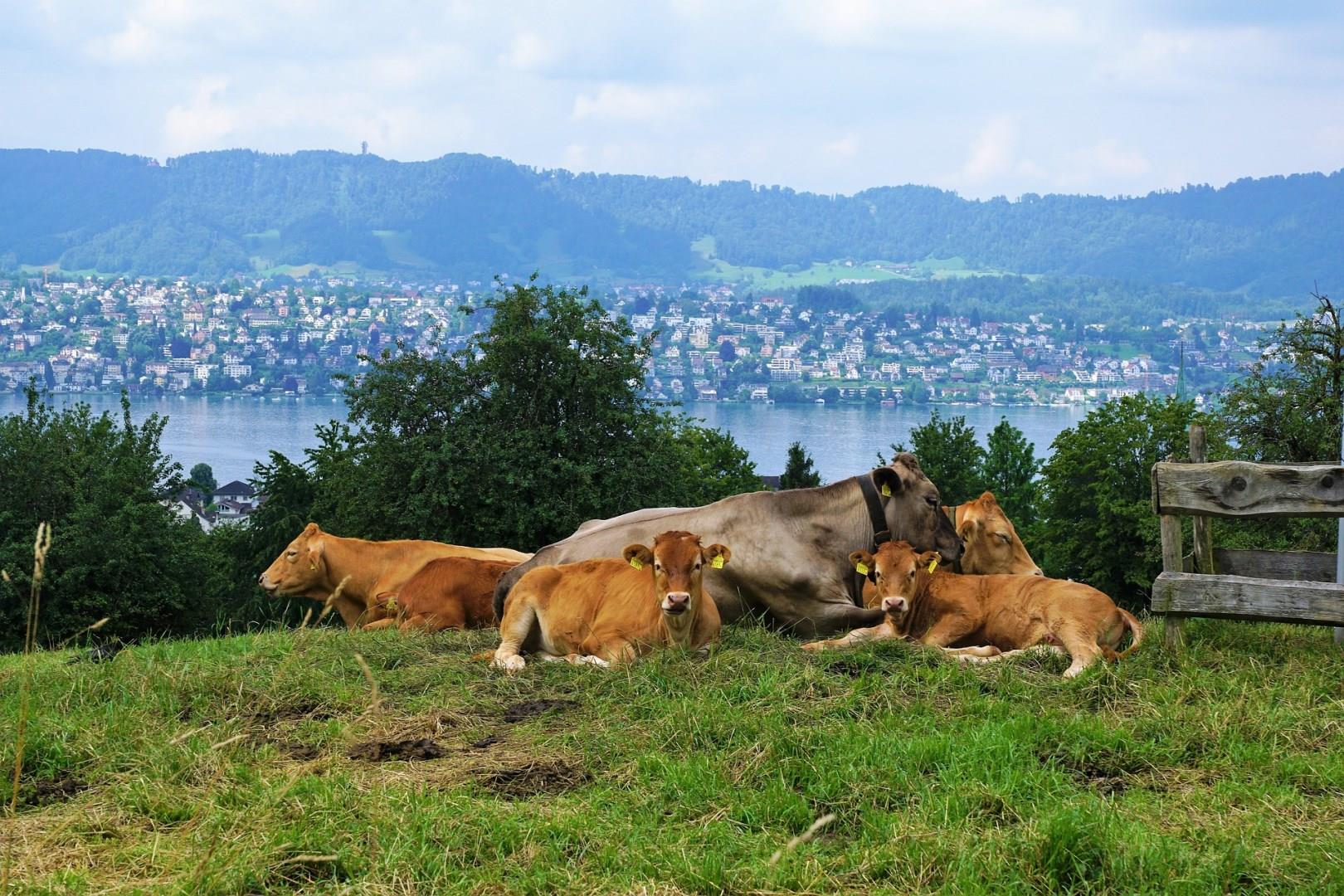
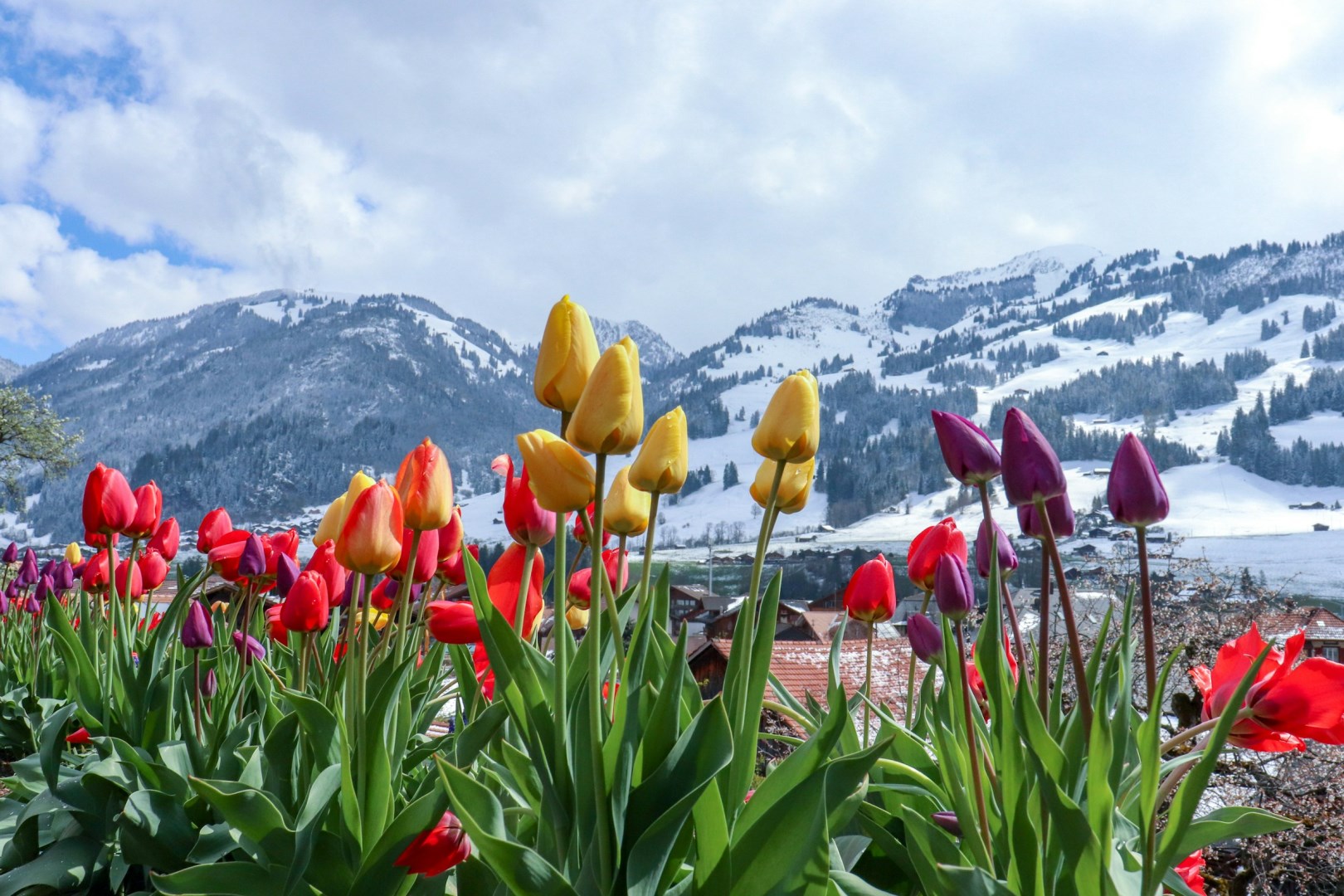
Photo Credit: Photo by Dustin Balictar on Unsplash
Photo Credit: Photo by Martin Adams on Unsplash
Switzerland's daily life appears to be full of contradictions: the old and the new, natural beauty and industrial production, neutrality and international frankness. These sharp contrasts go hand in hand, and this unity is the real reason that this small country in the heart of Europe has developed into such an important communication and trading partner in the world today. It is Switzerland's contrasts - its diversity which attracts both the businessman and the tourist alike.
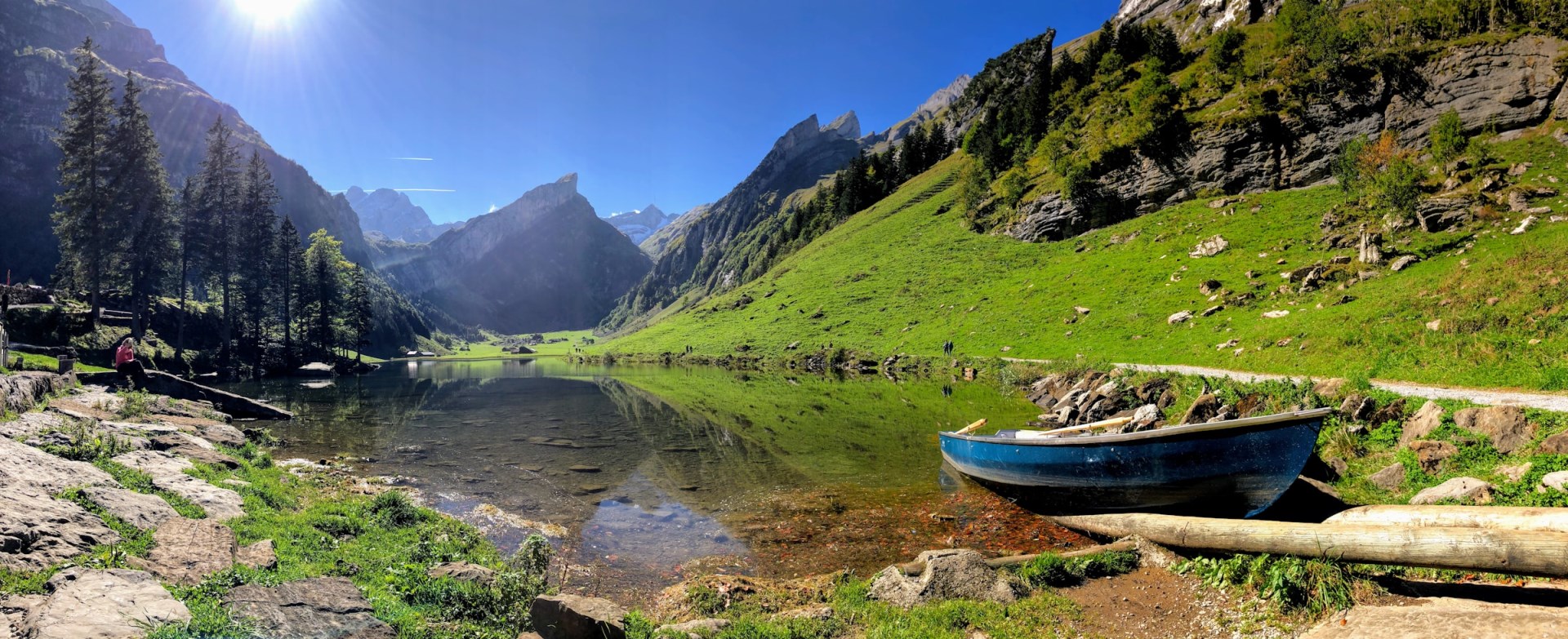
Lofty alpine landscapes, splendid ski-fields and crystal clear mountain lakes contrast with the Mediterranean ambience of the south; an internationalism that is well and truly practiced, the fascinating heritage and rich traditions of a remarkable people, the patrician old world standing proudly side-by-side a modernity that is quite avant-garde.Switzerland is so much more than the innate pragmatism of such superior inventions as banking, life insurance and timeless timekeeping would
suggest. After all, the same practical minds concocted the world's most delectable chocolate.
In an effort to protect its traditional rights and foster a national identity, Switzerland established a democracy, nearly seven hundred years ago. Today, this tiny land-locked country has the world's oldest democracy and its mechanisms have become a blueprint for the free world.
The constitutionally authoritative network of 24 cantons is further divided into self-administrative regions known as communes. The whole seemingly complex system actually translates into a working democratic tradition in its purest form - government by the people for the people. Neutrality - declared as a means of self-preservation in the 16th century - may be the foundation of the Swiss politic and an unequivocal stance that has prompted many worldwide humanitarian organisations to base themselves there, but multi-culturalism is the way of life. This is revealed in an enormous, dynamic diversity within Swiss borders in part due to the regionalisation and their respective traditions, customs and festivals and to the predominance of three strong cultures - German, French and Italian. The delightful characteristics of each permeated the individual villages, cities and towns of each canton creating a unique national culture. There are four national languages: Swiss-German, French, Italian and the rare Romansch whilst over 700 dialects add even more colour to the mix.
No matter where the location from rustic villages high in the snow-capped Alps, to the majestic shores of picture perfect lakes, the pure mountain air and fresh vistas of the Jura, bustling Zurich and rarefied Geneva, the warmest of welcomes awaits. Swiss hospitality is legendary.
Popular Destinations in Switzerland
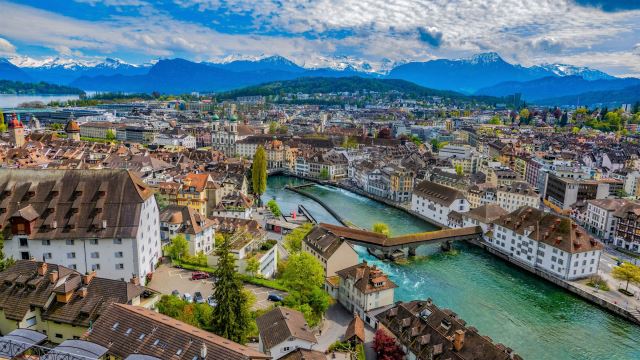
Lucerne
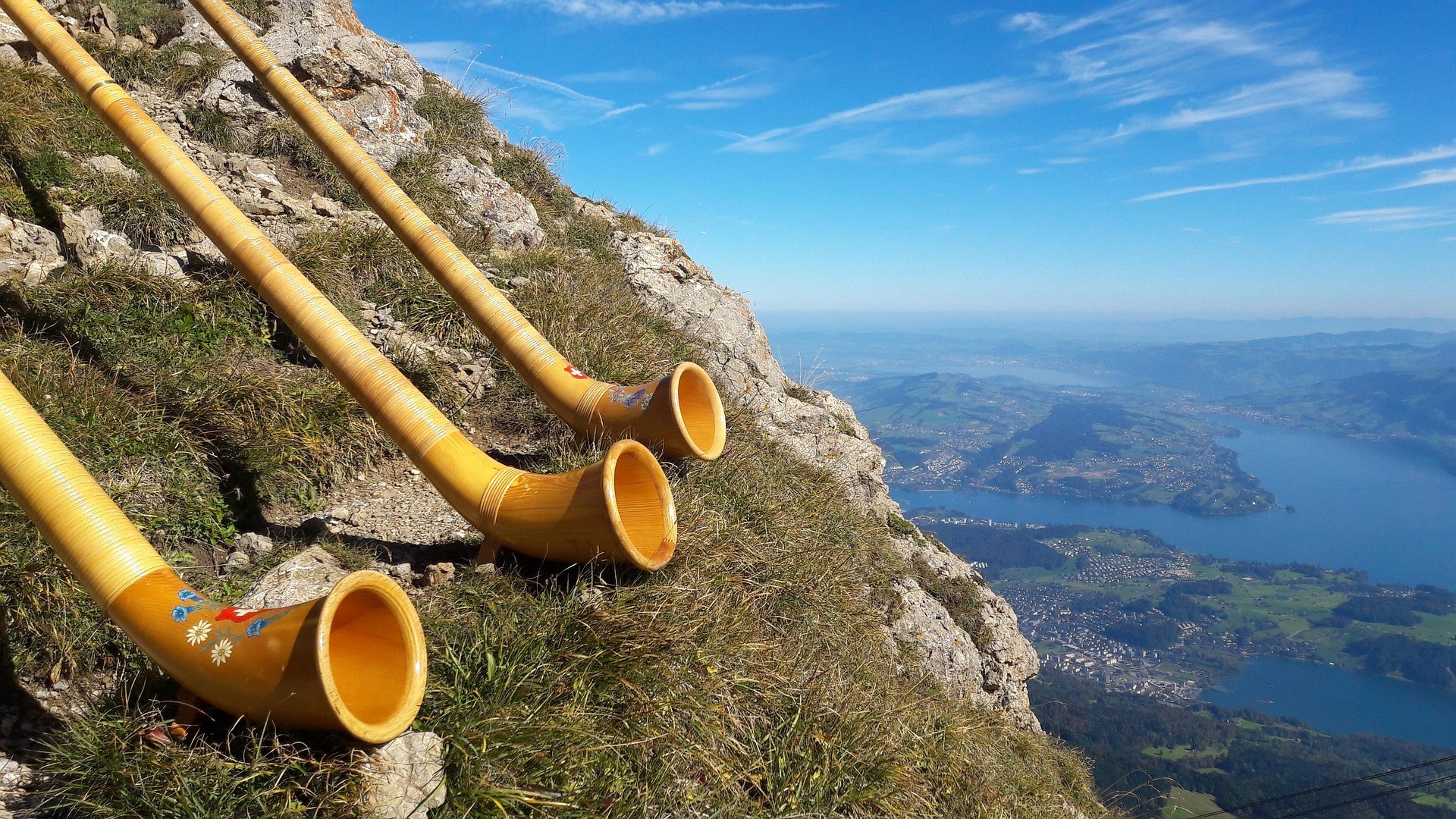
Behold beautiful Lucerne! This German-speaking area of central Switzerland on Lake Lucerne is a truly spectacular locale. Surrounded by mountains and notable for its famous Chapel Bridge, this idyllic and musical Swiss locale is wonderful any time of year.
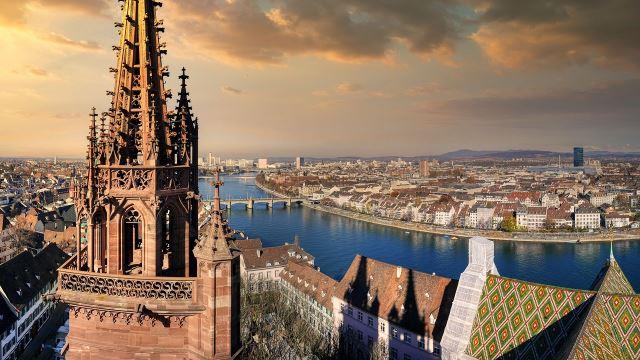
Basel
Basel is the global center of the pharmaceutical industry, but most travelers visit for the world-famous ART Basel festival, as well as the numerous art galleries, iconic architecture and museums.