Siyazan
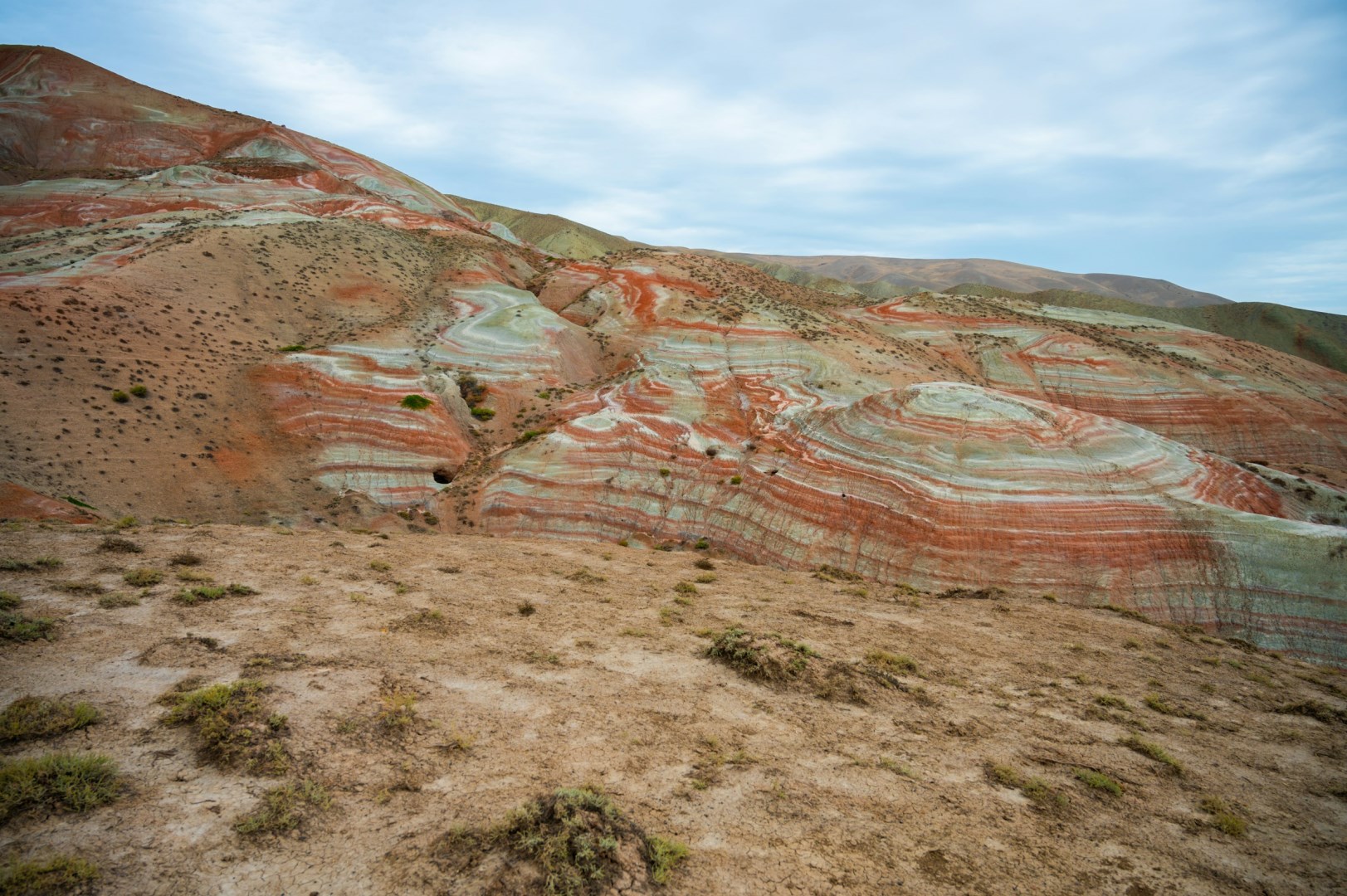
Siyazan is a small city and district in northern Azerbaijan, located along the Caspian Sea north of Baku. The area combines a dry semi-desert landscape with coastal plains, low mountains, sparse woodland, and the Gilgilchay and Atachay rivers. Its setting makes Siyazan a useful base for exploring several natural and archaeological sites in the surrounding region.

Burgundy
Burgundy, or Bourgogne in French, is a region in eastern France famed for its rolling vineyards, historic towns, and deep cultural heritage.

Santa María Huatulco
Located in Oaxaca, Mexico, Huatulco is famous for its beaches and the sparkling blue water of surrounding bays.

Amsterdam
Amsterdam, the 17th century capital of Holland, is often called the "Venice of the North" due to its numerous, boat-navigable canals. Truly rich in history, the oldest part of this populous, multicultural city is Sloten, which dates all the way back to the 9th century.
Hervey Bay
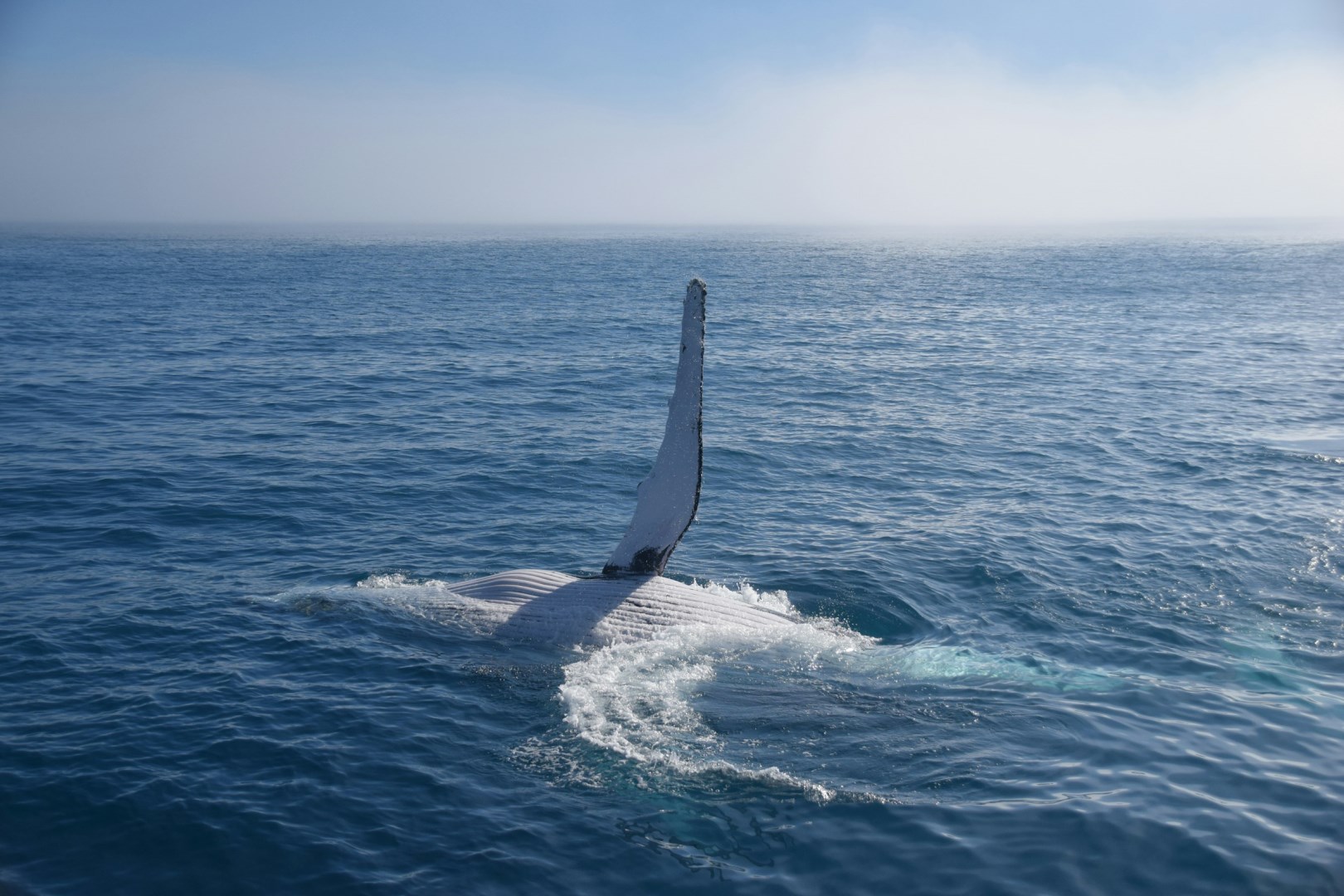
Hervey Bay, a rapidly expanding city, situated in sub tropical Queensland, is one of Australia's favorite holiday destinations. With a marvelous climate and wonderful calm water beaches ideal for swimming all year round , it is a well known aquatic playground. Whatever your needs may be: water sports tours of adjacent world heritage Fraser Island, fishing trips, coral viewing trips, diving, scenic flights, whale watching (August to October), or just relaxing, Hervey Bay is ideally situated.