Lake Ouachita
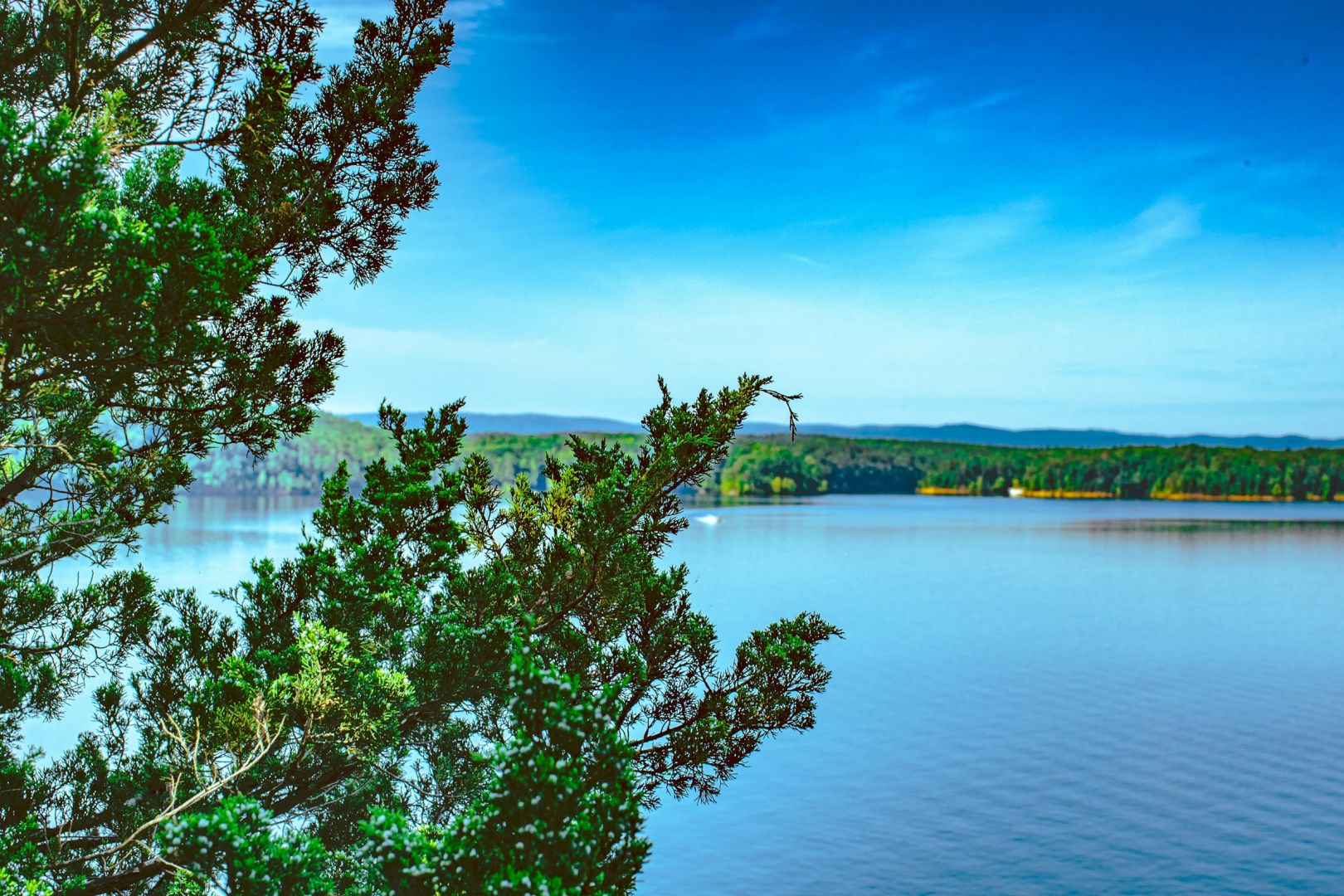
Lake Ouachita is a large reservoir in west-central Arkansas, surrounded by the forested hills of the Ouachita Mountains. The lake lies within the Ouachita National Forest and has a highly irregular shoreline formed by numerous coves, islands, and wooded peninsulas. Its clear water and undeveloped shoreline distinguish it from many reservoirs in more urbanized parts of the state.
Van Buren
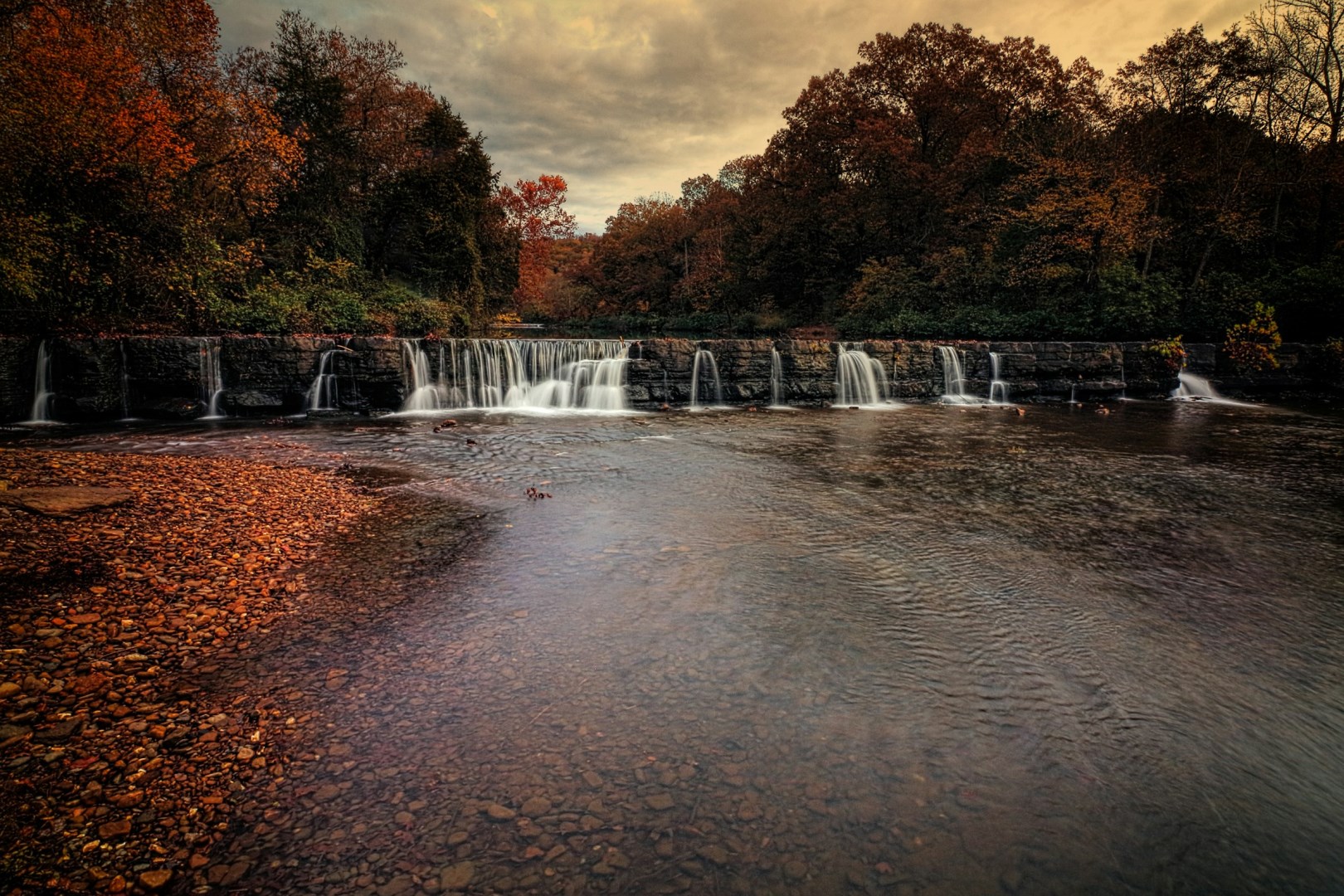
Van Buren is a historic river city in western Arkansas, situated along the Arkansas River near the foothills of the Ozark Mountains. Its location has long connected the community with river travel, railroads, and routes through the Arkansas River Valley. Downtown Van Buren is particularly distinctive, with six blocks of restored buildings forming the Main Street National Historic District.

Thailand
Thailand is a country where centuries-old traditions coexist with vibrant modern life. From ancient kingdoms that left behind grand temples and ruins to lively festivals filled with music, dance, and color, Thai culture is deeply rooted in spirituality and community.
Italy
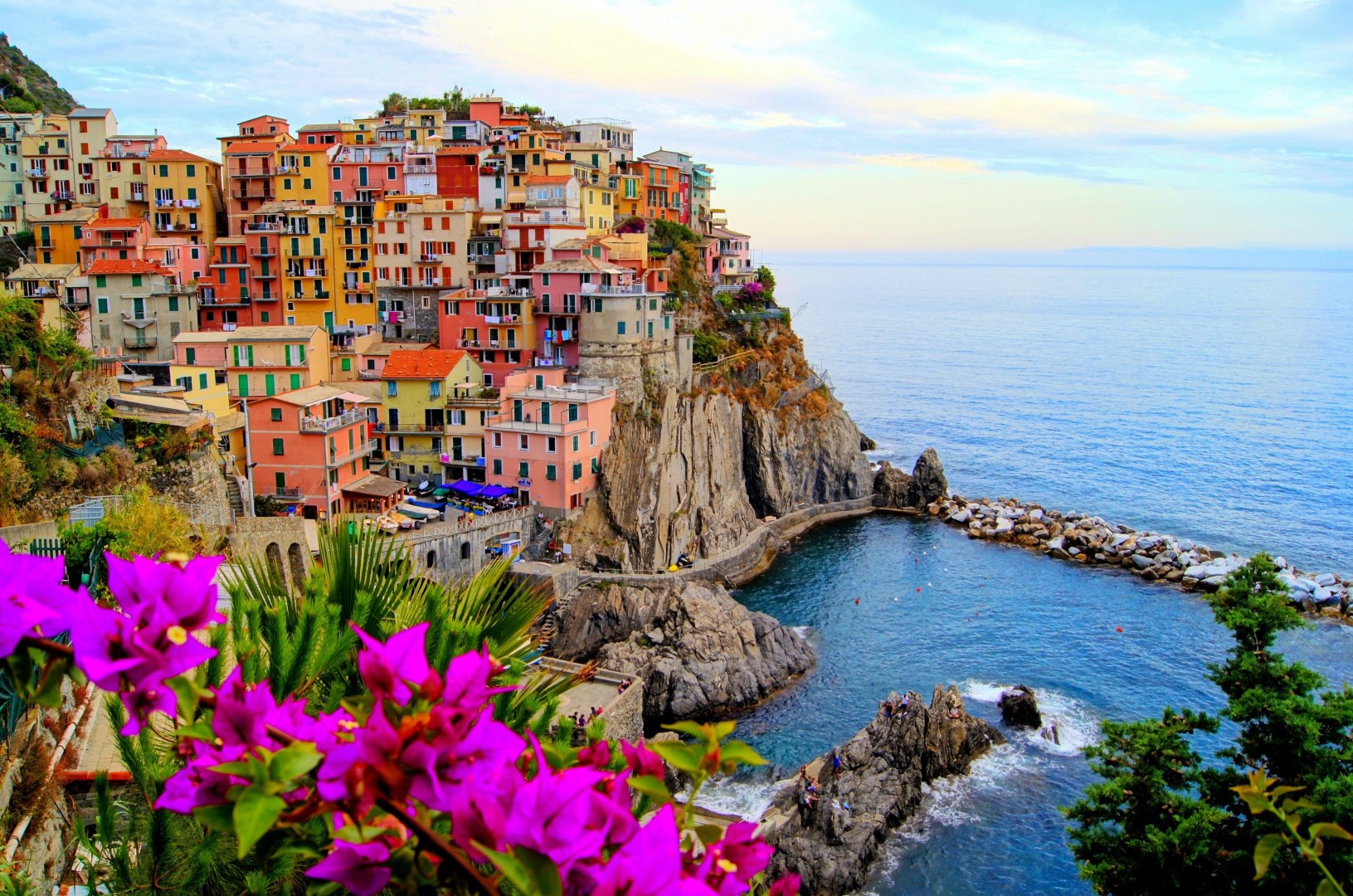
Italy is a destination that seamlessly blends history, art, and natural beauty, making it a dream for travelers from around the globe. From the ancient ruins of Rome, where you can walk in the footsteps of emperors and gladiators at the Colosseum and Roman Forum, to the Renaissance masterpieces of Florence, Italy offers an unparalleled cultural experience
Kiawah Island
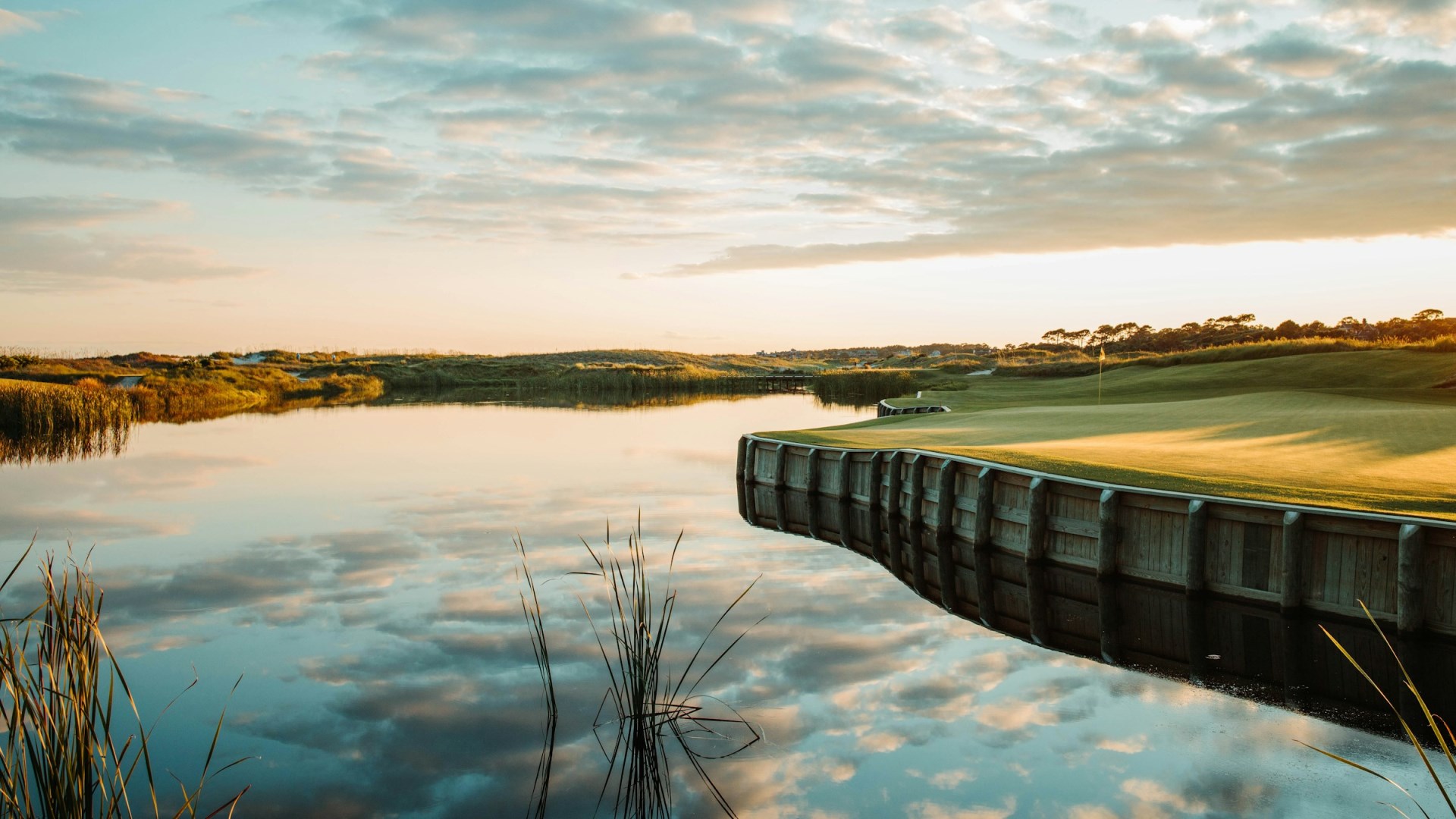
Kiawah Island boasts over 10 miles of wide, immaculate, ocean beach. Soothing by day, romantic by night, the beach is complimented by river, meandering lagoons, and pristine marshlands.