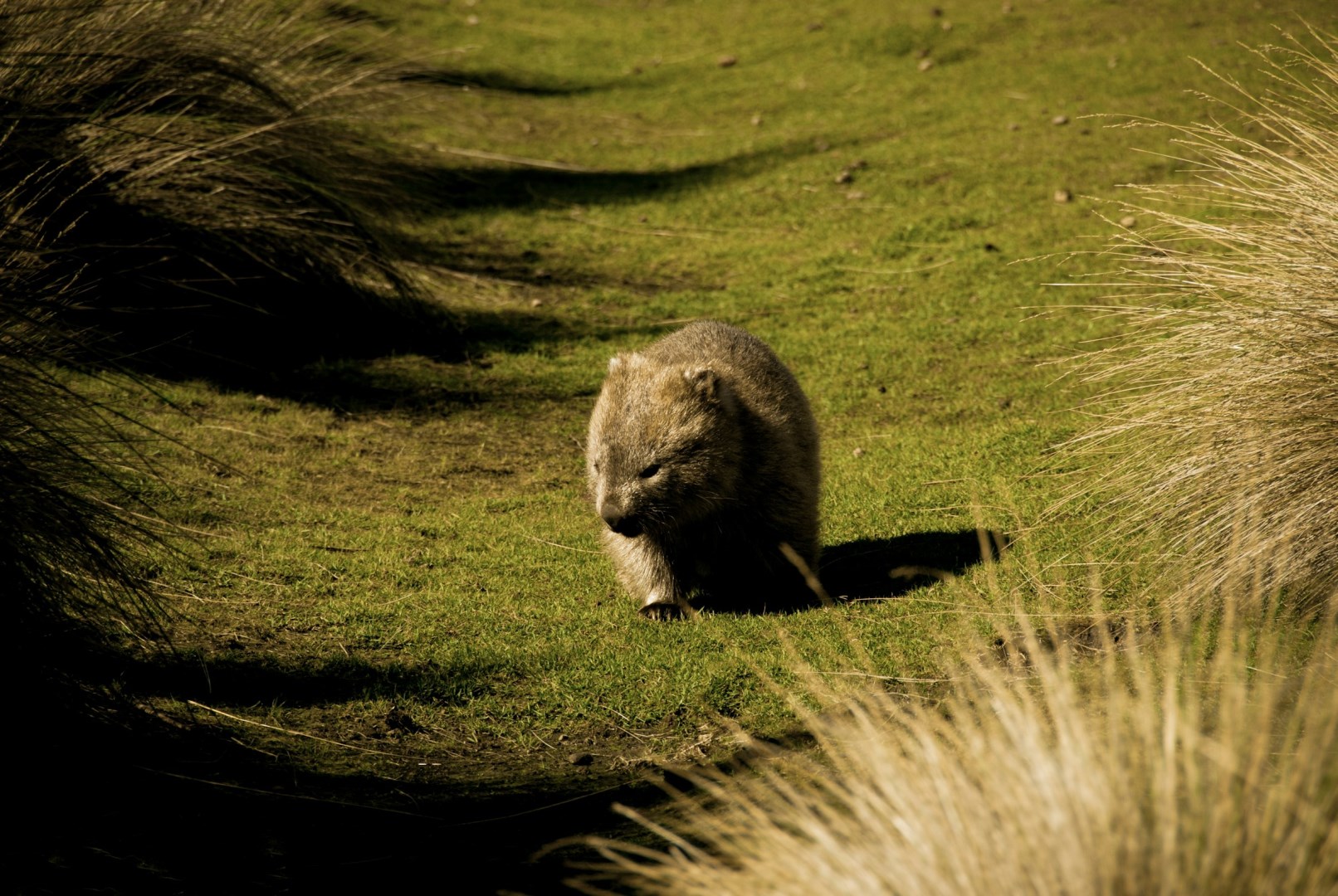
Flinders Island Tasmania
Flinders Island is the largest island in the Furneaux Group, located in Bass Strait between mainland Australia and Tasmania. Covering a landscape of rugged mountains, rolling farmland, white-sand beaches, and granite headlands, it is known for its remote character and rich natural environment.

Giurgiu
Giurgiu, a charming city in southern Romania, offers a unique blend of history, culture, and natural beauty, making it a captivating destination for travelers seeking an off-the-beaten-path experience.
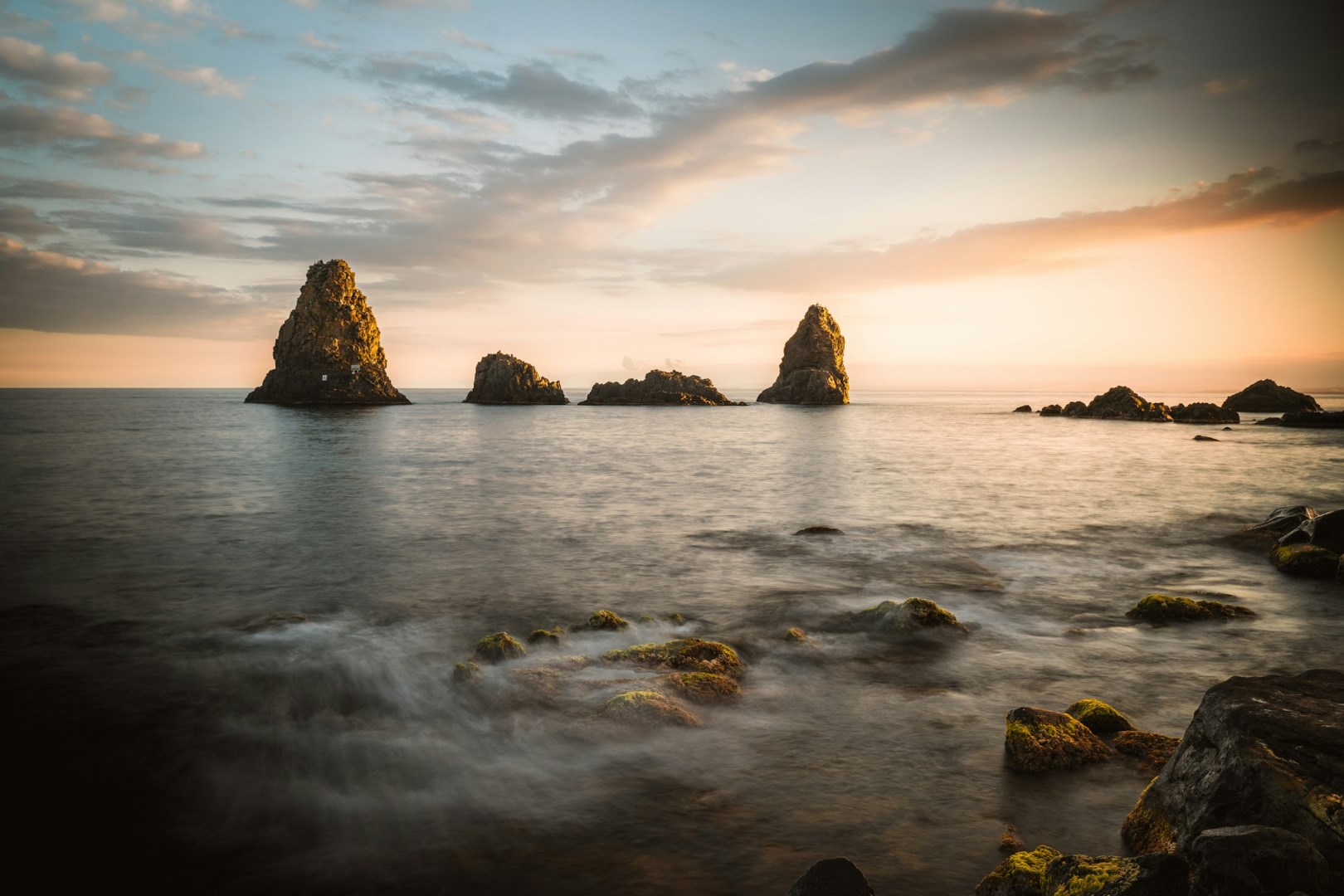
Aci Trezza
Aci Trezza is a small fishing village on Sicily’s eastern coast, just north of Catania, overlooking the Ionian Sea along the Riviera dei Ciclopi. Its waterfront is defined by dark basalt rocks, small fishing boats, and the Faraglioni dei Ciclopi, a group of sea stacks rising offshore. The rocks were formed by ancient volcanic activity connected with the geological history of Mount Etna.

Canyonlands National Park
Canyonlands National Park, located in southeastern Utah, offers an awe-inspiring landscape of deep canyons, rugged mesas, and striking rock formations. This vast park is divided into four districts: Island in the Sky, the Needles, the Maze, and the Rivers. Each district showcases its own unique geological features and breathtaking vistas. The Island in the Sky district provides panoramic views from its high mesa, including breathtaking vistas of the Colorado and Green Rivers.
Valence
Valence is a city in southeastern France and the capital of the Drôme department in the Auvergne-Rhône-Alpes region. It stands on the eastern bank of the Rhône River, between Lyon and Avignon, with the foothills of the Alps rising to the east.