Lihue, Kauai
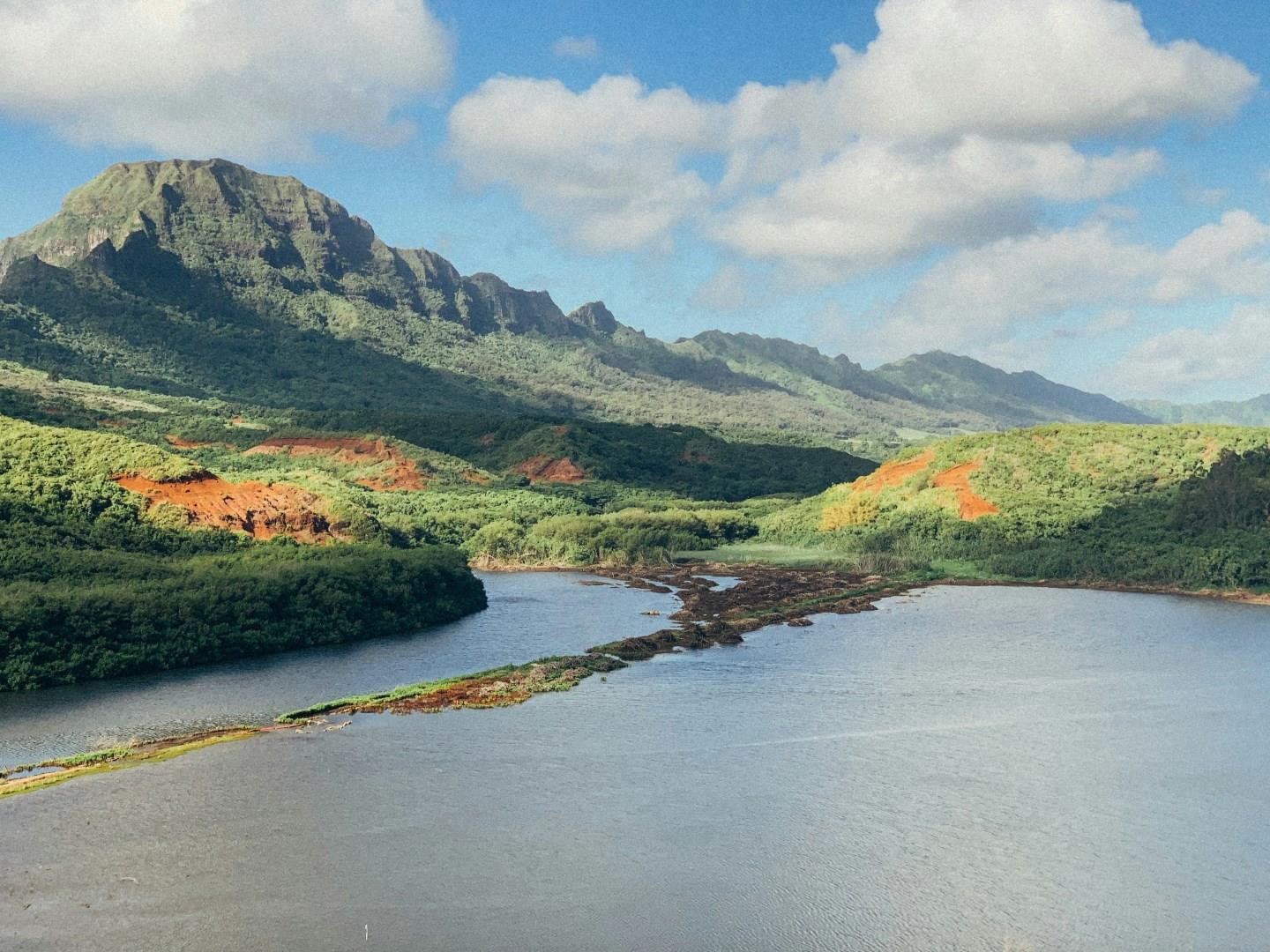
Lihue, the main town on the Hawaiian island of Kauai, blends administrative importance with island charm. As the county seat, it’s the hub of government and commerce, but it also serves as the welcoming gateway for travelers arriving at Lihue Airport or through its nearby harbor.

Kinderdijk
Replete with windmills and old-world charm, the village of Kinderdijk lies east of Rotterdam on the Lek River and is a popular stop for European river cruises. Home to the largest concentration of old windmills in the Netherlands, Kinderdijk was designated a UNESCO World Heritage Site in 1997.
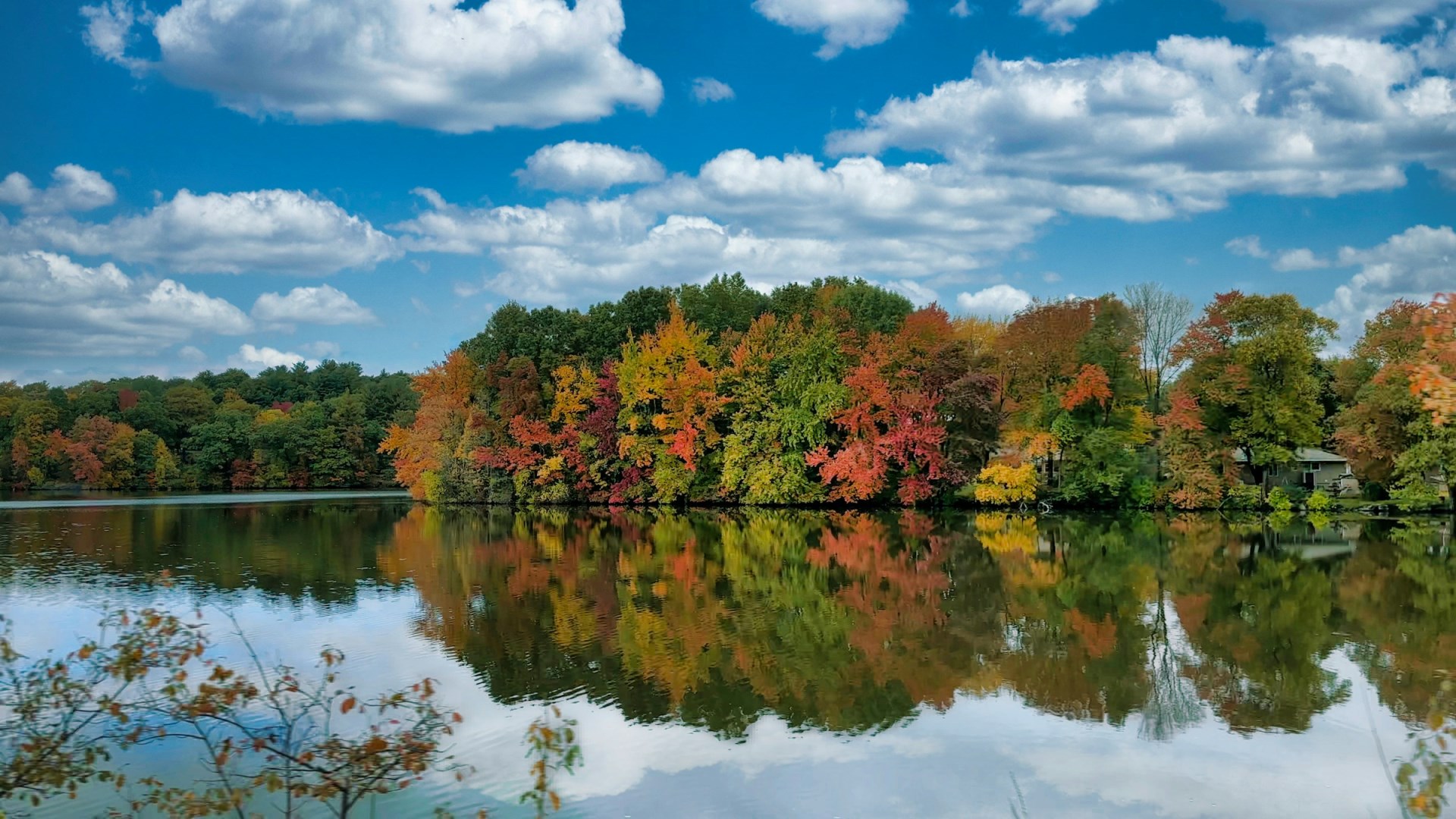
Framingham
Framingham is a city in eastern Massachusetts, located about 20 miles west of Boston in the MetroWest region. Its landscape combines developed neighborhoods and commercial districts with wooded areas, ponds, and former agricultural land. The Sudbury River and several smaller waterways pass through the surrounding area, while Cochituate State Park provides a large recreational lake nearby.
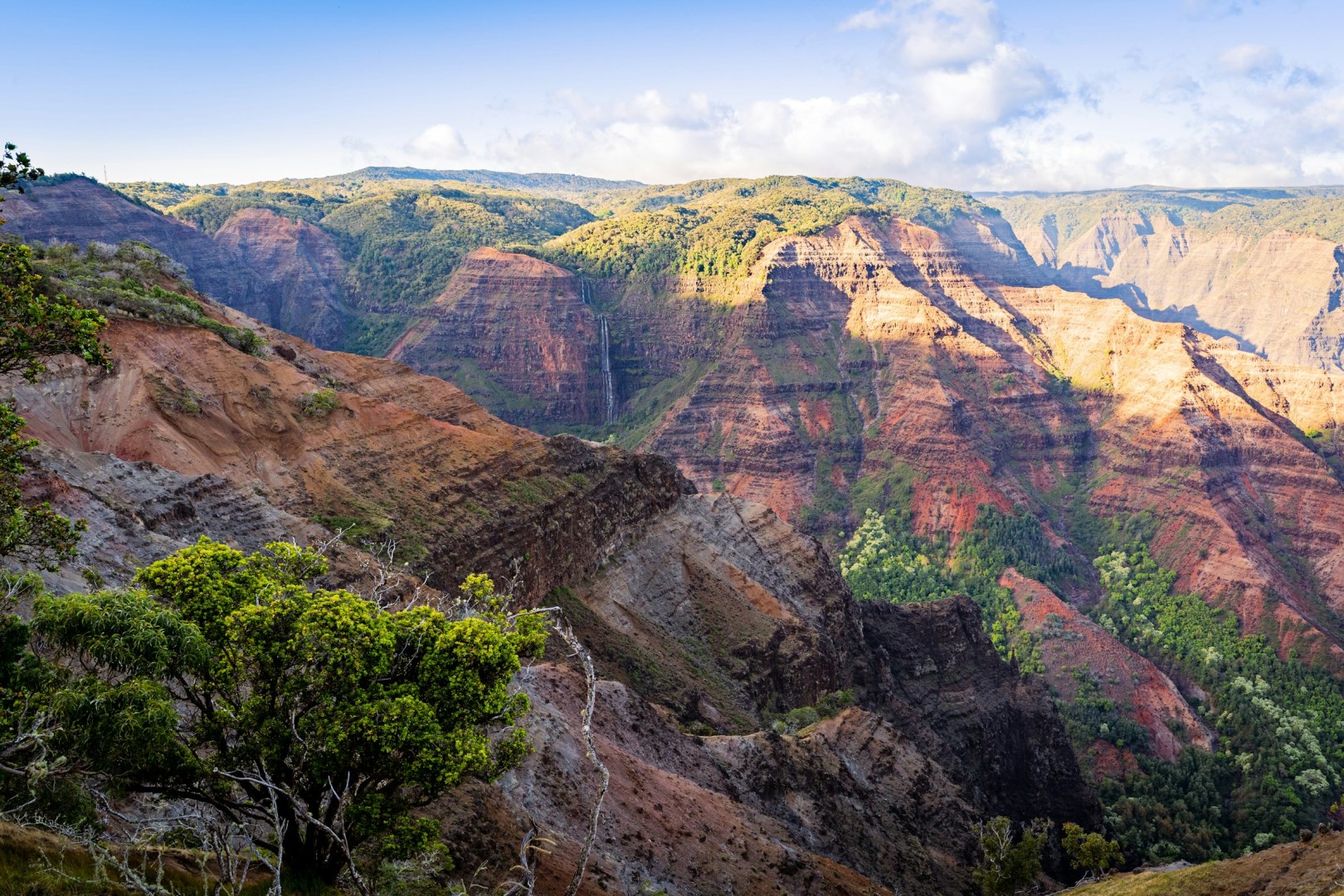
Waimea Canyon, Kauai
The Canyon valleys of the Waimea River and its tributary were once heavily populated, and the town was an early center of native government. It was here that Captain James Cook, English Navigator-Explorer, made his first landing in the Hawaiian Islands on January 20, 1778. Waimea developed as a provisioning port for whalers and sandalwood traders. A ruined Russian fort, built (1815) in a futile attempt to seize the isle, occupies a coastal bluff aboe the Waimea River. A rich sugar-plantation
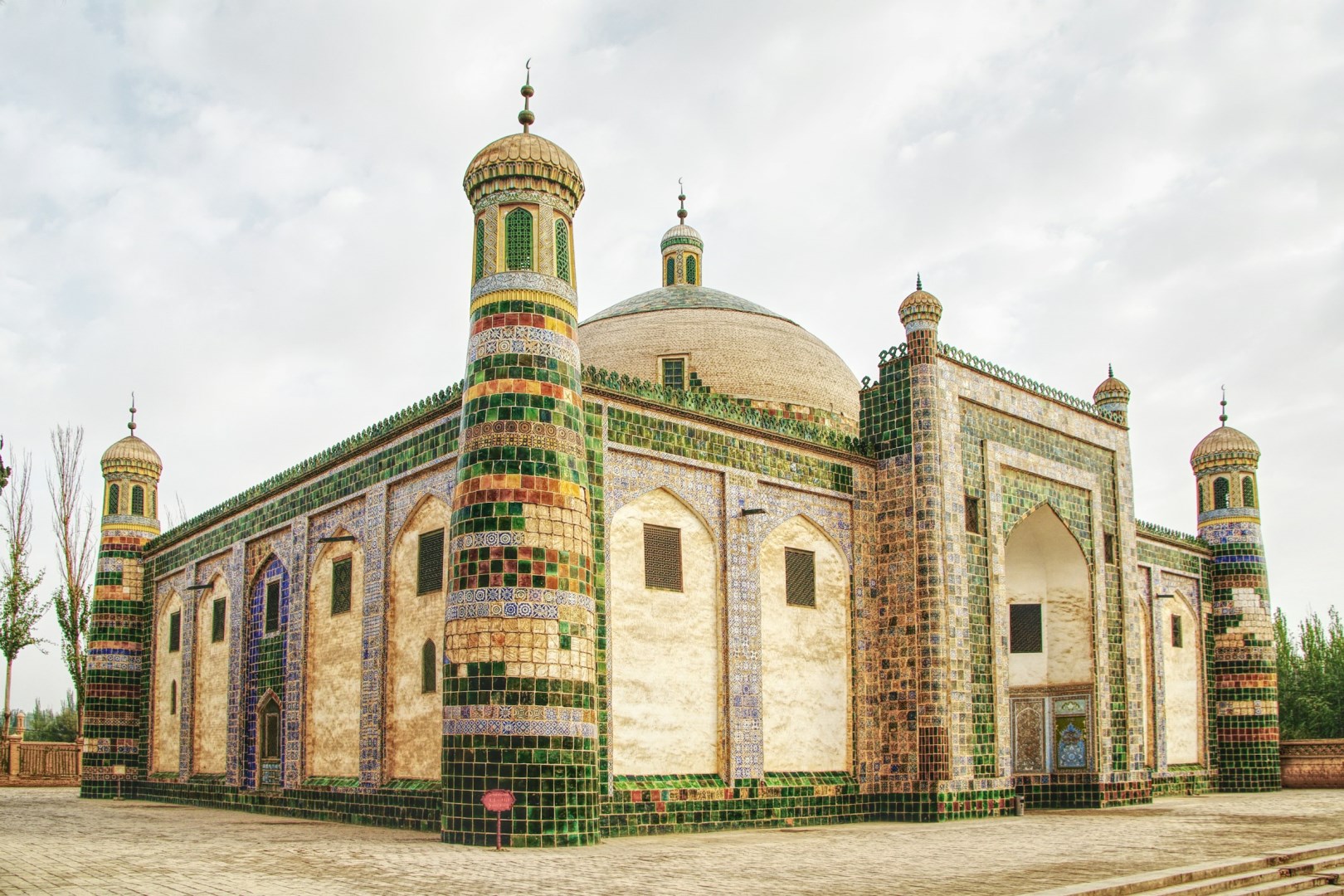
Kashgar
One of the most remote cities in the world, formerly known as Turkestan. It is situated along the ancient Silk Road near the Sino-Russian border. Sightseeing highlights include the ancient mosques and open markets. A fascinatingly colorful and ancient way of life still exists.