Campeche
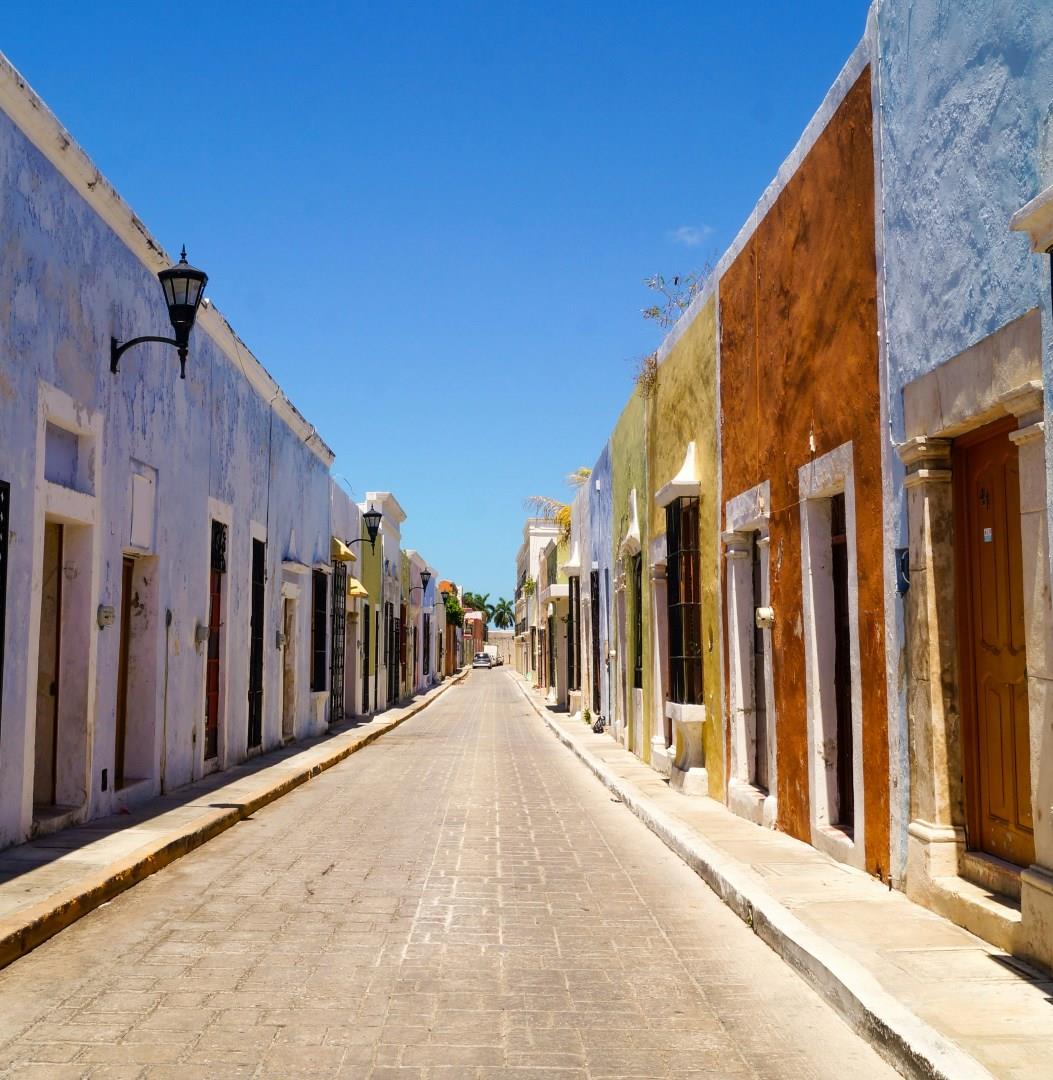
The state of Campeche, located on the western edge of the Yucatán Peninsula, is a hidden gem waiting to be discovered by adventurous travelers. Rich in history, culture, and natural beauty, Campeche offers a unique blend of colonial charm and ancient Maya heritage. The state capital, also named Campeche, is a UNESCO World Heritage Site, renowned for its well-preserved Baroque architecture and colorful, pastel-hued buildings.

Road Town
Road Town, the vibrant capital of Tortola in the British Virgin Islands (BVI), offers a charming blend of Caribbean culture, history, and natural beauty. Nestled around a horseshoe-shaped harbor and fringed by lush green hills, Road Town is the bustling heart of the BVI, where visitors can explore colorful markets, historical landmarks, and an inviting waterfront.

Bora Bora
Bora Bora, often referred to as the "Jewel of the South Seas," is the epitome of tropical luxury. Nestled in the Society Islands of French Polynesia, this idyllic island is famed for its stunning turquoise lagoon, ringed by a barrier reef and dotted with overwater bungalows.
Izamal
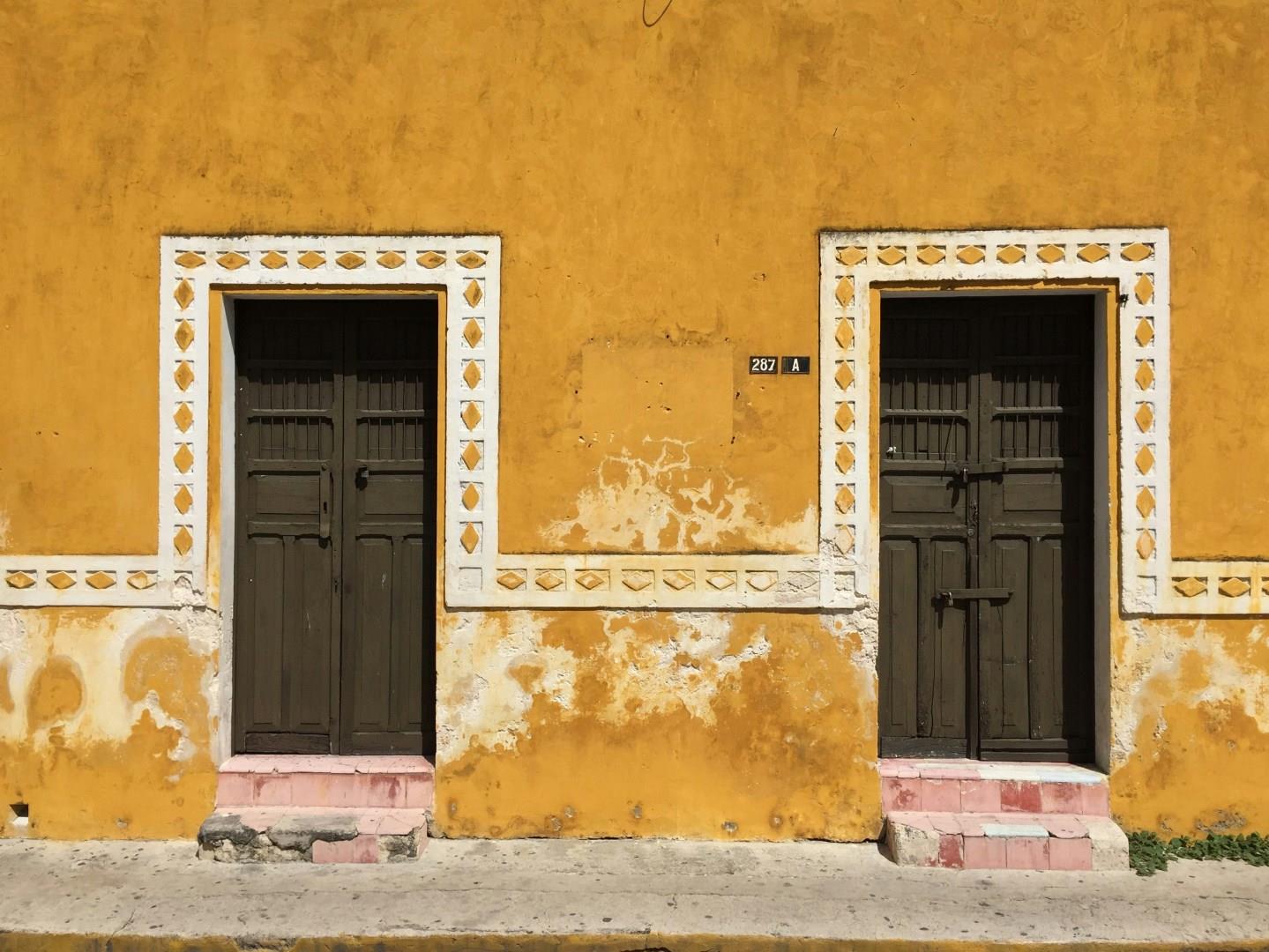
Izamal, located in the heart of Yucatán, stands out as a city where centuries of history are layered in plain sight. Known as the “City of Three Cultures,” it combines ancient Maya ruins, Spanish colonial architecture, and modern-day Yucatecan life. One of the most striking features of Izamal is its golden-yellow buildings, painted this distinctive color in honor of Pope John Paul II’s visit in 1993.

South Dakota
South Dakota, known for its striking contrasts, from sacred Indigenous landmarks to dramatic prairie landscapes, offers travelers a rare chance to experience stories etched in both stone and living tradition. Mount Rushmore may be the most photographed site, but just 17 miles away, the Crazy Horse Memorial tells a deeper story. In the west, the Black Hills are full of geological surprises and sacred sites. Custer State Park offers scenic drives where herds of bison often stop traffic.