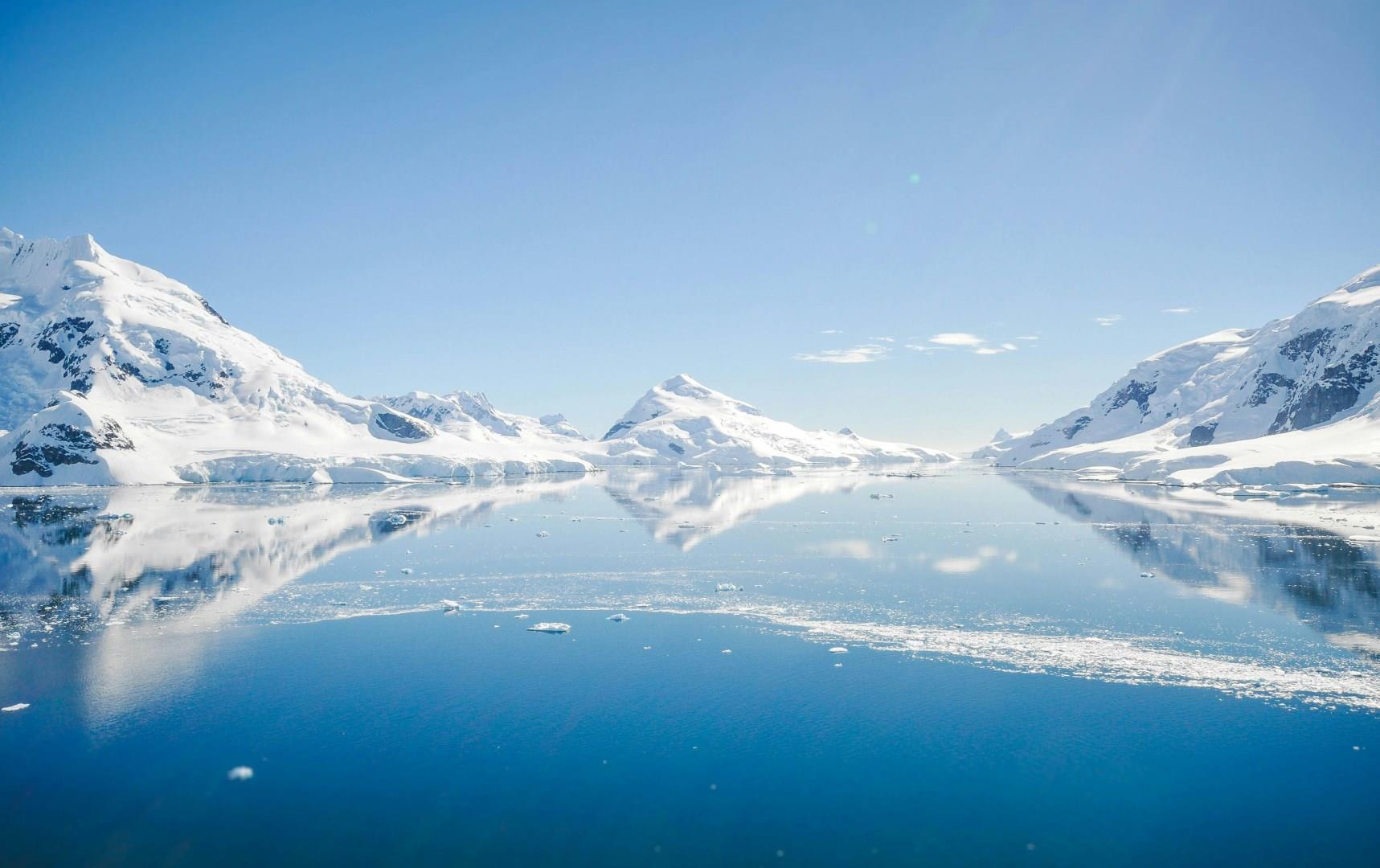
Halifax
The capital of Nova Scotia, Halifax is a charming seaside destination in Eastern Canada. Rich in maritime history and once a major trading hub, this city boasts fresh air, lovely sunsets, and a laid-back vibe. Must-see attractions include the hilltop fort Halifax Citadel, the Victorian-era Halifax Public Gardens, and the Maritime Museum of the Atlantic.
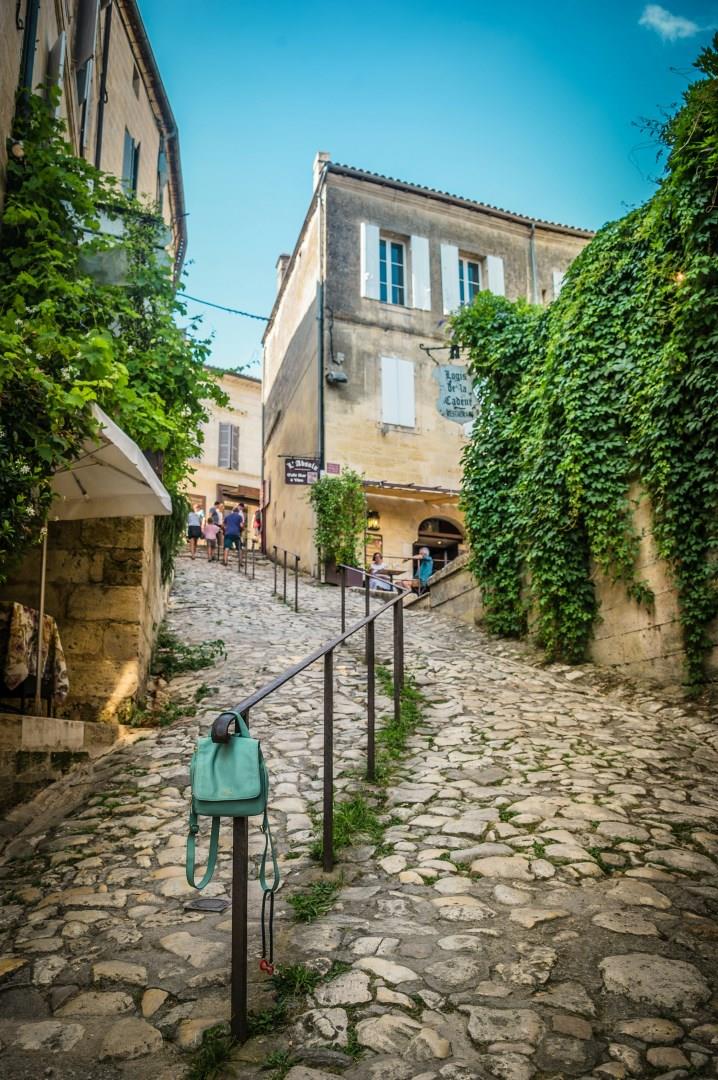
Saint-Émilion
Saint-Émilion, nestled in the heart of southwest France, is a living monument to centuries of craftsmanship, faith, and wine-making. Recognized as a UNESCO World Heritage Site since 1999, this medieval town sits on a limestone plateau surrounded by vineyards that date back to Roman times. Visitors can explore cobbled streets that wind past centuries-old stone houses, descend into underground catacombs carved by monks, and visit the astonishing Monolithic Church.
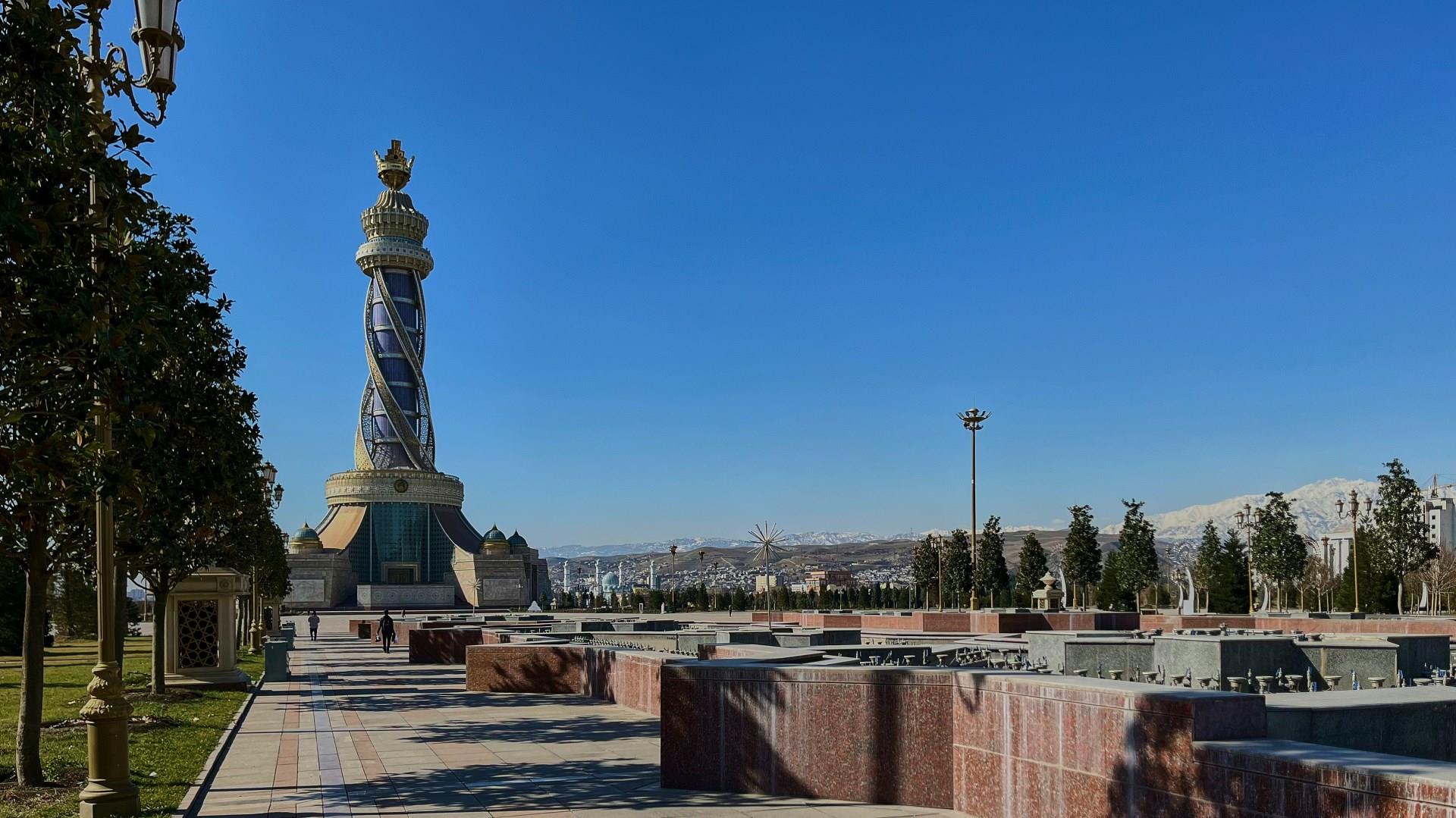
Dushanbe
Dushanbe, the capital of Tajikistan, blends Soviet-era architecture with traditional Central Asian culture. The city is known for landmarks such as the National Library, Rudaki Park, and the striking Flagpole Square, which reflect both civic pride and the country’s heritage
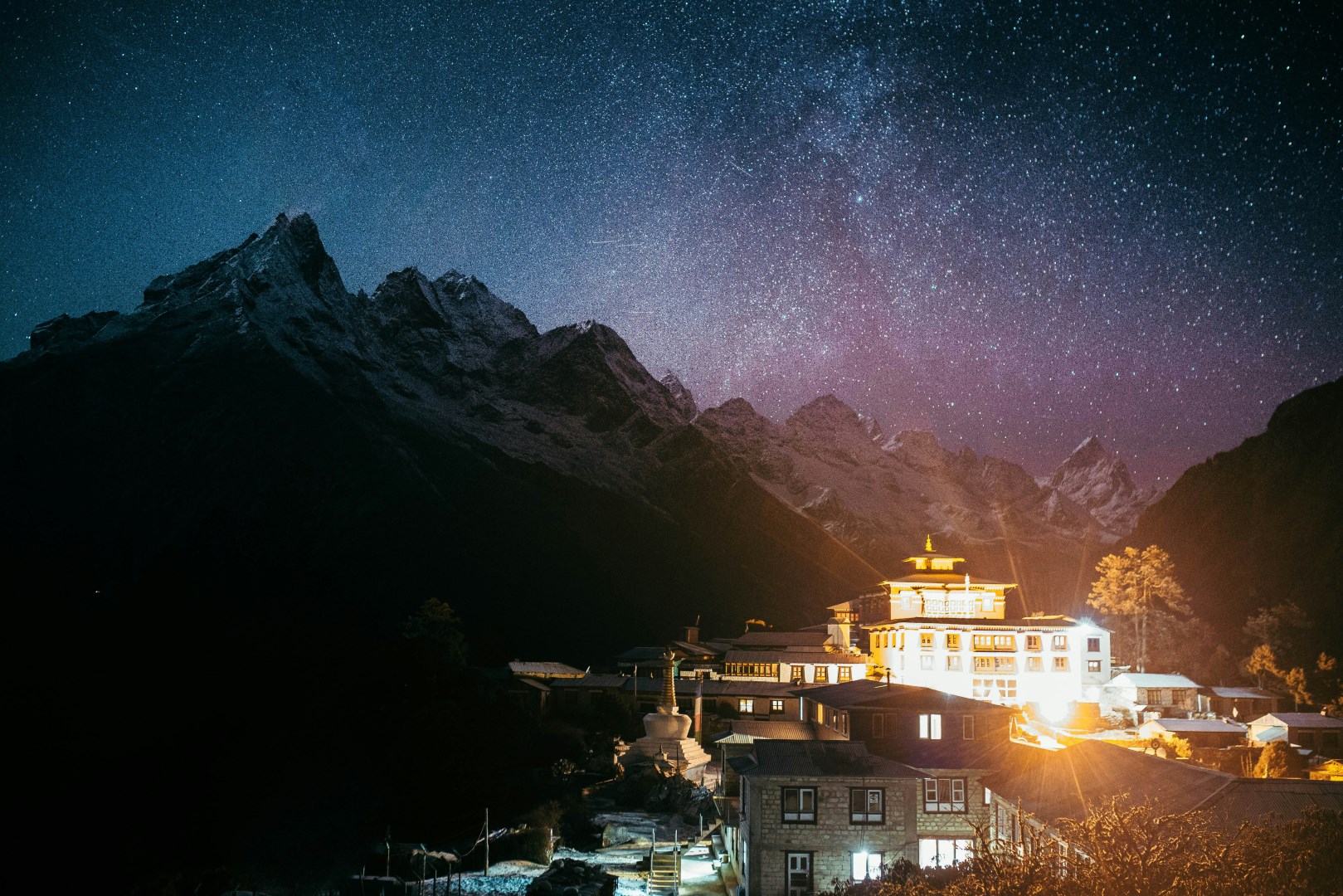
Tengboche
Perched on a ridge overlooking the Dudh Koshi River valley, Tengboche is home to one of the most iconic monasteries in the Himalayas. The Tengboche Monastery dominates the skyline, its whitewashed walls and golden roof visible from miles around. Surrounded by towering peaks such as Ama Dablam, Kangtega, and Thamserku, the village offers visitors sweeping panoramas and a sense of quiet reflection high in the mountains.

Nakuru
Nestled in Kenya's Rift Valley, Nakuru is a city that captivates with its stunning natural beauty and vibrant wildlife. The city is renowned for Lake Nakuru National Park, a UNESCO World Heritage Site known for its extraordinary flocks of flamingos that once numbered in the millions. Although flamingo populations fluctuate, the lake remains a sanctuary for other bird species and wildlife, including black and white rhinos, giraffes, and lions.