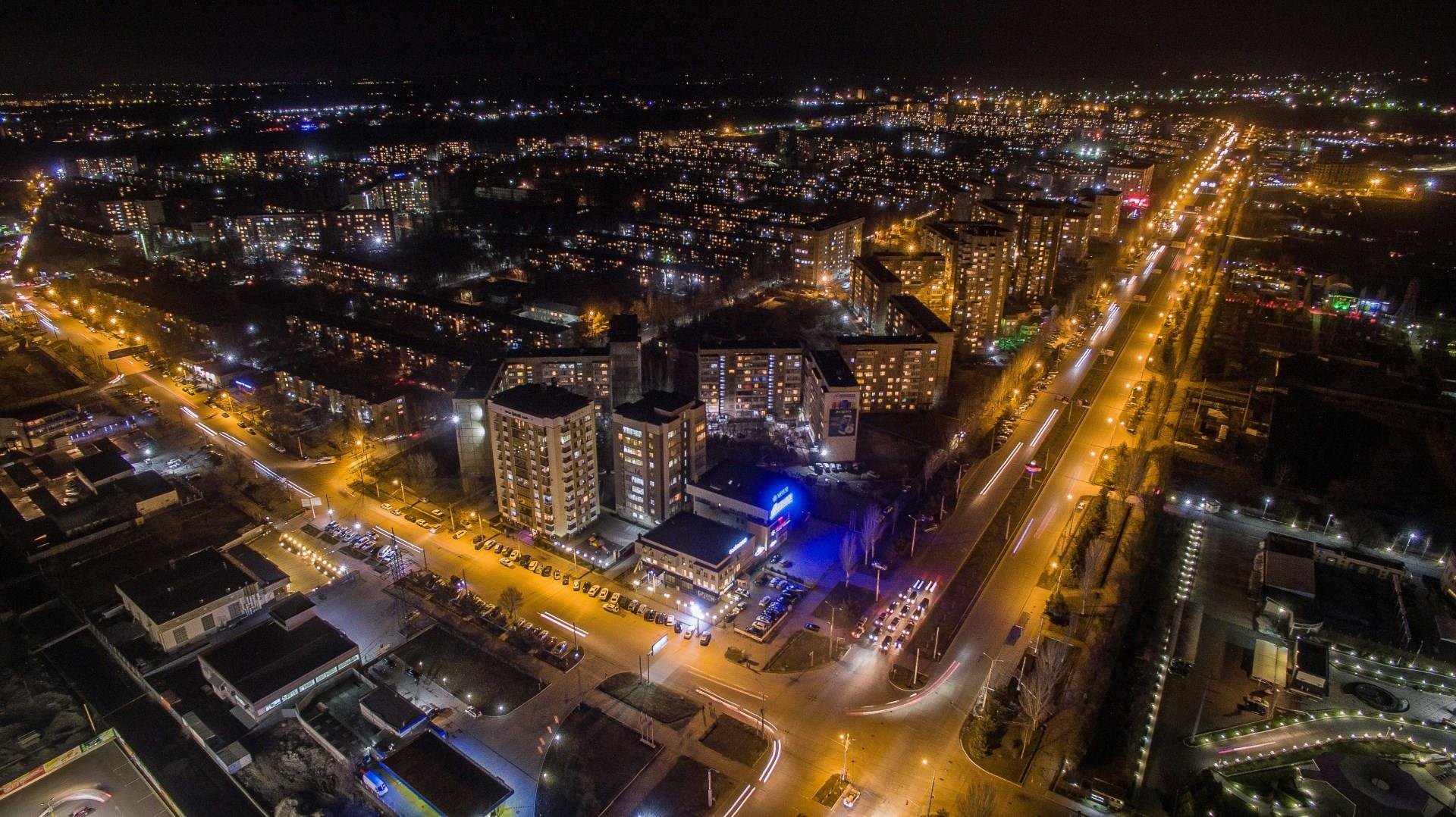
Bishkek
Bishkek, the capital of Kyrgyzstan, sits at the foot of the Ala-Too Mountains and serves as the country’s political, cultural, and economic center. The city is known for its wide tree-lined streets, Soviet-era architecture, and public squares.

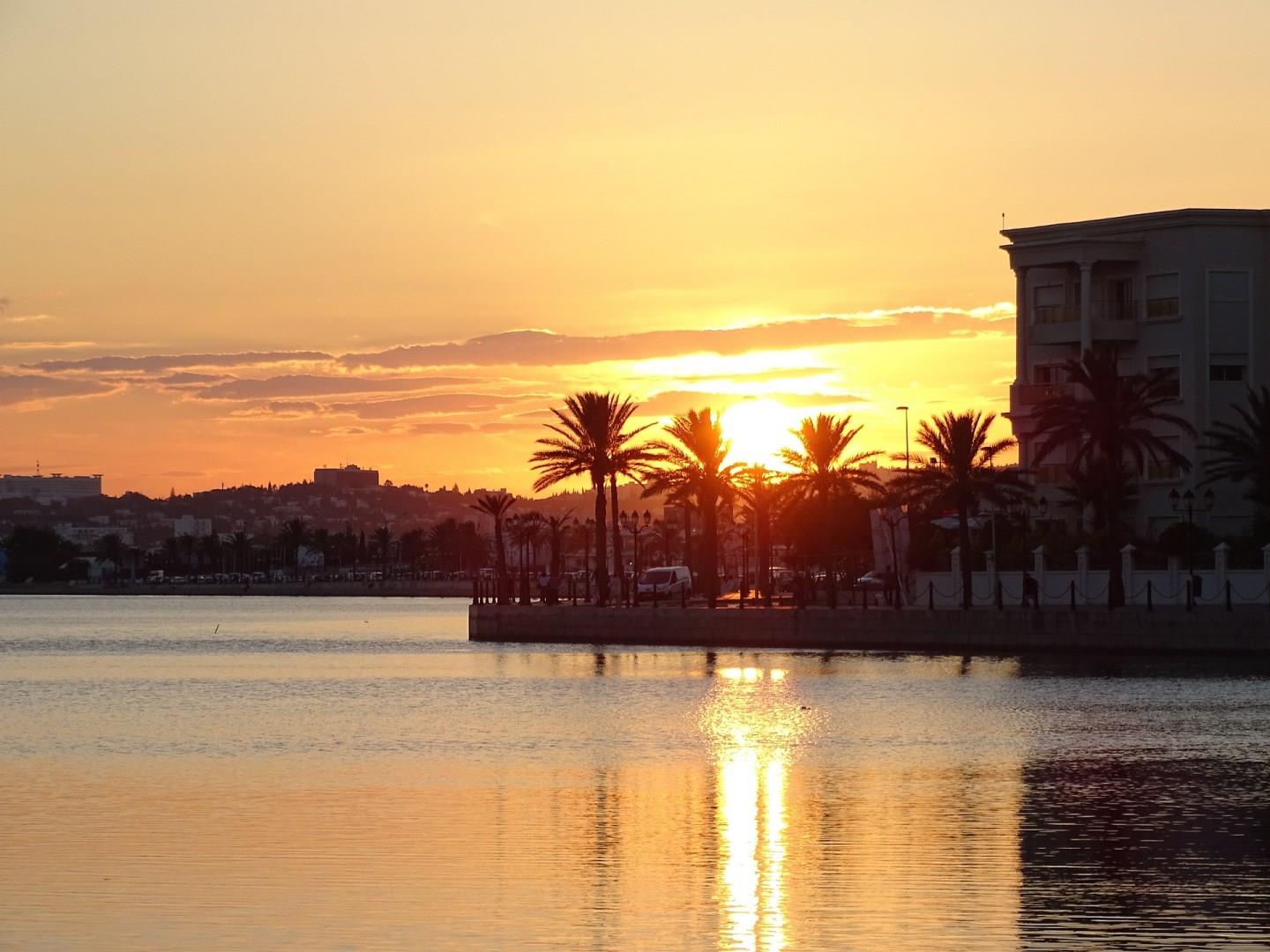
Funchal
Nestled on the sun-drenched southern coast of Madeira, Funchal, the island's capital, offers an enchanting mix of old-world charm, vibrant culture, and natural beauty. This picturesque city, set against a backdrop of rugged mountains and the deep blue Atlantic Ocean, is known for its lush botanical gardens, stunning vistas, and year-round mild climate.
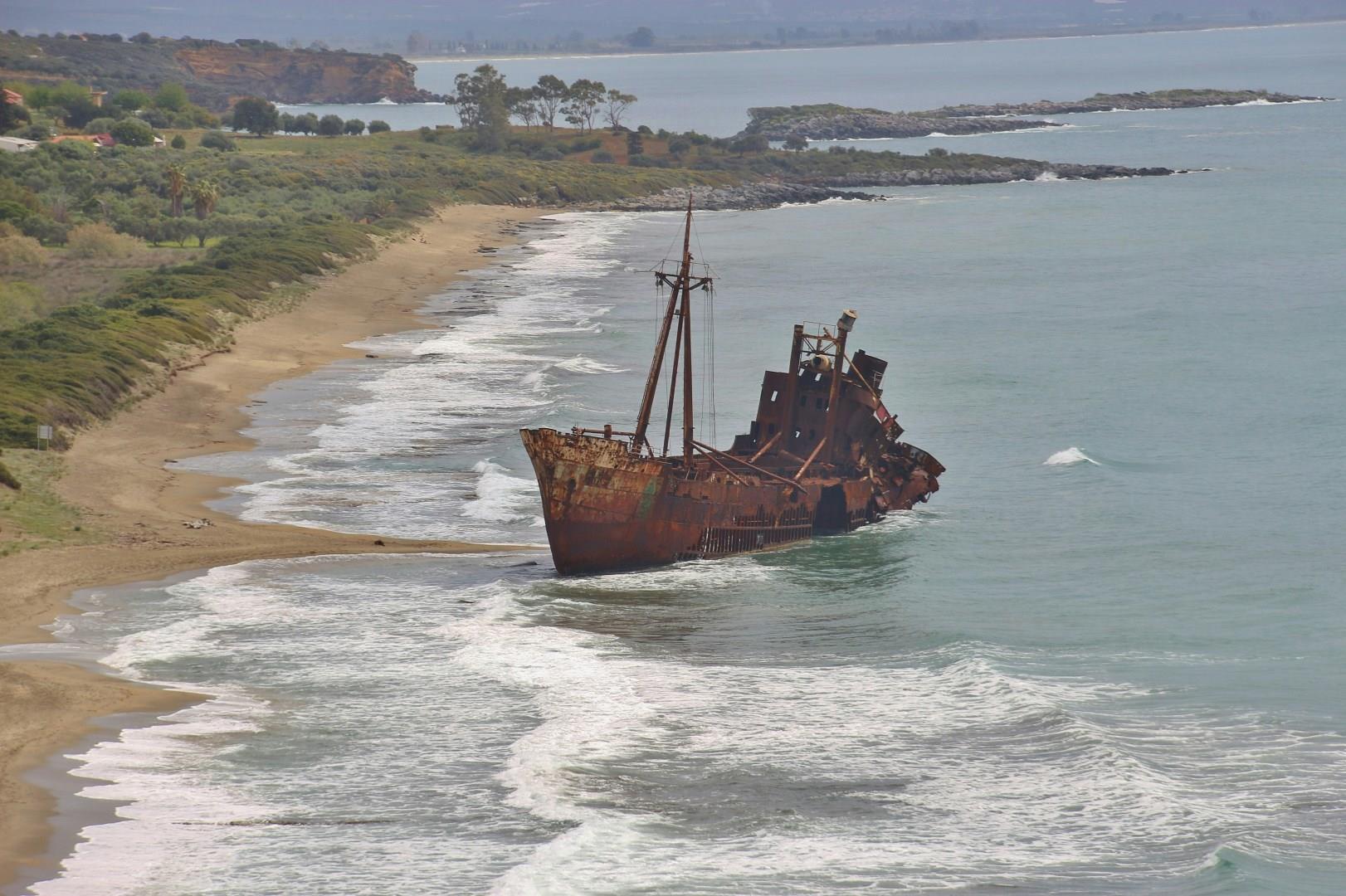
Gythion
Greece’s southern coastline is home to Gythion, a historic port town nestled in the Peloponnese region. Once the naval base of ancient Sparta, Gythion has played a key role in maritime history for centuries. Today, its harbor is lined with colorful neoclassical buildings and fishing boats, creating a picture of daily life that remains connected to its seafaring roots. Just offshore lies Cranae Island, linked to the mainland by a stone causeway.
Carriacou
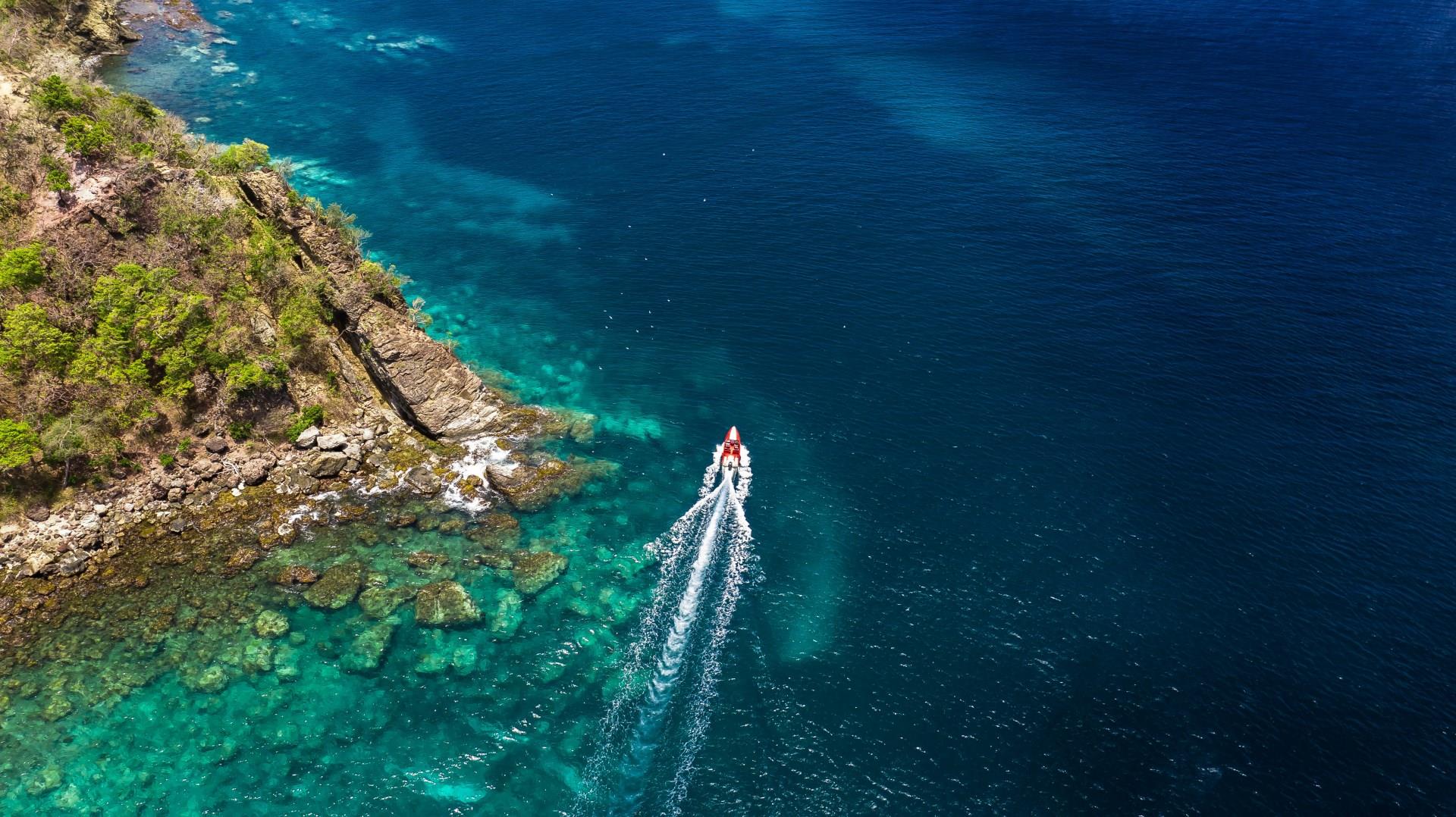
Carriacou, the largest of Grenada’s sister islands, offers a slower pace of life and an intimate window into traditional Caribbean culture. Known as the “Island of Reefs,” it is surrounded by vibrant coral systems that have long supported fishing and sailing traditions.
Jersey
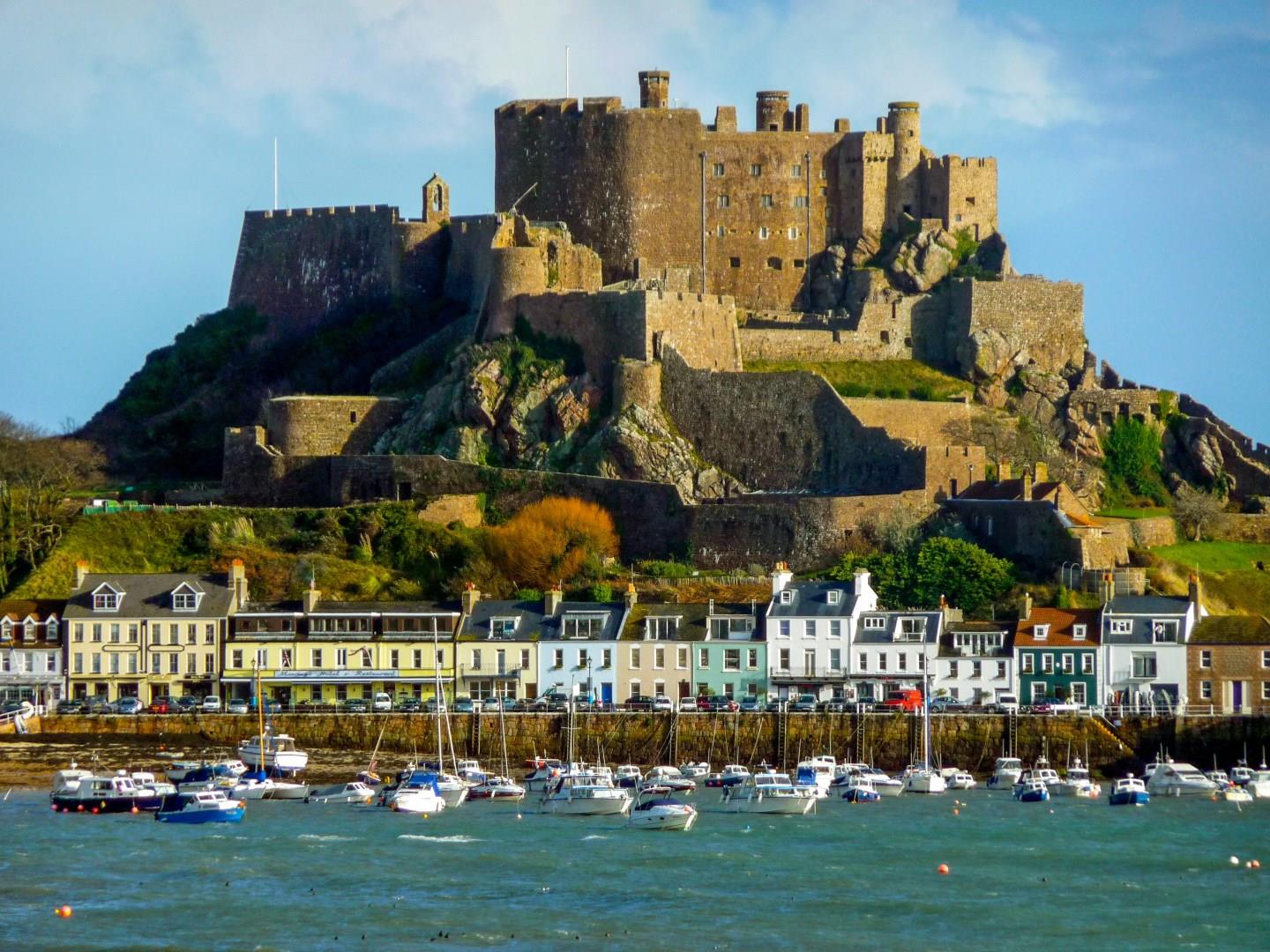
Jersey, the largest of the Channel Islands, is a destination that offers a unique blend of British and French influences, reflected in its history, language, and cuisine. Its strategic location between England and France has shaped centuries of cultural exchange and resilience, especially evident in sites like Mont Orgueil Castle. The island’s coastline features dramatic cliffs, hidden coves, and wide sandy beaches.