Yogyakarta Java
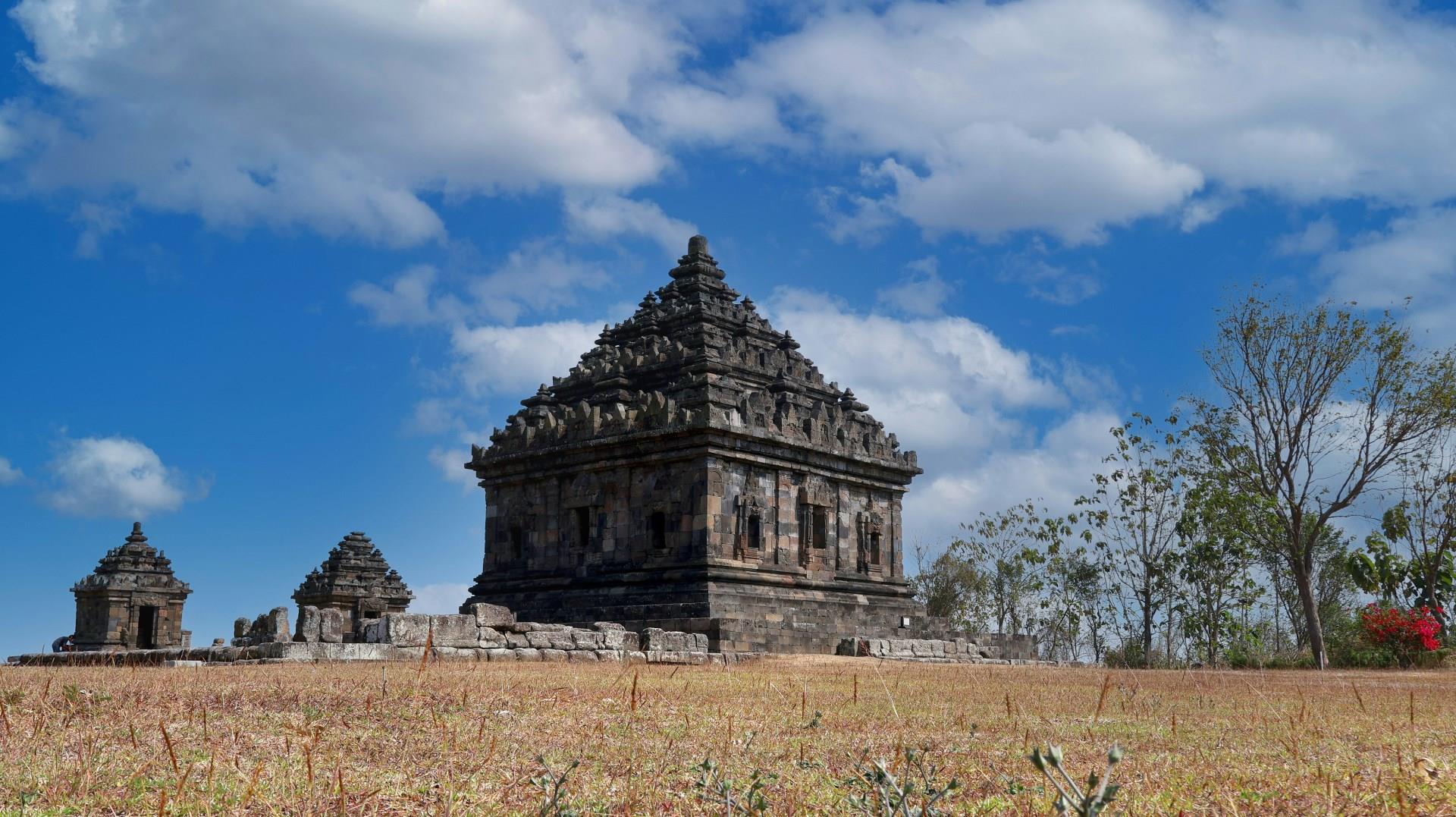
Yogyakarta, on the island of Java, is often described as Indonesia’s cultural capital, a reputation grounded in living tradition rather than nostalgia. It remains the seat of a functioning sultanate, and the royal palace, or kraton, anchors the city’s identity through ceremonies, crafts, and court arts that continue to shape everyday life. The city also played a key role in Indonesia’s struggle for independence, giving it a strong sense of civic pride and historical awareness.
Kalaat M'Gouna
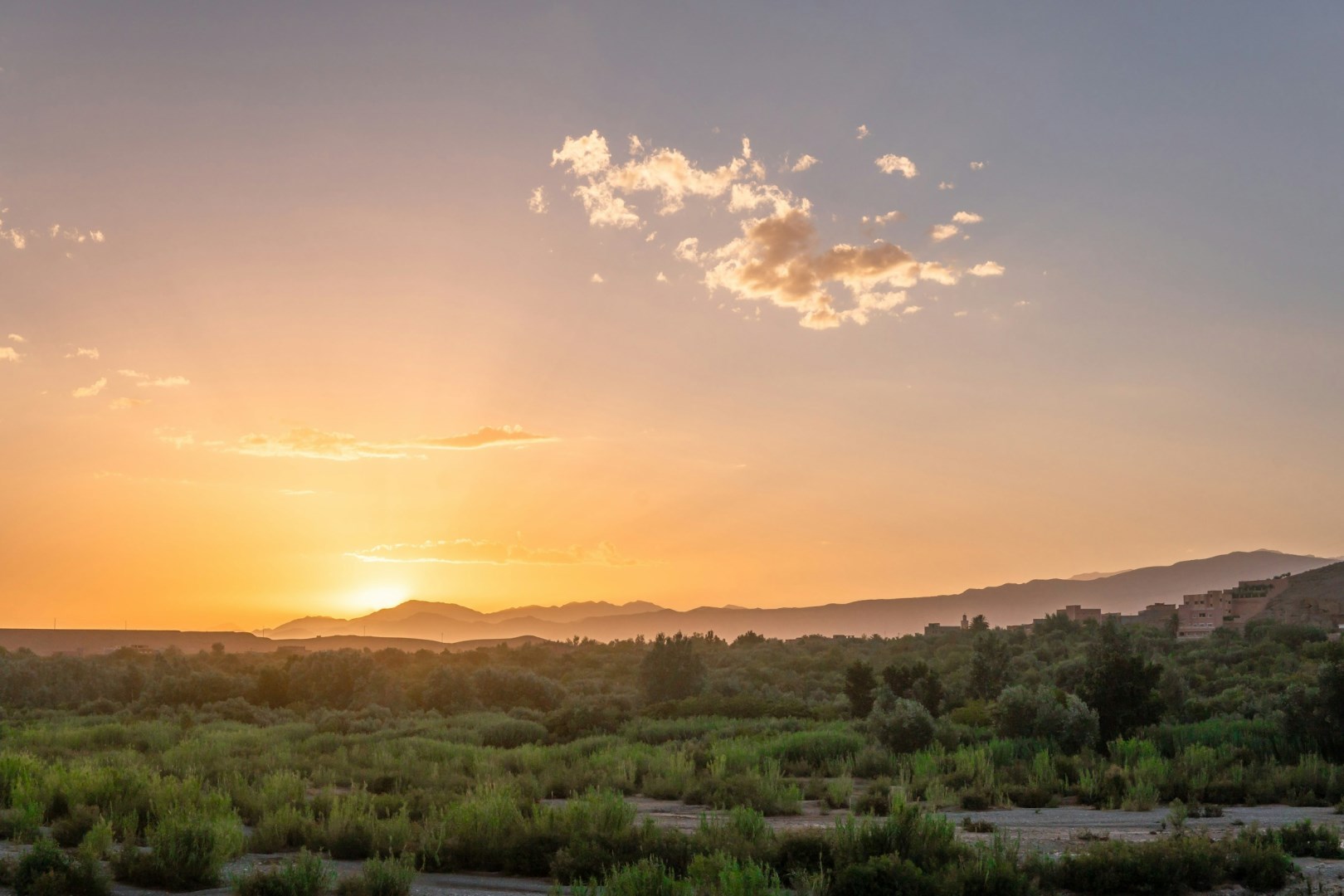
Kalaat M'Gouna is a town in Morocco set in the Valley of Roses between the High Atlas and Jbel Saghro mountain ranges. It lies near the Dadès Valley, where irrigated fields and settlements form green corridors through an otherwise dry, rocky landscape.
Castellammare del Golfo
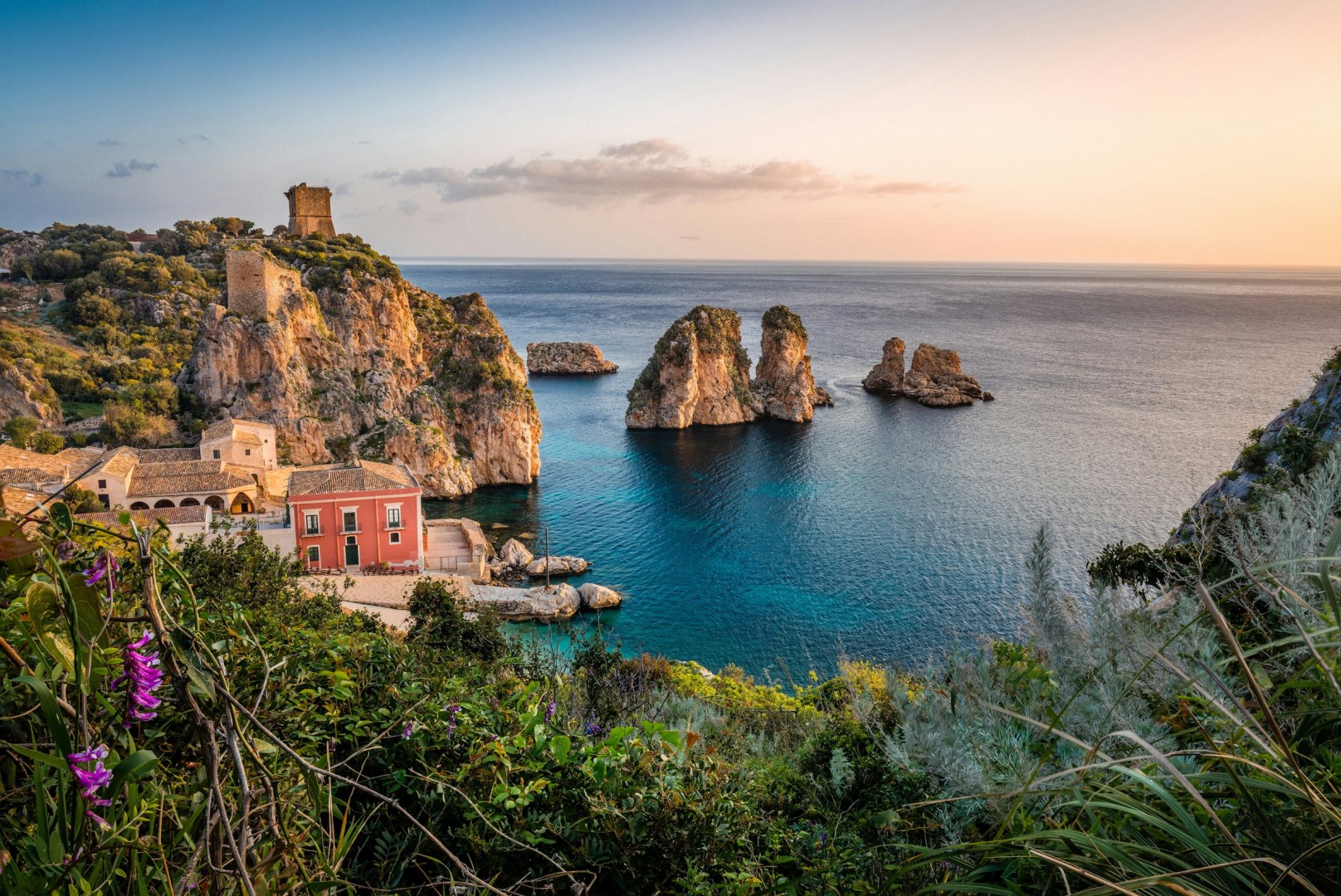
Castellammare del Golfo is a coastal town in western Sicily, set around a broad bay in the province of Trapani. Its historic center rises above a working marina, while the Arab-Norman castle stands directly beside the sea and gives the town its distinctive profile. The waterfront is lined with fishing boats, small streets, and buildings that climb toward the slopes of Monte Inici.
Amboise
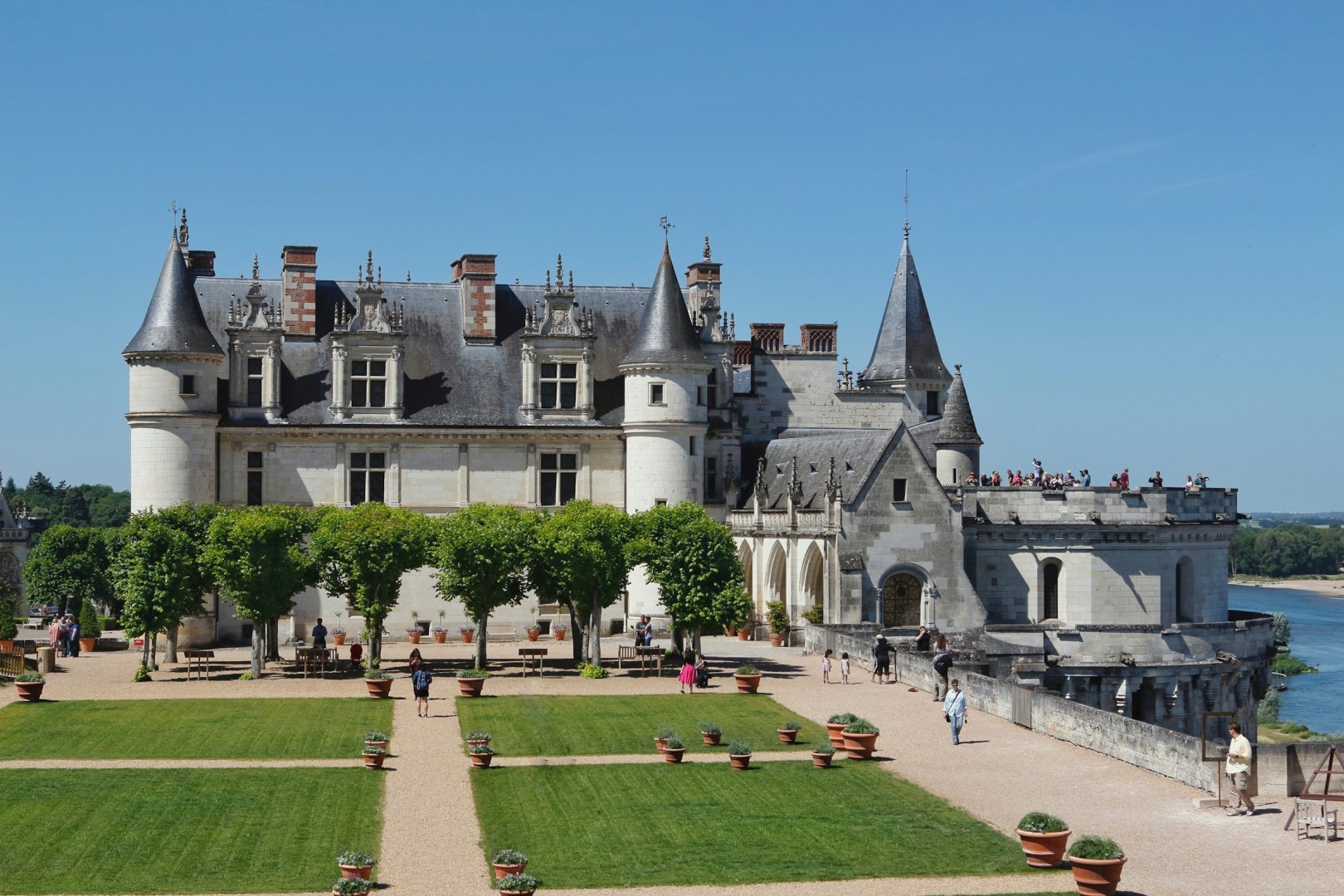
Amboise has 12,000 inhabitants and is in the heart of Touraine, in the land of chateaux. It is a town both traditional and modern, lively and quiet. In Amboise, there is a royal castle set above the Loire Valley and is a strong point extensively embellished during the 15th and 16th centuries.
Skopelos
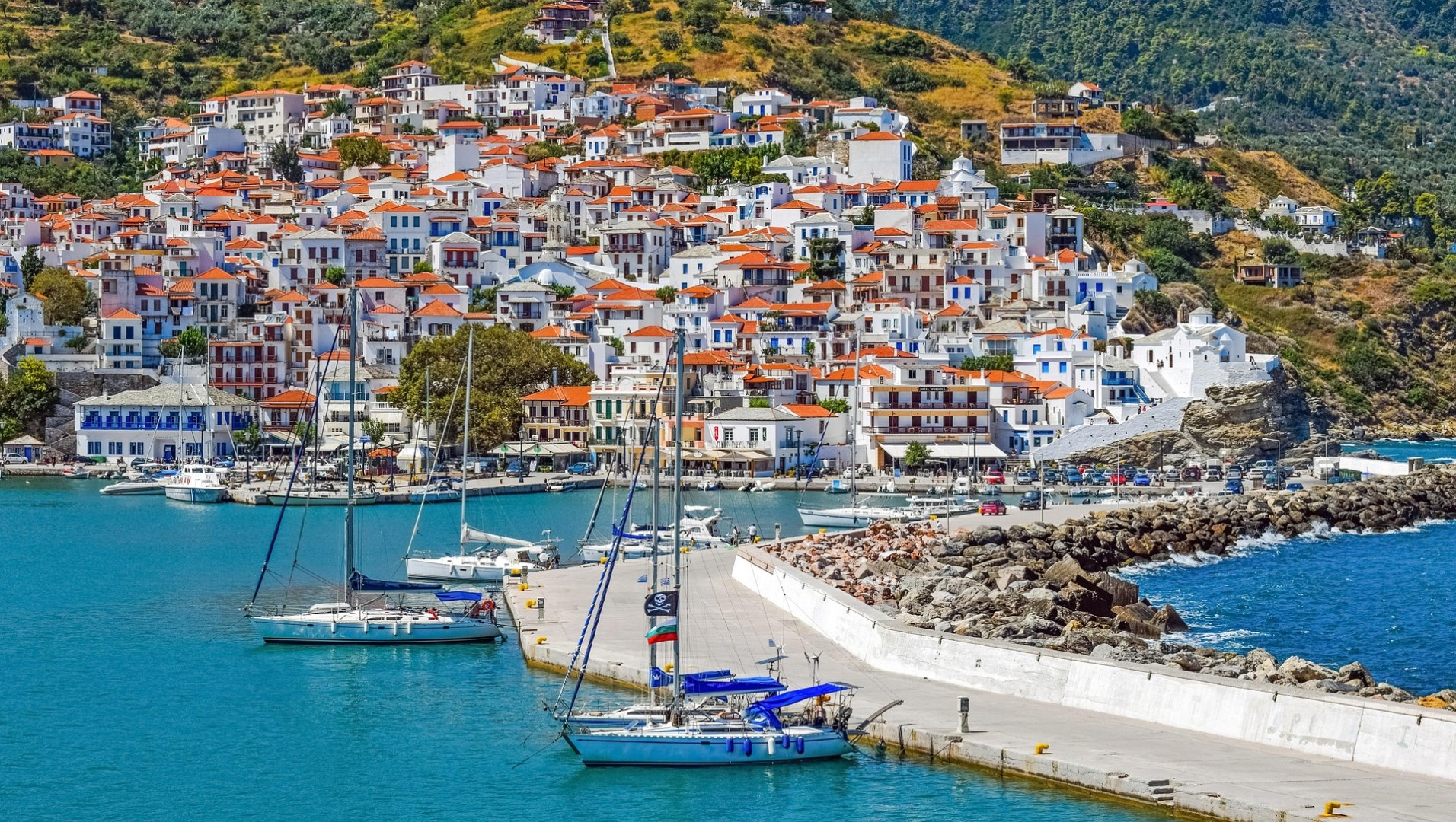
Skopelos is the largest island of the Northern Sporades, situated between Skiathos and Alonissos in the Aegean Sea. It is notably green, with pine forests and olive groves covering much of the island and reaching close to the coast. Skopelos Town, the island’s main settlement, rises amphitheatrically above the harbor, with white houses, tiled roofs, stone lanes, and numerous churches.