State College
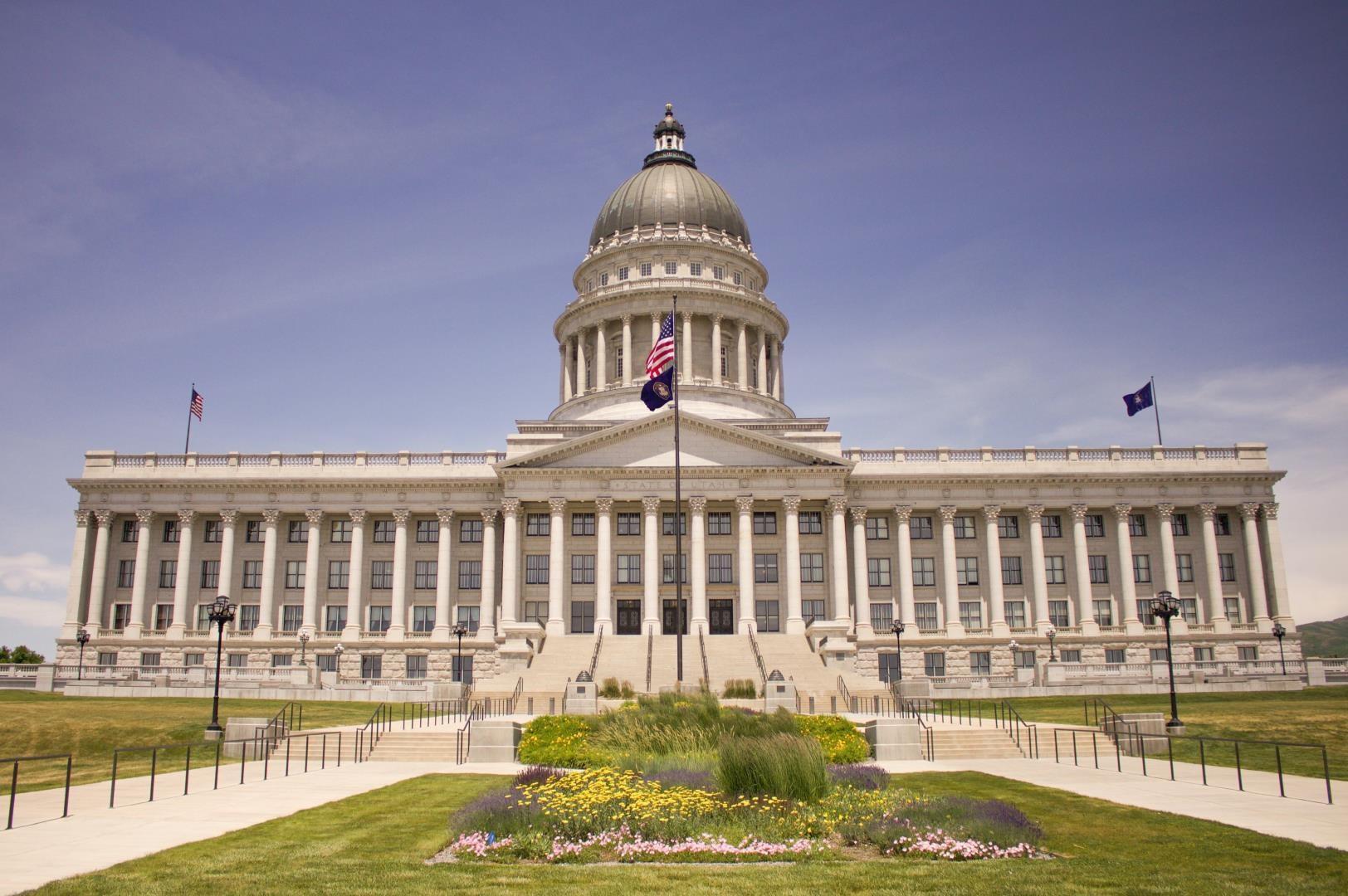
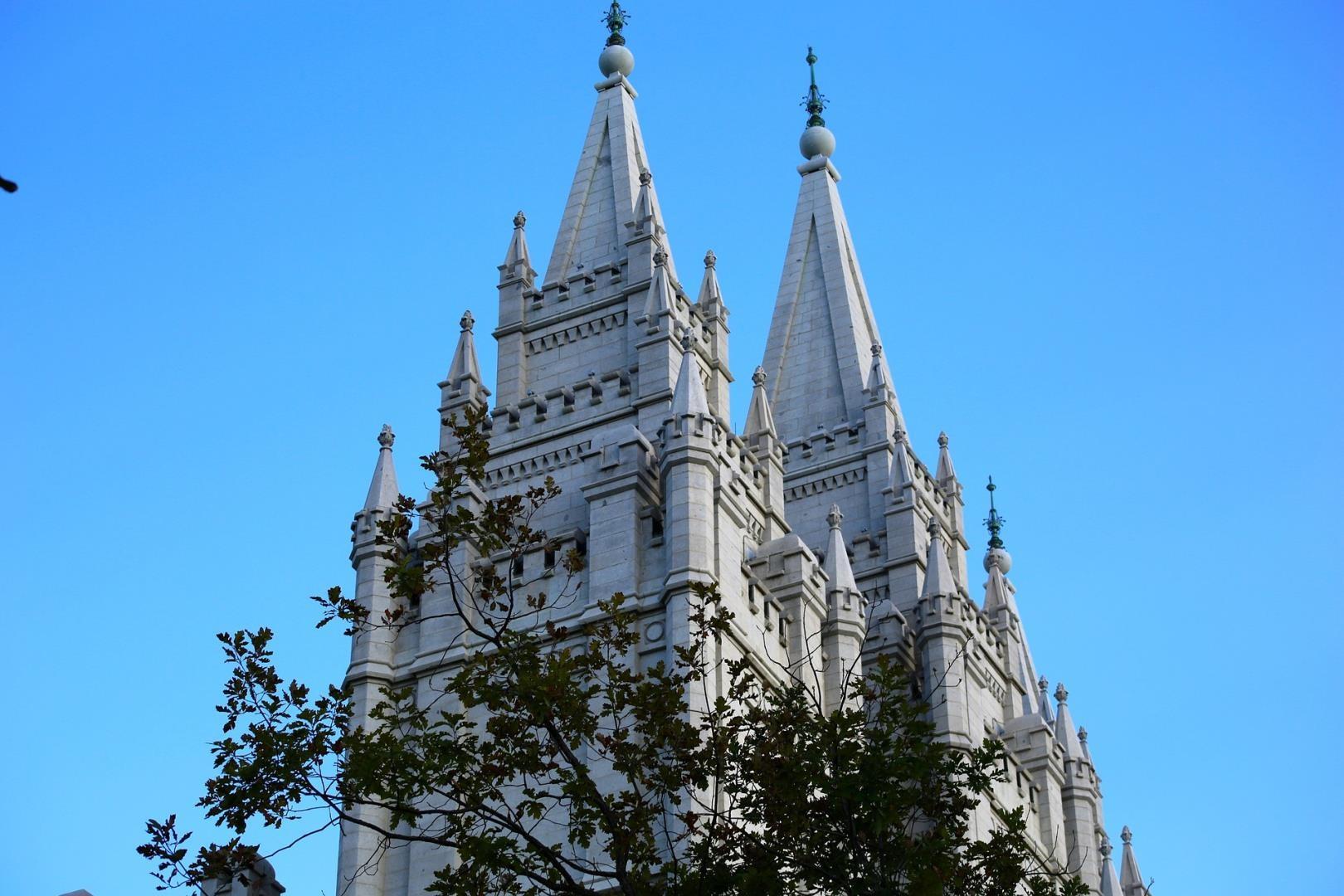
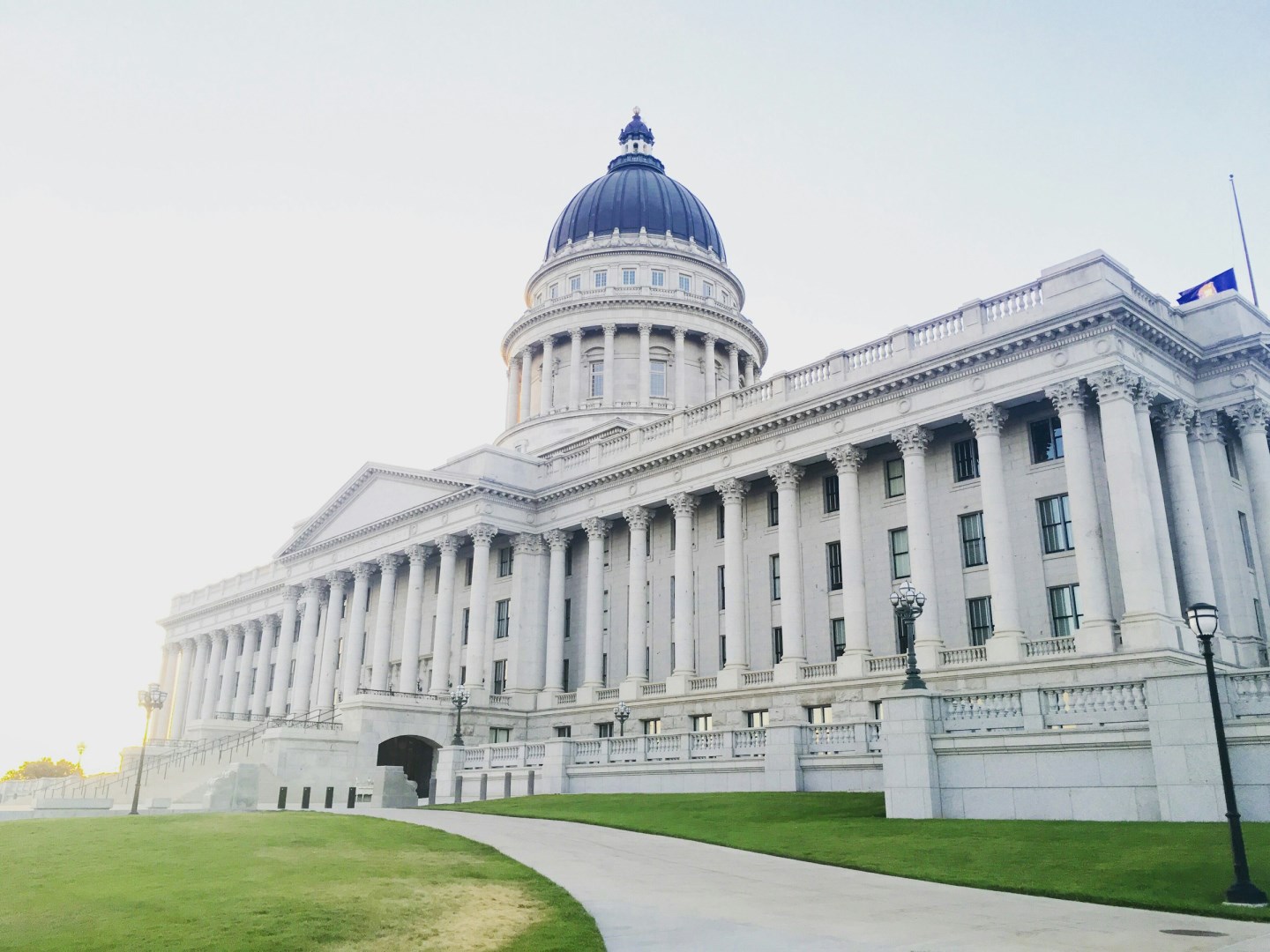
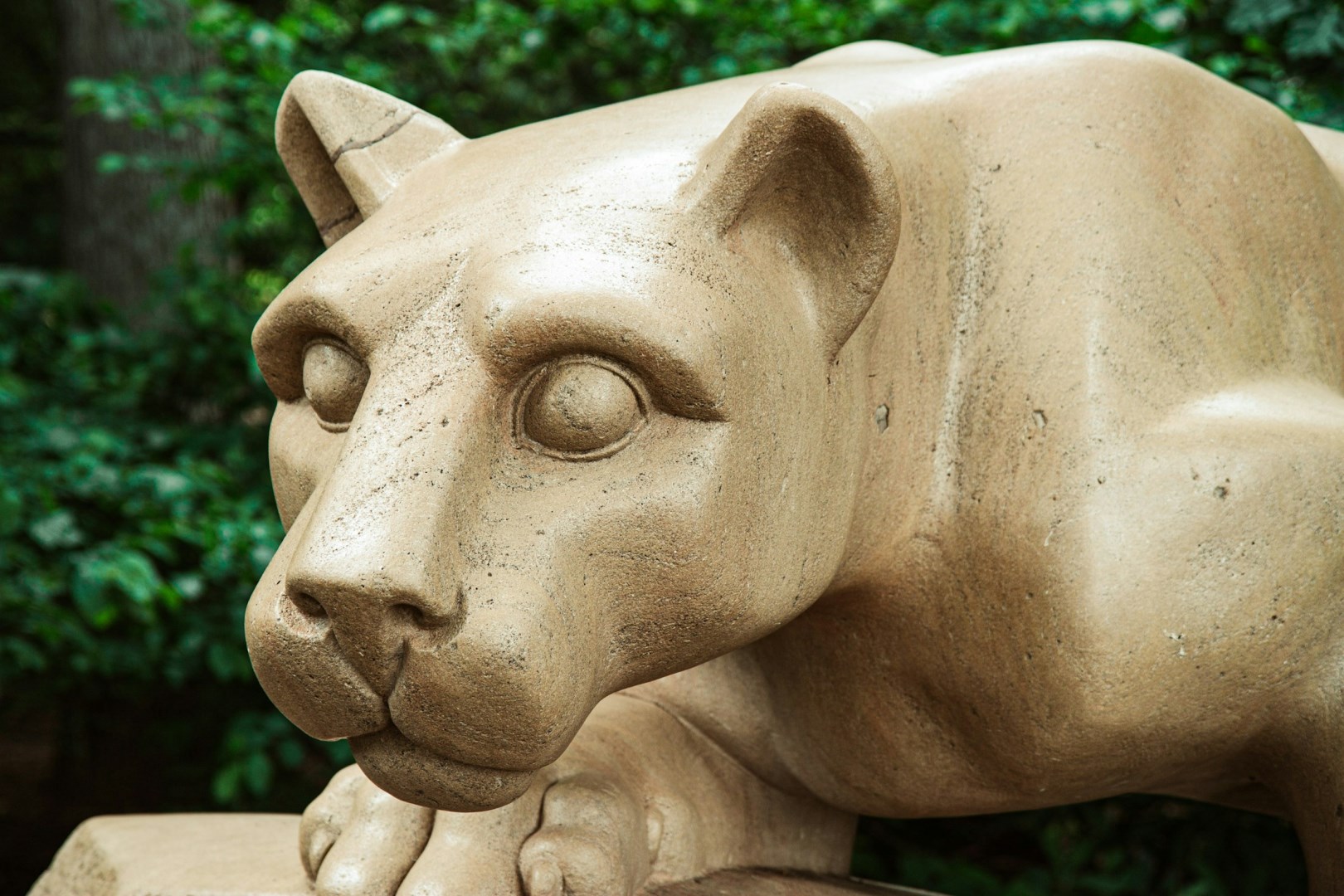
State College, borough, Centre County, central Pennsylvania, in the Nittany Valley; incorporated 1896. Situated in a fertile farm area, it is chiefly residential and has research and development firms producing electrical and electronic equipment, ceramic chips, and computer soft-ware. Other products include printed materials and chemicals. The Christopher Columbus family chapel, moved from Spain in 1919, is locat-ed nearby. The community, settled in 1859, is named for Pennsylvania State College
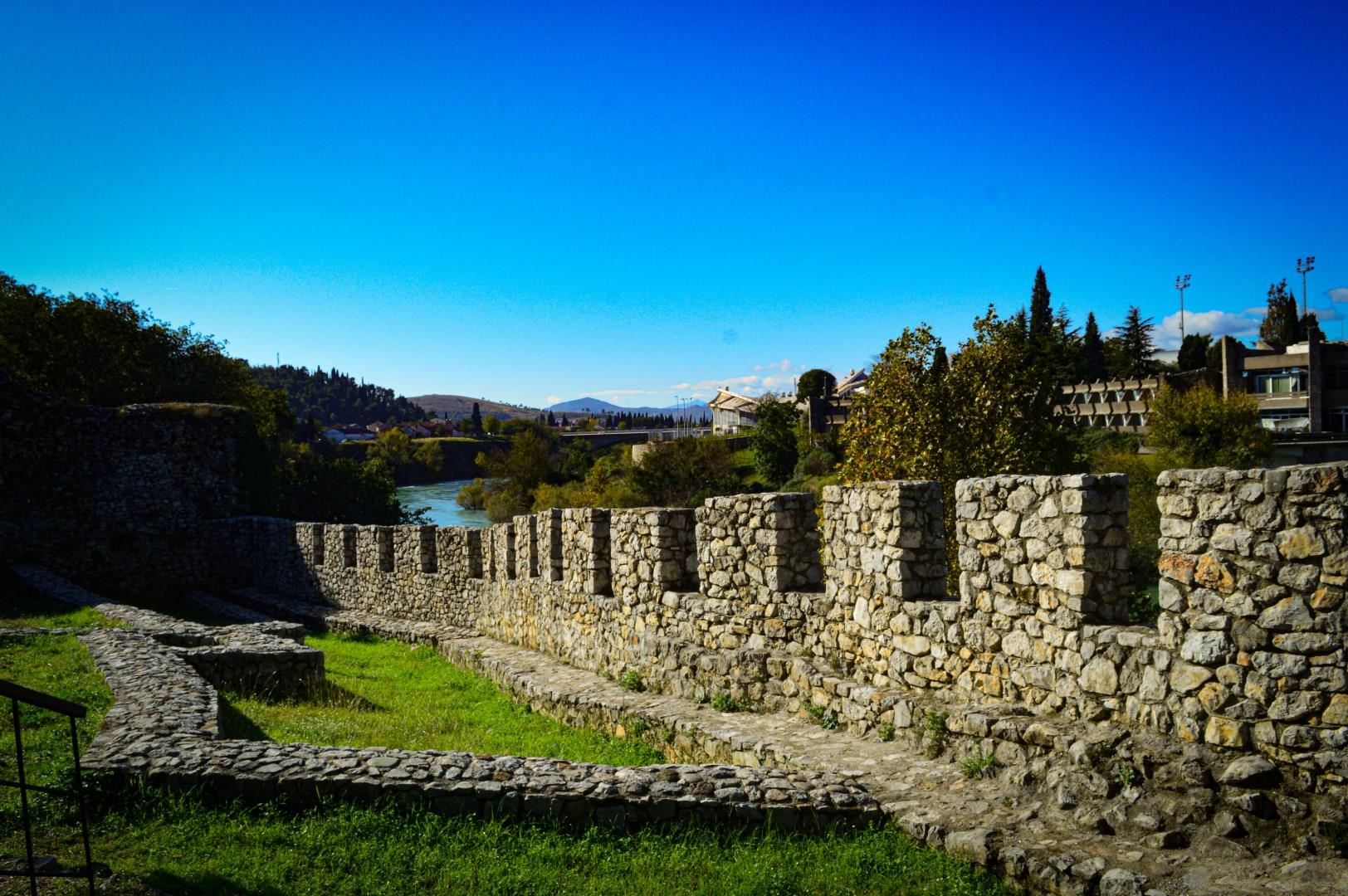
Podgorica
Podgorica, the capital of Montenegro, showcases the country’s contrasting landscapes and deep-rooted history. Although much of the city was rebuilt after World War II, traces of its Roman and Ottoman past still remain. Visitors can explore the ruins of Doclea, a Roman settlement just outside the city, where surviving columns and mosaics give a glimpse into life nearly two millennia ago.

Cuenca
Nestled in the Andes Mountains, Cuenca, Ecuador, is a city that seamlessly blends colonial charm, cultural richness, and natural beauty. Known as the “Athens of Ecuador” due to its vibrant intellectual and cultural life, Cuenca's historic center is a UNESCO World Heritage Site that delights visitors with its cobblestone streets, whitewashed buildings, and red-tiled roofs.

South Korea
South Korea is a land where ancient traditions live alongside futuristic cities. From Seoul’s grand palaces and vibrant arts scene to the volcanic landscapes of Jeju Island and the tranquil reflection of rice paddies in rural valleys, the country balances its rich heritage with constant reinvention.
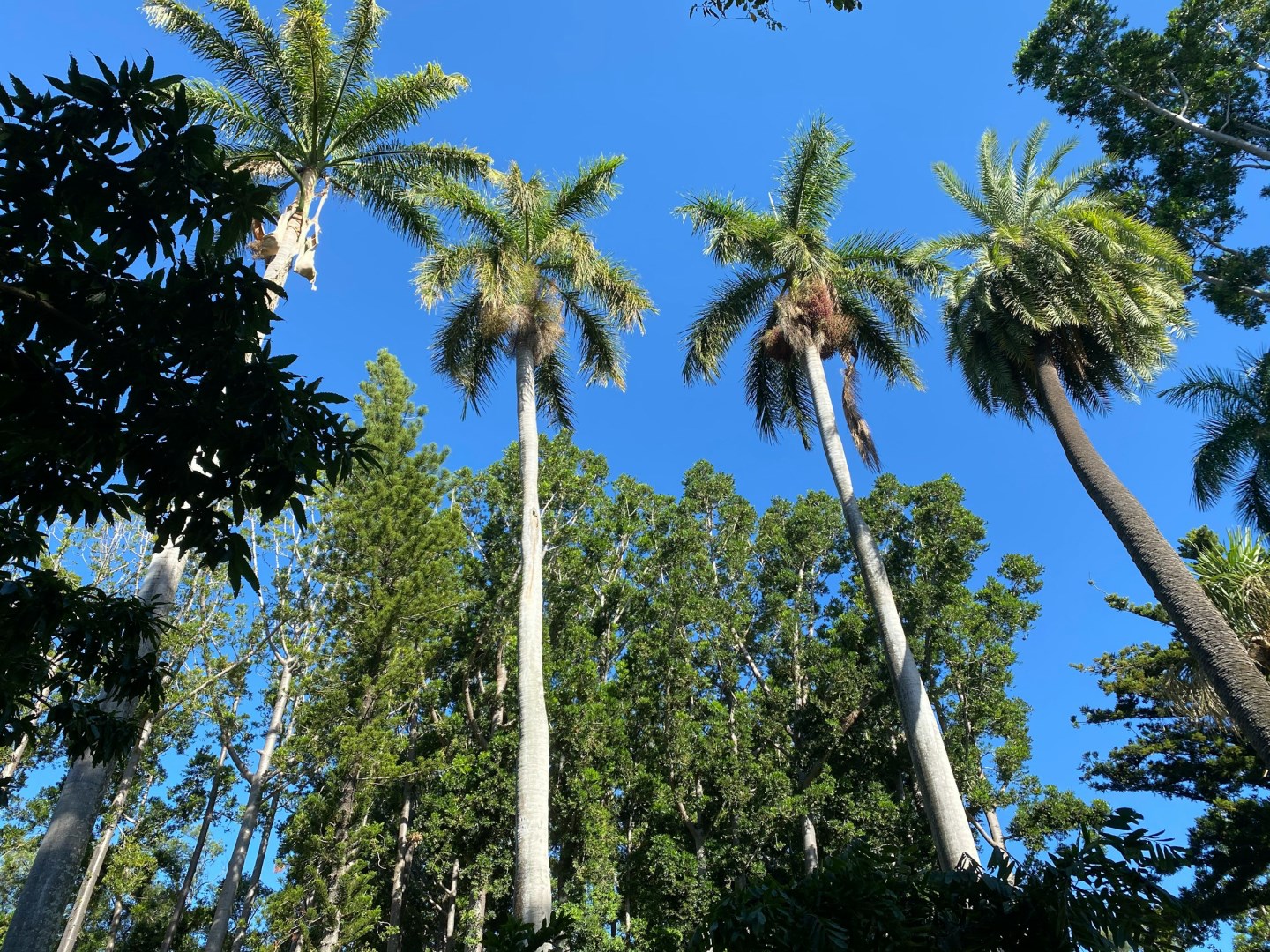
Rockhampton
From Rockhampton you can discover the richness and diversity of this region. To the east the blue waters of the Pacific Ocean lap the Capricorn Coast which is grandly decorated with stretches of sandy beaches, the Great Barrier Reef and semi-tropical islands.