Dallas
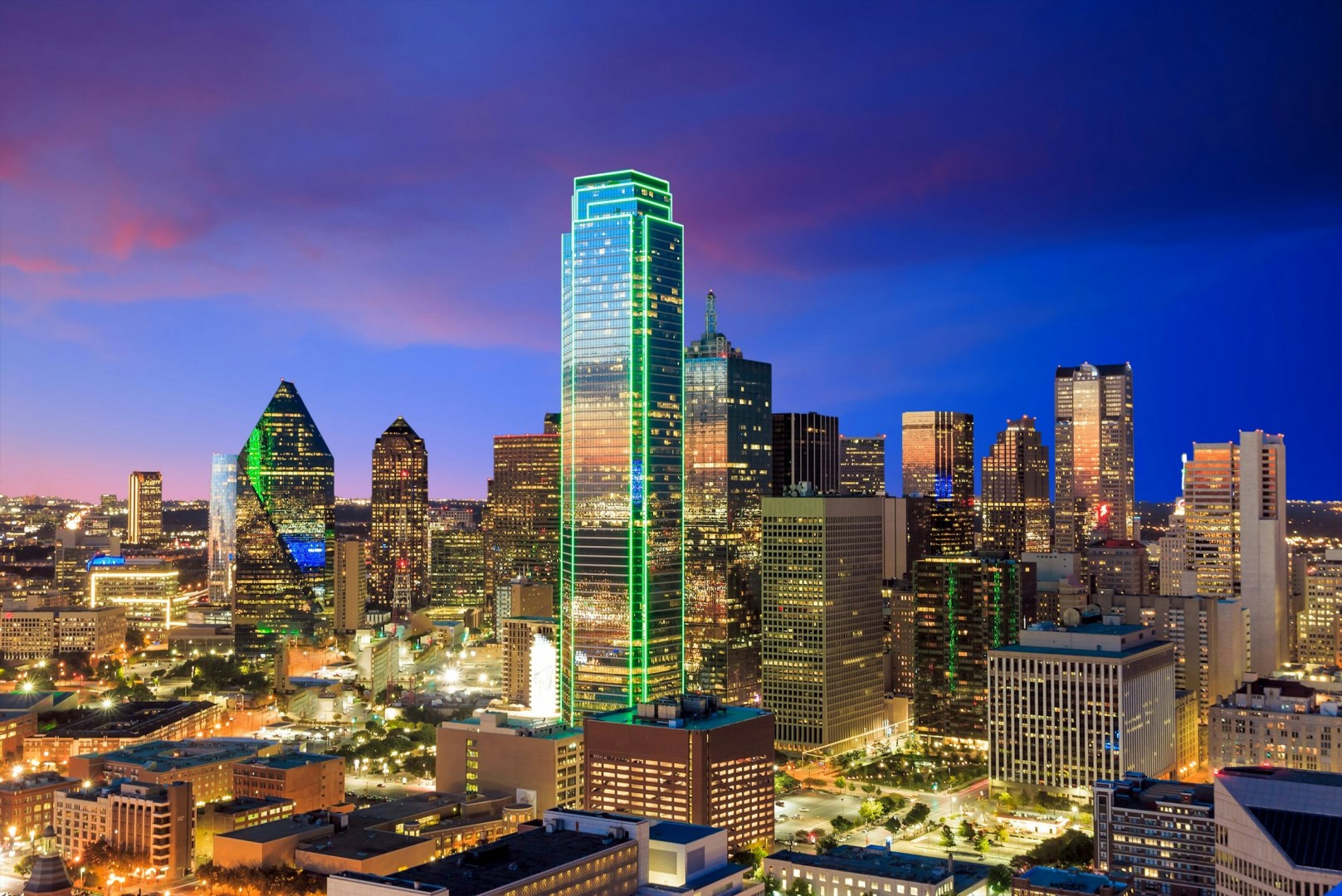
Dallas is a major city in North Texas, situated within the broad prairie and wooded creek landscapes of the Trinity River region. Its urban area includes a dense downtown, established residential neighborhoods, modern business districts, and extensive parks and trails. The city is part of the larger Dallas-Fort Worth metropolitan area and has developed as a major center for business, transportation, technology, arts, and culture.

Vang Vieng
Vang Vieng, nestled along the banks of the Nam Song River in central Laos, is an adventurer's paradise surrounded by stunning limestone karsts and verdant landscapes. Known for its laid-back atmosphere and natural beauty, this small town has transformed from a backpacker haven into a more sophisticated destination offering a mix of adventure, relaxation, and cultural experiences.
Mt. Rushmore
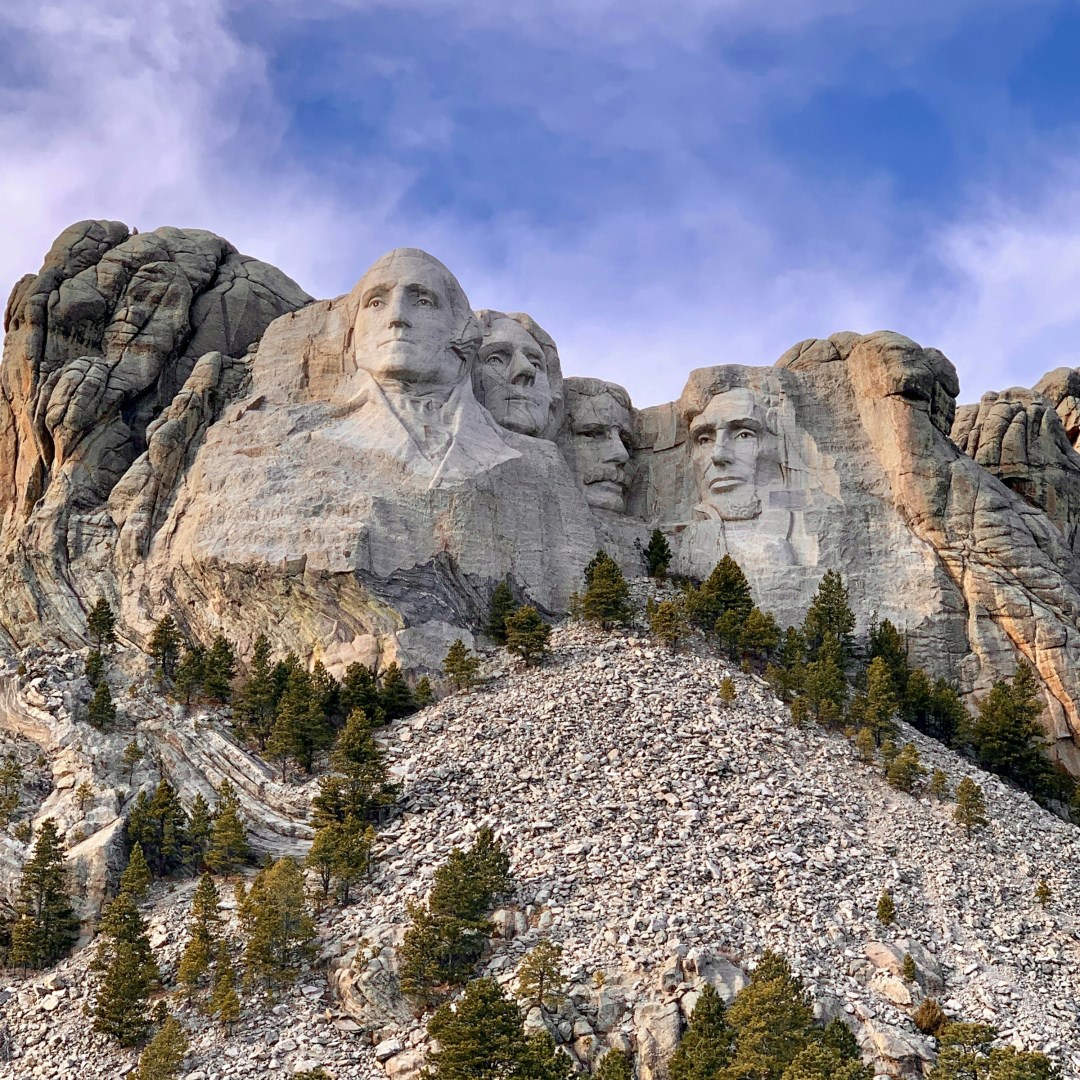
Located about twenty-five miles southwest of Rapid City, South Dakota, lies Mount Rushmore. Following Highway 244 from the west leads to the orientation center. There exhibits tell how sculptor Gutzon Borglum carved away twice the rock needed to construct Egypt's Great Sphinx (which isn't even as tall as Washington's nose).
Bad Ischl
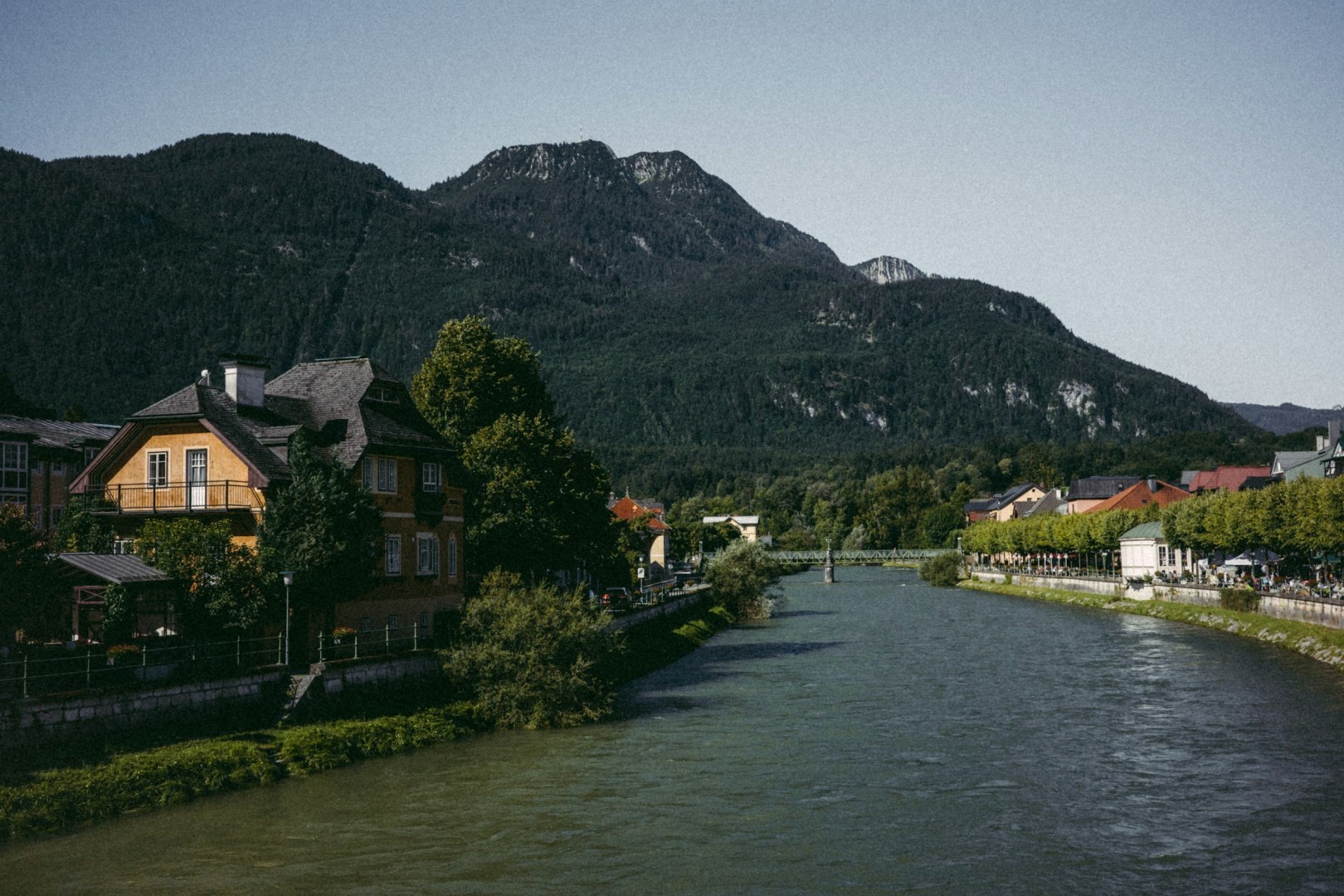
Bad Ischl is a spa town in Upper Austria's Salzkammergut region, set along the Traun River and surrounded by wooded mountains and alpine valleys. The town is known for its historic spa tradition, elegant villas, parks, and strong connections with the Habsburg imperial family.
Wadi Bani Khalid
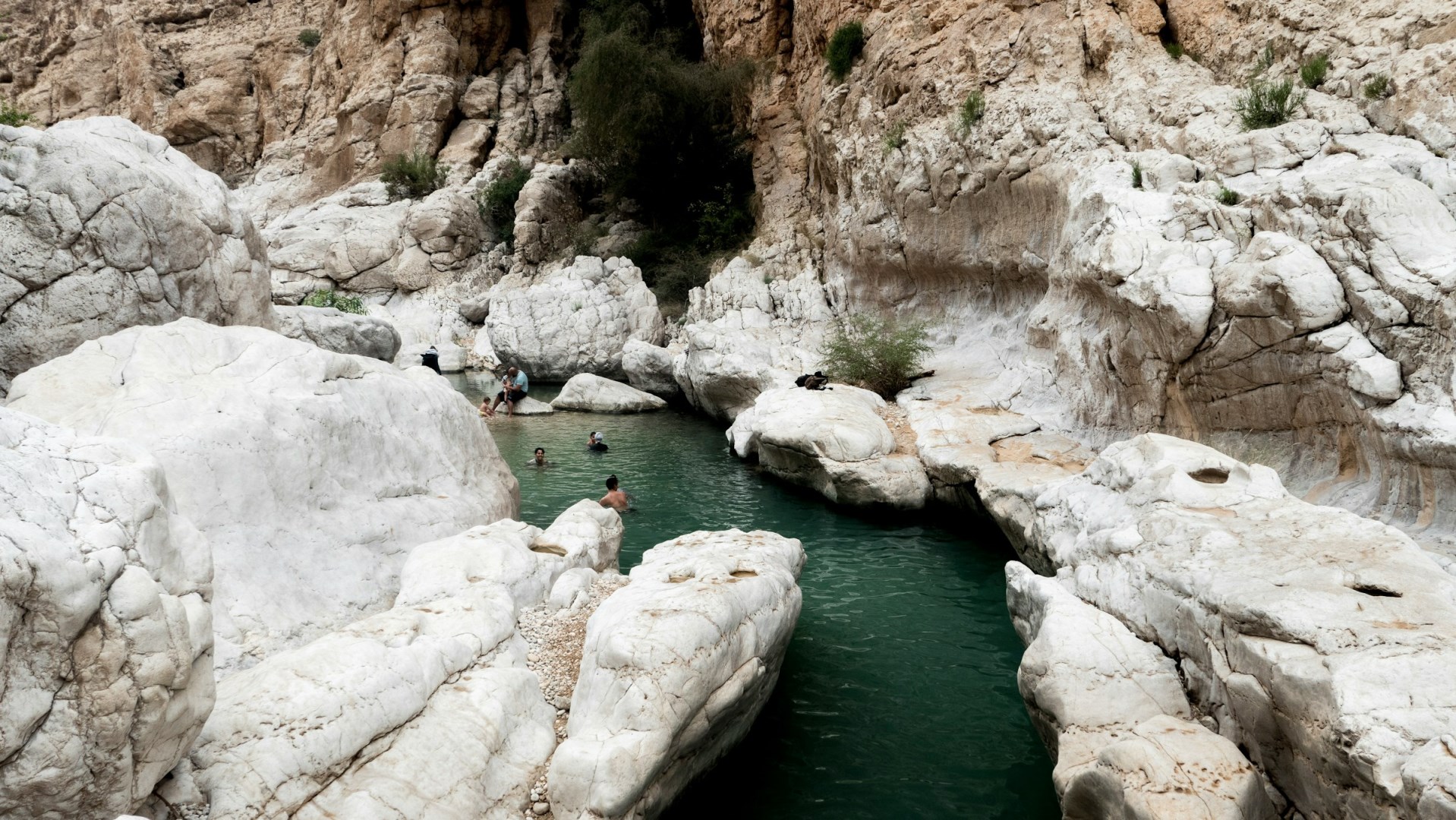
Wadi Bani Khalid is a major valley in Oman's Al Sharqiyah North Governorate, extending from the Hajar Mountains toward the desert landscapes of the Sharqiyah Sands. It is known for its year-round watercourses, pools, rocky gorges, and clusters of date palms. Unlike many wadis that can become dry, Wadi Bani Khalid retains flowing water in parts of its upper valley, creating a green contrast with the surrounding arid terrain.