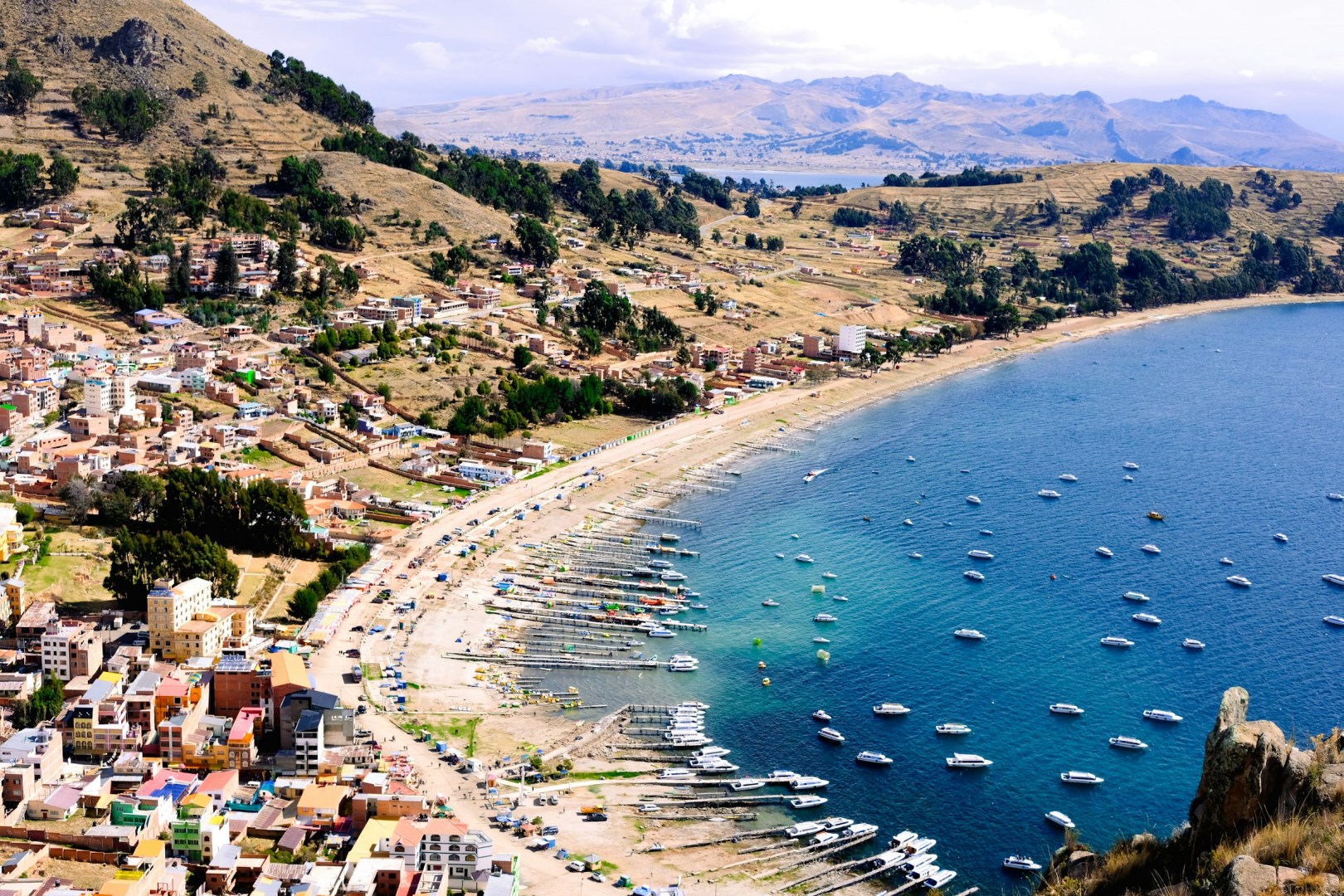
Copacabana
Copacabana is a lakeside town in western Bolivia, situated on the shores of Lake Titicaca near the Peruvian border. Its setting between the lake and the surrounding hills gives it a distinctive highland landscape, with views extending across the deep blue waters toward the distant mountains. Copacabana is one of Bolivia’s main gateways to Lake Titicaca and serves as a starting point for boat trips to Isla del Sol and nearby islands.

Rhode Island
Rhode Island may be the smallest state in the U.S., but it offers an outsized variety of experiences, from colonial history to coastline escapes. Founded in 1636 by Roger Williams as a haven for religious freedom, the state still reflects its independent spirit. In Providence, travelers can visit the John Brown House Museum to explore the city’s role in early American commerce, or walk Benefit Street, lined with preserved 18th- and 19th-century homes.

Grand Canyon
Stretching 277 miles in length and more than a mile deep, this vast canyon reveals layers of geologic time stacked like pages in a book. Standing on the South Rim, visitors can look out over colorful cliffs and winding trails that have drawn explorers, artists, and travelers for generations. The views change with the light starting with crimson at sunrise, golden at sunset, and every hue in between.

Gibraltar
Perched at the southern tip of the Iberian Peninsula, Gibraltar is a captivating destination where British and Mediterranean influences seamlessly blend. Dominated by the iconic Rock of Gibraltar, this British Overseas Territory is a haven for travelers seeking both adventure and history. The Rock itself is a limestone monolith that stands 426 meters high and offers breathtaking views over the Strait of Gibraltar, where the Mediterranean Sea meets the Atlantic Ocean.
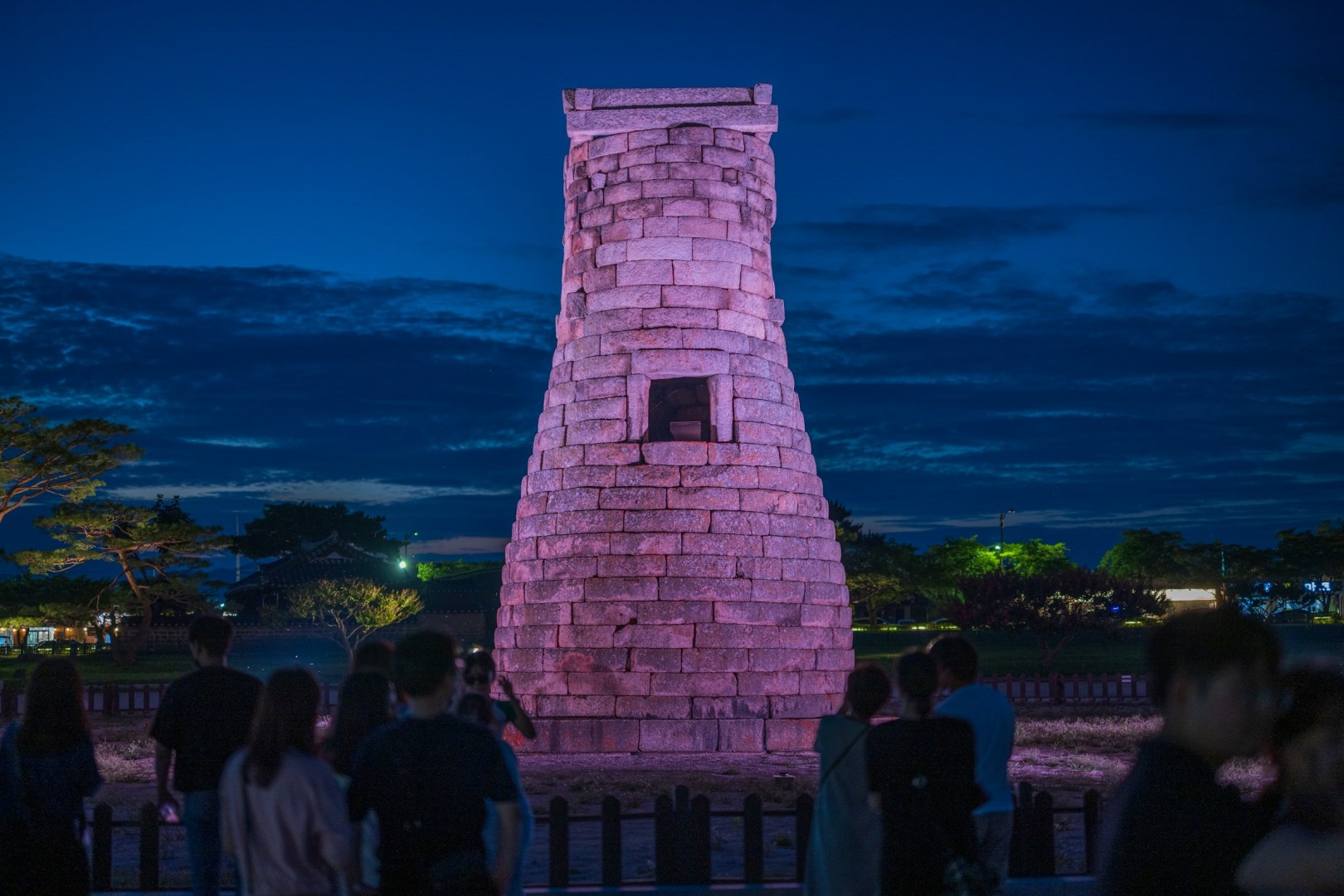
Gyeongju-si
Gyeongju-si is a historic city in southeastern South Korea known for its close connection with the Silla kingdom and its concentration of archaeological sites, temples, royal tombs, and Buddhist monuments. Much of the city’s heritage is spread across open landscapes rather than confined to a single historic center. The Gyeongju Historic Areas include Mount Namsan, the Wolseong area, royal tomb complexes, and the remains of major temples and palaces.