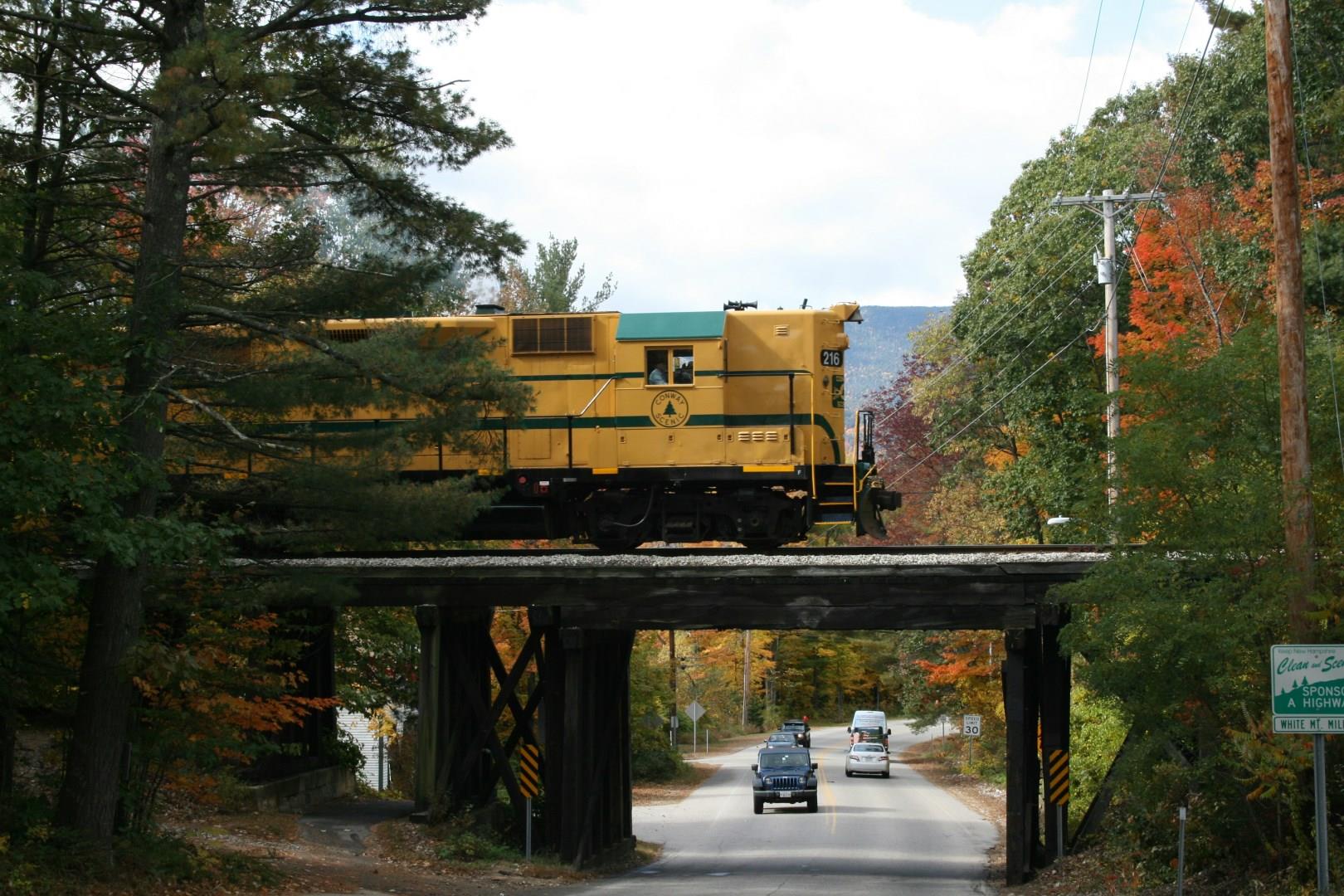
North Conway
North Conway, located in New Hampshire’s Mount Washington Valley, has drawn visitors since the mid-19th century, when artists from the White Mountain School began painting its dramatic landscapes. Today, the area still offers scenic appeal, anchored by the towering presence of Mount Washington, the tallest peak in the northeastern U.S. Historic photographs and lithographs of North Conway hang in galleries downtown, showing just how little the iconic views have changed in over 150 years.
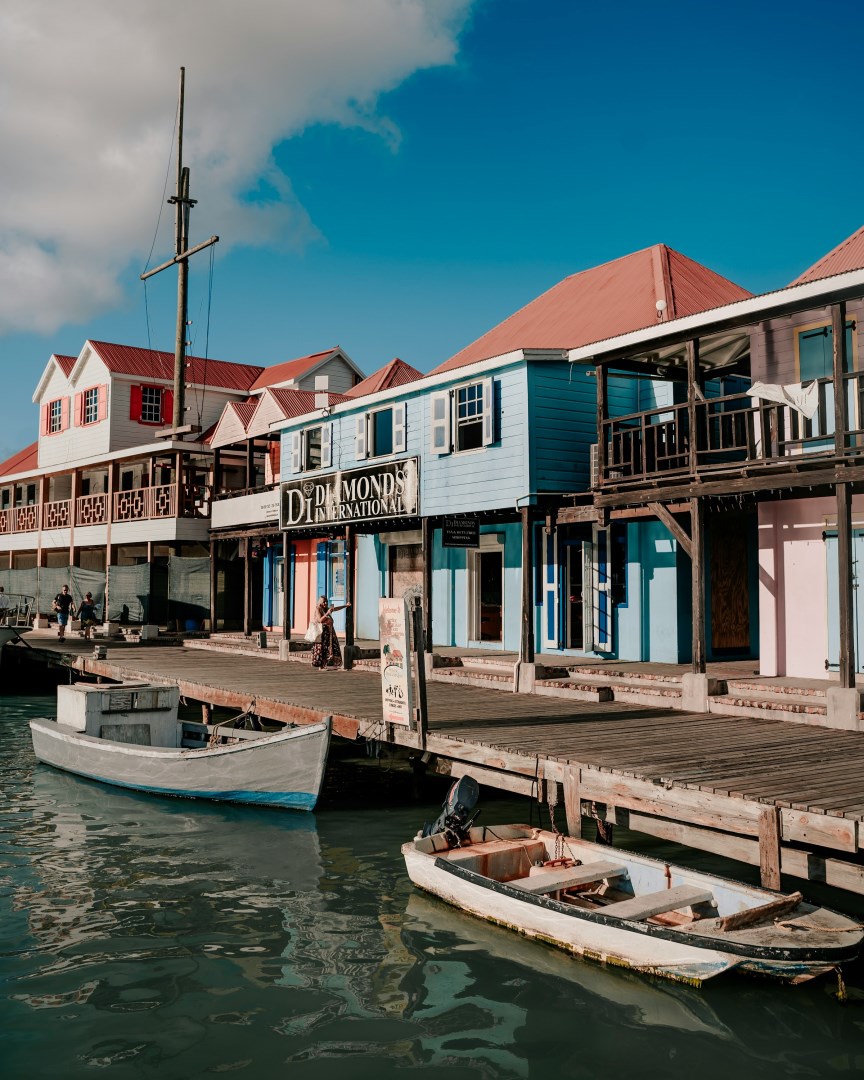
St. John's
Saint John, the vibrant capital of Antigua and Barbuda, is a captivating destination known for its colorful colonial architecture. The city offers visitors a charming mix of history, culture, and natural beauty.

Central Asia
South Central Asia offers travelers a journey through vivid contrasts, where centuries-old temples stand beside bustling modern cities, and tea-covered hills roll into dense tropical forests. In India, visitors can witness the grandeur of Mughal architecture at the Taj Mahal, then find serenity at the ghats of Varanasi, where rituals have continued for thousands of years.
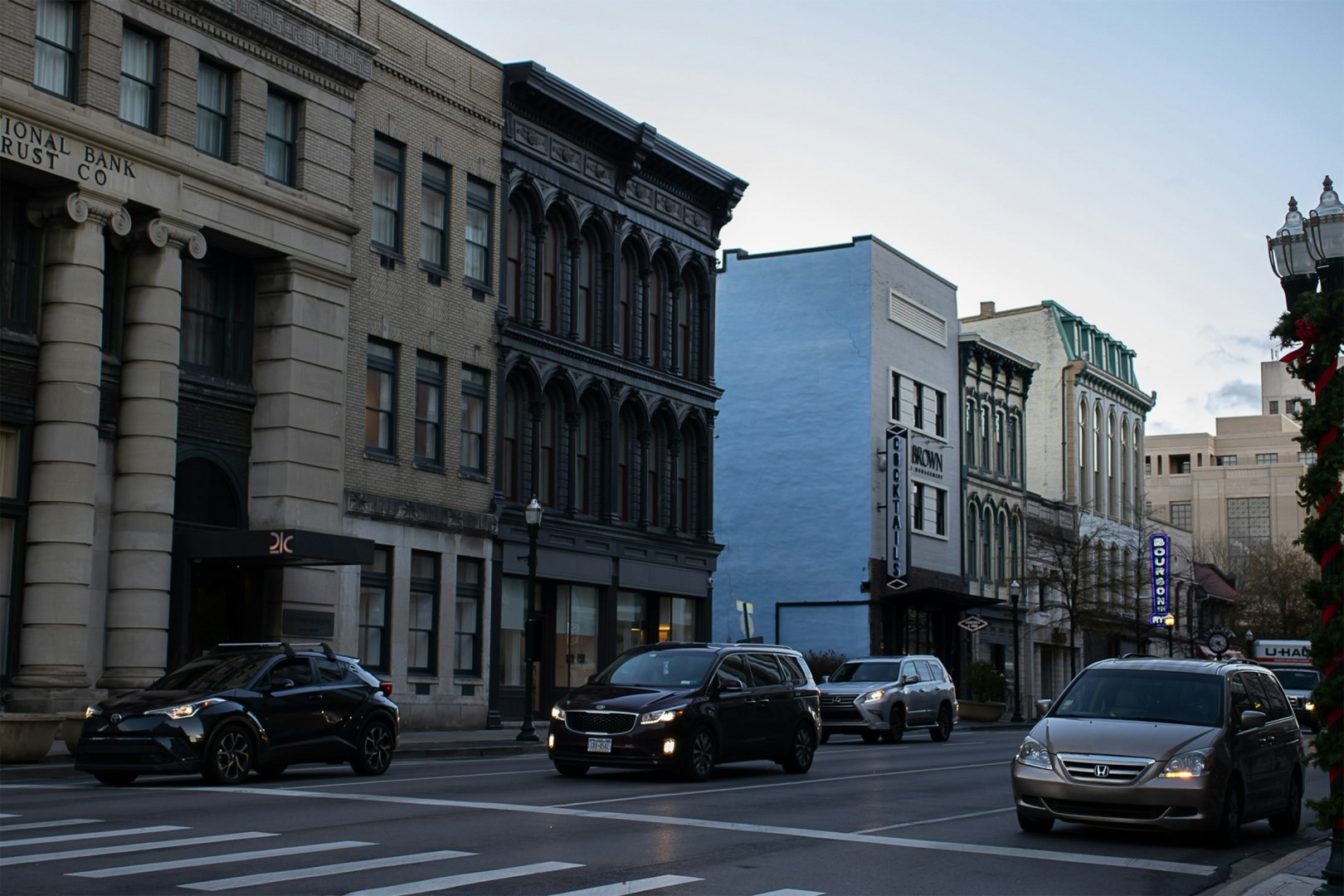
Lexington
Lexington lies in Kentucky’s Bluegrass Region, surrounded by rolling pastureland, limestone-rich soil and hundreds of horse farms. Known as the “Horse Capital of the World,” the city is closely associated with Thoroughbred breeding and racing, yet it also has a busy downtown shaped by universities, restaurants, arts venues and bourbon production.
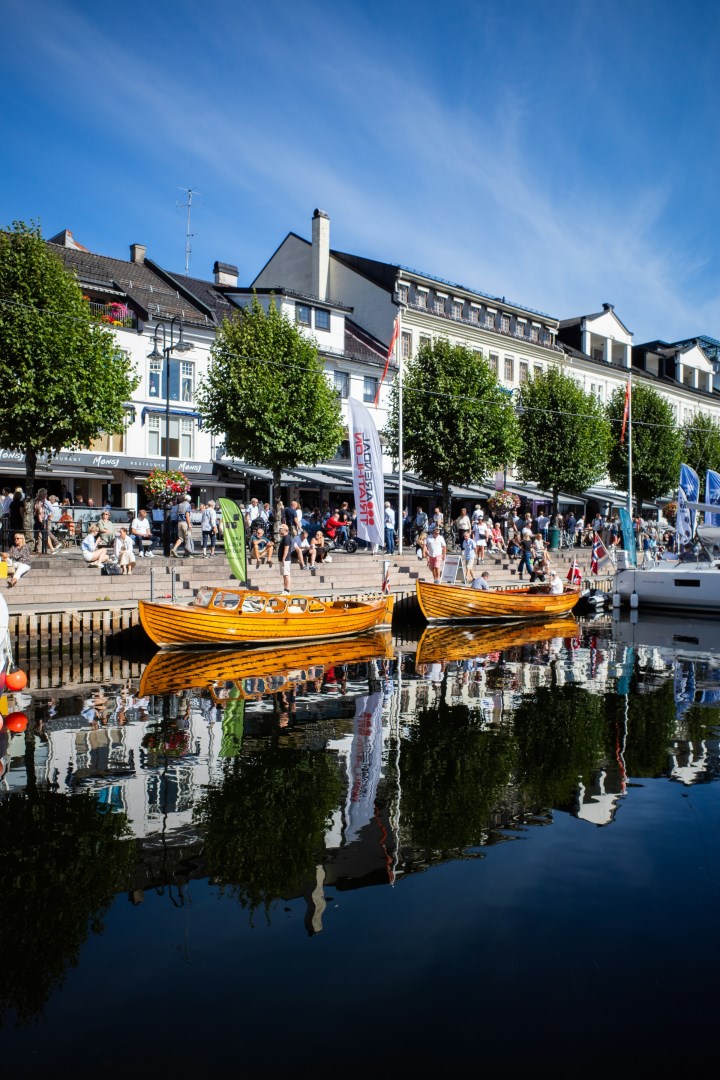
Arendal
Arendal is a coastal city in Agder, southern Norway, set around a sheltered harbor and a chain of islands and skerries along the Skagerrak. The city center combines maritime activity with historic wooden buildings, waterfront streets, and the inner harbor of Pollen. Arendal’s location has long influenced its economy and character, with shipping, forestry, and mining playing important roles in its development.