Uluru
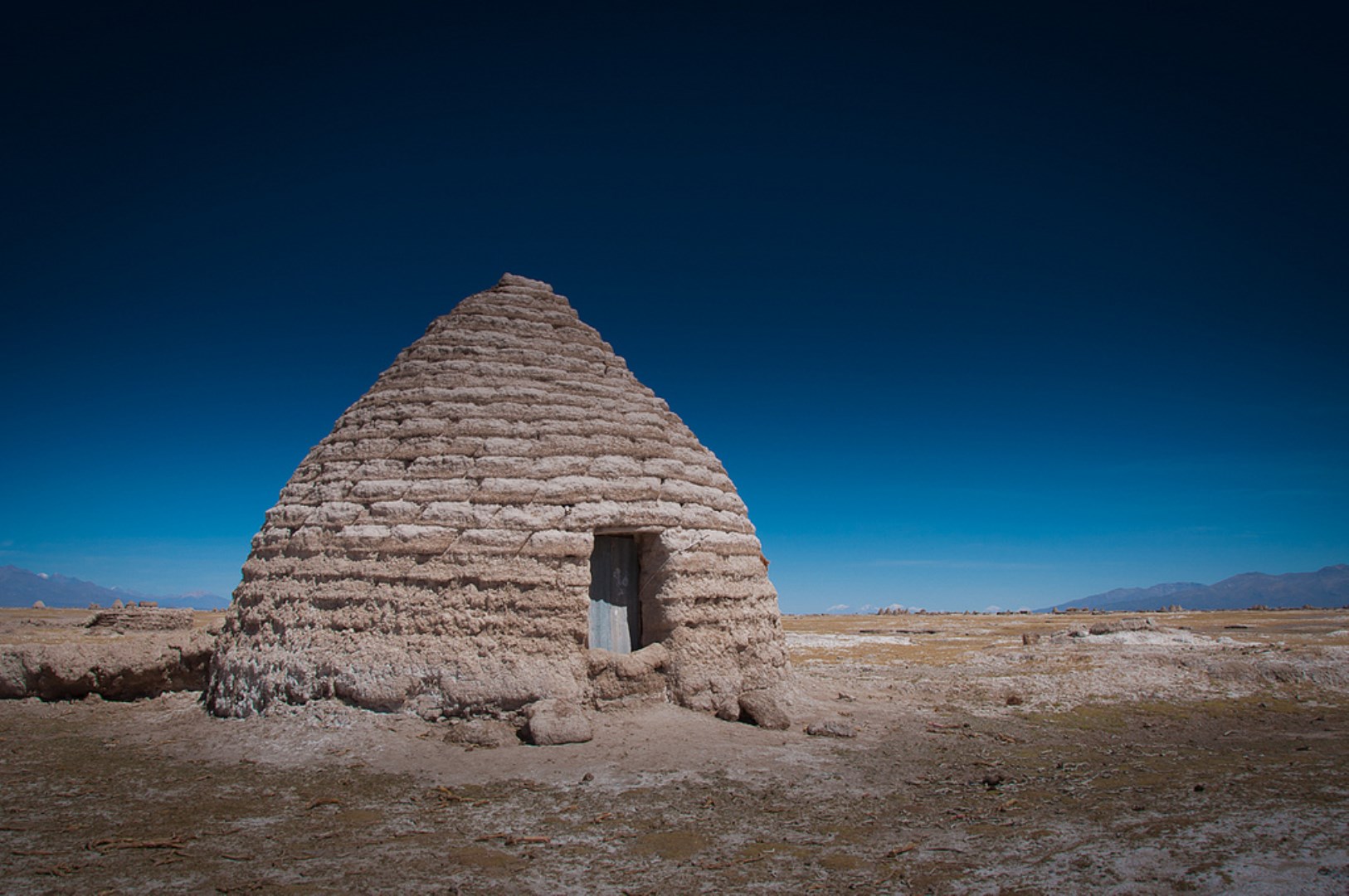
Located in Australia's Northern Territory, Uluru is an iconic sandstone formation and UNESCO World Heritage site. This red rock monolith, believed to be over 500 million years old, has been considered sacred by Australia's indigenous peoples for thousands of years and is one of the country's most well-known natural landmarks. This spiritual destination will astound you at sunrise and sunset, when the warm sunlight turns Uluru to deep hues of red and orange.
Konya
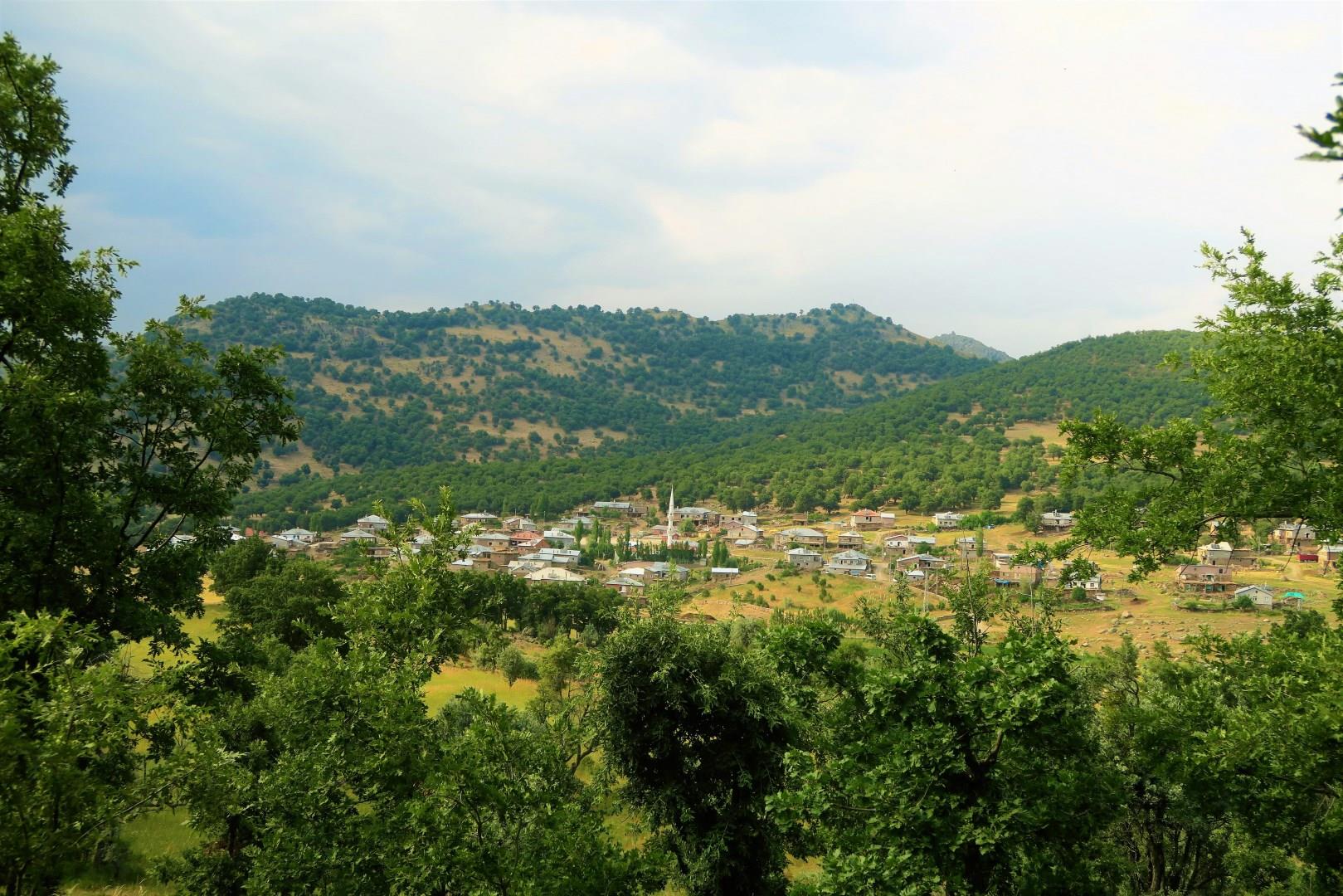
Konya has served as a spiritual center for centuries. Every December, the Şeb‑i Arûs festival marks the passing of Rumi, the Persian mystic, and draws Sufis and visitors from around the world to witness the Sema. Whirling dervish dance is performed to the sound of ney flutes and drums. In one of the country's most hushed and vivid traditions, performers spin in unison in flowing white skirts, a scene that blends meditation with graceful motion in a way found nowhere else.

Hong Kong
Hong Kong is one of the few places in the world where a 700-year-old fishing village sits minutes away from the headquarters of international banks. Once a British colony and now a Special Administrative Region of China, the city carries traces of Cantonese, colonial, and global influences in its streets, rituals, and food. The city has more than 300 hiking trails, including the well-known Lion Rock hike, which ends at a dramatic cliff overlooking Kowloon’s dense skyline.

Turks and Caicos Islands
The Turks and Caicos Islands, a British Overseas Territory in the Atlantic, are celebrated for their luminous turquoise waters and powder-soft beaches. Grace Bay on Providenciales is the most famous stretch of sand, consistently ranked among the world’s best, where calm seas and vibrant reefs invite both relaxation and adventure.
Sintra
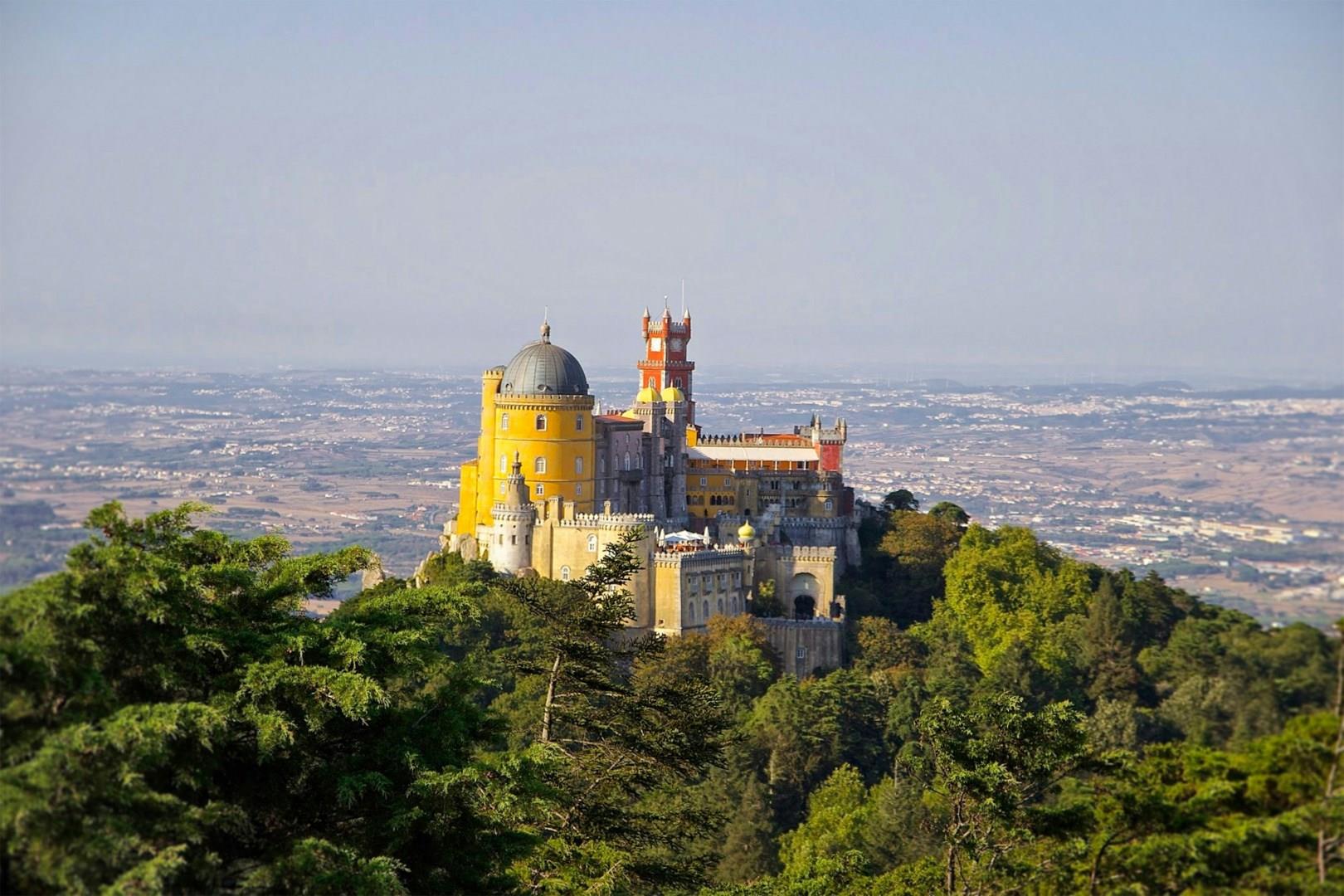
Sintra, located just 40 minutes from Lisbon, feels like a world apart. Tucked into the hills of the Serra de Sintra, this town has drawn kings, poets, and explorers for centuries. It was once the summer retreat of Portuguese royalty, who left behind palaces and gardens that seem pulled from a storybook. The most famous, Palácio da Pena, is perched high above the town with bold red and yellow towers that blend Romanticism with Moorish and Gothic styles.