Perugia
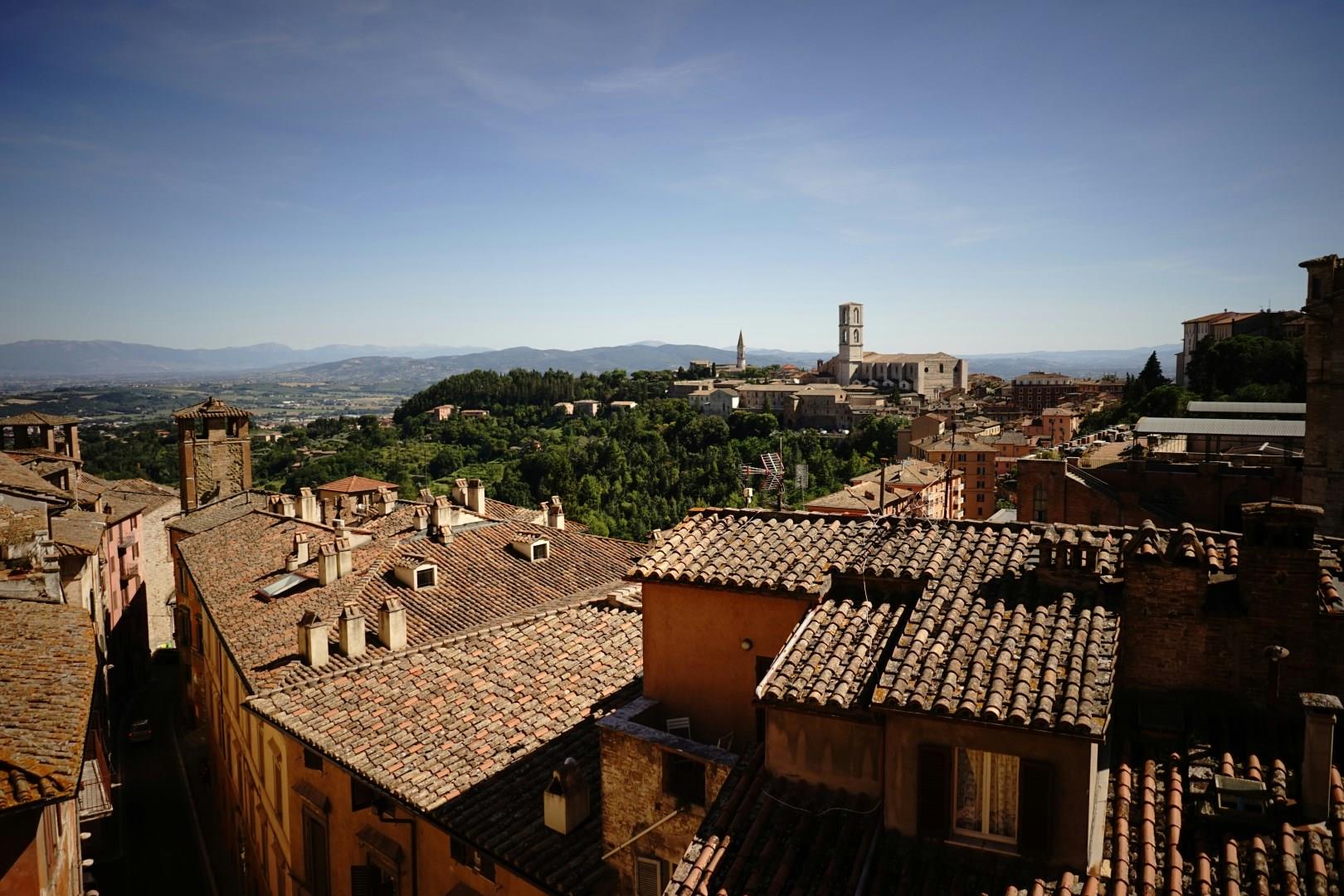
Perugia, the capital of Italy’s Umbria region, is a city built across hills and centuries. Originally settled by the Etruscans more than 2,500 years ago, it still holds remnants of their civilization, including one of the largest surviving Etruscan arches in Italy named Arco Etrusco, which greets visitors at the city’s entrance. Walking through the narrow streets of the historic center reveals layers of Roman, medieval, and Renaissance architecture, all woven together within ancient stone walls.

Las Vegas
Las Vegas, Nevada, is an electrifying city where glitz and glamour meet entertainment and excitement. Known as "The Entertainment Capital of the World," Las Vegas offers an unparalleled array of attractions, from its iconic casinos and luxurious hotels to its world-class dining and live shows. The city's entertainment scene is second to none, featuring legendary headliners, cutting-edge performances, and an array of themed attractions.
Maracay
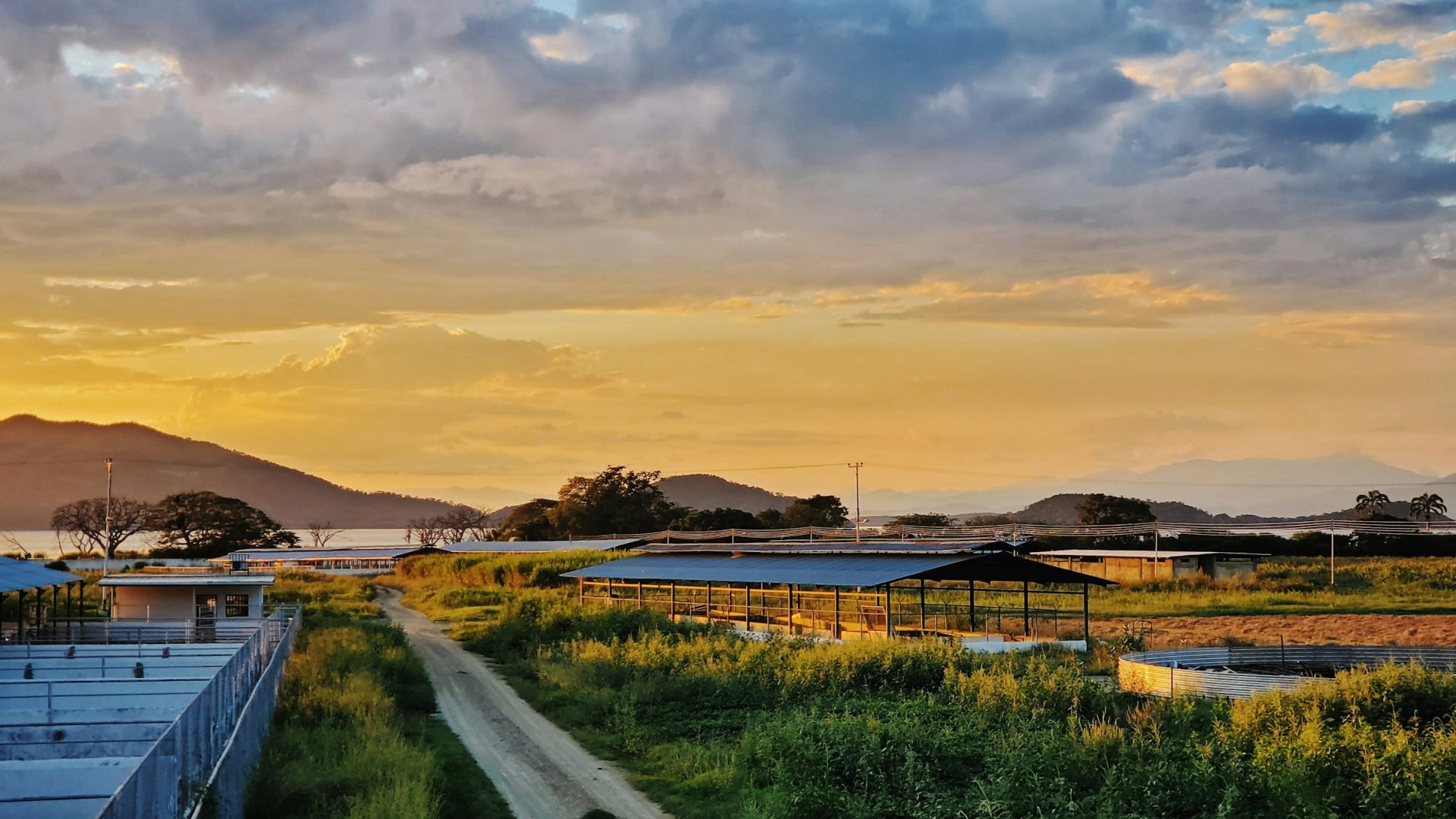
Located southwest of Caracus, this town is in the Andes near Lake Valencia where prehistoric fossils have been found.
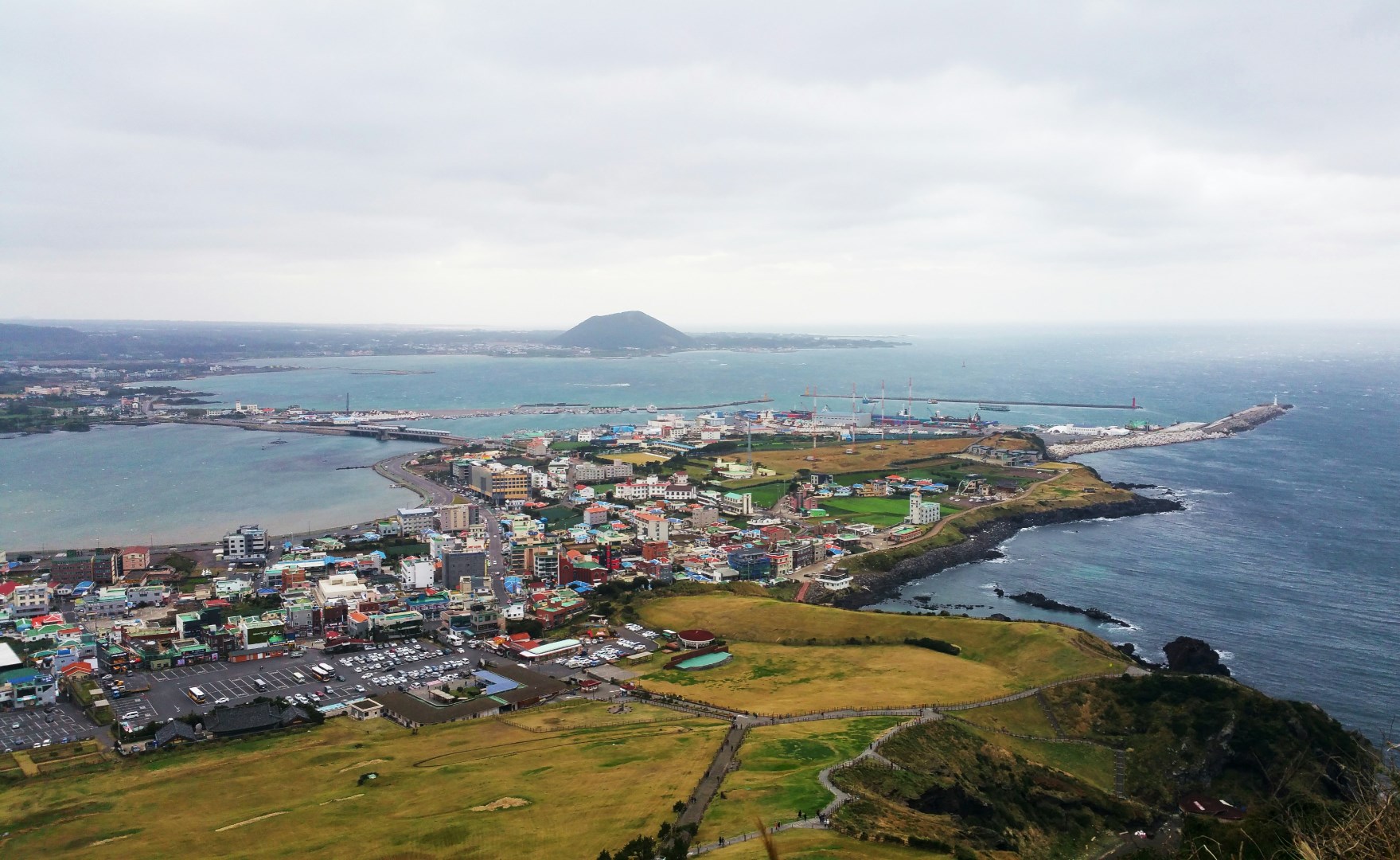
Cheju
Jeju, often written as Cheju in older English sources, is South Korea’s largest island and lies in the Korea Strait south of the Korean Peninsula. The island is known for its volcanic landscapes, coastal cliffs, lava tubes, and the prominent peak of Hallasan, which rises at its center.
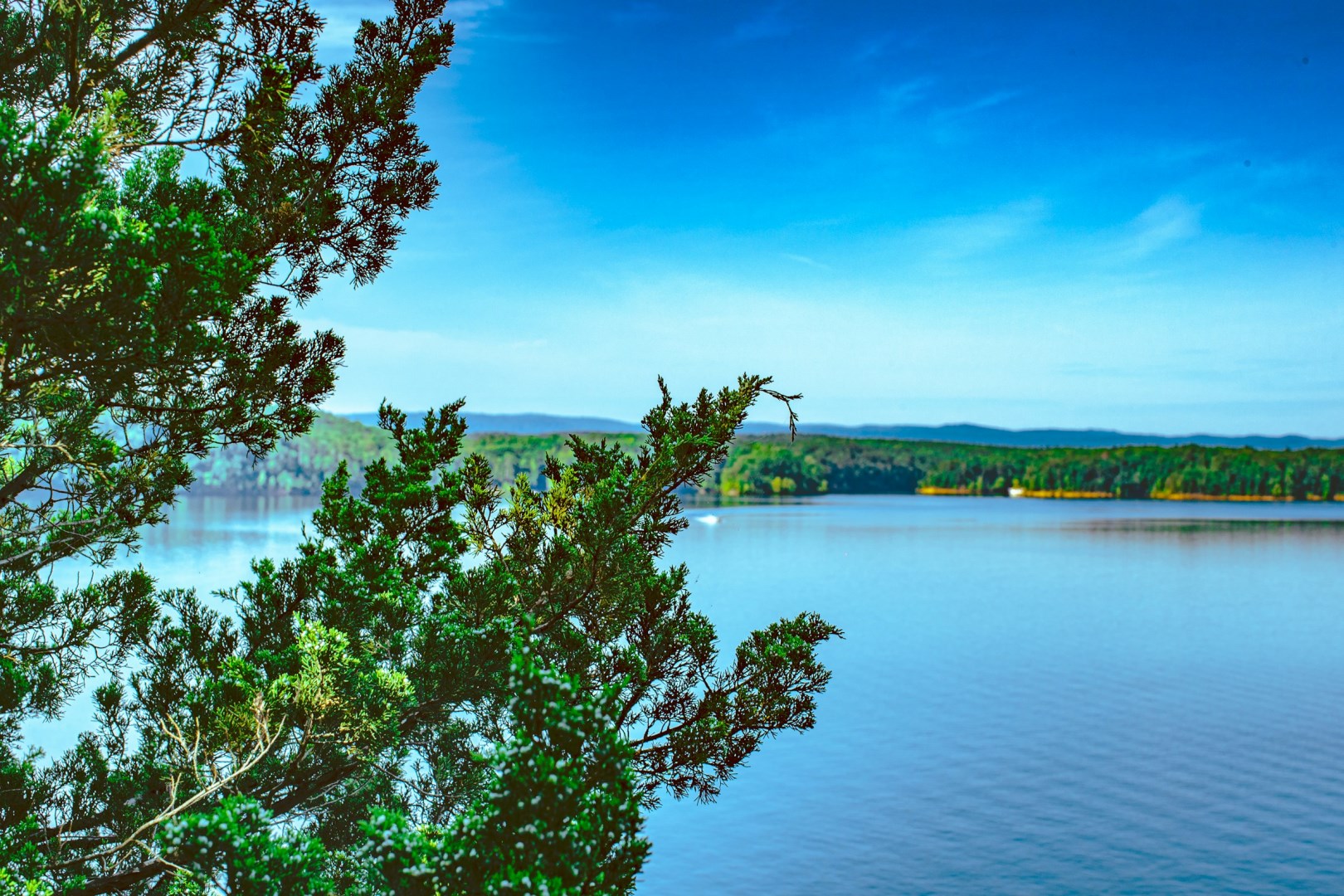
Lake Ouachita
Lake Ouachita is a large reservoir in west-central Arkansas, surrounded by the forested hills of the Ouachita Mountains. The lake lies within the Ouachita National Forest and has a highly irregular shoreline formed by numerous coves, islands, and wooded peninsulas. Its clear water and undeveloped shoreline distinguish it from many reservoirs in more urbanized parts of the state.