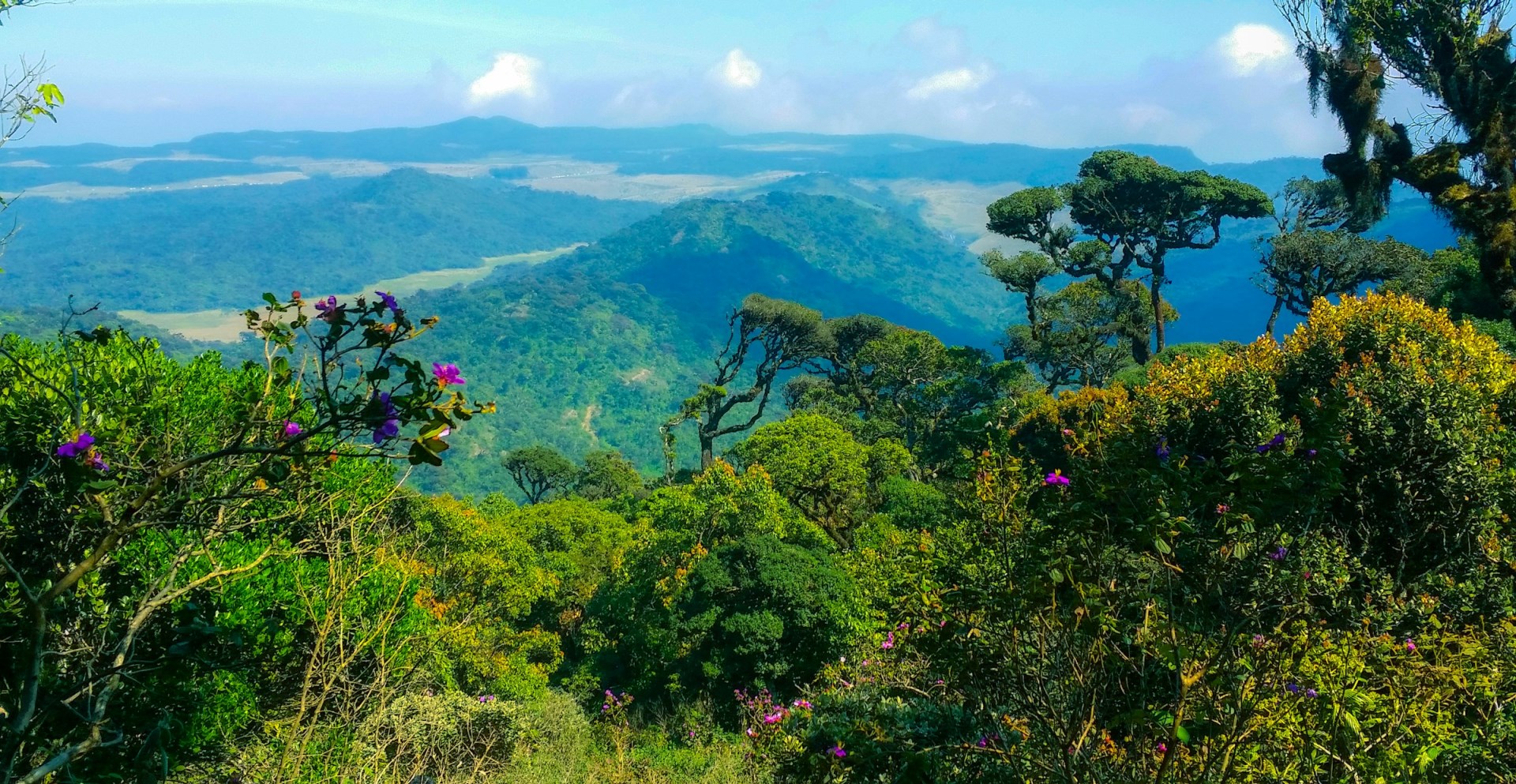
Located in the Madre de Dios region of southeastern Peru, Tambopata is a protected area where visitors can experience the Amazon rainforest in its rawest form. The Tambopata National Reserve spans over 270,000 hectares and is home to an estimated 1,200 butterfly species, 600 bird species, and hundreds of tree varieties. One of its most famous residents is the jaguar, though sightings are rare. More common encounters include red howler monkeys, capybaras, and giant river otters.
Batalha, a small town in central Portugal, is steeped in history and home to one of the country’s most magnificent monuments, the Batalha Monastery. This UNESCO World Heritage Site, also known as the Monastery of Santa Maria da Vitória, was built to commemorate the Portuguese victory over Castile at the Battle of Aljubarrota in 1385. I
The National Park of American Samoa invites visitors to step into a world shaped by towering volcanic ridges, tangled rainforests, and clear coral-sand bays. Spread across Tutuila, Ta‘ū, and Ofu islands, the park protects nearly 13,500 acres of land and 4,000 acres of ocean, an unusual patchwork where ancient ecosystems like paleotropical rainforests meet hip-deep coral reefs. Only U.S. national park in the Southern Hemisphere, it’s a place where you can hike through cloud-shrouded forests and t
Antananarivo, Madagascar’s vibrant capital, offers a unique blend of cultural richness and historical depth. Perched on a series of hills, the city’s layout is characterized by its steep streets and traditional architecture. The Royal Palace, or Rova of Antananarivo, is a central landmark, offering a glimpse into Madagascar's royal past. Although much of the palace was destroyed by fire in 1995, the site remains a significant cultural and historical monument.
Ulleri is a small village in Nepal, located in the Annapurna region along the popular trekking route to Ghorepani and Poon Hill. It has traditionally served as a resting point for trekkers and local traders, with stone-paved streets and terraced fields reflecting centuries of Himalayan agricultural life.
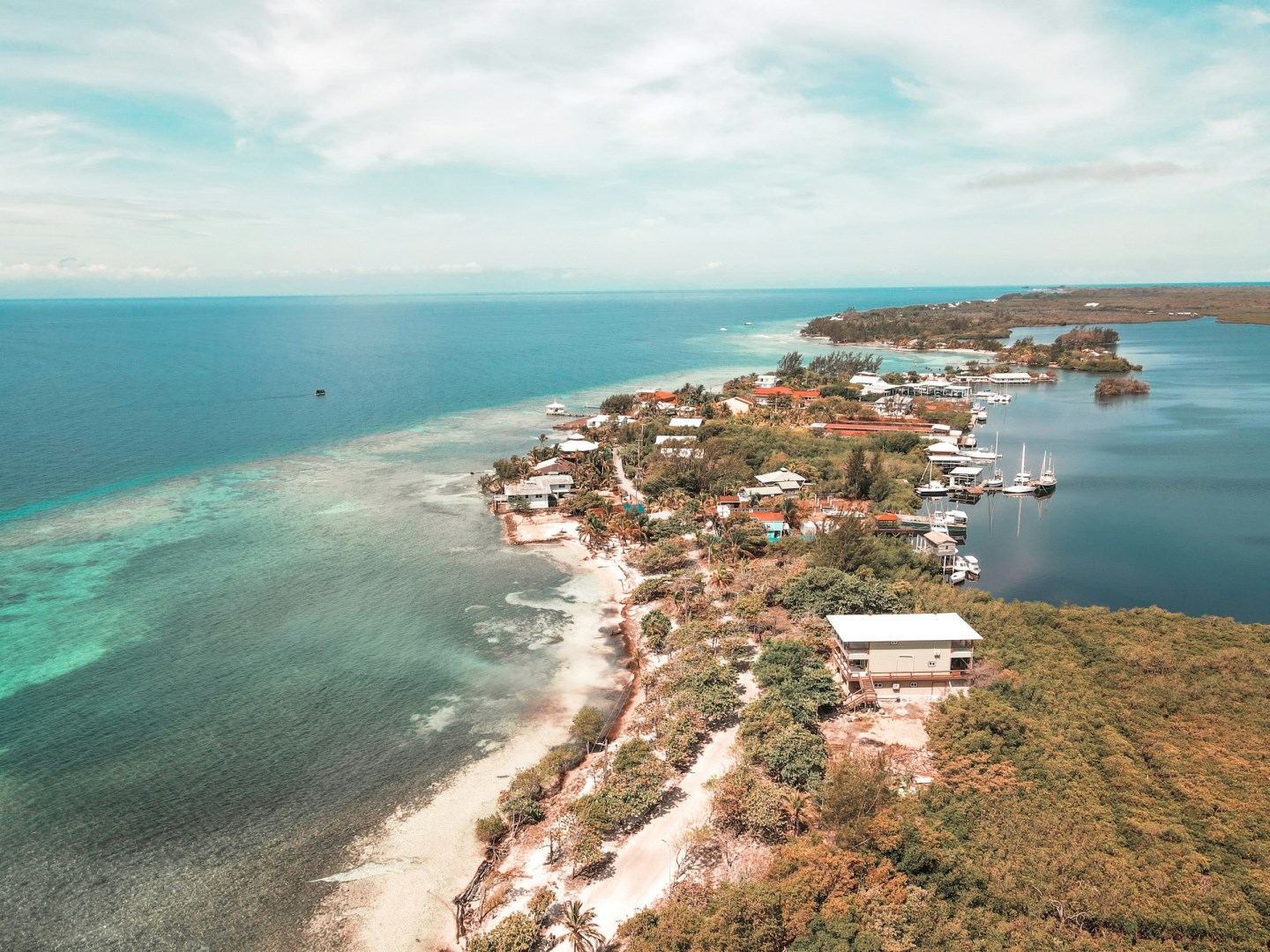
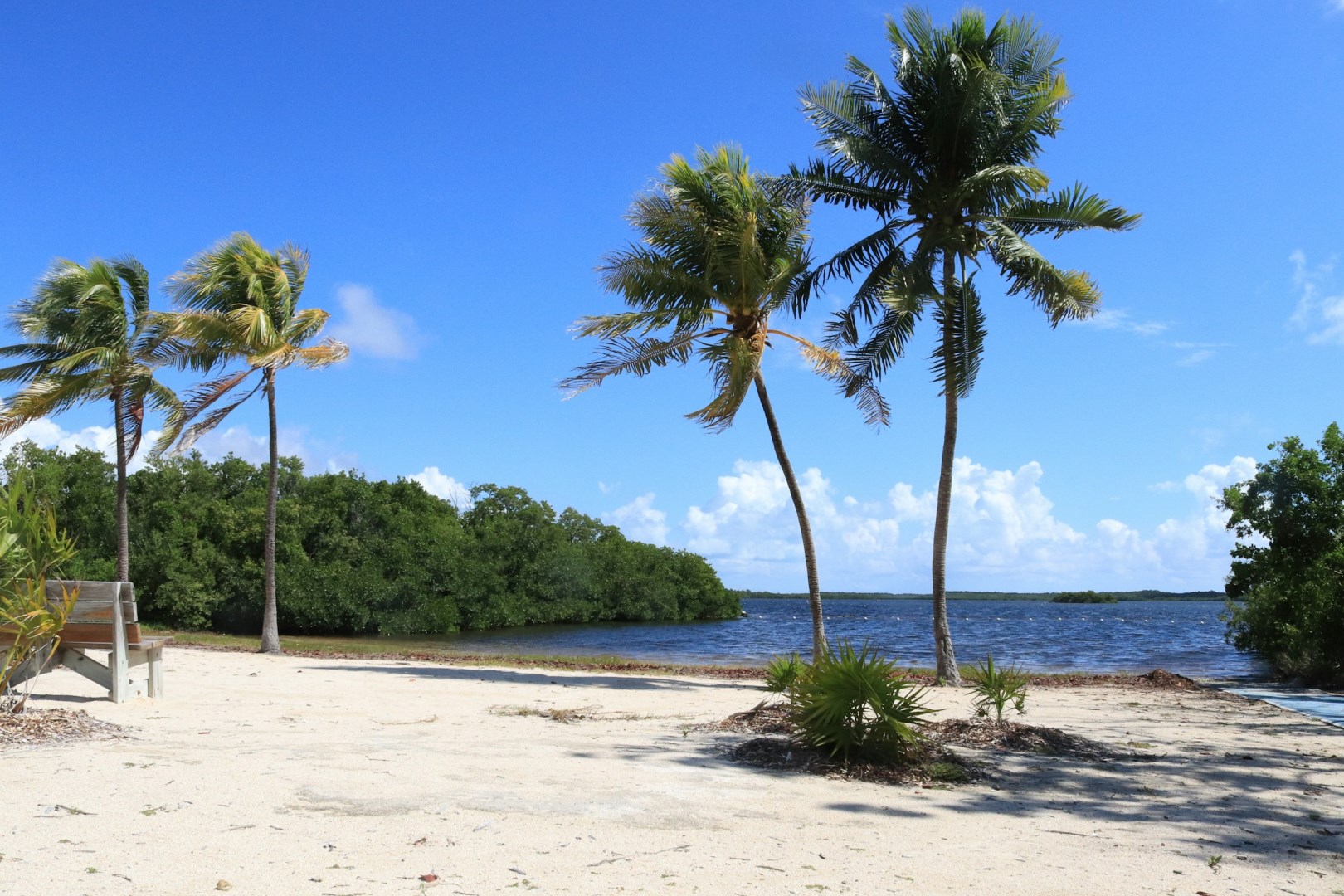
Key Largo, the northernmost of the Florida Keys, is renowned for its pristine natural beauty and vibrant marine life. As part of the Florida Keys archipelago, Key Largo is a gateway to the spectacular underwater world of the John Pennekamp Coral Reef State Park, the first underwater park in the U.S. Here, visitors can explore vibrant coral reefs through snorkeling and scuba diving, or take a glass-bottom boat tour to marvel at the colorful marine ecosystems without getting wet.
The island’s rich maritime history is showcased at the African Queen Canal Cruise, where you can board the famous vessel from the classic film "The African Queen" and enjoy a scenic cruise through the canals of Key Largo. Another historical gem is the Key Largo Baptist Church, which, although not as ancient, provides insight into the community spirit of the island.
For those seeking adventure above water, Key Largo offers plenty of options. The island’s mangroves and backwaters are perfect for kayaking and paddleboarding, offering a peaceful escape amidst lush greenery and wildlife. Everglades National Park, just a short drive away, is also a popular destination for exploring the unique ecosystem of the Florida Everglades.
A fun fact about Key Largo is that it is home to the World’s Largest Artificial Reef, the "Spiegel Grove." This sunken ship, which now serves as a massive reef, attracts divers from around the world eager to explore its underwater wreckage and the thriving marine life it supports.
Whether you’re diving into the depths of the coral reefs, cruising in historic style, or exploring lush mangroves, Key Largo provides a diverse array of experiences for every type of traveler.