Kakum National Park
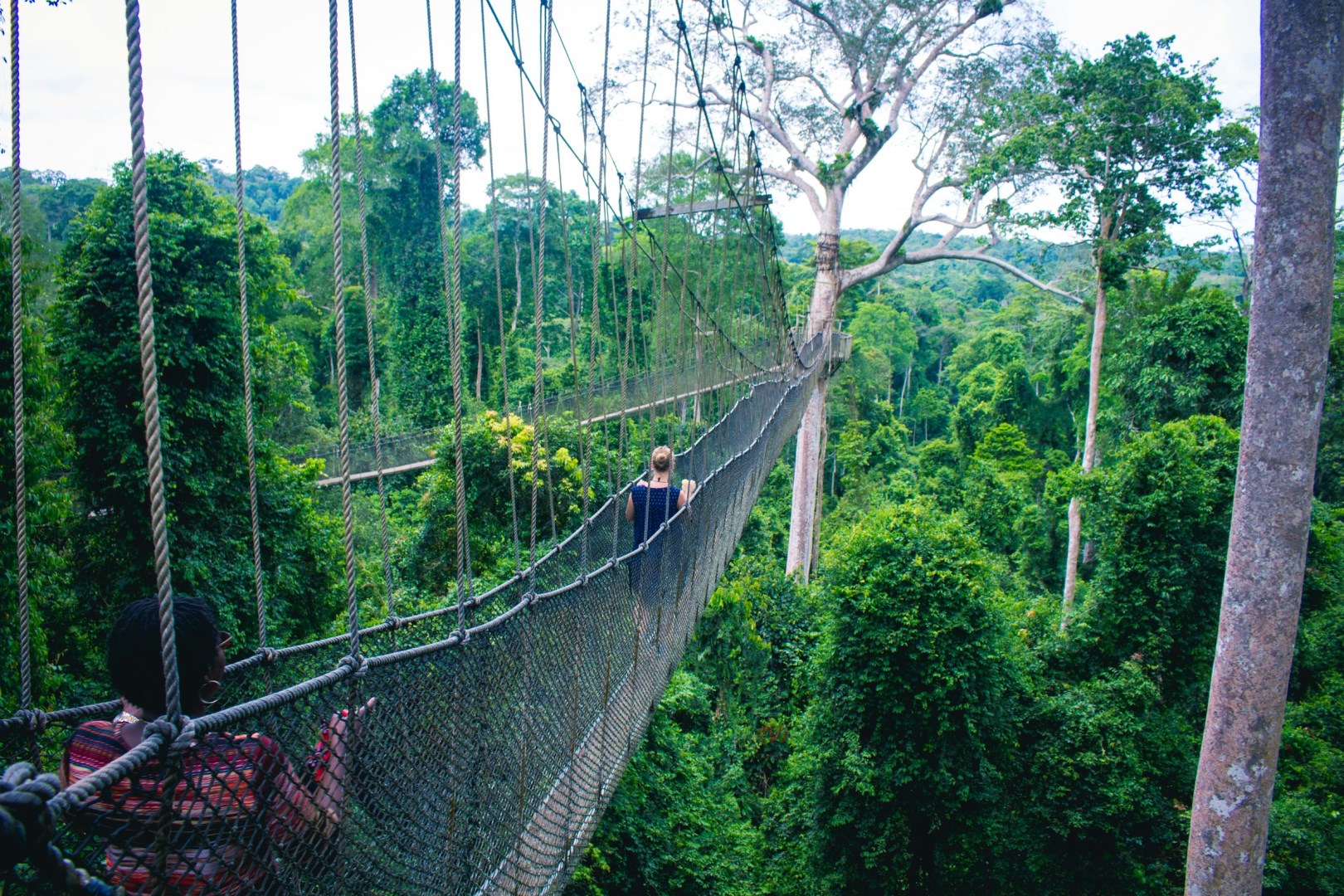
Kakum National Park is a protected rainforest area in southern Ghana, located near Cape Coast in the Central Region. The park covers a large area of tropical forest with tall trees, dense undergrowth, streams, and shaded paths. It is part of the Upper Guinea Forest ecosystem, one of West Africa’s important remaining rainforest zones. Kakum is particularly known for its canopy walkway, which allows visitors to experience the forest from above the ground.
Narvik
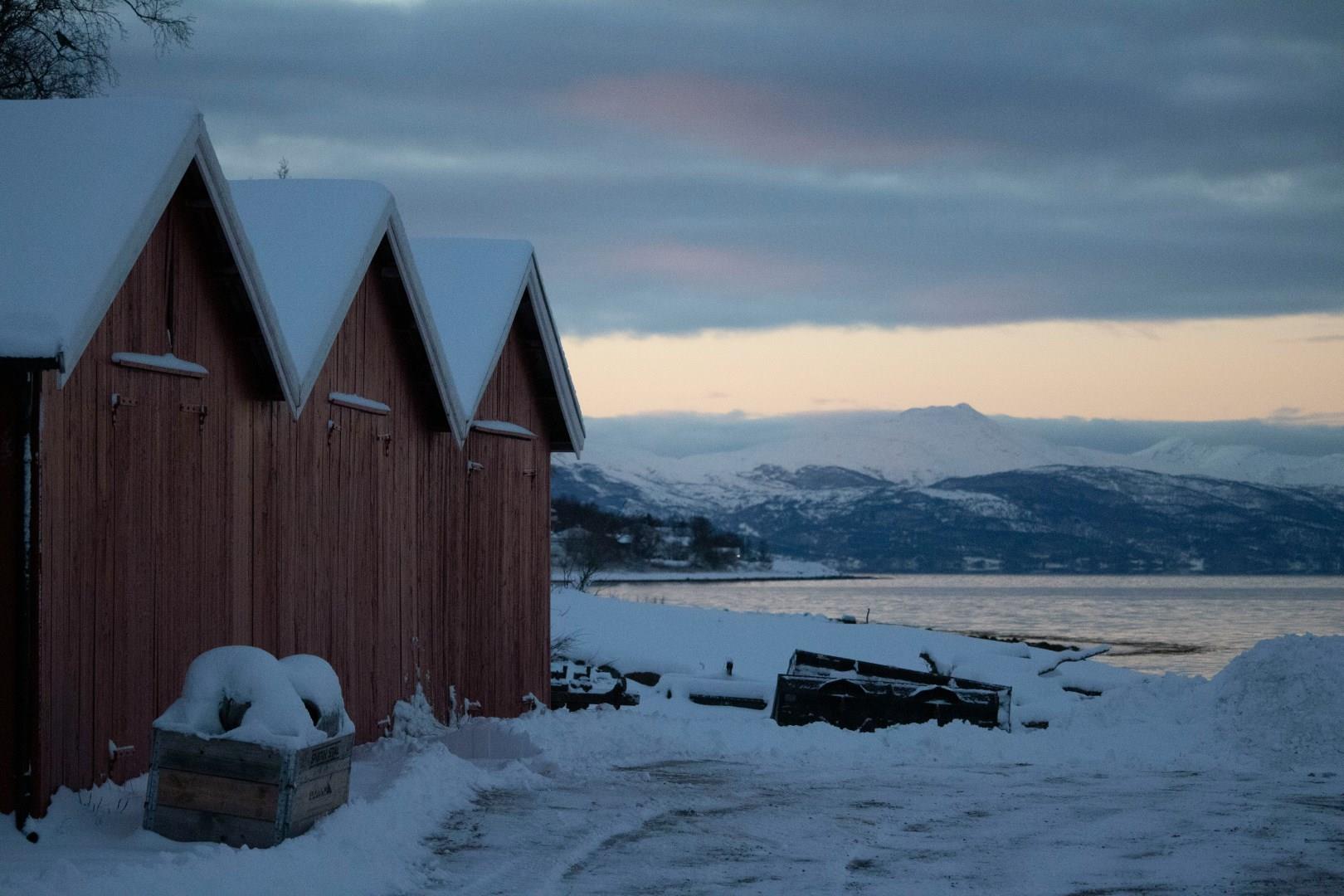
Narvik’s most striking features is its natural setting. The town sits between steep fjords and rugged mountains, making it one of the few places in Norway where visitors can ski with ocean views. Narvikfjellet, the local mountain resort, operates in both winter and summer. During the colder months, it's popular for alpine skiing and northern lights viewing; in summer, the gondola runs for hikers and photographers eager to take in views of the Ofotfjord from the summit.
Waialua, Oahu
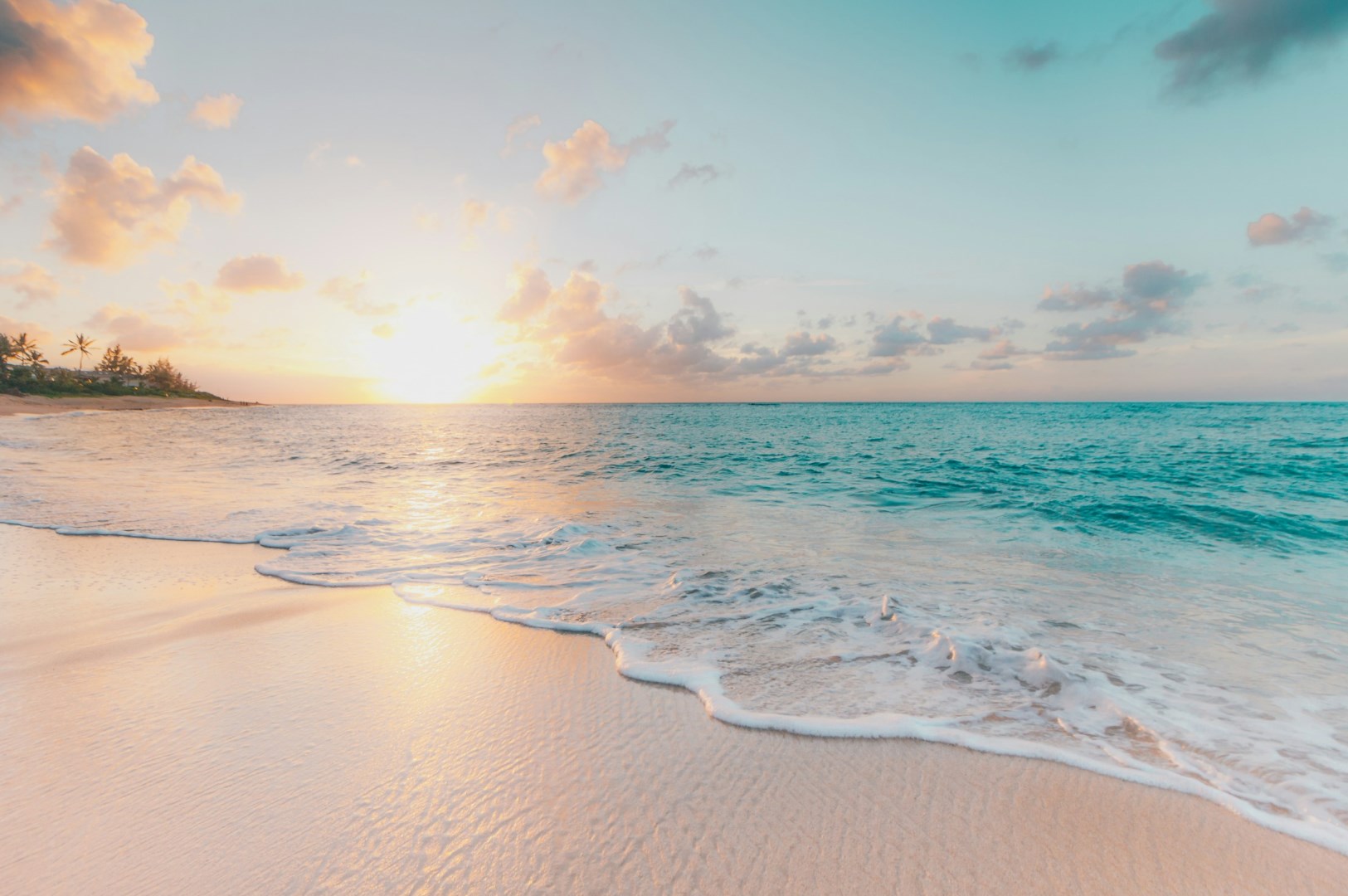
Waialua is a small rural community on the North Shore of Oʻahu, Hawaiʻi, situated between the Pacific Ocean and the agricultural lands of the island’s northern interior. The area is known for its open fields, coastal scenery, and connection to farming rather than the resort development found elsewhere on Oʻahu. Waialua sits near the Anahulu River and is close to Haleʻiwa, making it a useful base for exploring the North Shore. Its landscape combines beaches, farmland, lowland forests, and views t
Wailea, Maui
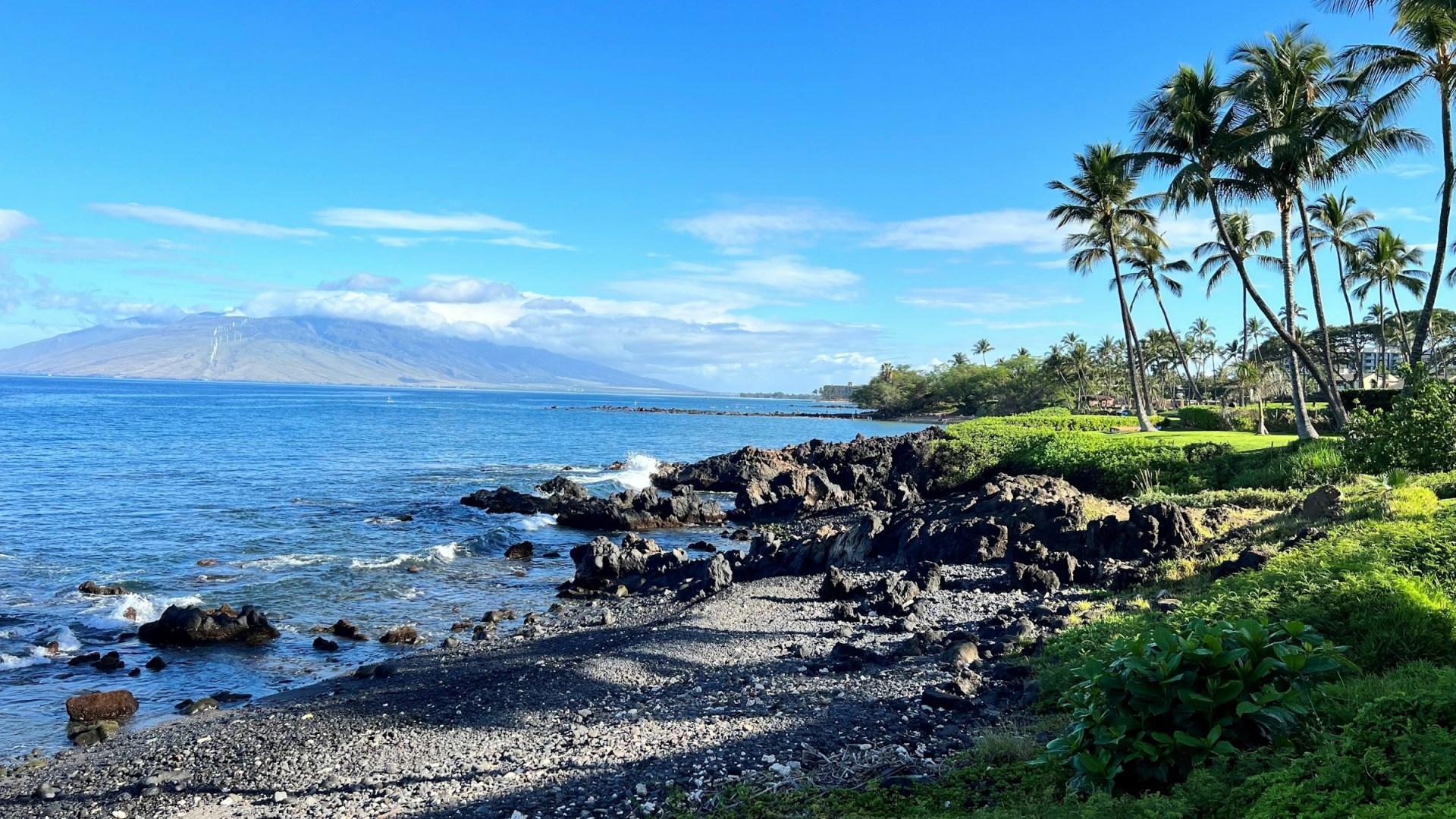
Wailea is a coastal resort community on the southwestern shore of Maui, Hawaiʻi, set between the slopes of Haleakalā and the Pacific Ocean. Its dry climate, landscaped grounds, sandy beaches, and views across the ʻAuʻau Channel toward neighboring islands give it a distinct setting within South Maui. The area is known for several major beaches, including Wailea Beach, Ulua Beach, and Polo Beach, as well as a network of walking paths connecting resorts, beaches, parks, and shopping areas.
Ulleri
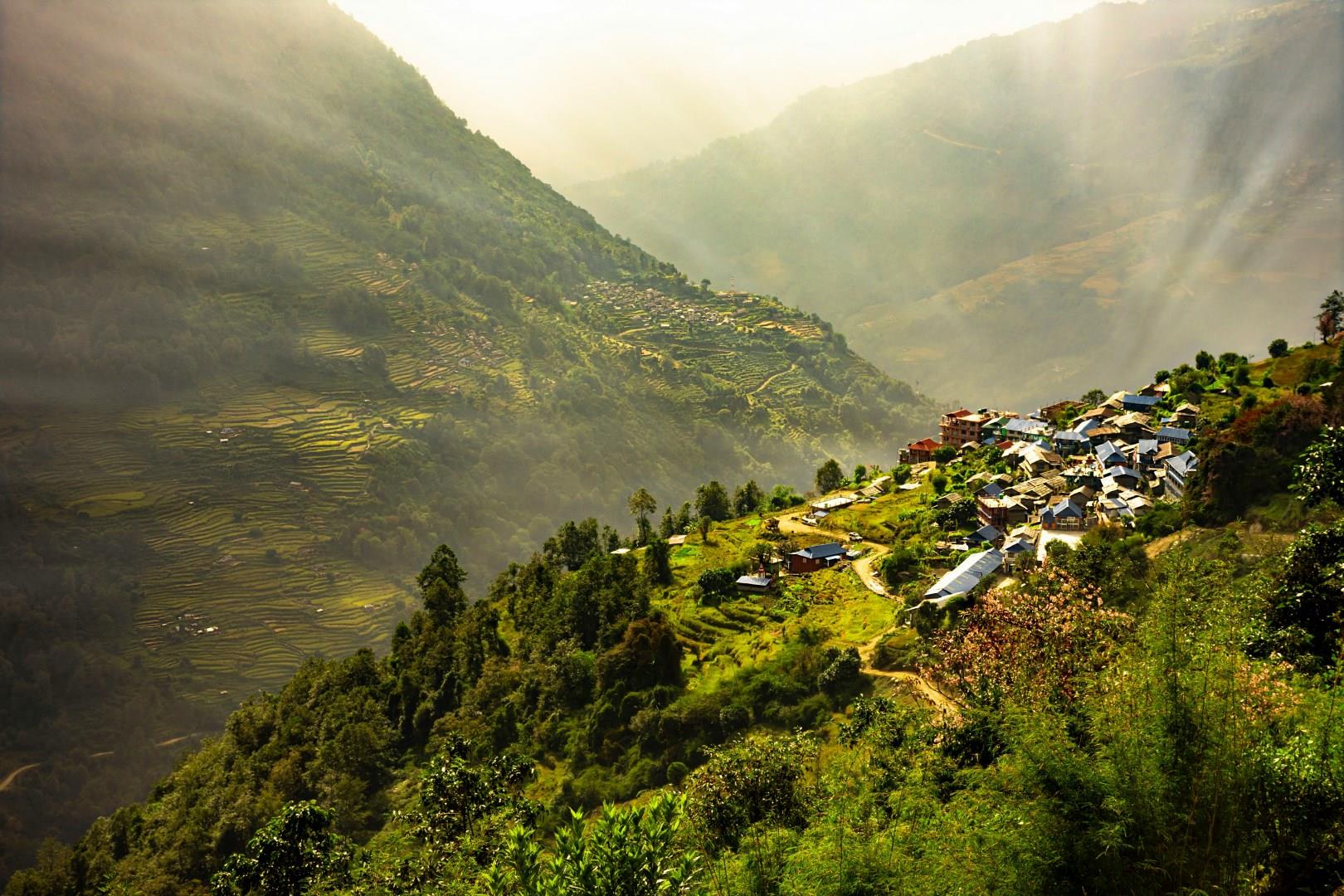
Ulleri is a small village in Nepal, located in the Annapurna region along the popular trekking route to Ghorepani and Poon Hill. It has traditionally served as a resting point for trekkers and local traders, with stone-paved streets and terraced fields reflecting centuries of Himalayan agricultural life.