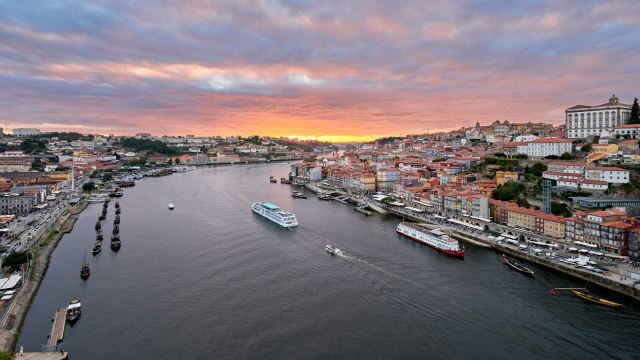
Split
Split, Croatia, is a city where ancient history and modern vibrancy blend seamlessly, creating an alluring destination for travelers. At the heart of Split is the UNESCO World Heritage Site of Diocletian's Palace, a remarkably well-preserved Roman complex built by Emperor Diocletian in the 4th century AD. This sprawling palace complex, with its labyrinthine streets, ancient walls, and grand Peristyle courtyard, is not just a historical site but a bustling part of the city’s daily life.
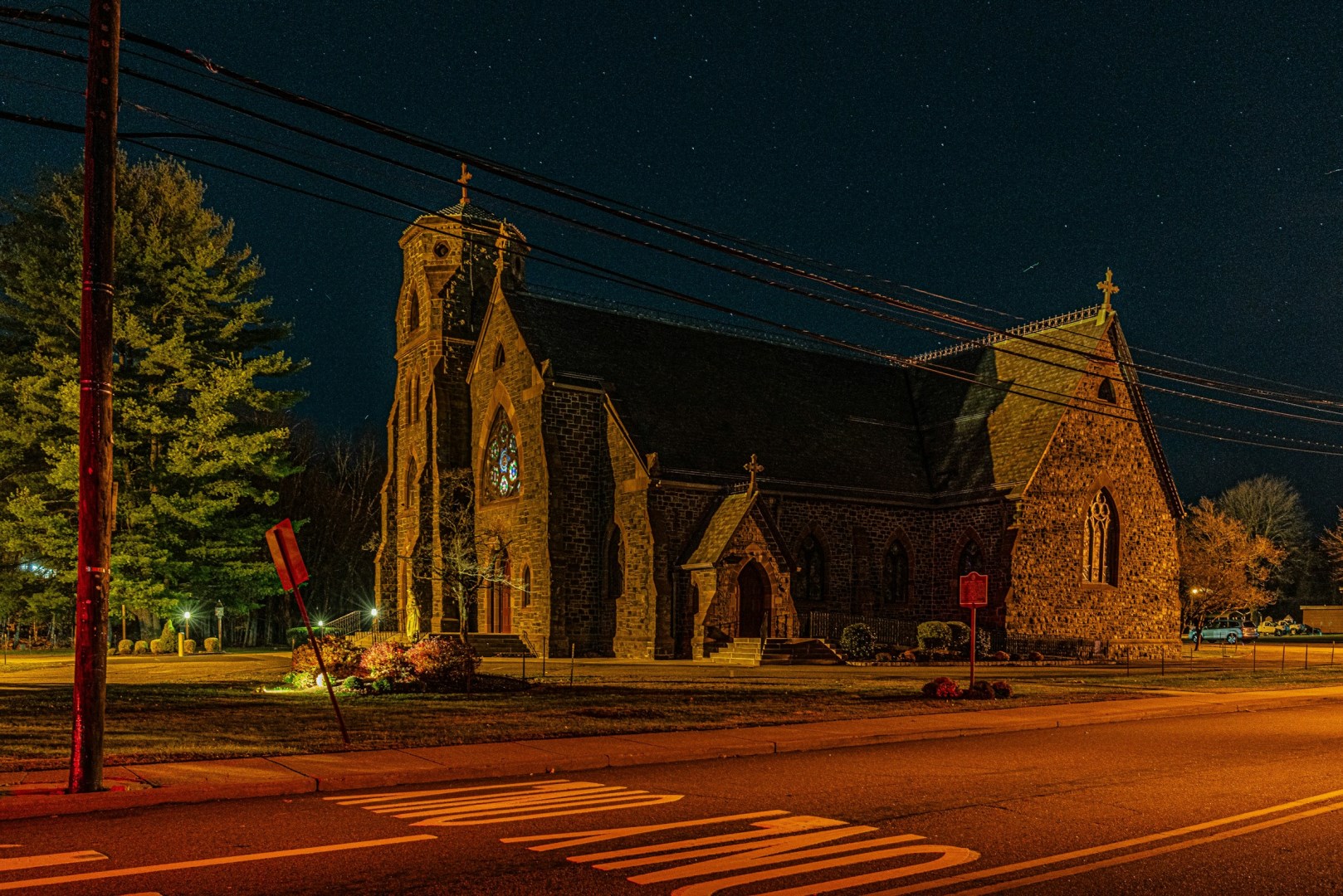
Dover
Dover, located in Morris County, New Jersey, is a small yet historically rich town nestled along the Rockaway River about 30 miles west of New York City. Founded in the early 1700s, Dover grew as an important ironworking and industrial center during the 18th and 19th centuries, thanks to its proximity to the Morris Canal and the region’s abundant natural resources.
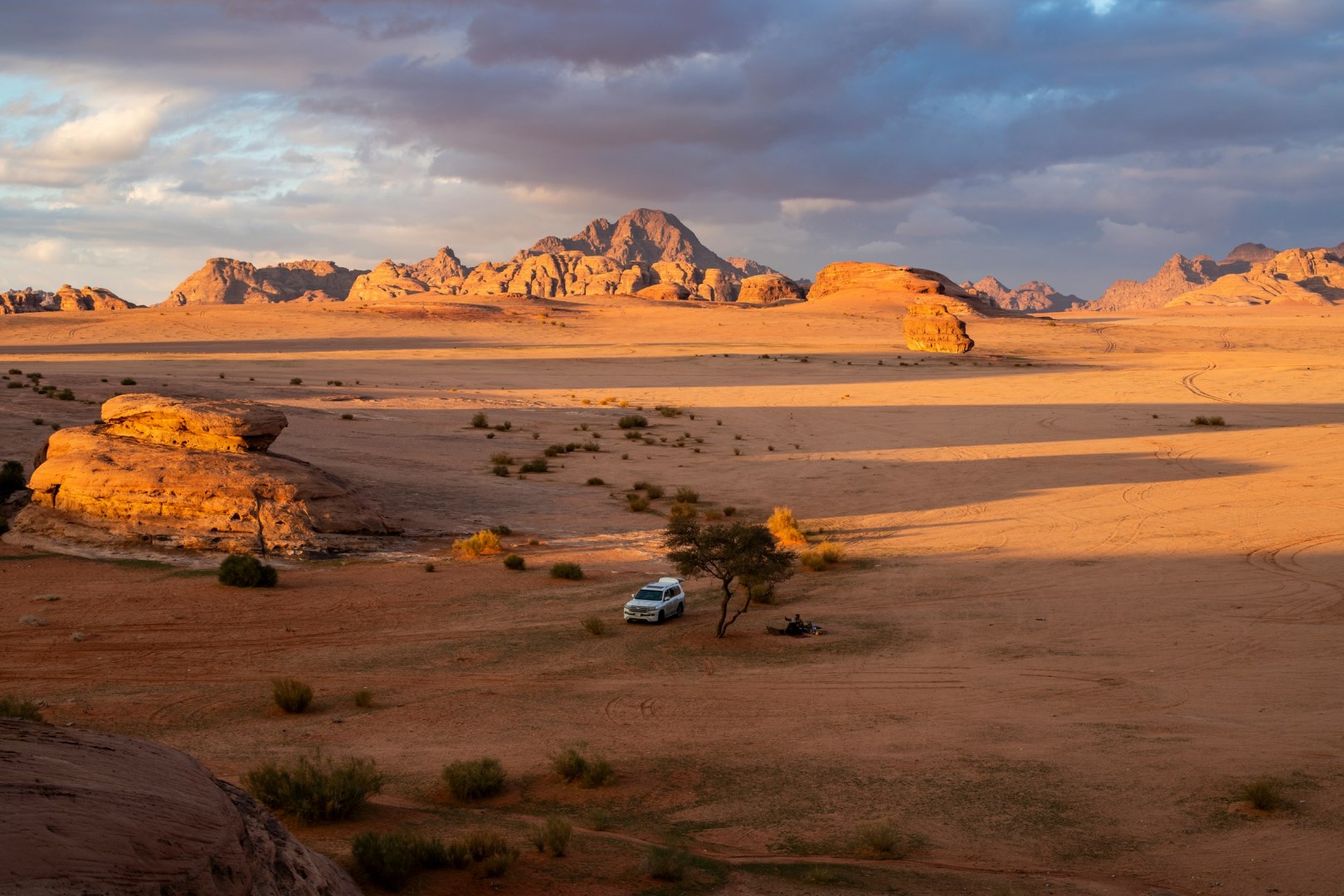
Tabuk
Tabuk is a city in northwestern Saudi Arabia and the capital of Tabuk Province, positioned between the Hejaz Mountains and the desert landscapes of the north. The city developed around an oasis and remains an important agricultural center, with palm groves and cultivated areas contrasting with the surrounding dry terrain.
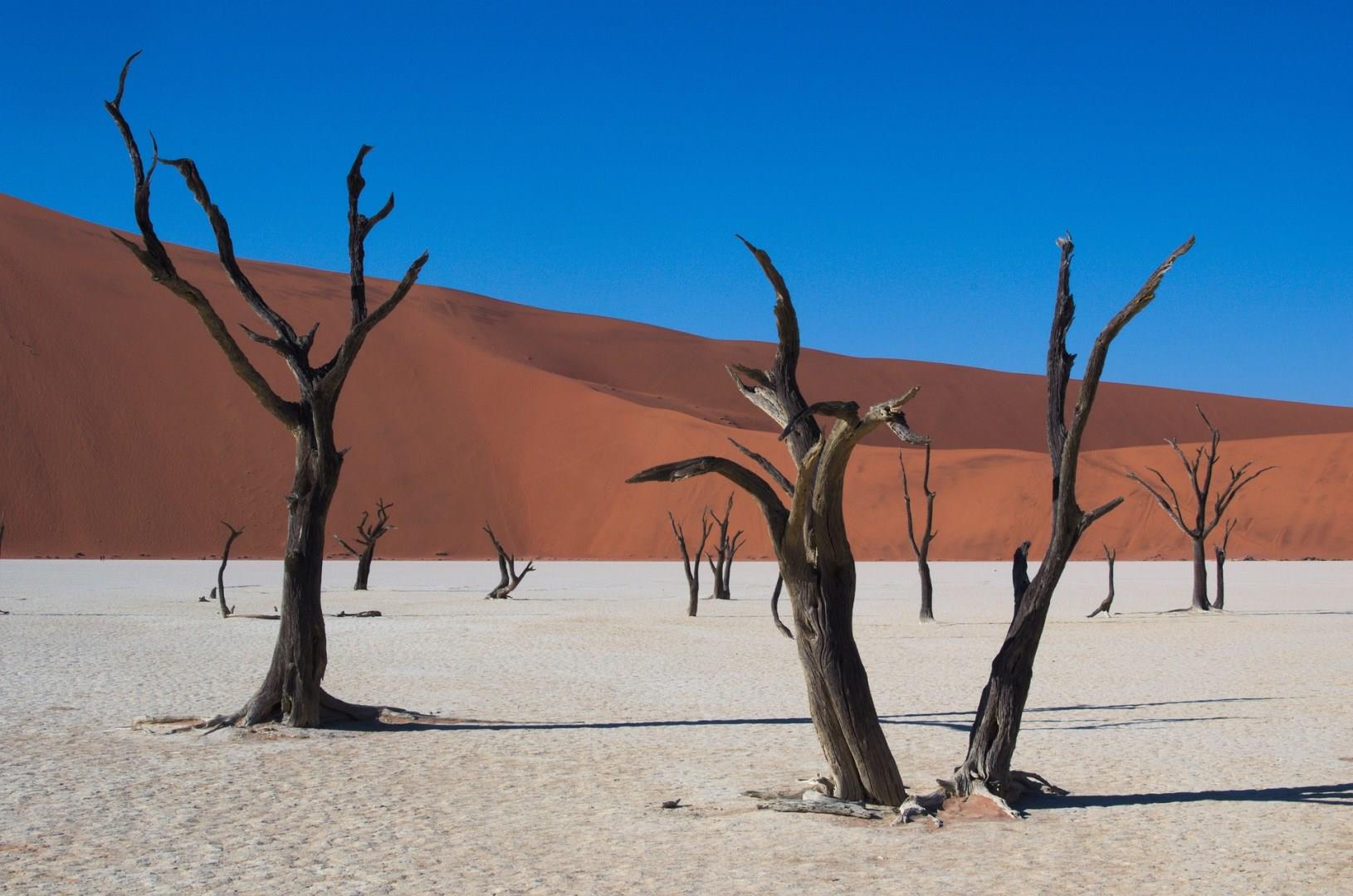
Deadvlei
Dramatic and otherworldly, Deadvlei in Namibia is one of the most surreal landscapes on the planet. Located within the Namib-Naukluft National Park, Deadvlei is a white clay pan that was once an oasis filled with acacia trees. Over 900 years ago, a shift in climate and the encroachment of the towering red sand dunes cut off the river that fed the pan, leaving behind a hauntingly beautiful scene of dead trees that have been perfectly preserved in the arid environment.
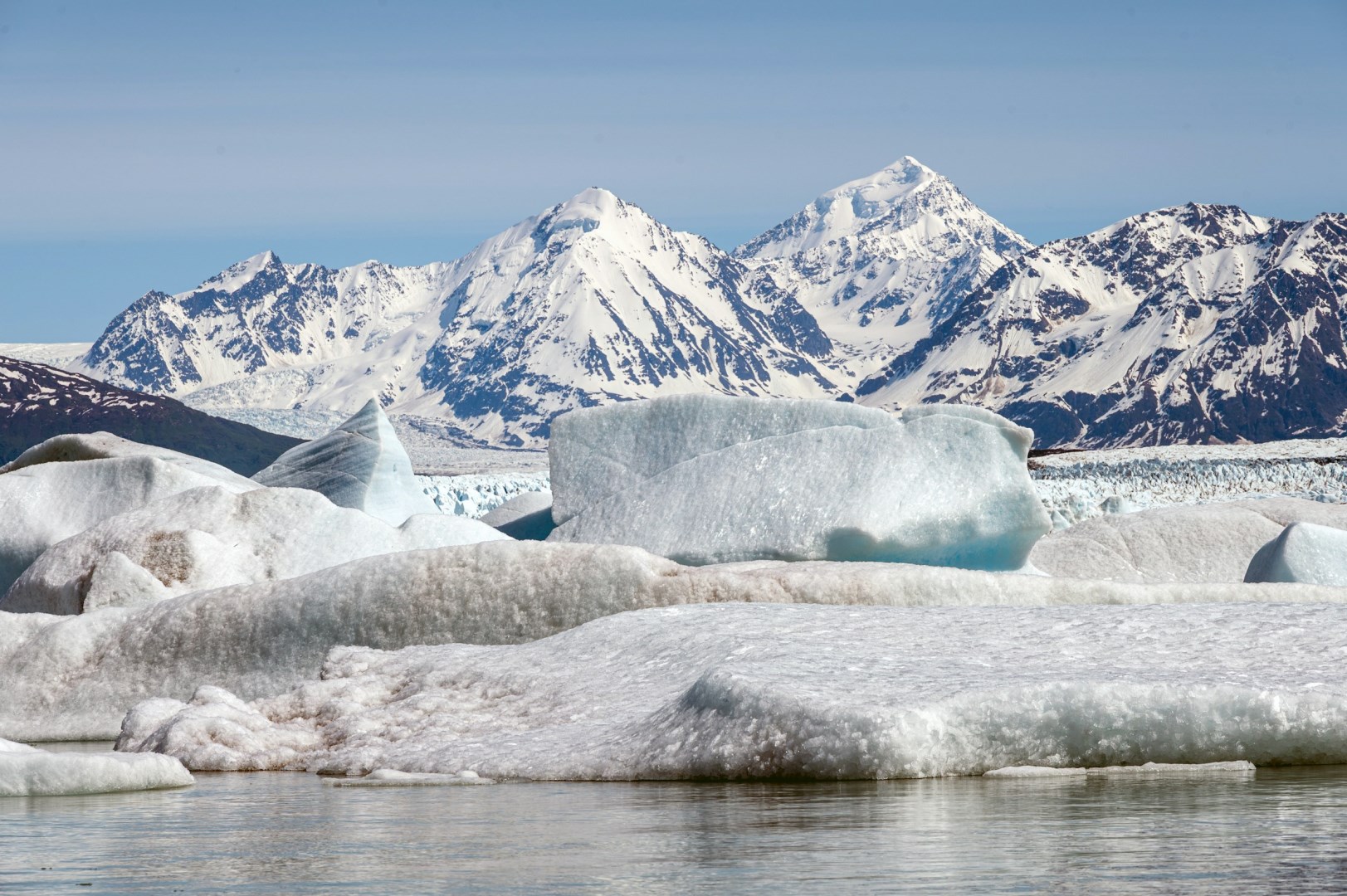
Chugach National Forest
Chugach National Forest covers a vast area of south-central Alaska, stretching from the Kenai Peninsula across Prince William Sound and into the Copper River region. It is one of the largest national forests in the United States and contains a varied landscape of mountains, glaciers, coastal fjords, rivers, wetlands, and dense spruce and hemlock forests.