Schwangau
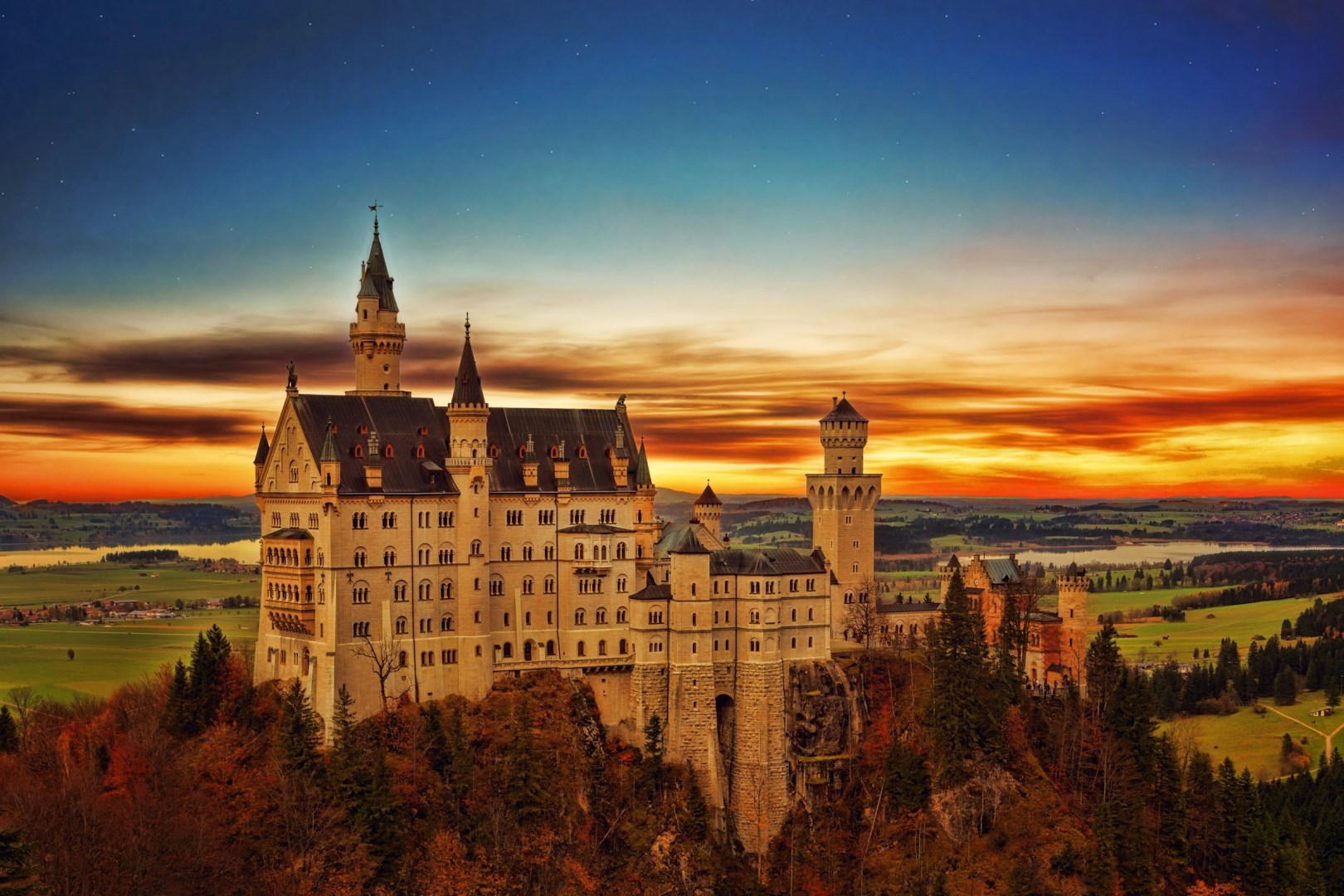
Perched high on a rugged hill, Neuschwanstein offers breathtaking views of the surrounding landscape, including the shimmering Alpsee and the dense forests that cloak the region. A visit to Schwangau isn't complete without exploring this iconic landmark, where the opulence of King Ludwig II's vision comes to life in every ornate detail.
Bel Ombre
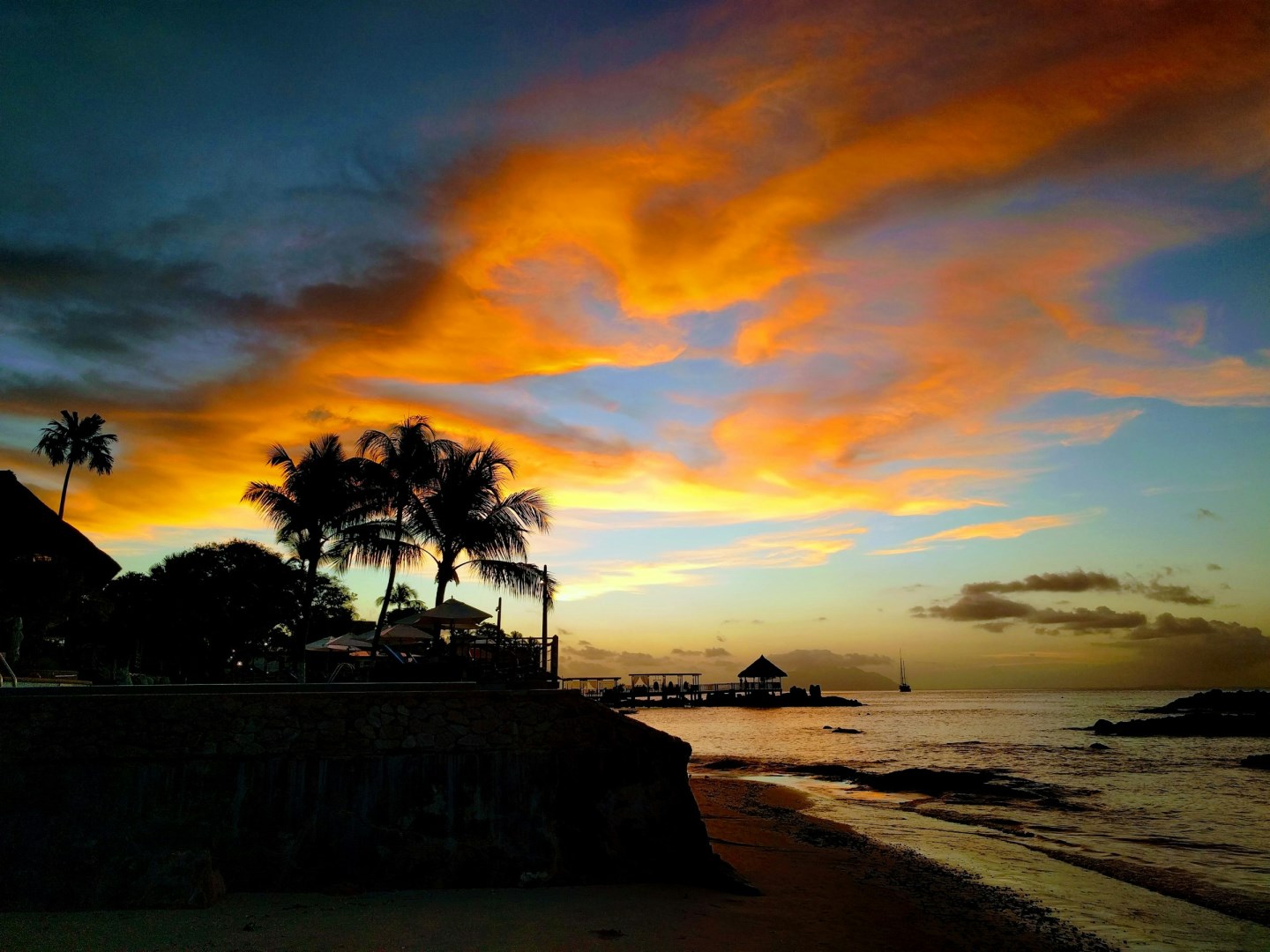
Bel Ombre is a coastal village and rural district on the southwestern side of Mauritius, set between the Indian Ocean and the forested slopes of the Black River Gorges. The area is known for its combination of sugar-growing land, native forest, rivers, and a sheltered lagoon. Much of the surrounding landscape forms part of the wider Bel Ombre estate, where agriculture has gradually been joined by conservation and tourism.
Rauma
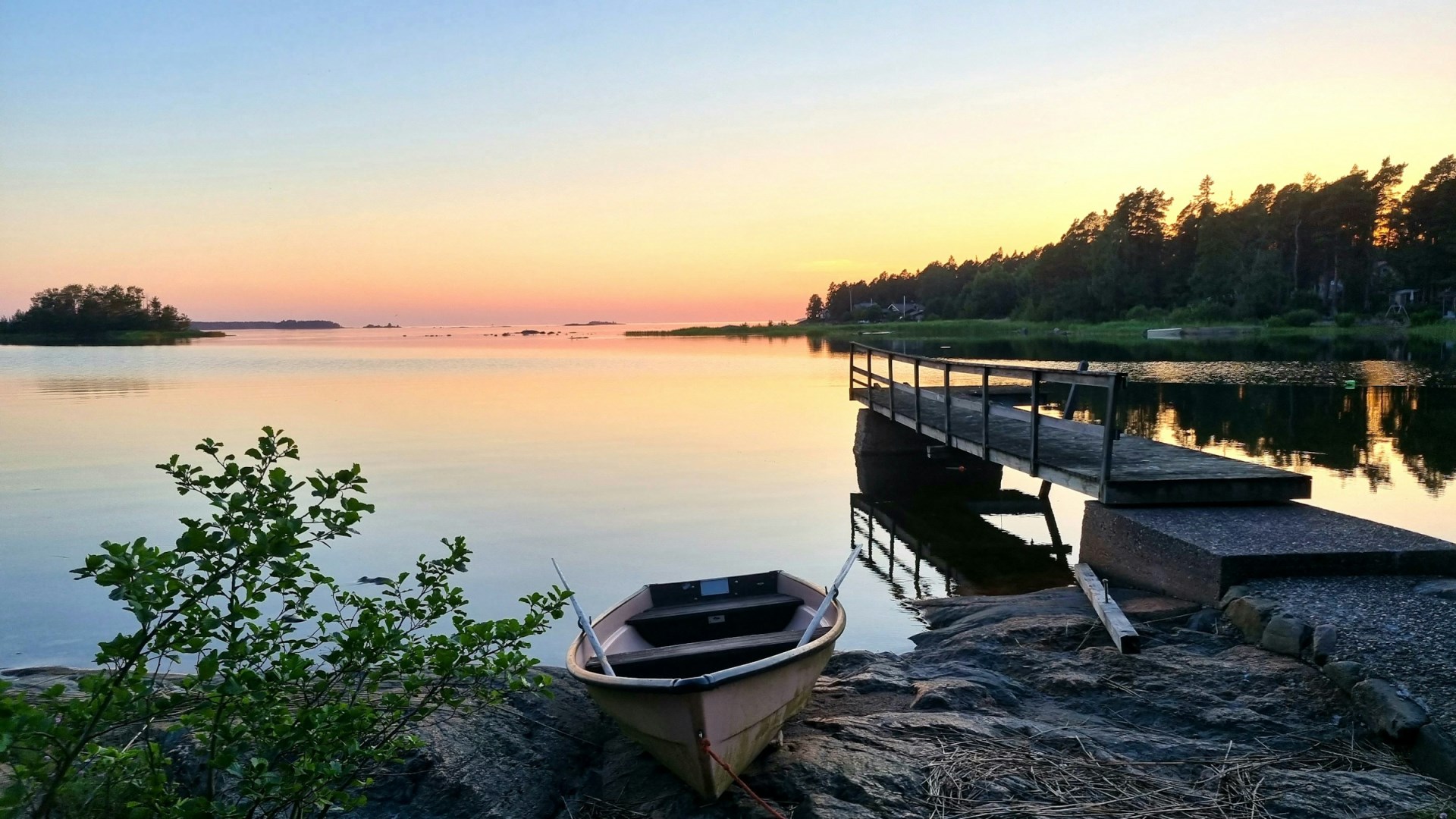
Rauma is a historic coastal town in western Finland, located on the Gulf of Bothnia and known for its well-preserved wooden Old Rauma district. Narrow lanes, colorful timber houses, small courtyards, and irregular street patterns give the historic center a distinctive appearance. Outside the old town, Rauma remains an important port and industrial center, while the surrounding coast contains islands, rocky shores, and forested landscapes.

Wales
Wales is a country where centuries-old castles rise above green valleys and coastlines are marked by rugged cliffs and quiet coves. Its capital, Cardiff, combines modern architecture with historical landmarks like Cardiff Castle, which has Roman origins and a Victorian Gothic interior. Just outside the city, St Fagans National Museum of History offers a walk-through experience of Welsh life over the past 500 years, with original buildings relocated from across the country.
Ivalo
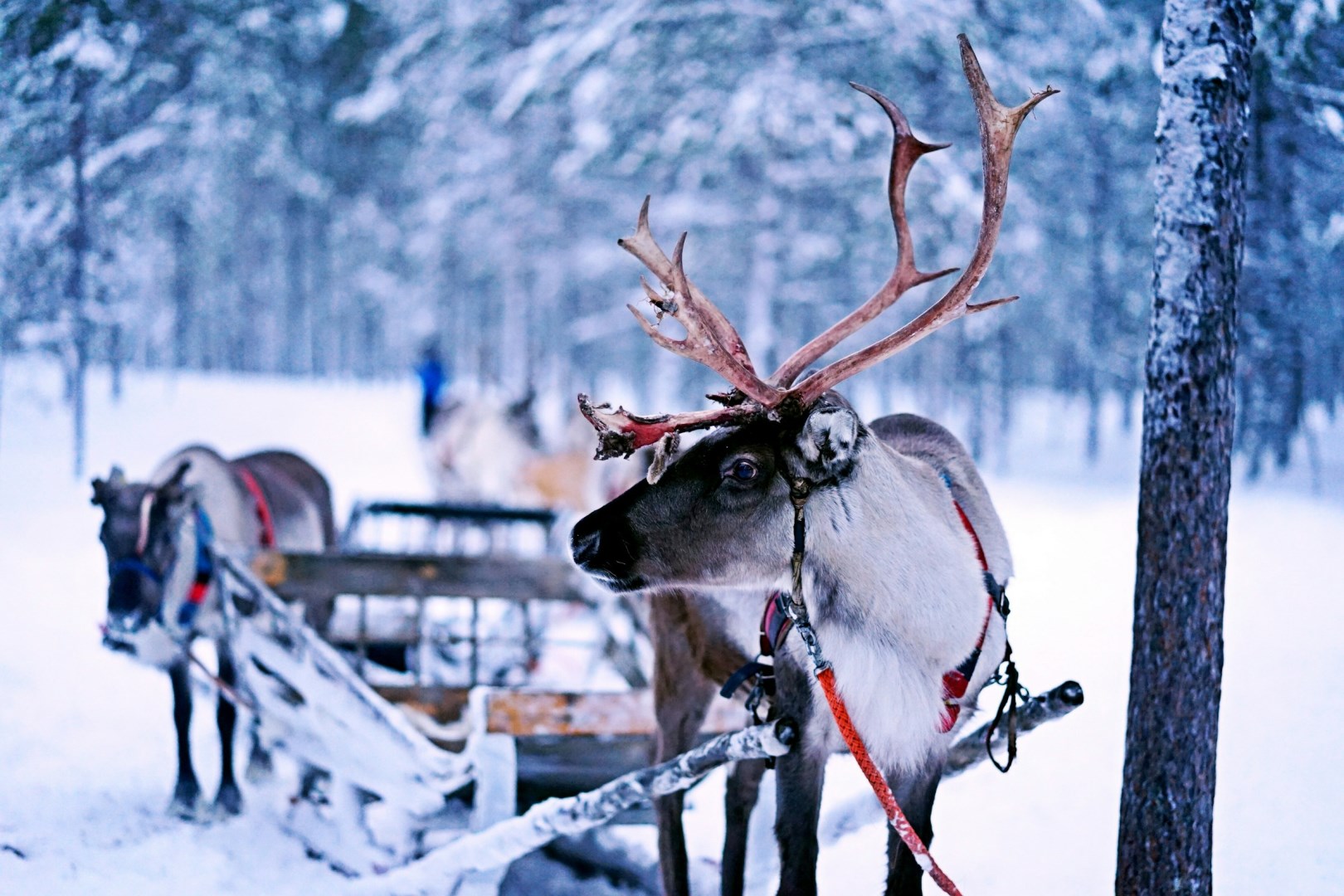
Ivalo is a small settlement in Finnish Lapland, located along the Ivalo River in the municipality of Inari, well north of the Arctic Circle. It serves as the administrative and commercial center of the municipality and provides services for the surrounding wilderness communities. The river runs through the settlement before continuing toward Lake Inari, while extensive forests and open fell country surround the valley.