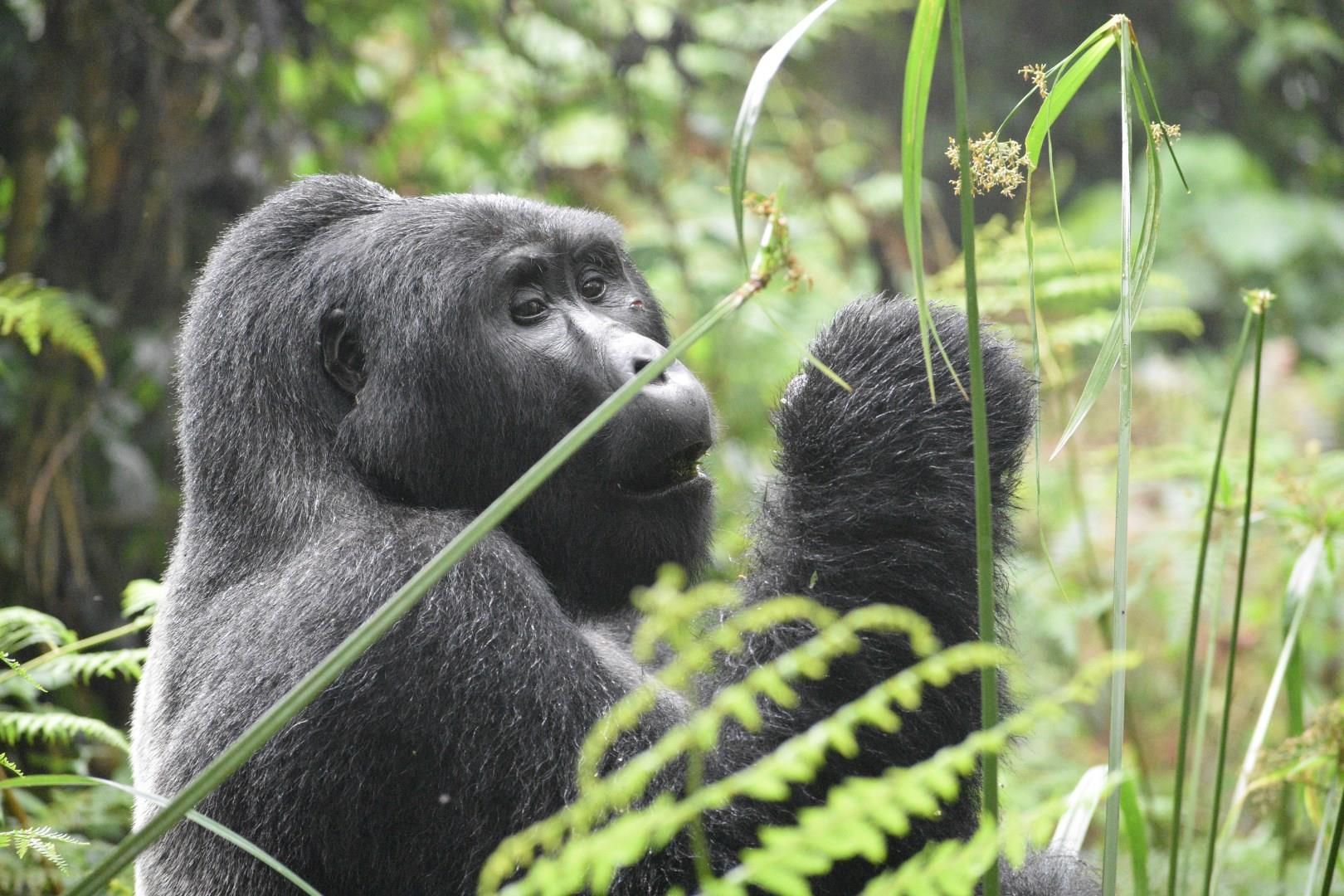
Volcanoes National Park
Volcanoes National Park, in northwestern Rwanda, is a place where dramatic volcanic landscapes meet extraordinary wildlife encounters. Stretching across the Virunga Mountains, the park is dominated by five towering volcanoes whose slopes are cloaked in rainforest and bamboo.
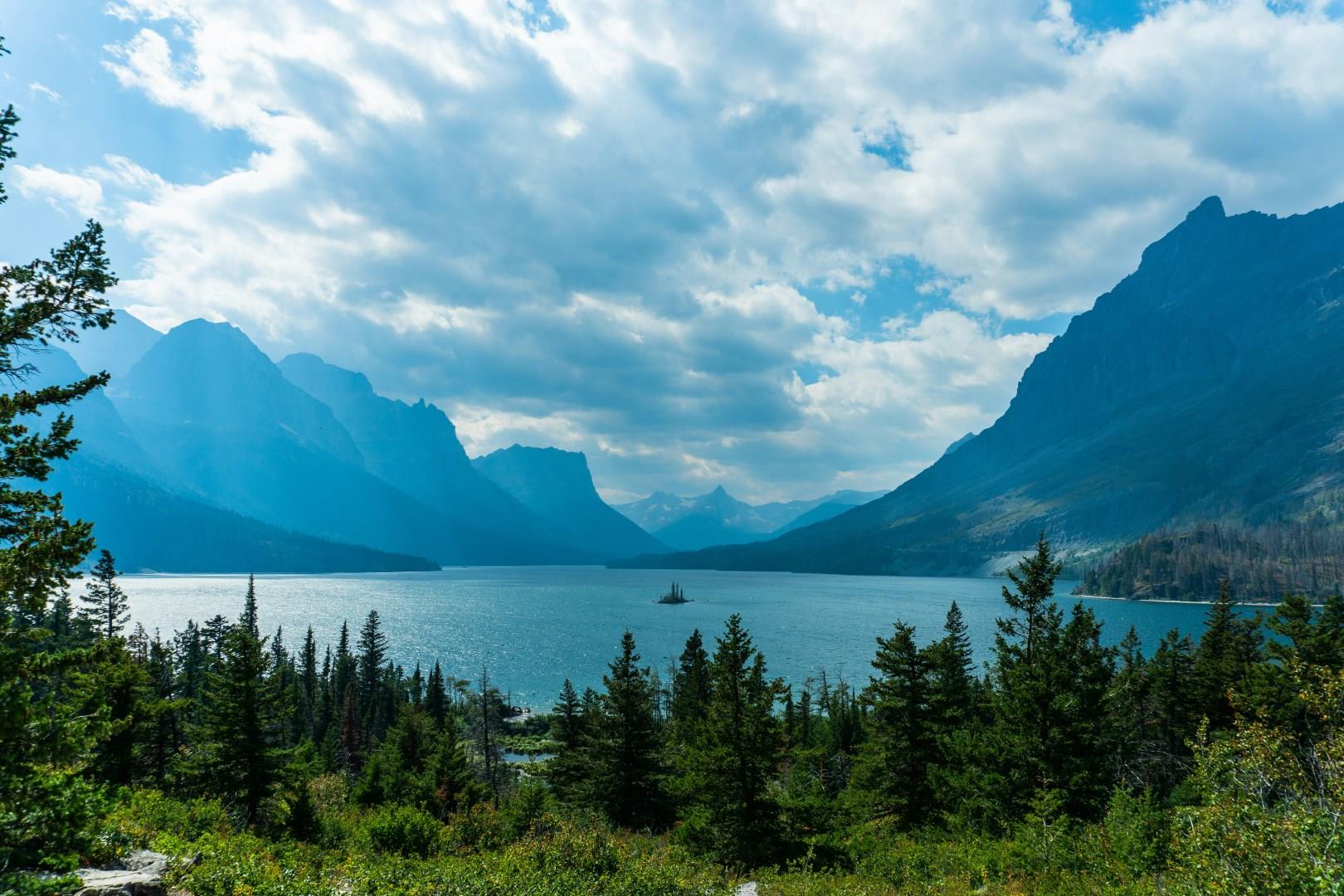
Glacier National Park
Glacier National Park is a stunning natural wonderland renowned for its dramatic landscapes and abundant wildlife. This vast expanse of pristine wilderness covers over a million acres and is a sanctuary for outdoor enthusiasts and nature lovers alike. The park is famous for its iconic Going-to-the-Sun Road, a scenic drive that winds through the heart of the park and offers breathtaking views of towering peaks, lush valleys, and pristine lakes.

Sao Vicente
Sao Vicente, one of Cape Verde’s most vibrant islands, is full of beautiful coastal scenery. Laginha Beach, just a short walk from the island's main city, Mindelo, is perfect for relaxing by the turquoise waters, while Sao Pedro Beach is known for its strong winds, making it a popular spot for windsurfing. For those who enjoy hiking, Monte Verde provides panoramic views of the island’s landscapes.
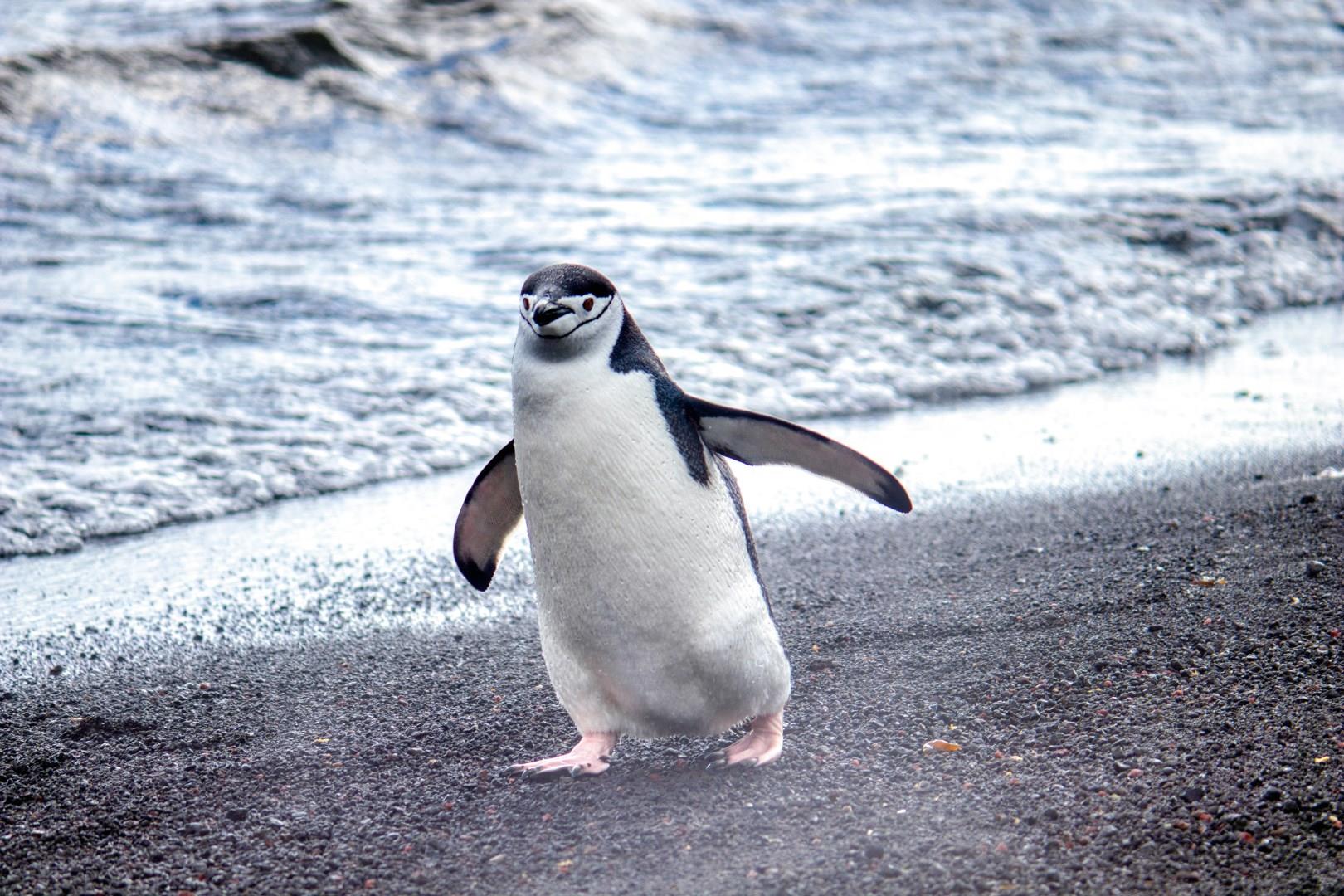
Elephant Island
Elephant Island, a remote outcrop off the coast of Antarctica, is not your average travel destination. Known for its dramatic cliffs, towering glaciers, and wild, ice-laced seas, this island is both stark and unforgettable. Located 245 kilometers northeast of the Antarctic Peninsula, Elephant Island is rarely visited except by specialized expedition cruises.

Inverness
Inverness, the cultural capital of the Scottish Highlands, is a city where ancient history meets stunning natural beauty. Situated at the mouth of the River Ness, Inverness is often called the "Gateway to the Highlands" and serves as the perfect starting point for exploring Scotland's rugged landscapes and rich heritage. One of the city’s most iconic landmarks is Inverness Castle, perched on a hill overlooking the River Ness.