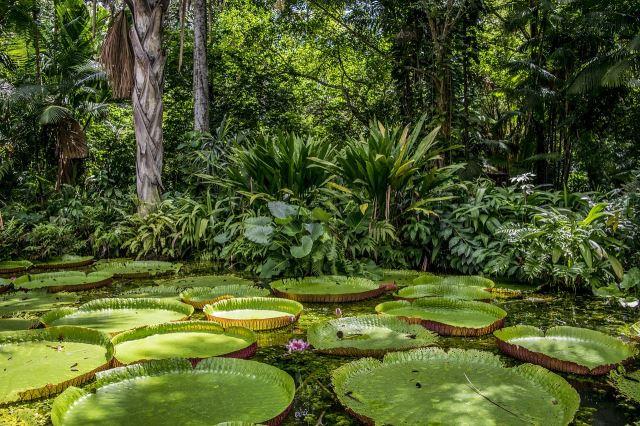
Toyama
Toyama is a regional capital on the Sea of Japan coast, set between Toyama Bay and the mountains of the Northern Japan Alps. The city is known for its close relationship with both the sea and the alpine interior, with waterways, fertile plains, and snow-fed rivers shaping the surrounding landscape. Toyama also serves as a gateway to the Tateyama Kurobe Alpine Route and the mountain communities of the wider prefecture.
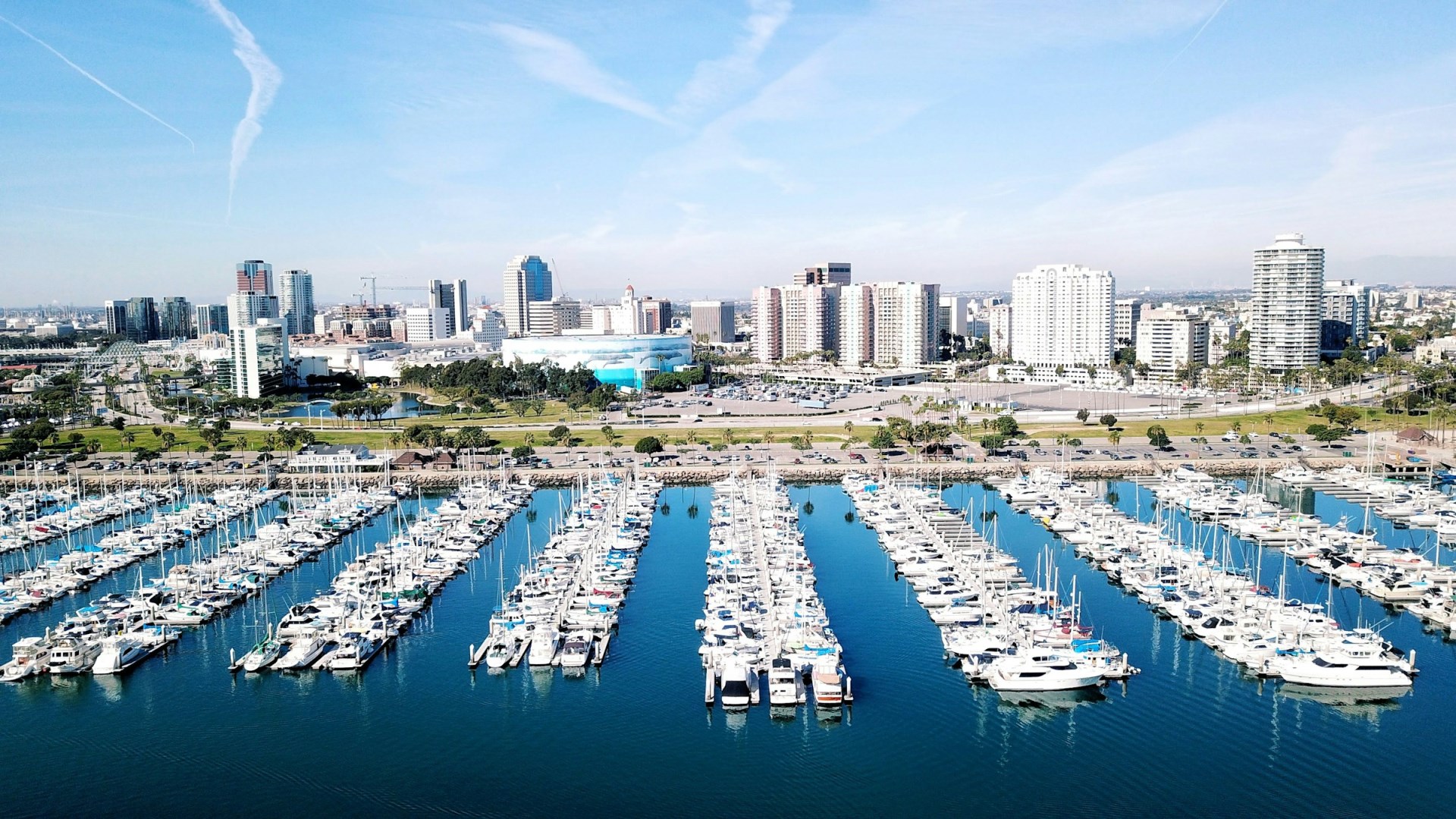
Long Beach
Long Beach is a major coastal city in Southern California, located south of Los Angeles where the Los Angeles River meets the Pacific Ocean. Its waterfront combines sandy beaches, marinas, parks, and a busy harbor with a dense urban center. The city is known for its broad waterfront, diverse neighborhoods, and strong connections to shipping, aviation, and maritime industries.

Nafplion
Nafplion, a picturesque coastal town in the Peloponnese, is often hailed as one of Greece's most charming and romantic destinations. As the first capital of modern Greece, Nafplion boasts a rich history, evident in its well-preserved neoclassical buildings, Venetian fortresses, and Ottoman influences.

Noto
Noto is a hilltop city in southeastern Sicily, know for its carefully planned historic center and extensive use of warm-colored local limestone. Its main streets and squares are lined with churches, monasteries, palaces, and civic buildings whose carved facades create a unified architectural character.
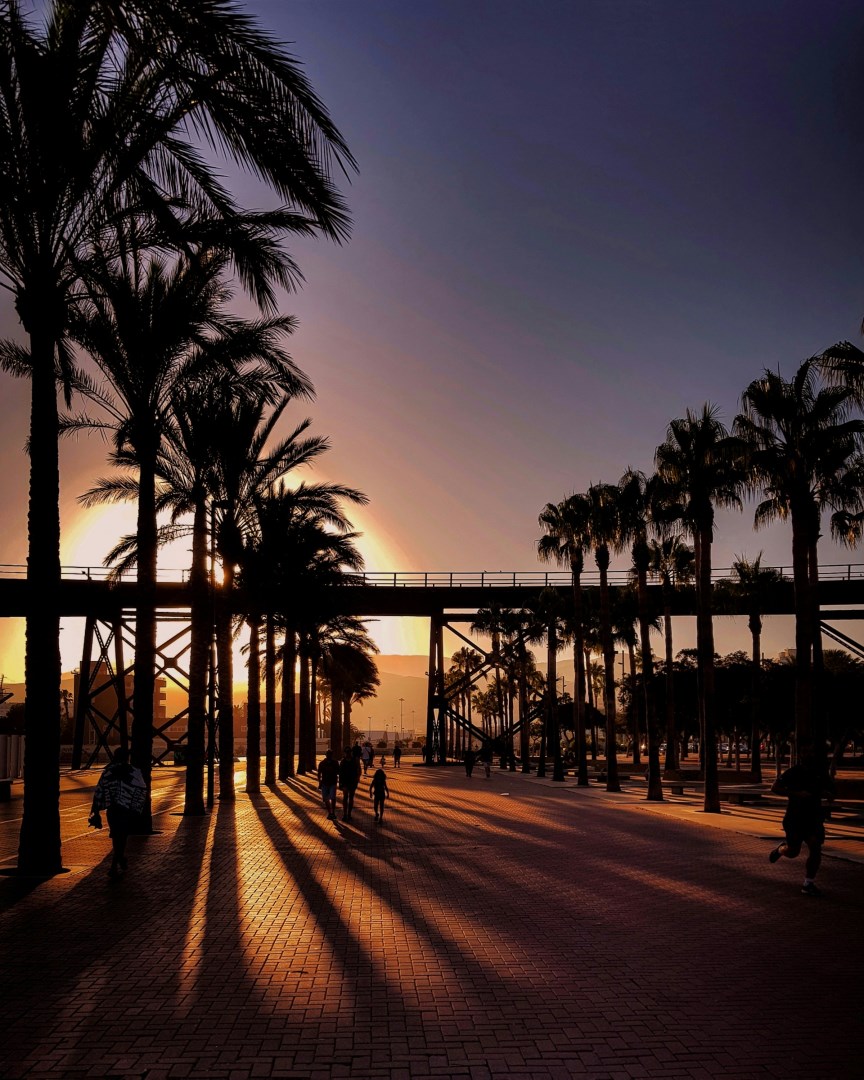
Almería
Almería is a coastal city and provincial capital in southeastern Spain, facing the Mediterranean Sea. It lies between a working port, dry coastal plains, and rugged mountains in one of the driest areas of mainland Europe.