Brindisi
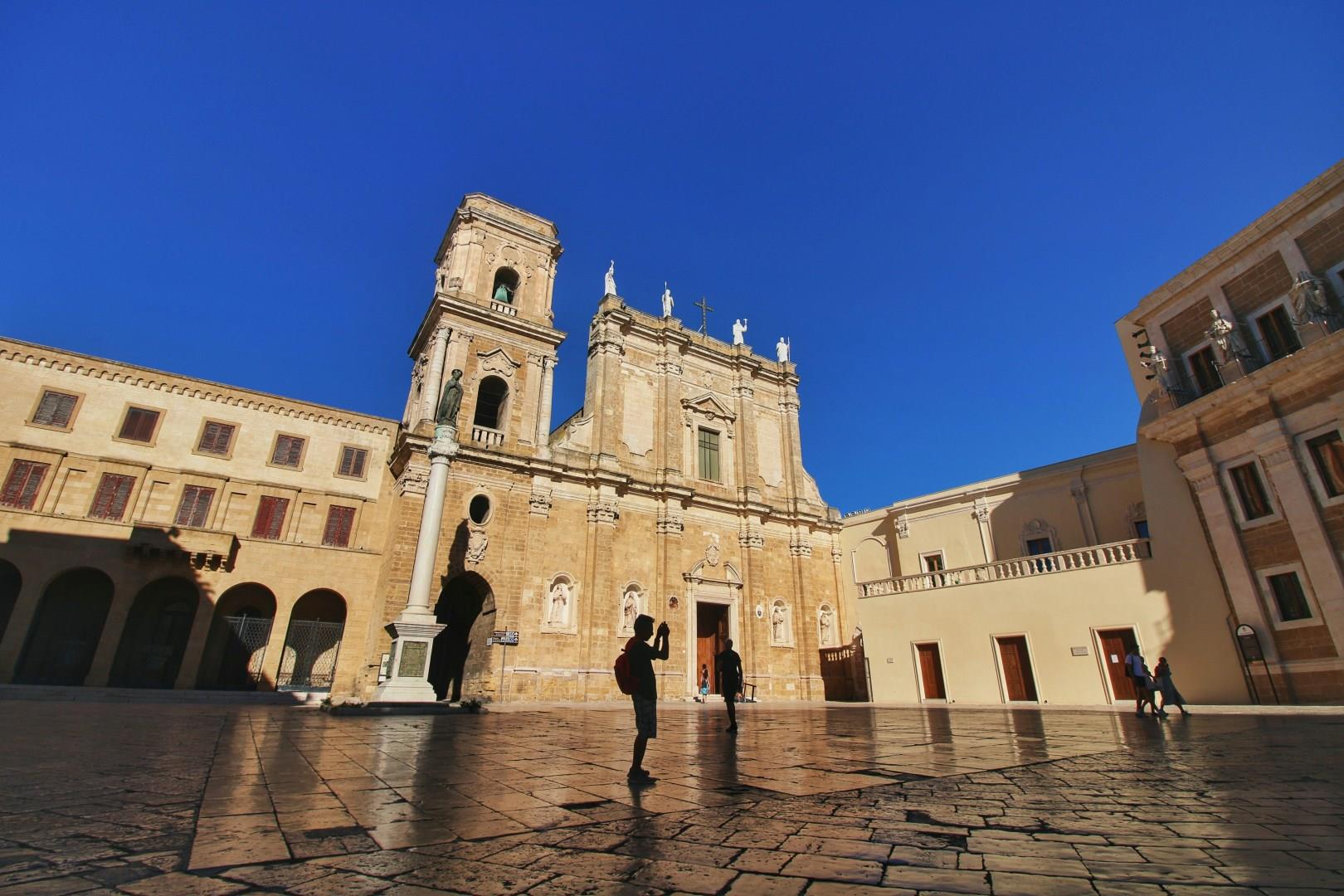
Italy’s port city of Brindisi, tucked along the Adriatic coast in the Puglia region, has been a gateway to the East for over two thousand years. Once the Roman Empire’s main departure point for the Via Appia, the road to Greece and beyond, Brindisi still bears traces of its ancient past, from Roman columns to remnants of old harbors that once welcomed traders, pilgrims, and soldiers.

Georgia
Georgia, a state rich in history and natural beauty, offers a captivating blend of cultural experiences and outdoor adventures. In the heart of Atlanta, the Martin Luther King Jr. National Historic Site invites visitors to explore the life and legacy of the civil rights leader through his childhood home and the Ebenezer Baptist Church where he preached.

Arizona
Arizona is a state where ancient landscapes and modern life meet in unexpected ways. While many come for the Grand Canyon, an awe-inspiring chasm over 277 miles long, there's far more waiting beyond the rim.
Tula
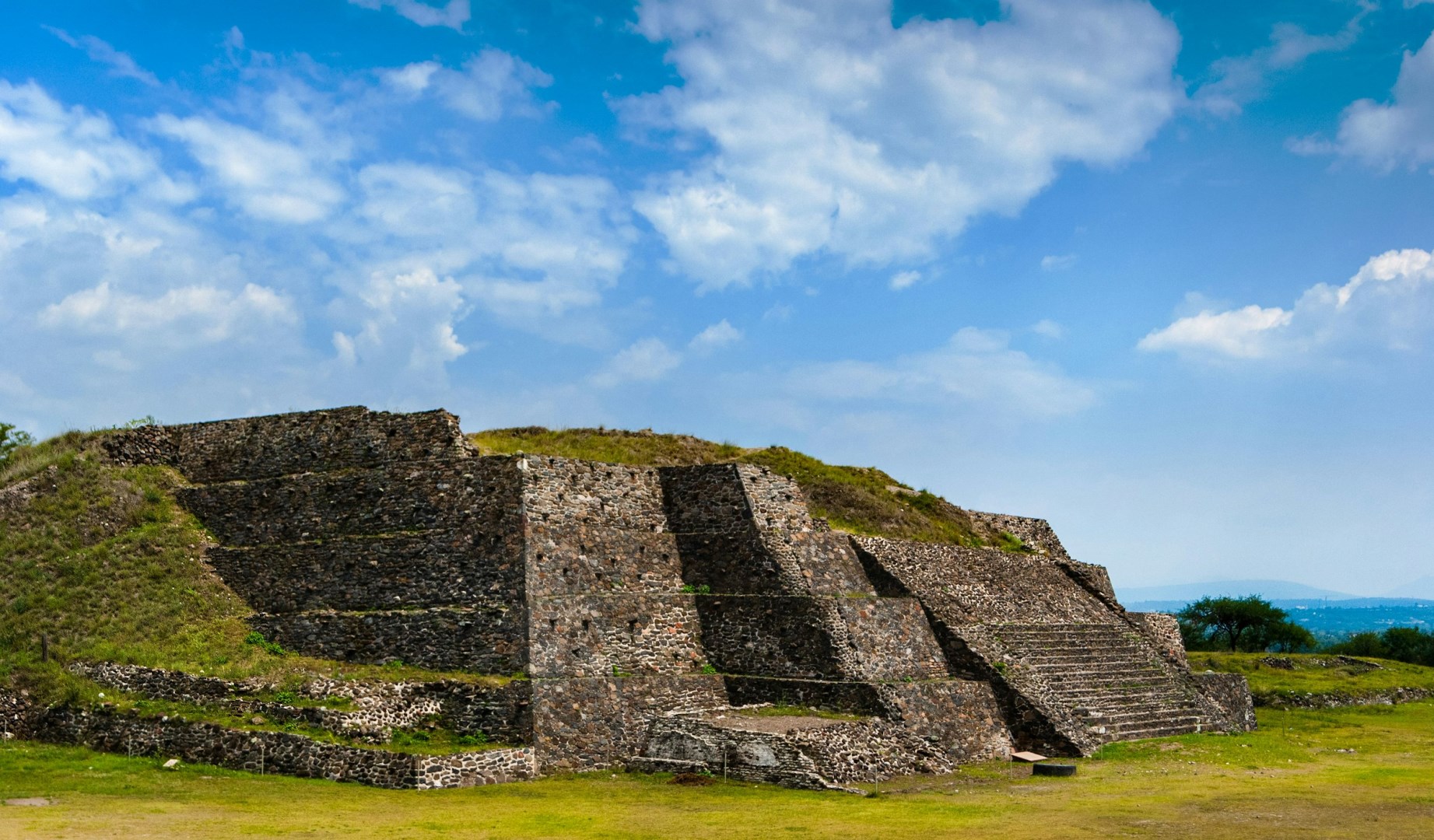
This Mesoamerican archaeological site was an important regional center and capital of the Toltec Empire between the fall of Teotihuacan and the rise of Tenochtitlan. Tula contains many impressive sights, including the basalt columns carved in the shape of Toltec warriors on the Pyramid of Quetzalcoatl.
Liepāja
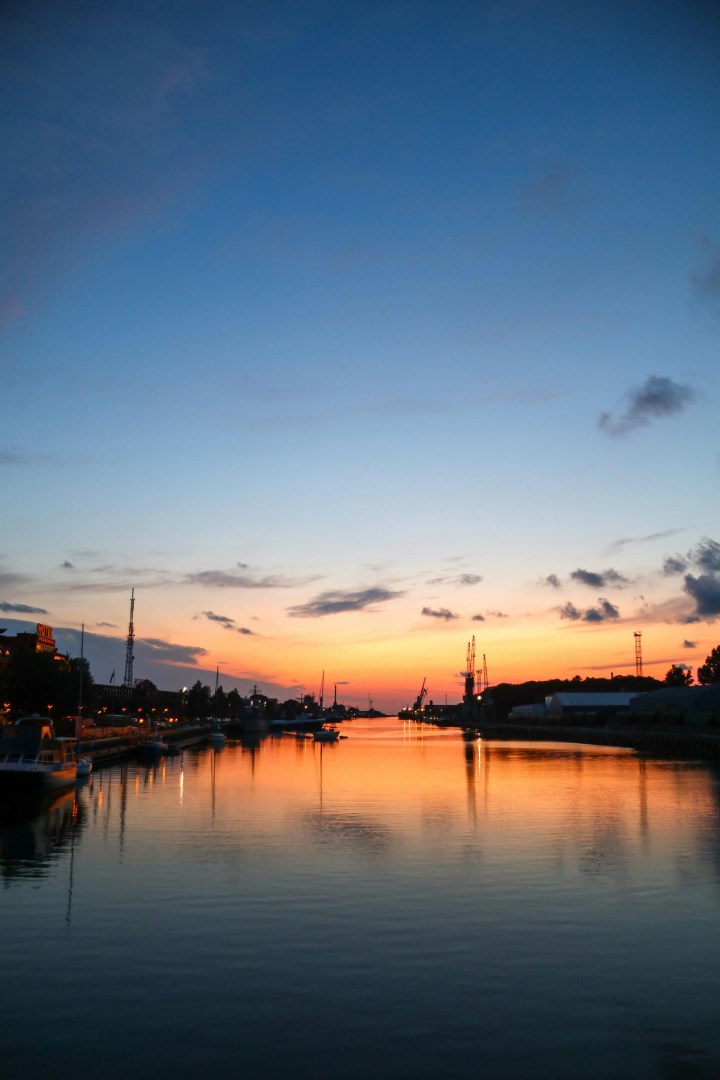
Liepāja is a coastal city in western Latvia, positioned between the Baltic Sea and Lake Liepāja. Its identity has long been shaped by the sea, port activity, industry, and music, while the city center contains a notable collection of wooden and Art Nouveau buildings. A broad sandy beach stretches along the coast, separated from the urban area by the large Seaside Park.