Foz do Iguaçu
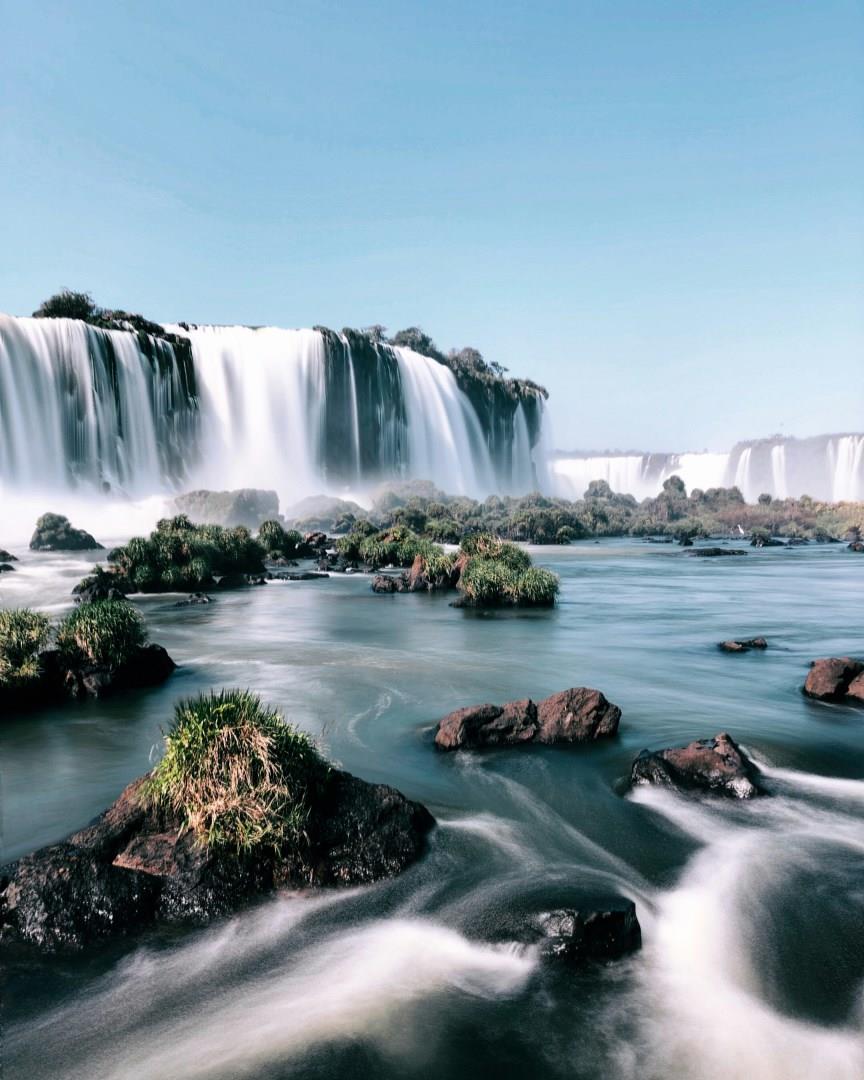
Set at the meeting point of Brazil and Argentina, Foz do Iguaçu is defined by the sheer scale of the Iguaçu Falls. Nearly 275 individual waterfalls stretch across close to three kilometers, sending mist into the air and sound echoing through the surrounding forest. Visitors follow raised walkways that bring them face to face with this moving wall of water, culminating at the dramatic Devil’s Throat, a deep, curved drop where the river seems to vanish into the earth.
Antofagasta
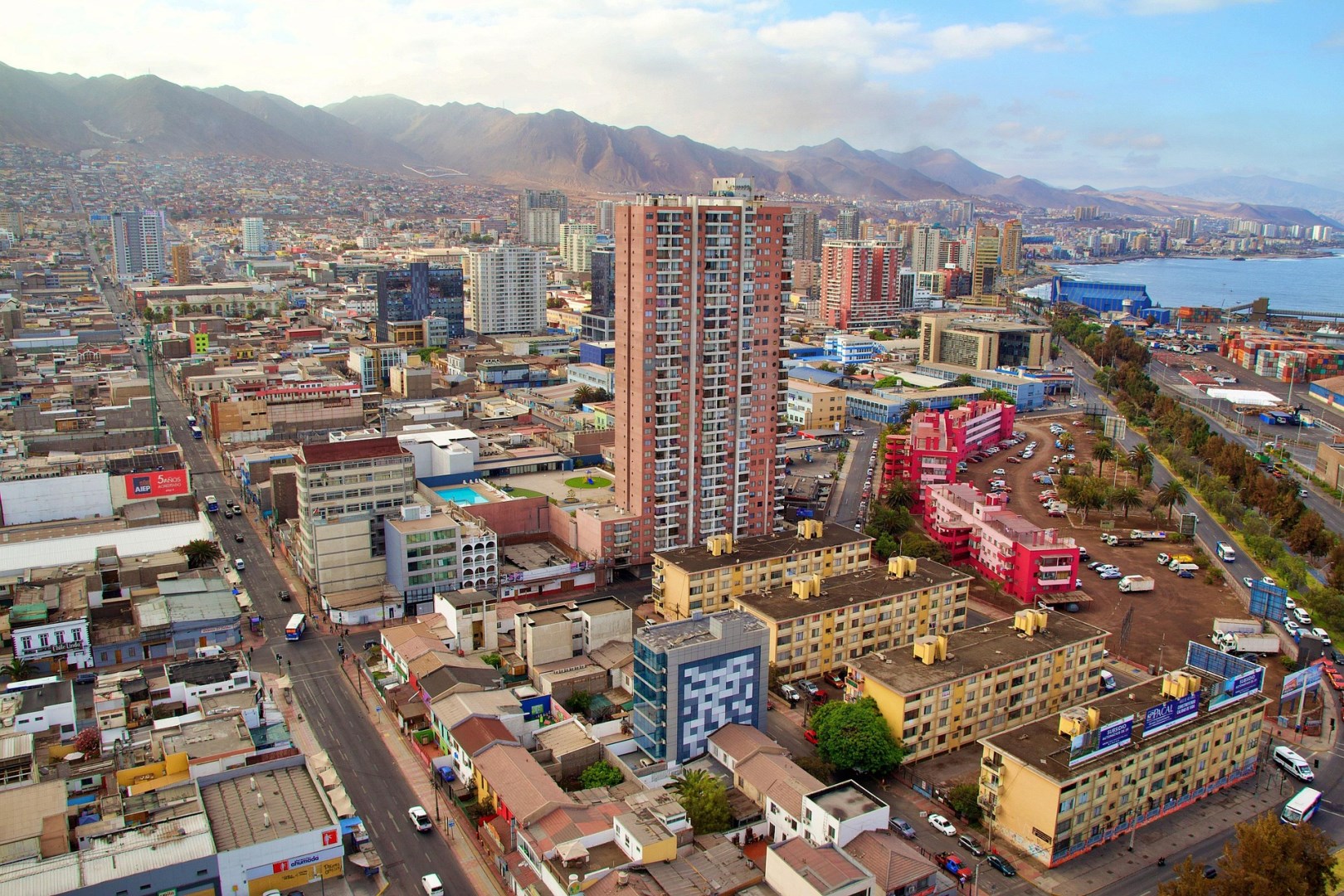
In Chile's arid Norte Grande, only one river in 700 miles of coastline makes it to the sea. Many towns have never experienced rainfall and depend on "Fogcatchers" to collect the morning dew for drinking water.
South Luangwa National Park
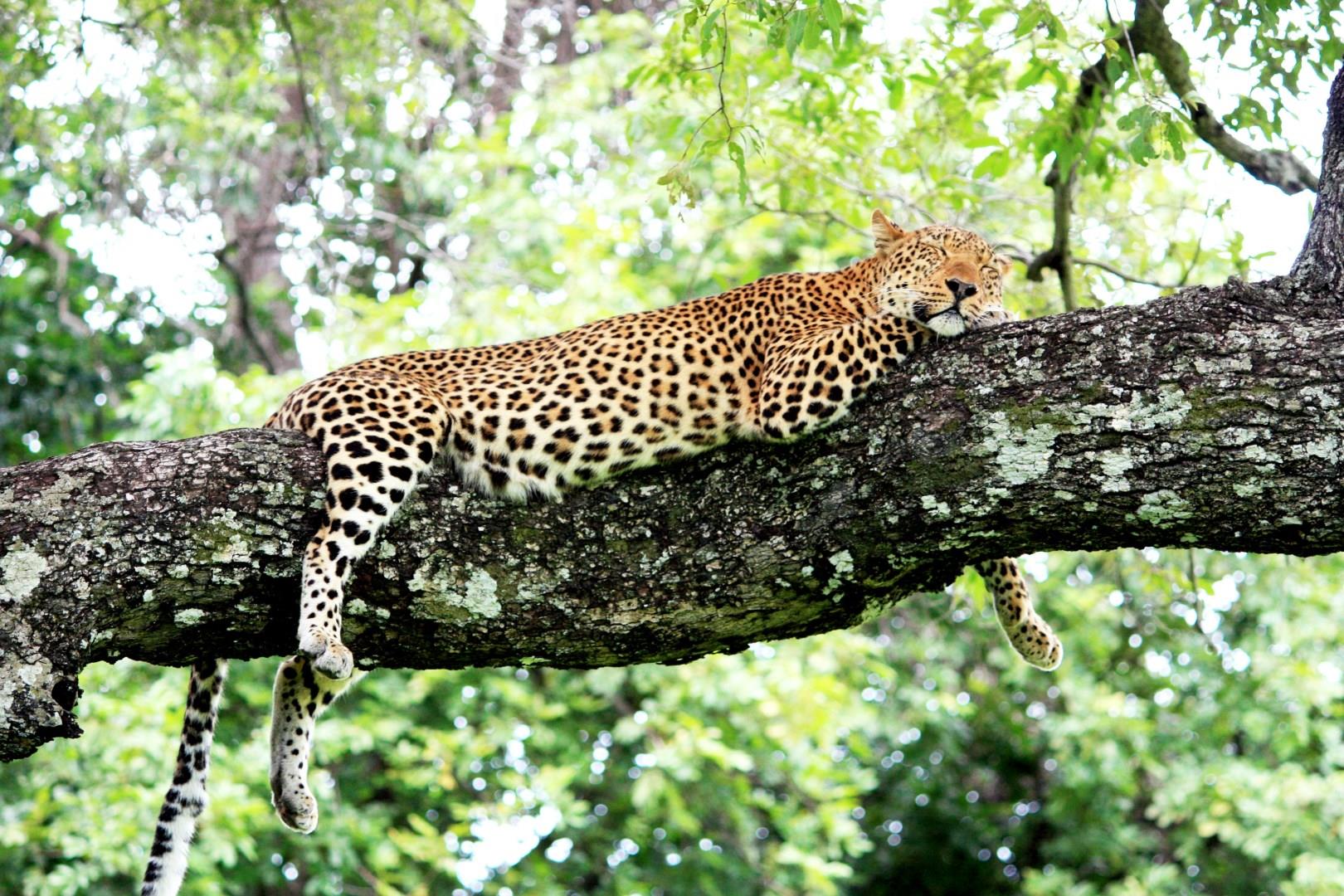
South Luangwa National Park in eastern Zambia is one of Africa’s most treasured wildlife areas, lying along the lush bends of the Luangwa River. Designated as a protected area in the 1970s, it stands out for its consistently high wildlife densities and landscapes that shift with the seasons. Dry grasslands, shaded woodlands, and green floodplains all unfold beneath wide skies, shaping the canvas for memorable animal sightings.
Trakai
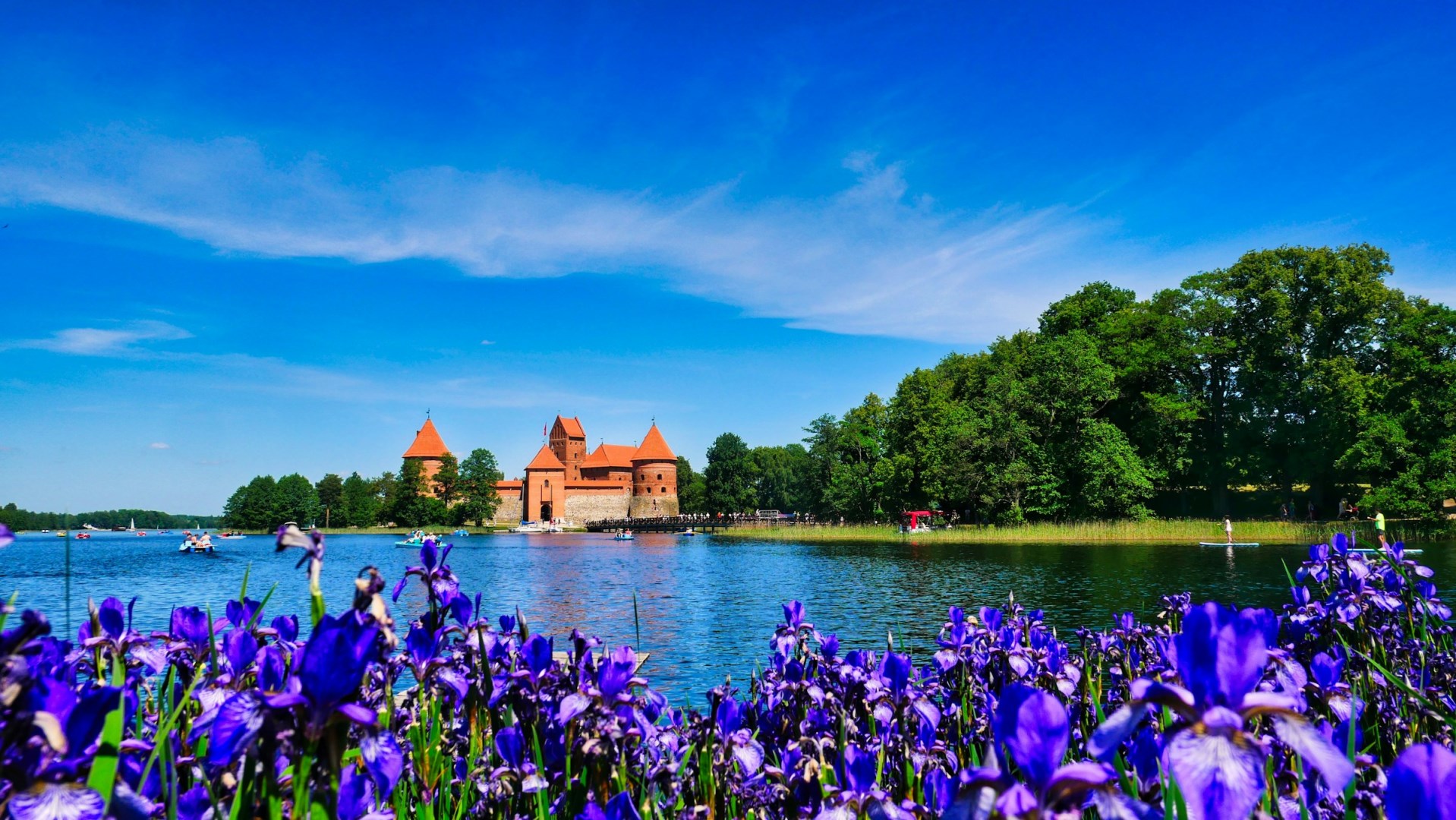
Trakai is a small historic town west of Vilnius, surrounded by lakes and wooded landscapes in southeastern Lithuania. Its most recognizable landmark is Trakai Island Castle, a red-brick fortress built on an island in Lake Galvė and connected to the shore by a wooden bridge. The town itself is set between several lakes, including Lake Galvė, Lake Totoriškės, and Lake Luka, giving its streets and waterfront a distinctly waterside setting.
Rimouski
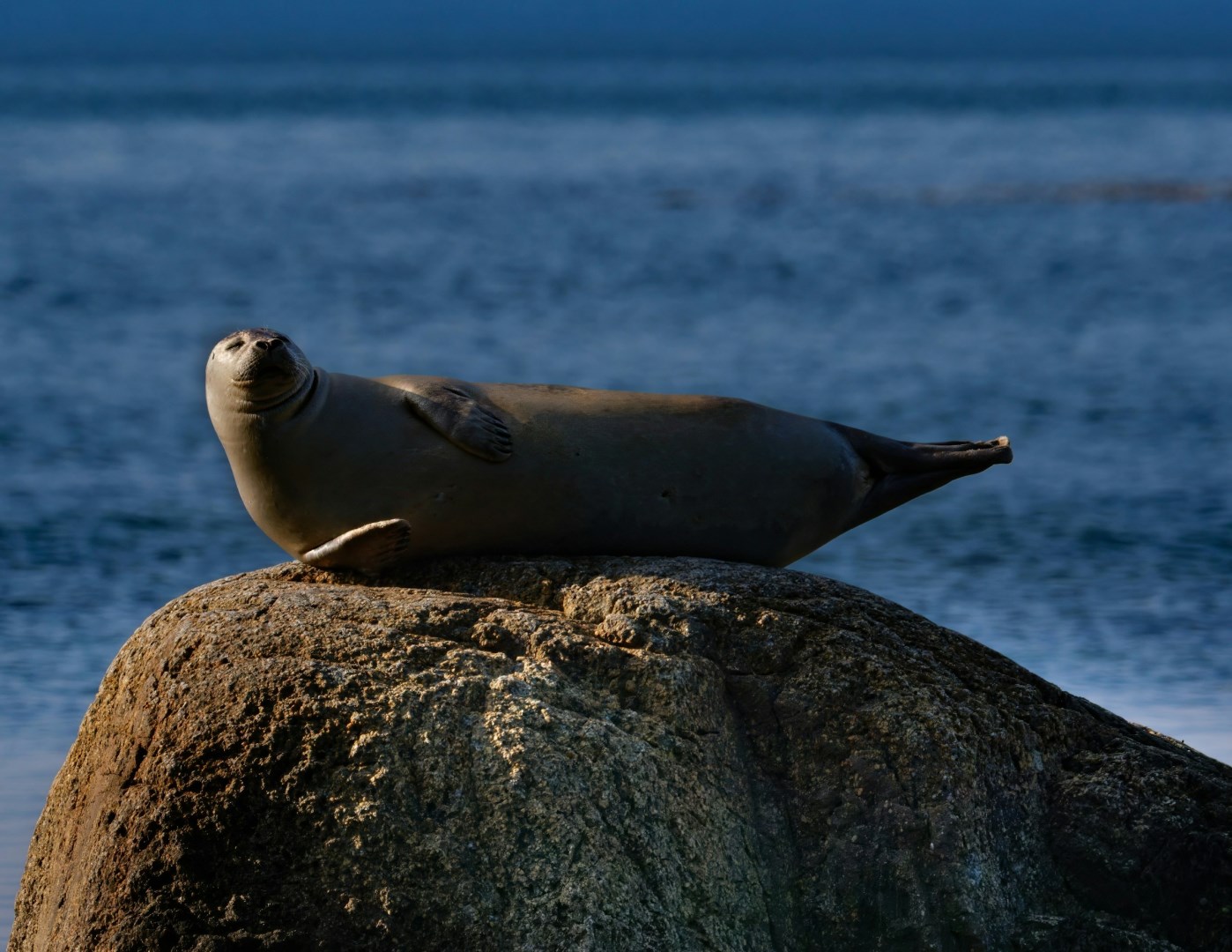
Rimouski is a regional centre on the south shore of the St. Lawrence River in Quebec's Bas-Saint-Laurent region. The city stretches along the river from the Le Bic district to Pointe-au-Père, combining an urban centre with rural landscapes, coastal areas, and forested hills. Its location gives Rimouski a strong maritime character, while nearby parks and waterways provide access to a varied natural environment.