La Paz
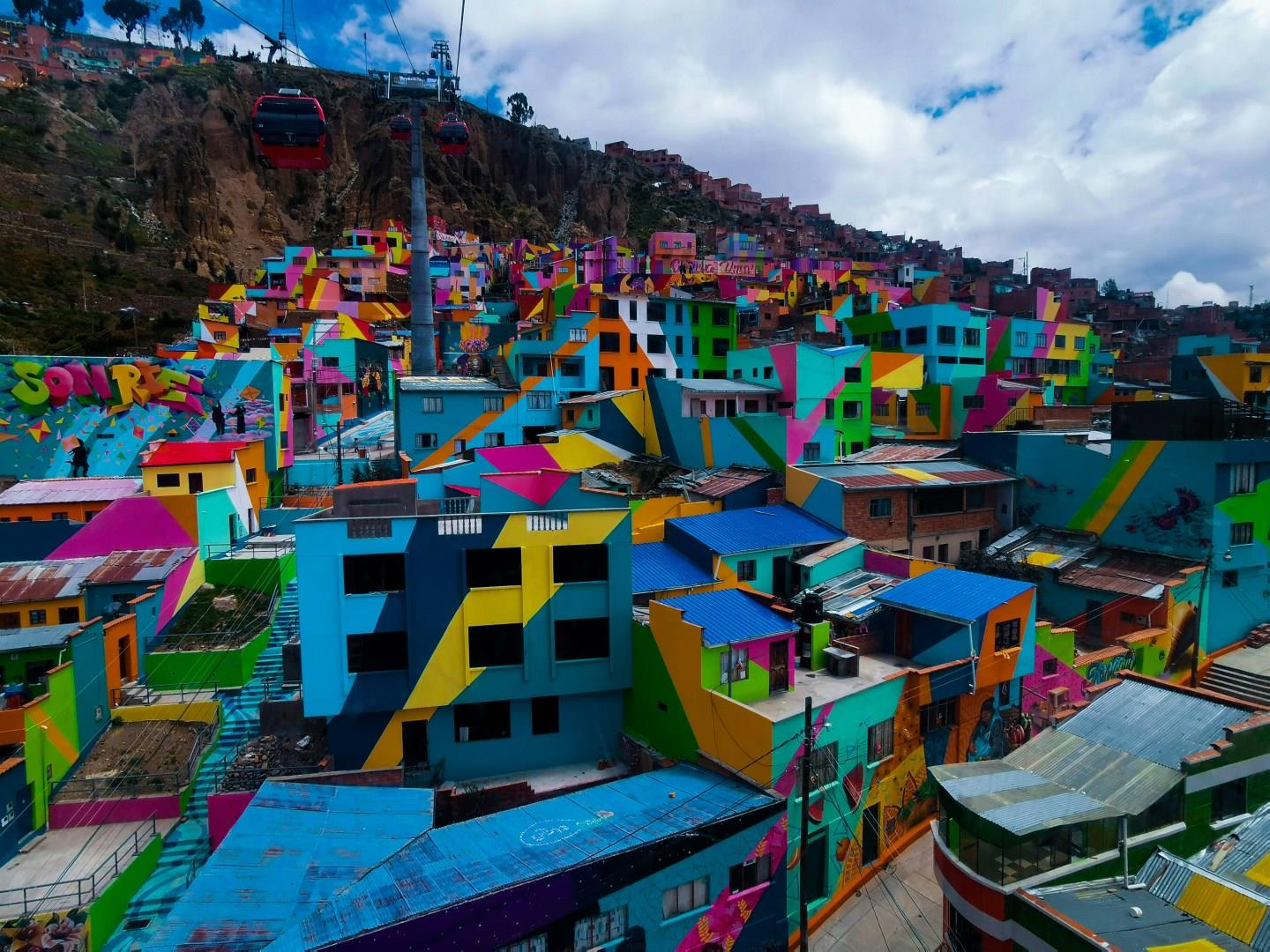
La Paz, Bolivia’s seat of government, is one of the world’s highest capital cities, dramatically set in a deep canyon carved by the Choqueyapu River. Founded in 1548 atop an important Indigenous settlement, the city has long been a crossroads of Andean cultures, colonial history, and modern political life.
My Tho
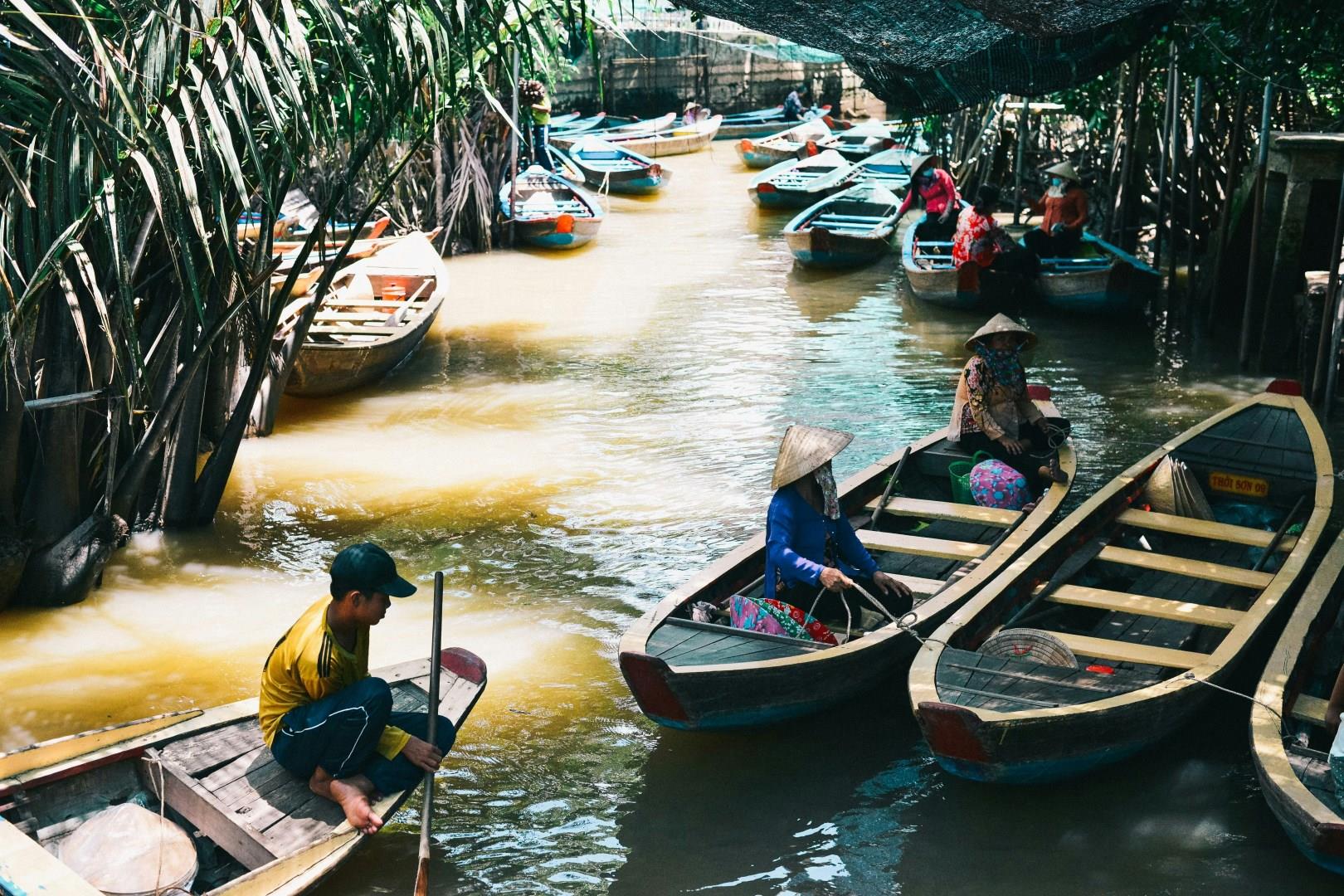
My Tho lies along the Tien River at the edge of Vietnam’s Mekong Delta, where waterways shape both movement and daily life.

Melk
Nestled along the south bank of the Danube, this historical Austrian city bursts with charm. A favorite stop on European river cruises, the city's most famous attraction is Melk Abbey, which dates back to the 11th century. The original Benedictine structure was lost to fires and foreign invasion, then rebuilt during the 18th century in lavish Baroque style, including a library and inner church covered in magnificent frescoes and gilded fixtures.

St. George's
St. George’s, the capital of Grenada, is a picturesque harbor town nestled within the rim of an extinct volcano. Its horseshoe-shaped Carenage, lined with pastel-colored colonial buildings, offers a postcard-perfect introduction to the island.

Baden-Baden
Nestled in the foothills of the Black Forest, Baden-Baden is Germany's ultimate spa destination, famous for its luxurious thermal baths and charming Belle Époque architecture. This elegant town, whose name literally translates to "Baths of Baden," has attracted visitors seeking relaxation and rejuvenation for centuries.