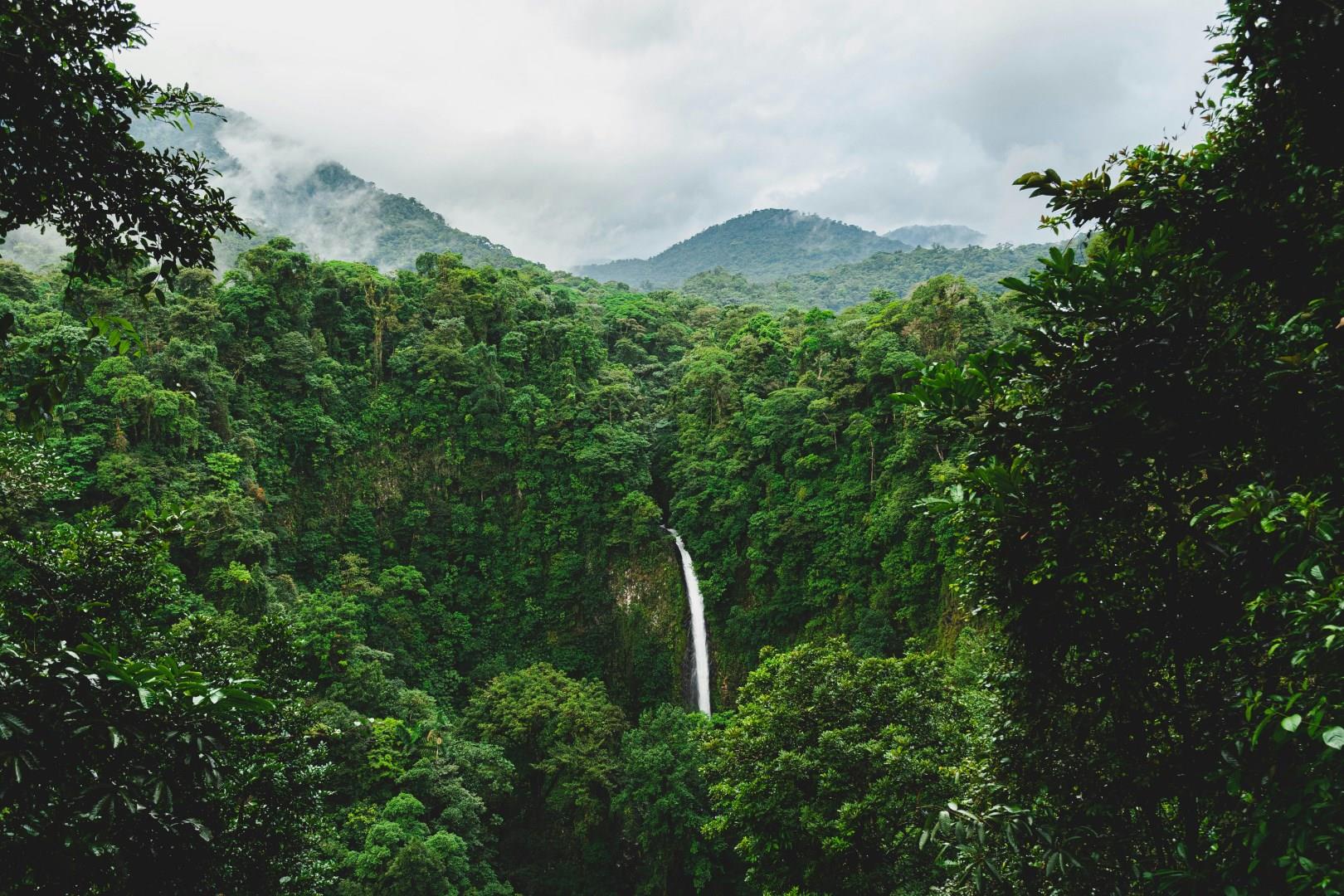
La Fortuna
La Fortuna is a town in northern Costa Rica, located in the San Carlos region at the base of Arenal Volcano. It is known for rainforest landscapes, geothermal hot springs, and outdoor activities connected to the surrounding mountains and rivers.

Cagliari Sardinia
Cagliari is Sardinia's capital and largest city. Several civilizations have left their imprint here architecturally and culturally. Must-sees include the Museo Archeologico Nazionale di Cagliari, with its Roman and Byzantine treasures, as well as Castello, a medieval quarter situated on a hill above the city. The city is also known for its food and vibrant nightlife.
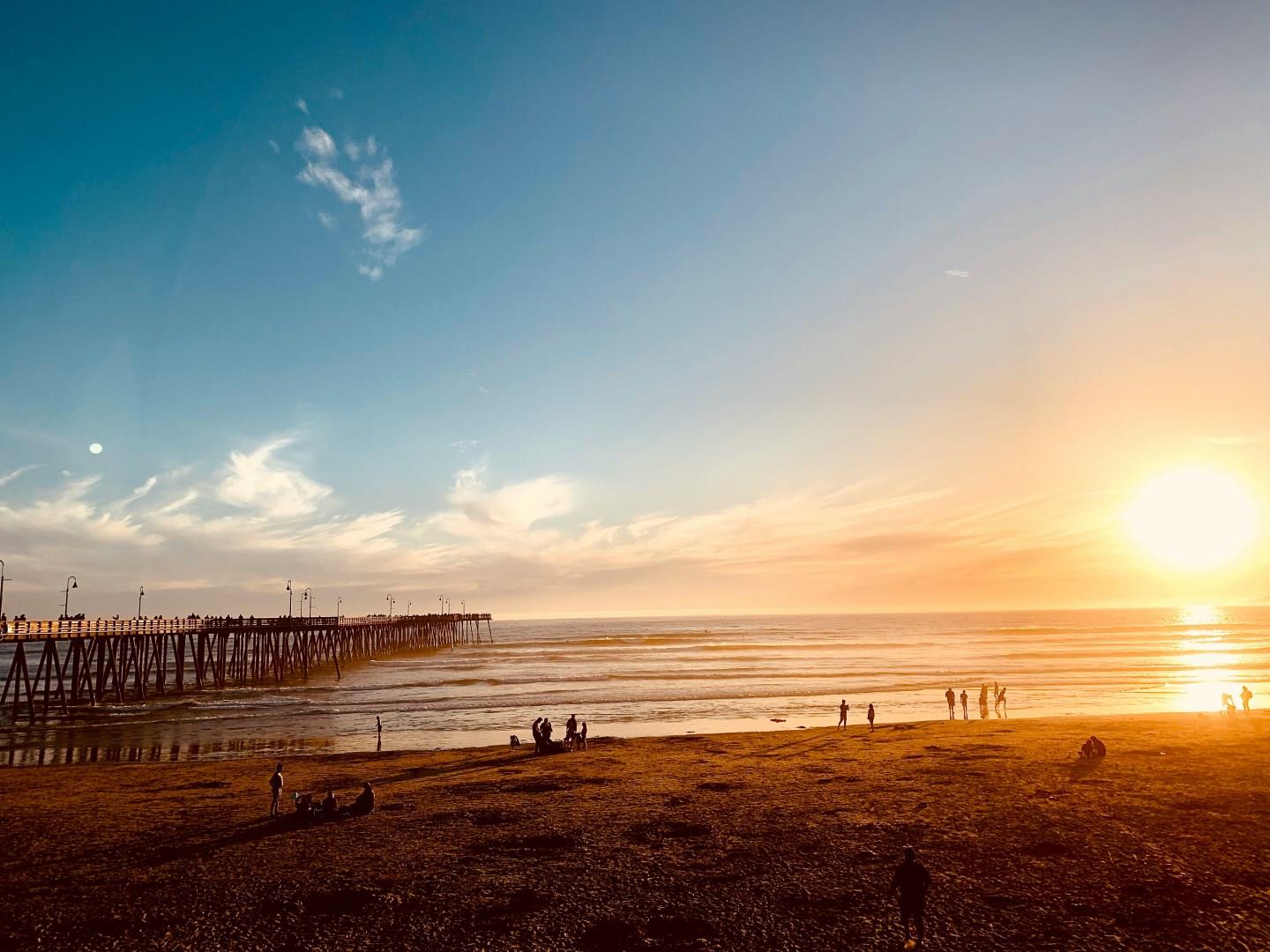
Pismo Beach
Abundant treasures for vacation enjoyment await visitors of all ages in the picturesque central California beachside community of Pismo Beach. Whether you enjoy a romantic walk along the beach, a challenging ride on a all-terrain vehicle through the sand dunes, sporting activities which suit enthusiasts of all levels or just plain fun, Pismo Beach has it all. Located midway between San Francisco and Los Angeles, Pismo Beach is in the center of some of the state's most beautiful coastline.

Basseterre
Nestled under the imposing view of volcanic Mount Liamuiga, charming Basseterre is the best place to begin your next Caribbean adventure to St. Kitts. From the island’s untouched natural beauty, best seen by boarding the famous St. Kitts Scenic Railway, to the glittering beaches of Frigate Bay, perfect for snorkeling and jet skiing, there are plenty of excursions guaranteed to thrill you in Basseterre. Be sure to stop by the city center to visit Independence Square or venture thirty minutes outs

Silistra
Silistra, a charming city located on the southern bank of the lower Danube River in Bulgaria, is a hidden gem that seamlessly blends ancient history with natural beauty. Founded by the Romans as Durostorum, Silistra is one of Bulgaria’s oldest cities, offering a wealth of historical sites that transport visitors back to the Roman Empire. The Silistra Roman Tomb, with its well-preserved frescoes, stands as a testament to the city’s rich past and is a must-visit for history enthusiasts.