Arrawarra
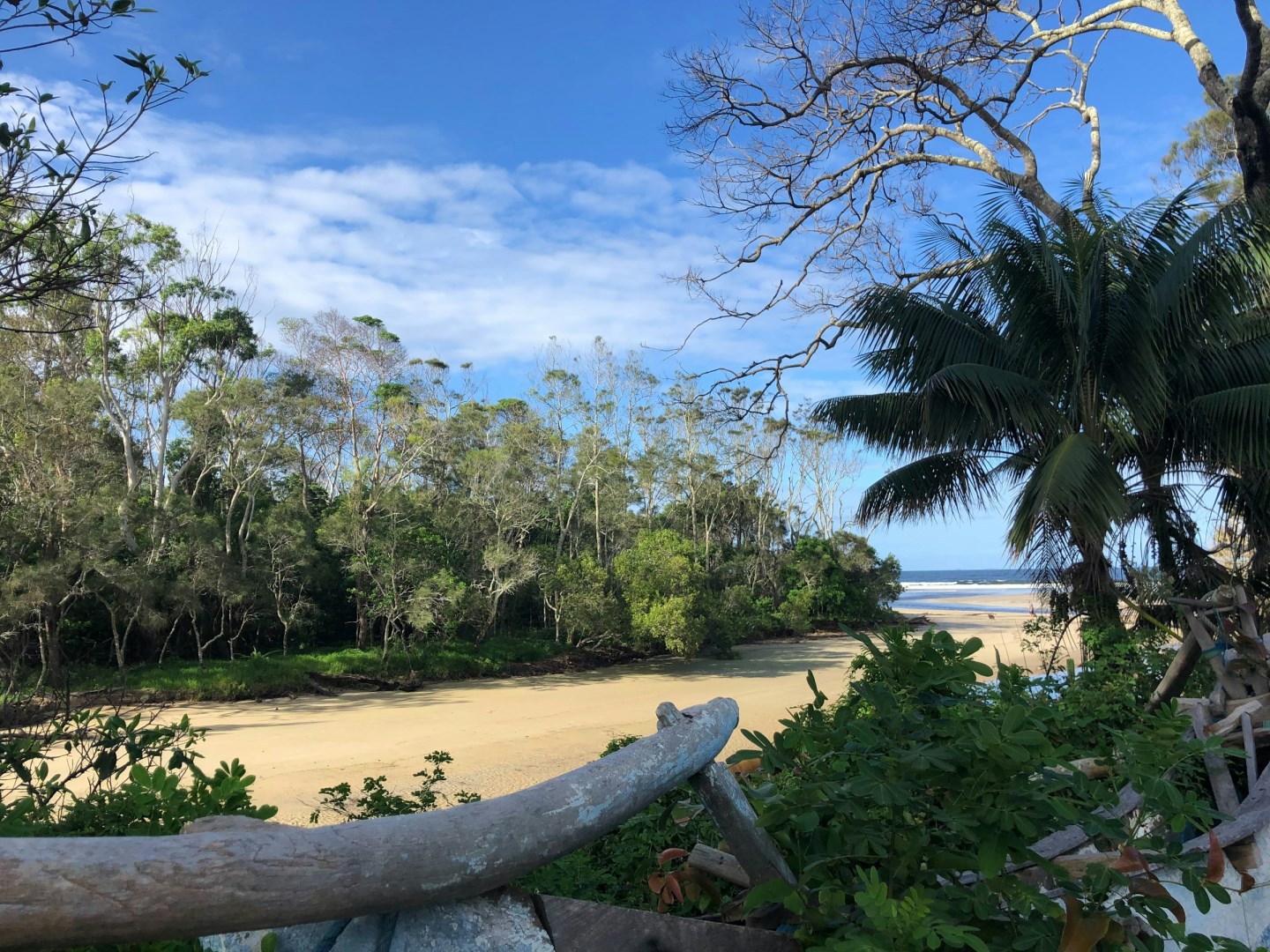
Arrawarra is a small coastal community on the Mid North Coast of New South Wales, located north of Coffs Harbour. Its landscape centres on Arrawarra Headland, where a sandy beach meets rocky shoreline, coastal vegetation, and waters protected within the Solitary Islands Marine Park. The area is known for surfing, fishing, swimming, beach walking, and exploring rock pools.

New Hampshire
New Hampshire, a gem of New England, invites travelers to immerse themselves in its stunning natural landscapes and rich historical tapestry. Nestled in the heart of the White Mountains, the state is renowned for its outdoor adventures. The iconic Mount Washington, the highest peak in the Northeastern U.S., offers breathtaking views and a challenging climb for avid hikers.

Seoul
Seoul, the capital of South Korea, is a city where history and modernity coexist. Ancient palaces like Gyeongbokgung and Changdeokgung stand amid skyscrapers and contemporary architecture, offering a glimpse into the country’s rich heritage. The city’s neighborhoods, from Insadong’s traditional streets to Gangnam’s sleek districts, showcase its cultural and economic diversity.
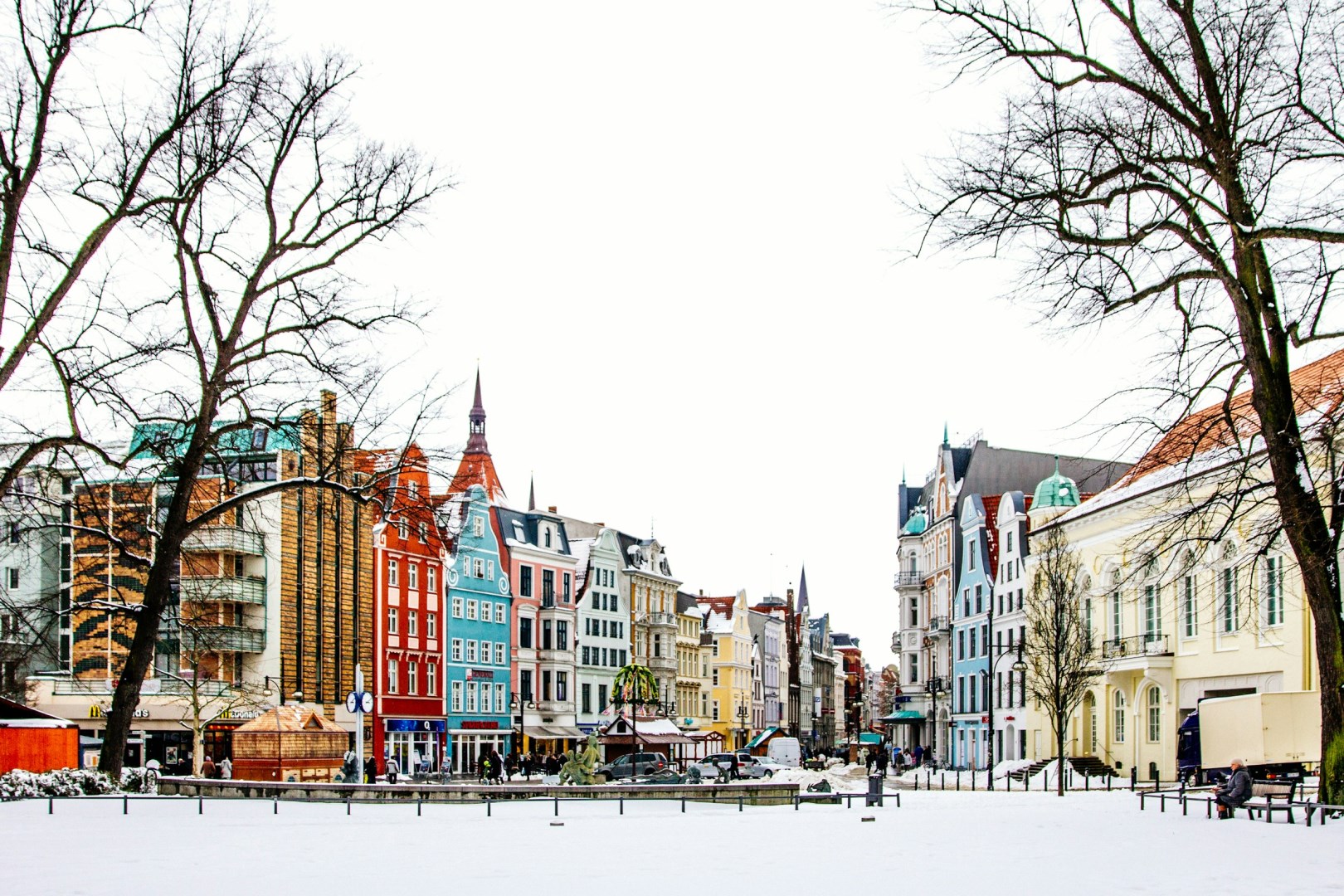
Rostock
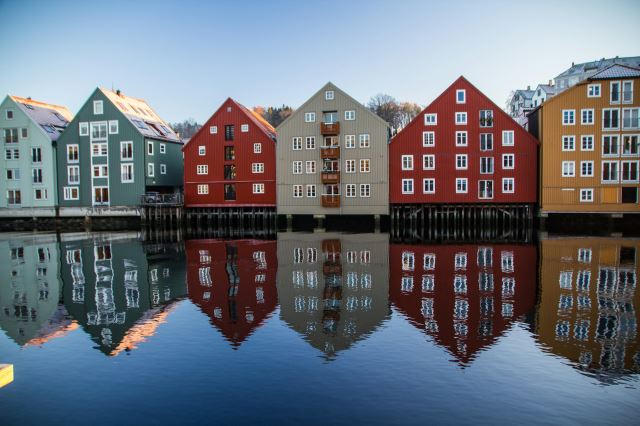
Make friends with Rostock, one of Germany's most beautiful Hanseatic cities - where the Baltic Sea laps the shores of Mecklenburg/Western Pomerania and the air tastes slightly salty, where old-fashioned sailboats provoke nostalgic longings, and where brick gables reach into the sky.

Ushuaia
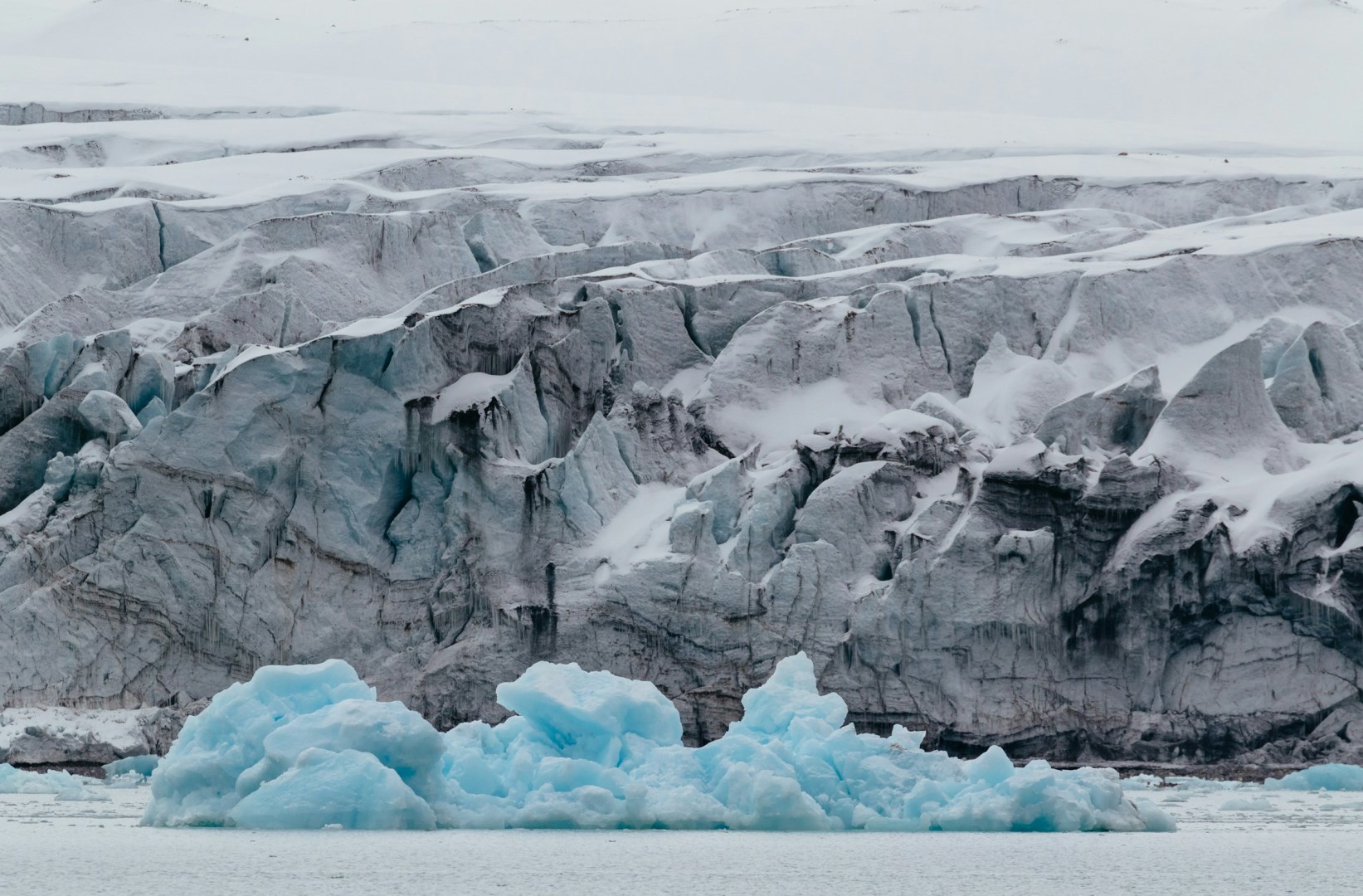
Are you ready to go to the End of the World? Stunning views of snow-capped mountain peaks await you in Ushuaia, located on the southernmost tip of South America. This small coastal town sits between the Martial Mountains and the Beagle Channel and is a popular embarkation point for Antarctic cruises. Visit some of Ushuaia's popular attractions, including Les Éclaireurs Lighthouse, Tierra del Fuego National Park, Lapataia Bay, and the Museo del Fin del Mundo.