Roussillon
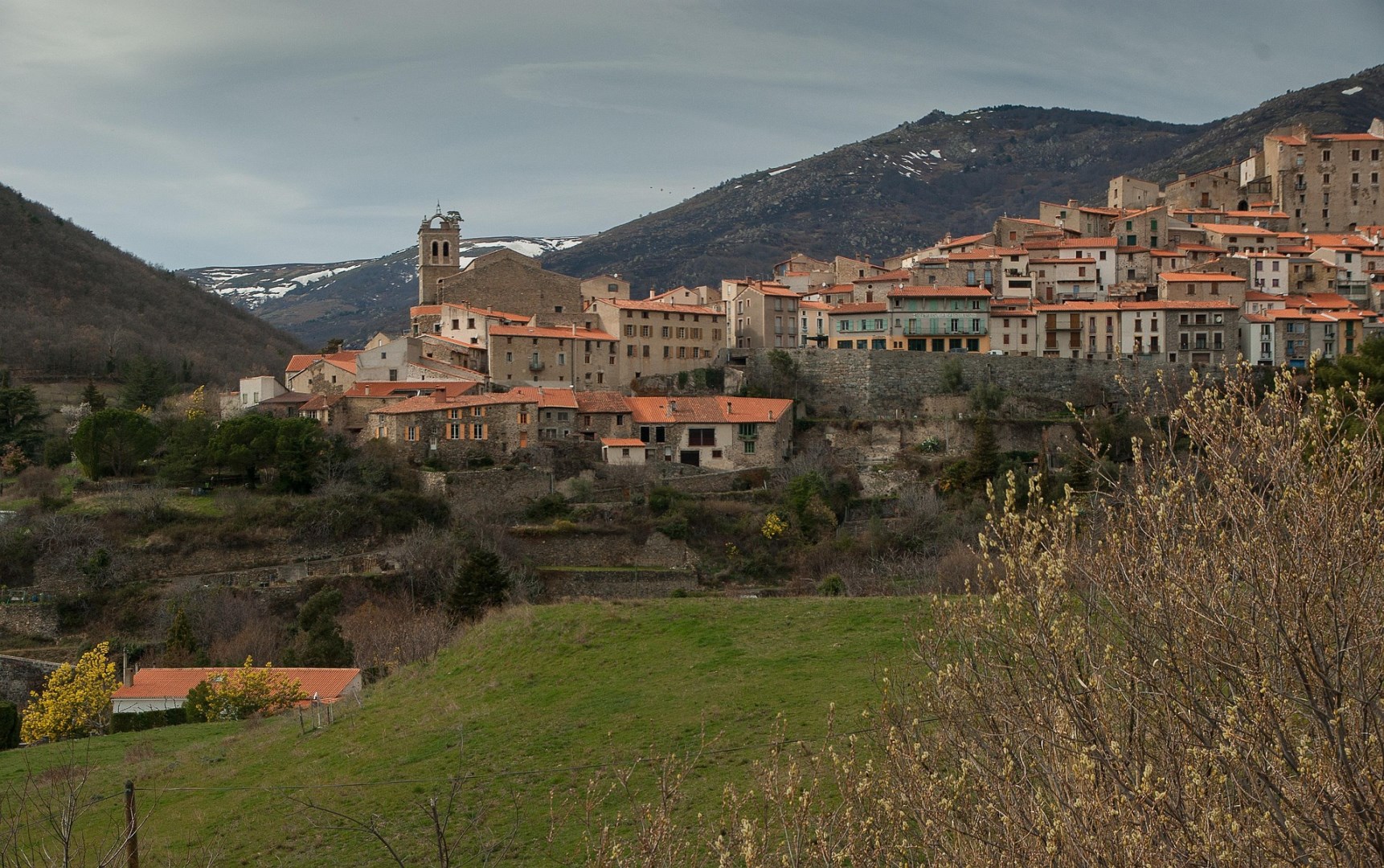
Roussillon is a hilltop village in the Luberon of southeastern France, surrounded by some of the region’s richest ochre deposits. Its houses, walls, and narrow streets are colored by the same natural pigments found in the surrounding earth, ranging from pale yellow to deep red. The village stands within the Luberon Regional Natural Park, where wooded hills and agricultural land meet the ochre landscape.
Riyadh
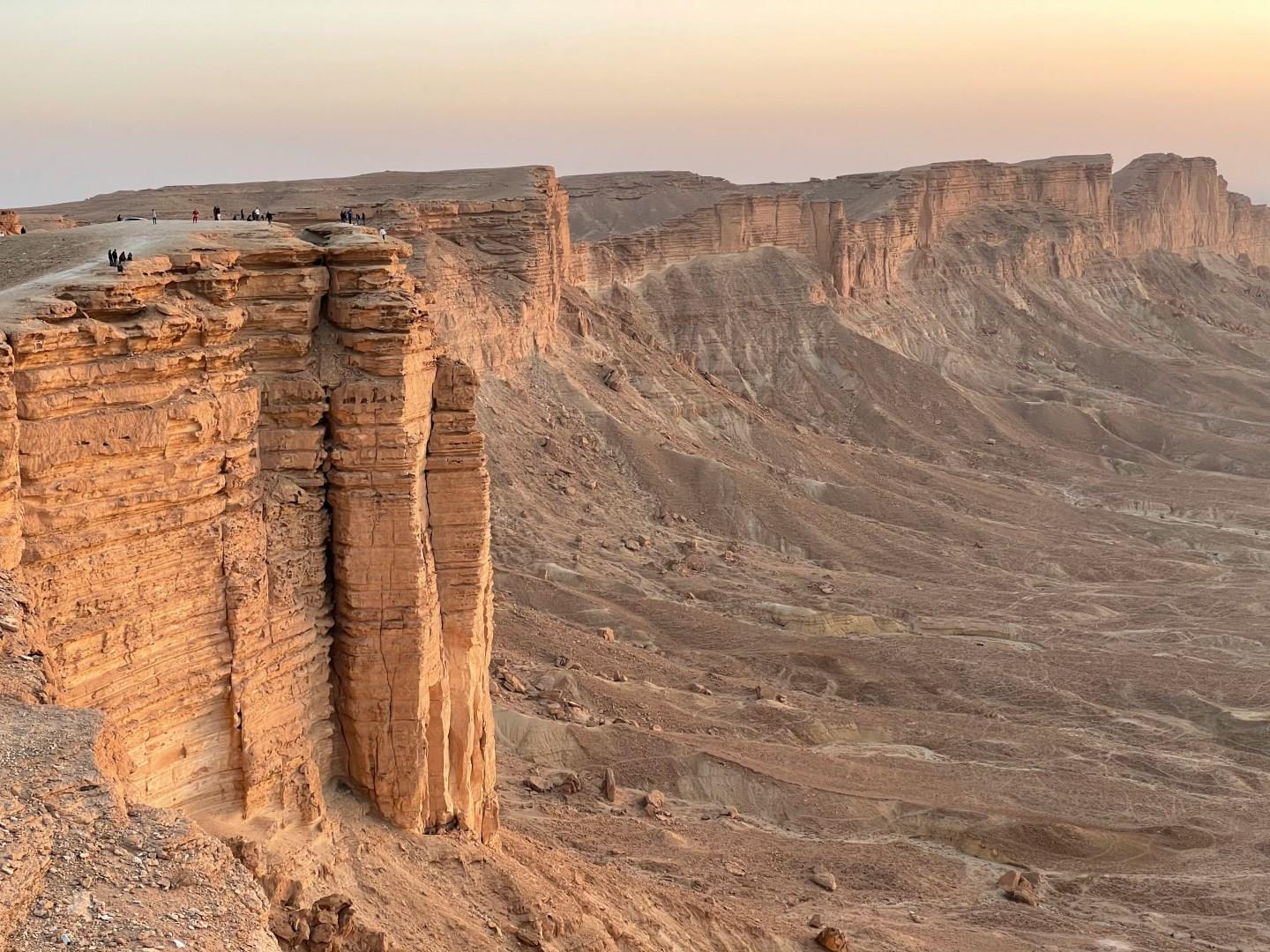
Riyadh blends stories from centuries with modern splendor. At its core stands Al Masmak Fortress, built of clay and mud-brick in the 19th century. It was the site that set the stage for the unification of Saudi Arabia. Today, it’s a museum that preserves weapons, historical displays, and accounts of that pivotal moment. Adjacent to the fortress, the Souq Al-Zal offers spices, traditional jewelry, and handmade crafts, connecting visitors to the city’s past through its alleyways.

Dominica
Dominica, known as the “Nature Island of the Caribbean,” is a haven for eco-tourists and adventure seekers. Nestled between the French islands of Guadeloupe and Martinique, this lush island boasts a remarkable landscape of volcanic mountains, dense rainforests, and stunning waterfalls. Dominica’s most iconic natural wonder is the Boiling Lake, the second-largest hot spring in the world.

Langkawi
Nestled in the Andaman Sea, Langkawi is an idyllic island escape renowned for its pristine beaches, lush landscapes, and vibrant culture. This Malaysian archipelago, comprising over 100 islands, boasts a range of natural wonders, including the Langkawi Sky Bridge, an architectural marvel suspended 700 meters above ground.
West Virginia
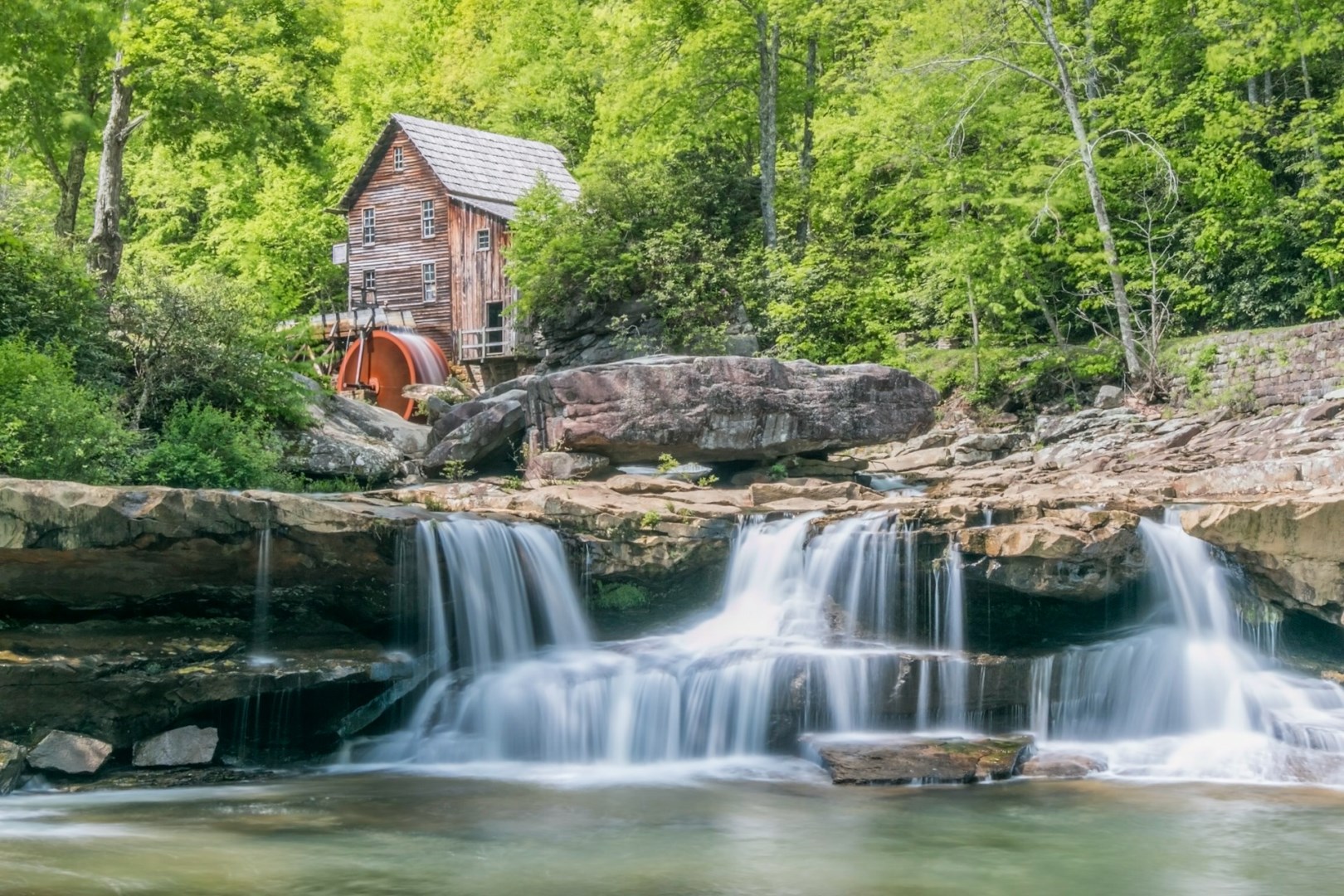
West Virginia offers a travel experience shaped by mountain traditions, surprising culinary finds, and deep historical roots. Today, towns like Harpers Ferry preserve that legacy. Perched at the confluence of the Potomac and Shenandoah rivers, Harpers Ferry feels like a living museum with 19th-century buildings, historical reenactments, and trails that lead directly into the Appalachian Mountains.