
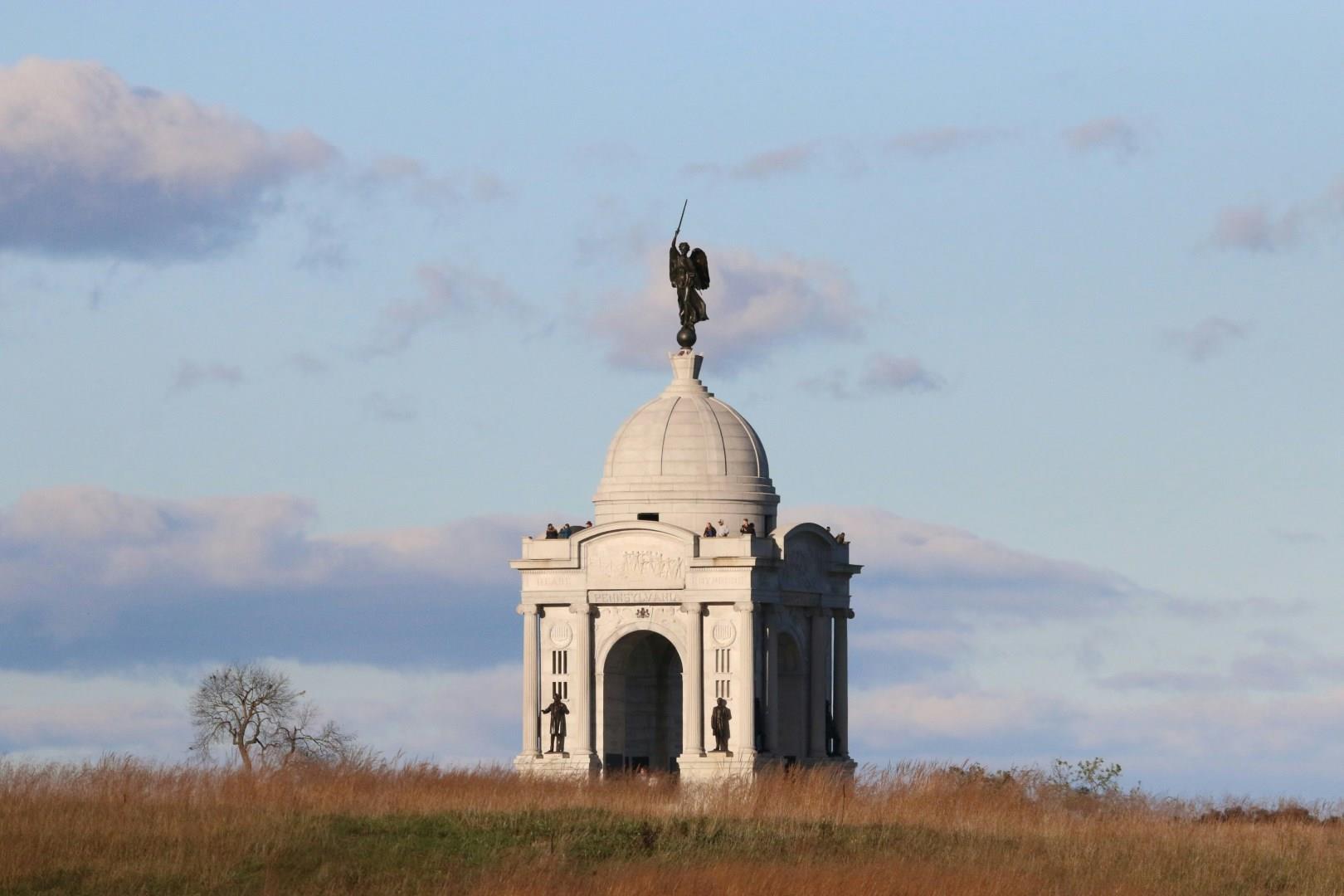
Gettysburg
Gettysburg, Pennsylvania is best known as the site of the most significant battle of the American Civil War, fought over three days in July 1863. Today, visitors can explore the 6,000-acre Gettysburg National Military Park, which preserves the battlefield in remarkable detail. Over 1,300 monuments, cannons, and markers dot the landscape, each telling a piece of the story. One of the most visited spots is Little Round Top, where Union forces held their ground in a pivotal moment of the battle.

Garden of the Gods
Garden of the Gods, located in Colorado Springs, is a breathtaking natural wonder renowned for its stunning red rock formations and striking geological features. This public park is famous for its towering sandstone spires, some reaching heights of over 300 feet, which create a dramatic contrast against the backdrop of the snow-capped Pikes Peak.

Kamloops
Kamloops, located in the interior of British Columbia, sits at the meeting point of the North and South Thompson Rivers. The name comes from the Secwépemc word “Tk’emlúps,” meaning "where the rivers meet," and the area has been a gathering place for Indigenous communities for thousands of years. Today, visitors can explore this rich cultural heritage at the Secwépemc Museum and Heritage Park, where trails lead through archaeological sites and reconstructed pit houses.
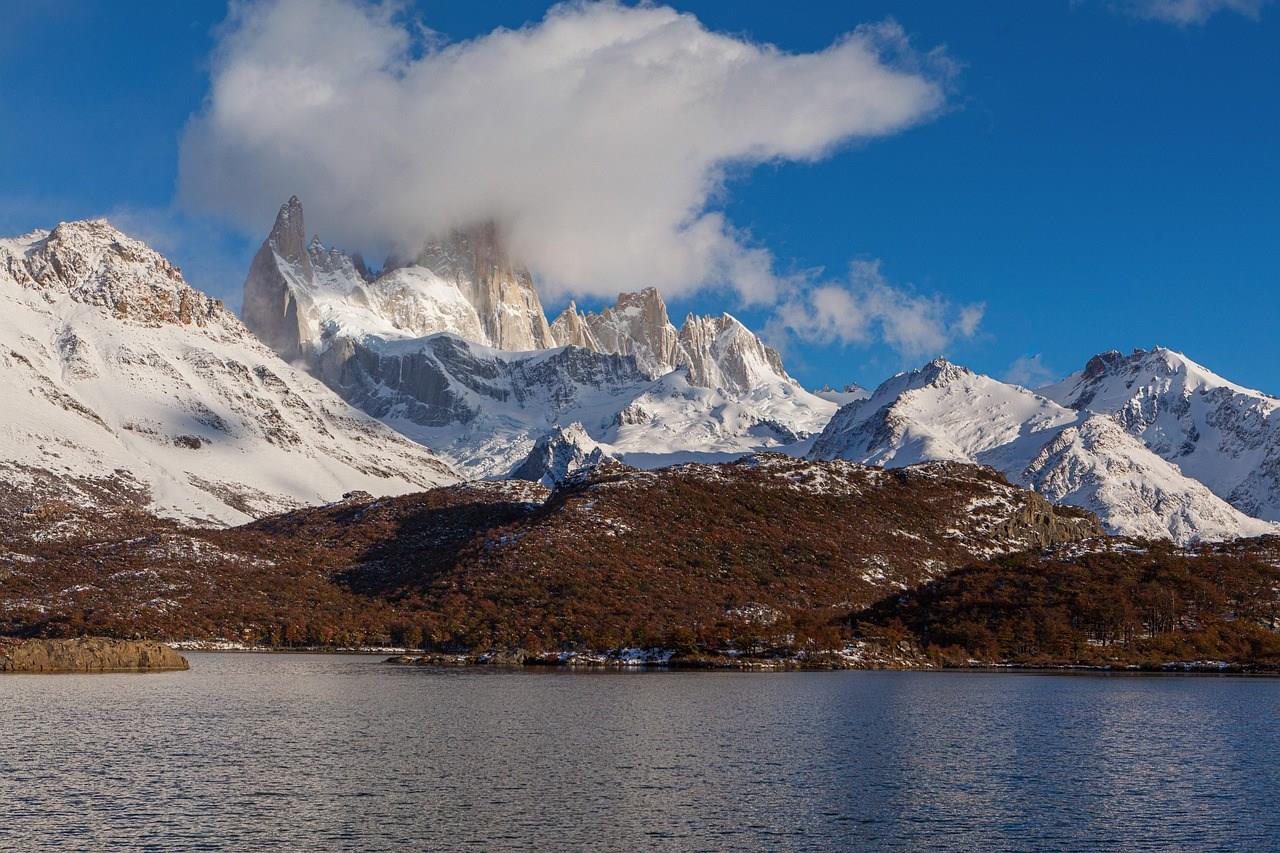
El Chaltén
El Chaltén sits at the edge of Los Glaciares National Park in Argentina’s Patagonia region, framed by the iconic peaks of Cerro Fitz Roy and Cerro Torre. Its remote location beside the Río de las Vueltas makes it a gateway to dramatic landscapes of granite spires, glacial streams and wide steppe plains.

San Gimignano
San Gimignano, a stunning medieval hilltop town in Tuscany, Italy, is often called the "Medieval Manhattan" due to its remarkable skyline of ancient towers. Encircled by 13th-century walls, the town is a UNESCO World Heritage site that offers a mesmerizing journey back in time. As you stroll along the cobbled streets of the historic center, you'll be enchanted by the preserved Romanesque and Gothic architecture, from charming piazzas to grand churches.


