Kandy
Nestled in the heart of Sri Lanka’s hill country, Kandy is a city steeped in history, culture, and natural beauty. As the last capital of the ancient kings of Sri Lanka, Kandy holds a unique charm that blends its colonial past with a rich, vibrant heritage. The city’s crown jewel is the Temple of the Sacred Tooth Relic, a UNESCO World Heritage site that houses a relic believed to be the tooth of the Buddha.
Durango
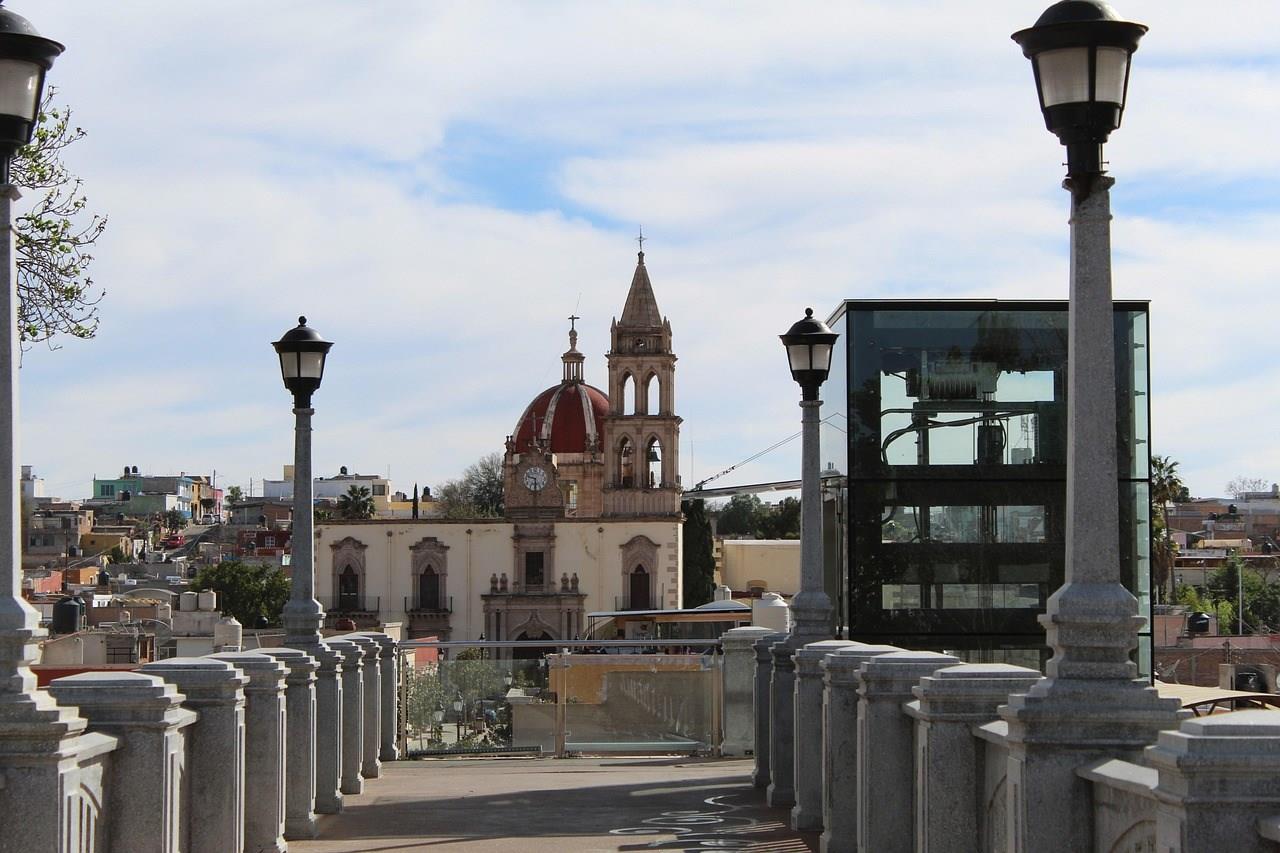
Victoria de Durango rises on a high plateau Mexico’s Sierra Madre Occidental, founded in 1563 by Francisco de Ibarra. Its streets trace layers of history: the historic center holds the most listed buildings in northern Mexico and remains a notable stop on the Camino Real de Tierra Adentro, now a UNESCO World Heritage route.
St. Moritz
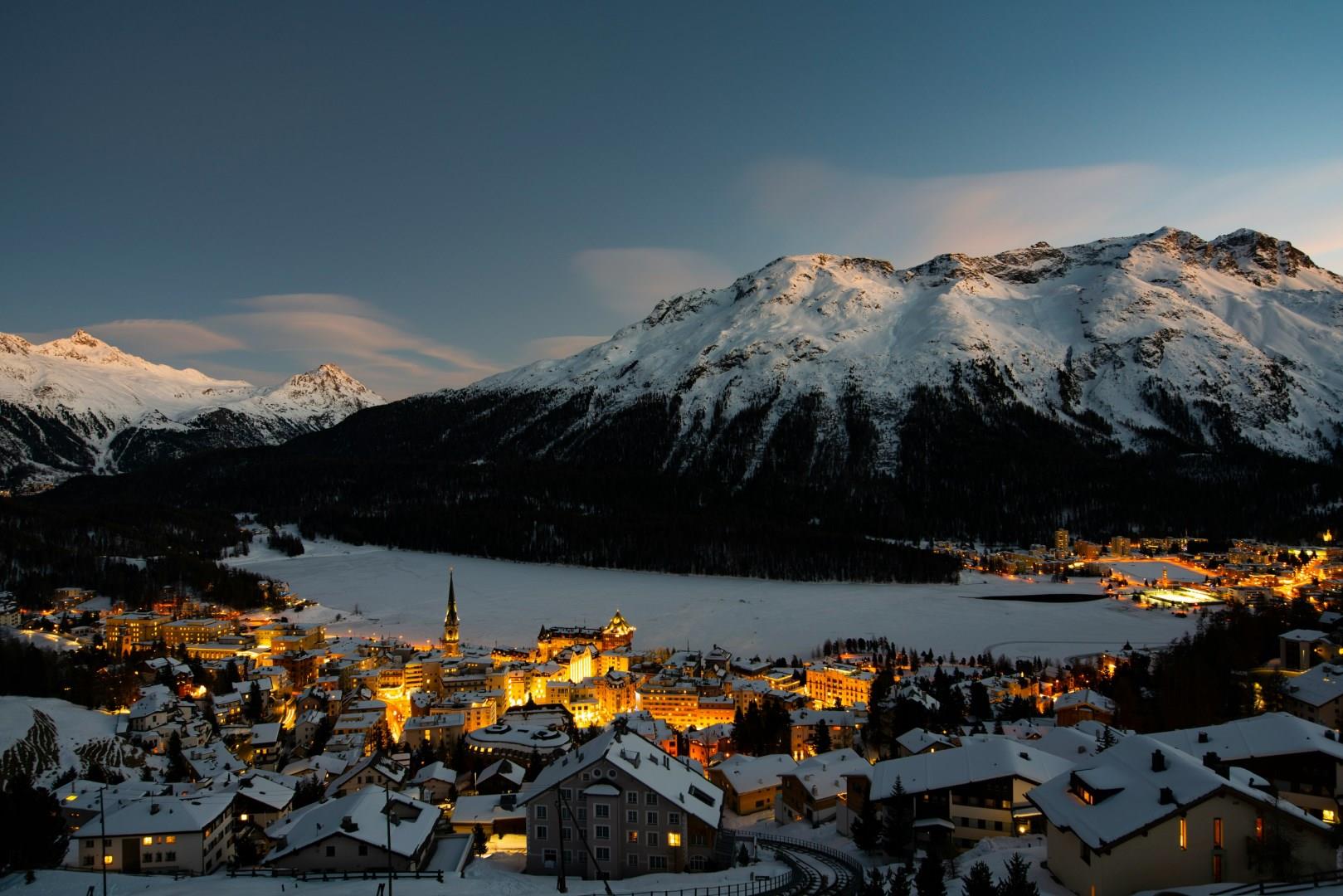
St. Moritz, located in Switzerland’s Engadin Valley, has been attracting visitors for over 150 years, long before the term "alpine resort" became common. It was here in 1864 that winter tourism was born, when a hotelier made a wager with British guests that they would enjoy the snow just as much as the summer sun. They returned, and the rest is history. The town has since hosted the Winter Olympics twice (in 1928 and 1948) and remains a favorite for skiing, snowboarding, and ice sports.

Fukuoka
Fukuoka, Japan’s vibrant city on the island of Kyushu, offers a captivating blend of history, culture, and modern charm. Known for its welcoming atmosphere and rich heritage, Fukuoka is home to the impressive Fukuoka Castle, a historical site that offers a glimpse into the city’s feudal past.
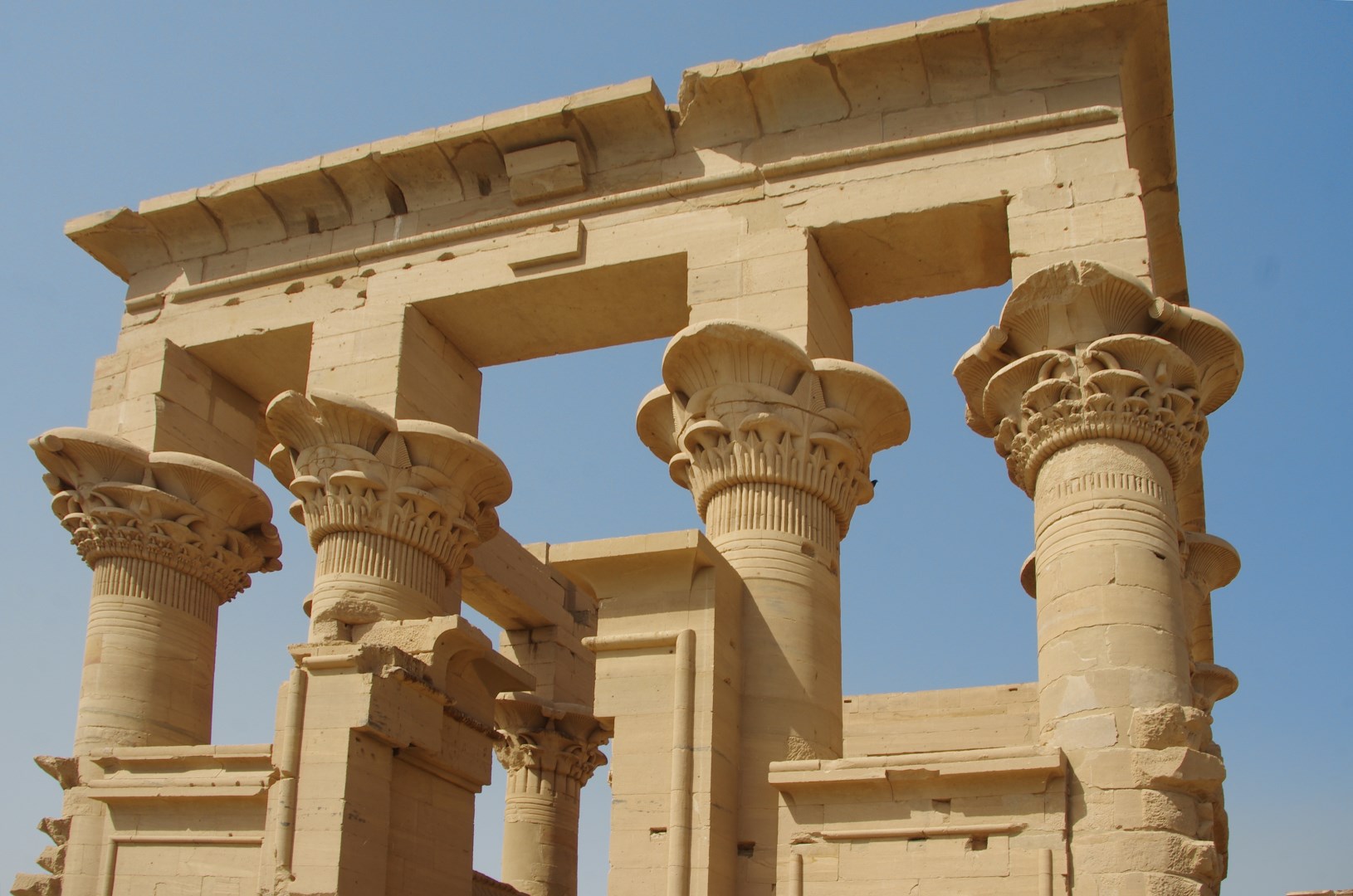
Philae
Philae Temple Complex sits on an island in the Nile near Aswan, where calm water and granite hills create a setting that feels carefully placed in the river. The temple buildings rise from the island like carved stone reflections of the cliffs around them, and reaching the site requires a short boat ride across still waters. This approach is part of the experience, as visitors leave the shore behind and glide toward an island that seems built for slow discovery.