
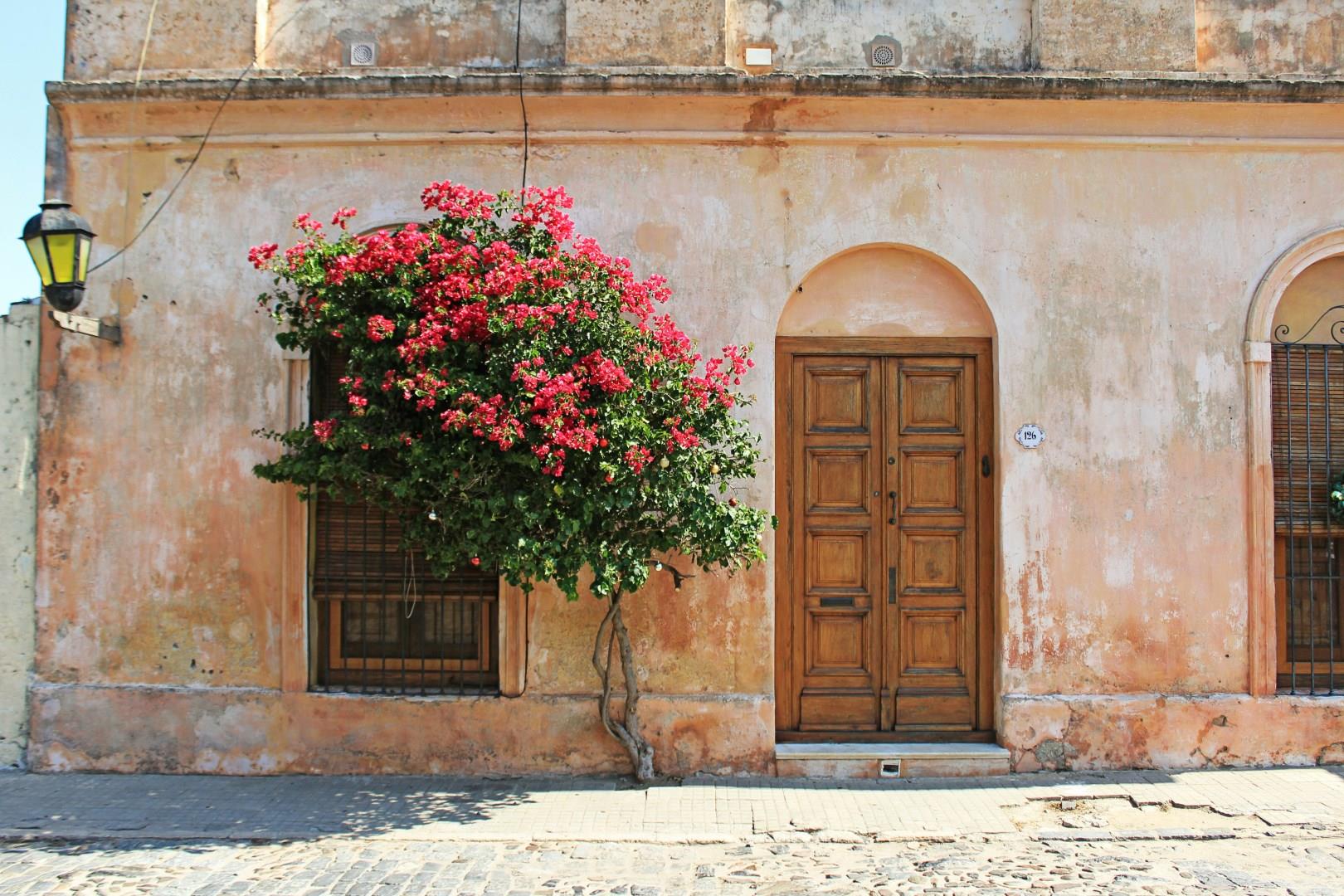
Colonia del Sacramento
Colonia del Sacramento is where time lingers. Founded in 1680 by the Portuguese and later contested by the Spanish, the town’s past is etched into its cobblestone streets and weathered facades. The Barrio Histórico, a UNESCO World Heritage Site, is compact enough to walk in an afternoon yet layered with centuries of stories. Visitors can explore remnants of the original city walls and climb the iconic lighthouse for sweeping views of the Río de la Plata.
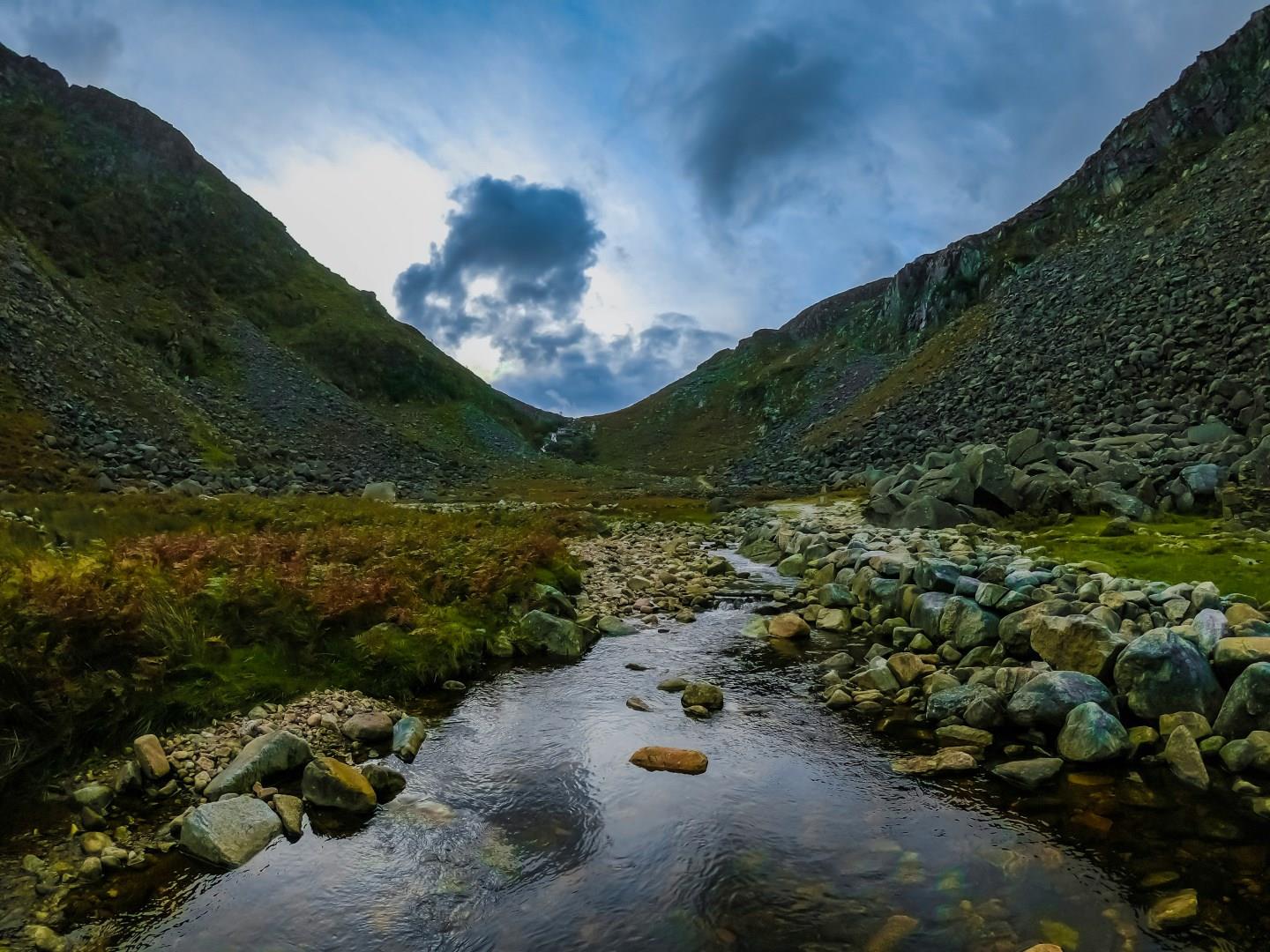
Glendalough
Glendalough, located in County Wicklow, is one of Ireland’s most historically significant and visually striking valleys. It’s best known for its early medieval monastic site, founded by St. Kevin in the 6th century. The round tower, cathedral ruins, and stone churches that remain today are surrounded by forests, lakes, and mountain trails, creating a setting that feels both ancient and untouched.

Palm Springs
Palm Springs, California, is an oasis in the Sonoran Desert that has long been a playground for Hollywood stars, artists, and sun-seekers alike. This charming desert city is renowned for its mid-century modern architecture, luxury resorts, and a year-round climate that invites outdoor activities. Visitors can explore the Uptown Design District, a treasure trove of vintage shops, art galleries, and boutique stores that celebrate Palm Springs' rich cultural heritage.
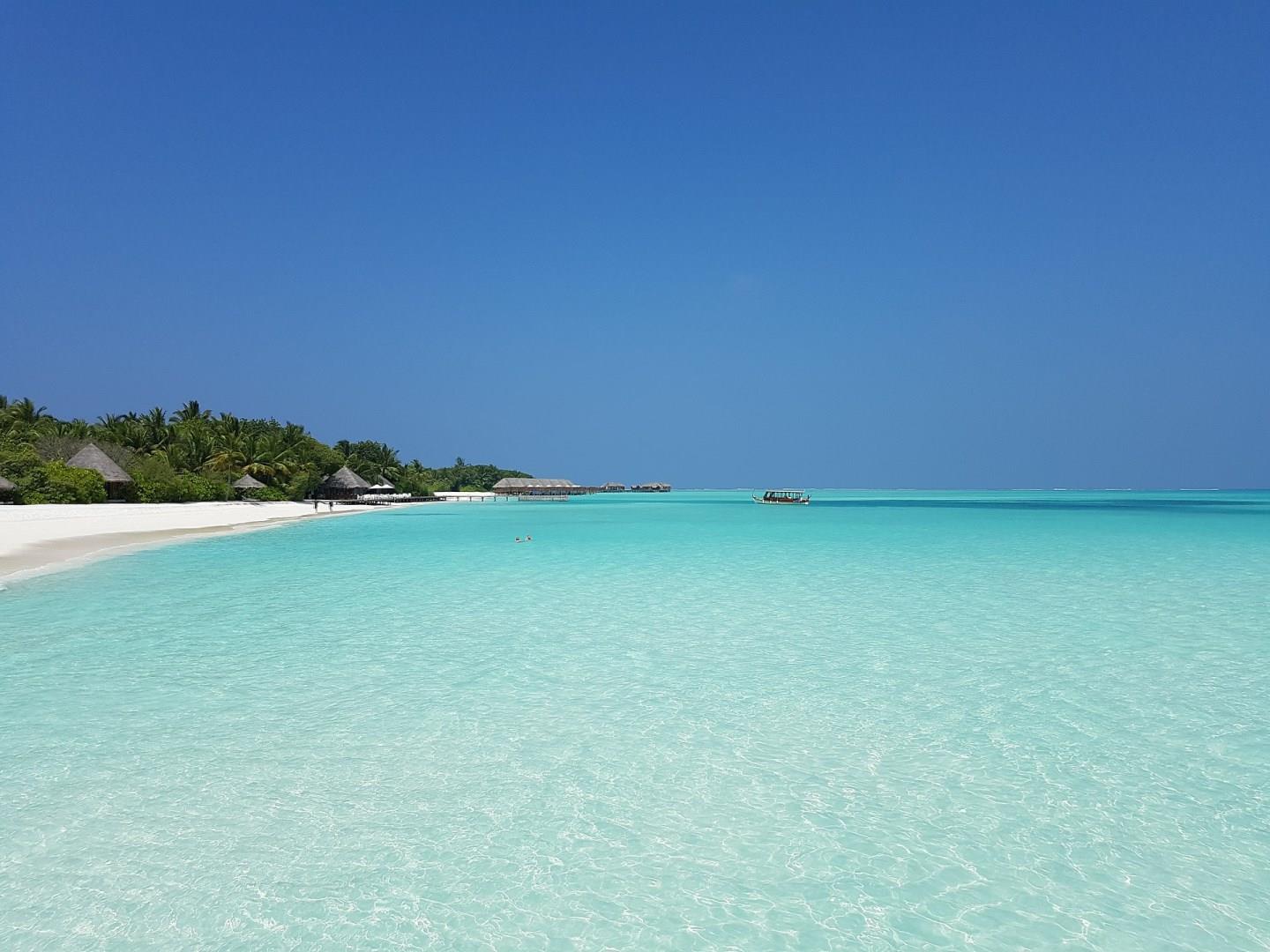
Maldives
The Maldives, a nation of islands scattered across the Indian Ocean, is known for its dazzling turquoise waters, white-sand beaches, and vibrant coral reefs. Stretching across 26 atolls, this tropical paradise is often described as one of the most beautiful places on Earth.

Cát Bà
Cat Ba, the largest island in Vietnam’s Halong Bay, is a striking mix of rugged limestone cliffs, hidden coves, and vibrant jungle. Long home to fishing communities, the island has retained its local charm while also becoming a gateway to the natural wonders of the surrounding bay.


