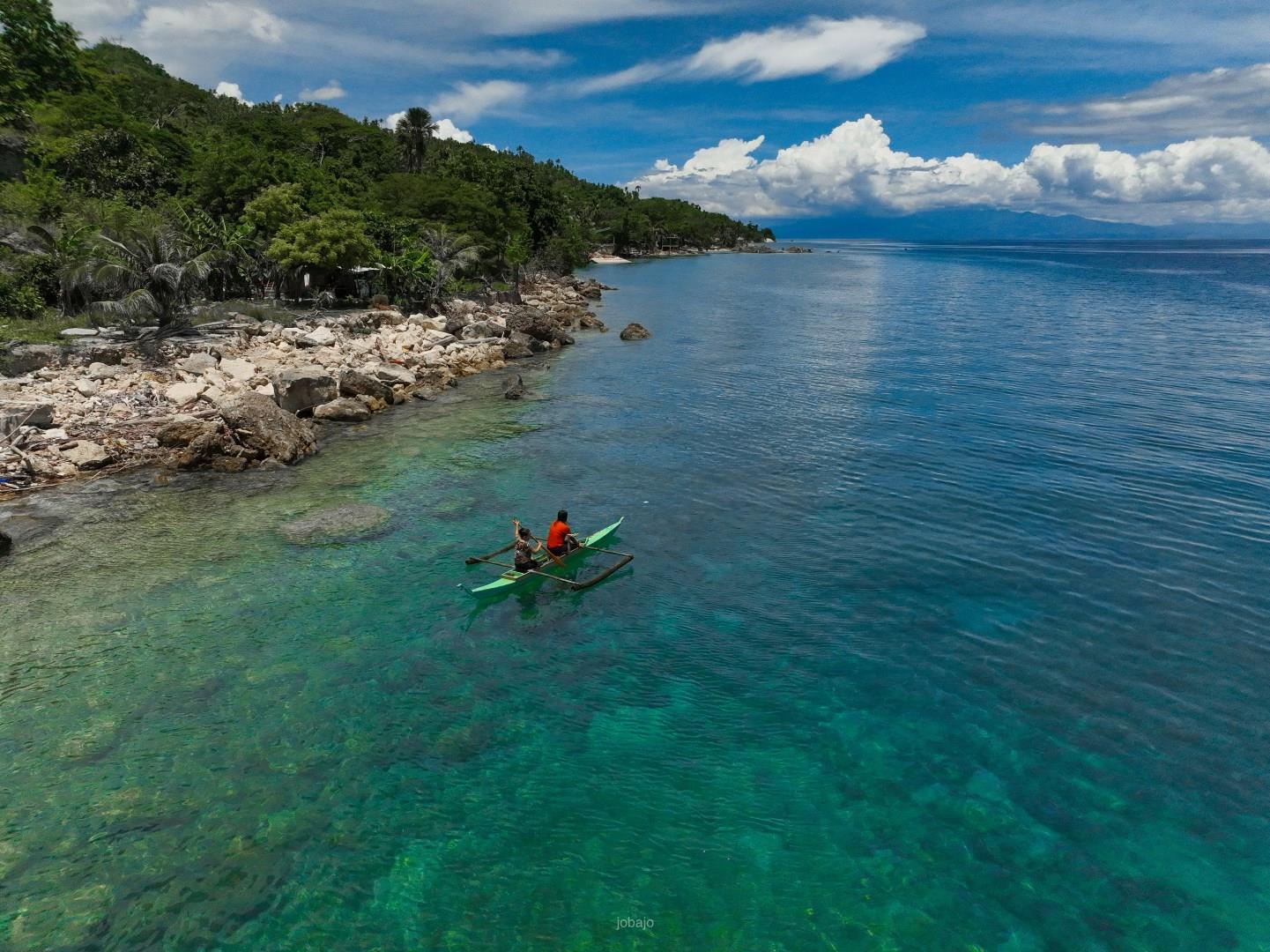
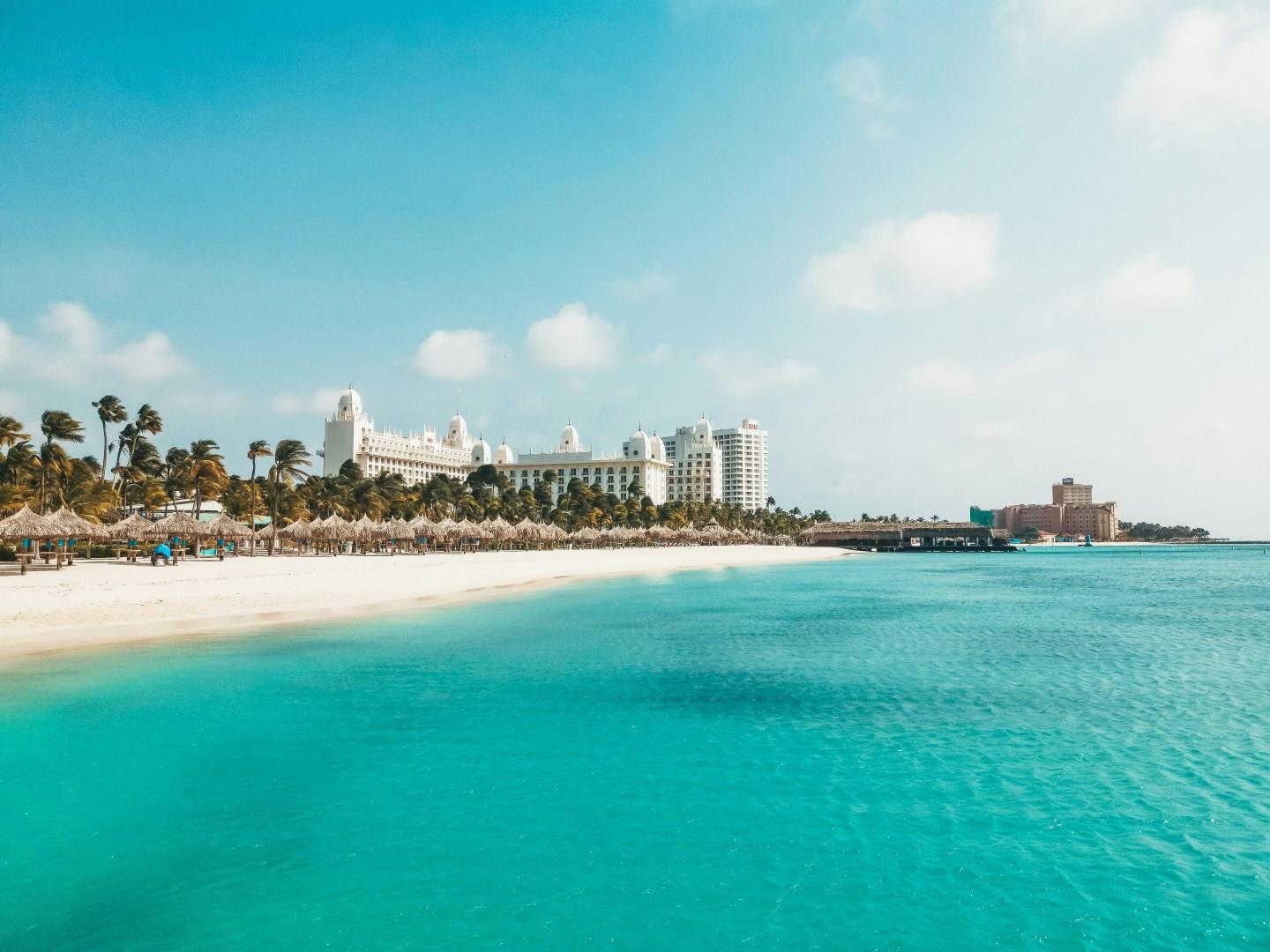
The Ionian Sea, a stretch of the Mediterranean nestled between Italy and Greece, offers a captivating blend of azure waters, picturesque islands, and rich history. The sea is framed by Italy's western coast and Greece's western islands, including Corfu, Kefalonia, and Zakynthos. These islands provide a gateway to some of the most stunning landscapes in the region, from the rugged cliffs of Zakynthos to the lush greenery of Kefalonia.
Bastia, located on the northeastern coast of Corsica, is a city where coastal scenery and centuries of history meet at every turn. Overlooking the Tyrrhenian Sea, it serves as the island’s main port and a lively gateway for travelers arriving by ferry. Its old harbor, Vieux Port, is a highlight lined with tall, weathered houses in soft, faded colors, fishing boats bobbing in the water, and waterfront cafés that capture the steady rhythm of local life.
Situated on the shore of Lake Titicaca, Puno is referred to as the folkloric capital of Peru due to its artistic and cultural expressions, particularly dance. Notable landmarks include the Andean baroque-style Puno Cathedral and the Yavari, a 19th-century steamship. Products created from alpaca, llama, or sheep wool are a signature of the area, as well as musical instruments like the siku.
Vanuatu, a chain of 83 islands in the South Pacific, offers travelers an experience that’s both bold and deeply rooted in custom. Once known as the New Hebrides, Vanuatu blends ancient Melanesian traditions with dramatic landscapes shaped by volcanic activity. On Tanna Island, visitors can stand at the rim of Mount Yasur, one of the world’s most accessible active volcanoes, and watch fiery eruptions light up the night sky.
Tissamaharama, often called “Tissa” by seasoned travelers, sits in southern Sri Lanka as a town steeped in history and living culture. Once the capital of the ancient Ruhuna Kingdom in the 3rd century BCE, this settlement still radiates stories from the distant past in its temples, reservoirs, and even the streets where market life unfolds each day.
Discover the charm and history of Krems, Austria, a city nestled along the picturesque Danube River and the gateway to the enchanting Wachau Valley. With origins dating back to Roman times, Krems is a treasure trove of historical and cultural wonders. Explore the Krems Old Town, where you’ll find well-preserved medieval architecture, including the iconic Steiner Tor and the Gothic Church of St. Veit. The city's charming streets and historic buildings offer a glimpse into its rich past.
Krems is also renowned for its vibrant wine culture, set against the backdrop of the Wachau Valley. The valley is a UNESCO World Heritage site, celebrated for its terraced vineyards and scenic beauty. Indulge in the local wines by visiting the Krems Wine Museum, or take a leisurely stroll through the vineyards to experience the region's renowned Grüner Veltliner, a staple of Austrian viticulture.
Art and culture thrive in Krems, with institutions such as the Kunsthalle Krems showcasing contemporary art from around the globe. The Karikaturmuseum Krems offers a unique look at caricature and satire, providing a fun and engaging experience for visitors. The city’s Kunstmeile Krems cultural mile links several key cultural venues, making it a must-visit for art enthusiasts.
Slogan: "Krems: Where History Meets the Vine."
Fun Fact: Krems is located in the Wachau Valley, a region so picturesque that it has been declared a UNESCO World Heritage site, renowned for its medieval castles and stunning landscapes.
Visit Krems between May and September to enjoy the best of the city's festivals, wine harvests, and pleasant weather, perfect for exploring its historical sites and scenic surroundings.