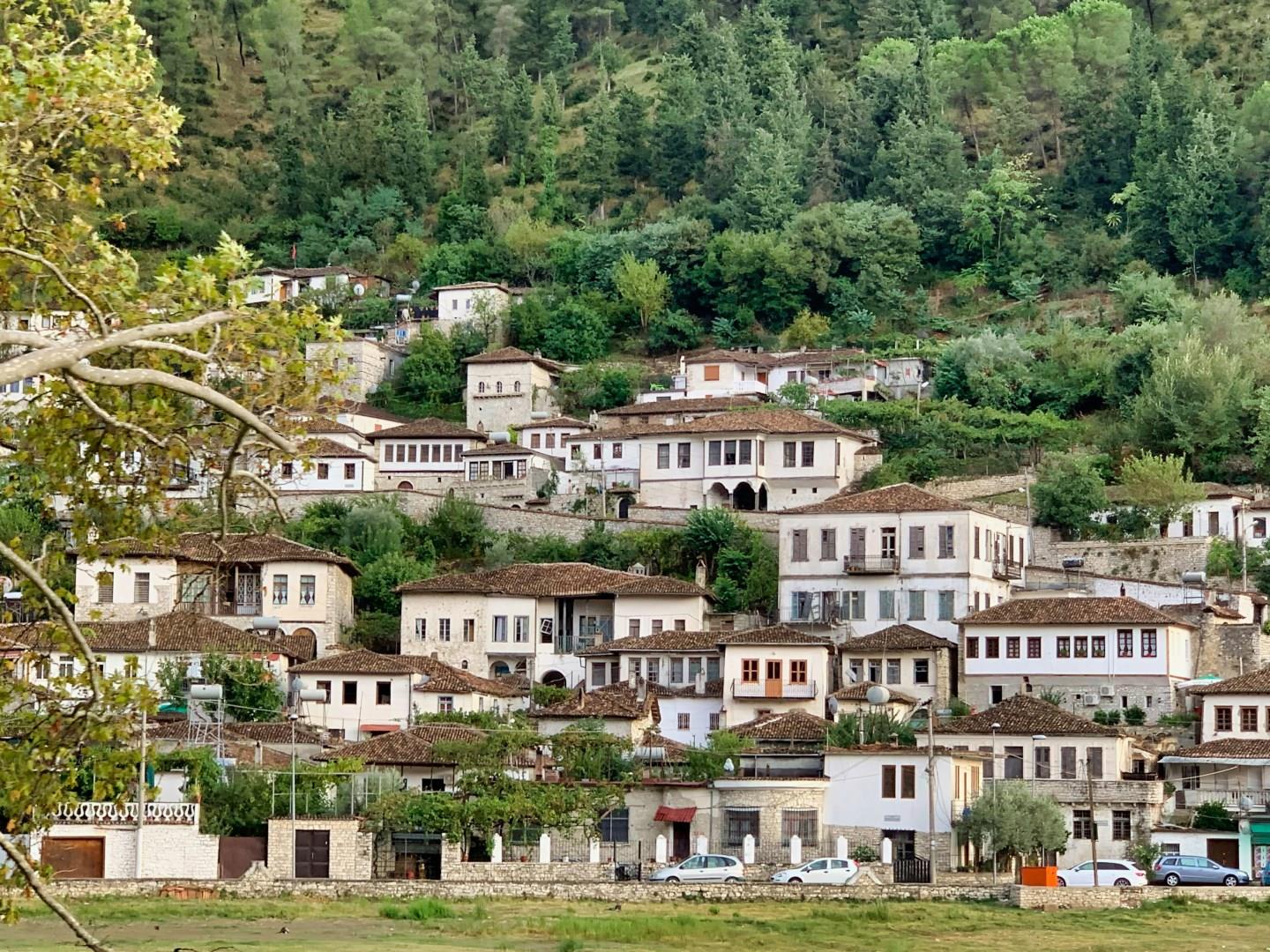
Albania offers travelers a surprising and diverse experience shaped by centuries of influence. Visitors can explore the ancient city of Butrint, a UNESCO World Heritage Site with Greek, Roman, Byzantine, and Venetian ruins set against a lagoon. In Berat and Gjirokastër stone houses stack along steep hillsides, giving visitors the sense of walking through a living museum. These towns offer an authentic window into daily Albanian life.
Le Havre is a captivating port city in Normandy, France where the English Channel meets the Seine River. Having evolved from a small fishing village into a bustling maritime hub, it is a blend of rich history, modern architecture, and stunning natural beauty. The city's historic roots are especially evident in landmarks such as the Graville Abbey, one of the oldest monuments in the area, and the impressive St. Joseph's Church, a modern architectural marvel designed by Auguste Perret.
Libya, located in North Africa along the Mediterranean coast, is a country of vast deserts, ancient history, and dramatic landscapes. Much of its terrain is dominated by the Sahara Desert, with sand dunes, rocky plateaus, and oases shaping life across the country.
Nepal, nestled in the heart of the Himalayas, is a land of dramatic landscapes, rich traditions, and spiritual depth. Known as the gateway to the world’s tallest peaks, including Mount Everest, it offers both breathtaking natural beauty and profound cultural heritage.
Horta sits on the southeastern coast of Faial Island in the Azores, long defined by its position in the mid-Atlantic. For centuries it served as a critical stop for whaling ships, transatlantic sailors, and later yachts crossing between Europe and the Americas.
Discover the charm and history of Krems, Austria, a city nestled along the picturesque Danube River and the gateway to the enchanting Wachau Valley. With origins dating back to Roman times, Krems is a treasure trove of historical and cultural wonders. Explore the Krems Old Town, where you’ll find well-preserved medieval architecture, including the iconic Steiner Tor and the Gothic Church of St. Veit. The city's charming streets and historic buildings offer a glimpse into its rich past.
Krems is also renowned for its vibrant wine culture, set against the backdrop of the Wachau Valley. The valley is a UNESCO World Heritage site, celebrated for its terraced vineyards and scenic beauty. Indulge in the local wines by visiting the Krems Wine Museum, or take a leisurely stroll through the vineyards to experience the region's renowned Grüner Veltliner, a staple of Austrian viticulture.
Art and culture thrive in Krems, with institutions such as the Kunsthalle Krems showcasing contemporary art from around the globe. The Karikaturmuseum Krems offers a unique look at caricature and satire, providing a fun and engaging experience for visitors. The city’s Kunstmeile Krems cultural mile links several key cultural venues, making it a must-visit for art enthusiasts.
Slogan: "Krems: Where History Meets the Vine."
Fun Fact: Krems is located in the Wachau Valley, a region so picturesque that it has been declared a UNESCO World Heritage site, renowned for its medieval castles and stunning landscapes.
Visit Krems between May and September to enjoy the best of the city's festivals, wine harvests, and pleasant weather, perfect for exploring its historical sites and scenic surroundings.