Chefchaouen, a picturesque city nestled in the Rif Mountains of northern Morocco, is renowned for its stunning blue-painted streets and buildings. Founded in 1471, Chefchaouen's medina—a maze of narrow, winding streets—is one of its most enchanting features, where every corner reveals a splash of blue, creating a serene and photogenic atmosphere. T
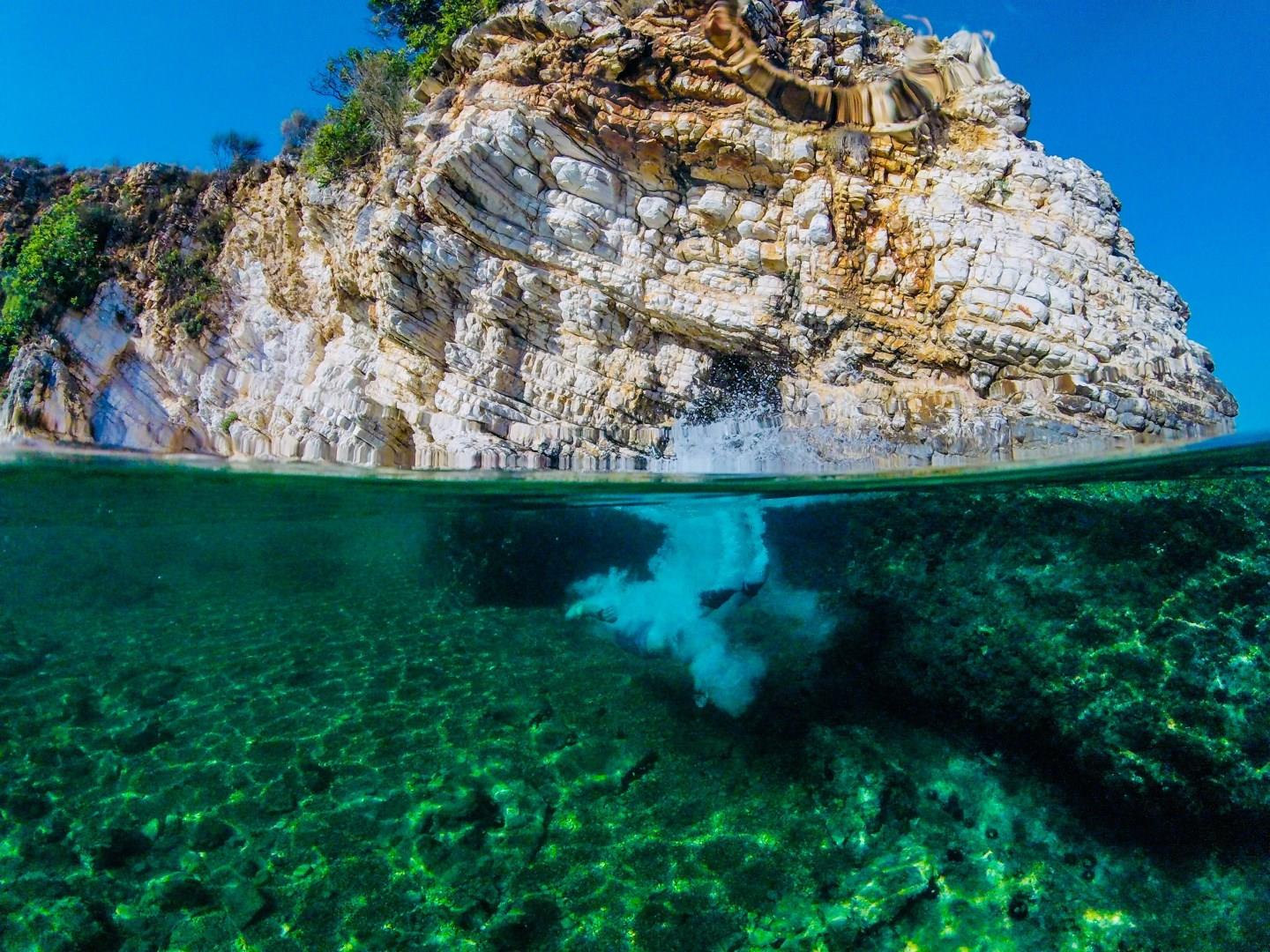
Saranda, a coastal town in southern Albania, is a hidden gem with stunning beaches and crystal-clear waters. The town's vibrant promenade is lined with cafes, restaurants, and shops. Saranda is known for its mild Mediterranean climate, making it a year-round destination for those looking to escape colder weather. During the summer months, Saranda's population multiplies several times.

Port of Spain, the capital of Trinidad and Tobago, is a city that brims with cultural energy and layered history. Set against the backdrop of the Northern Range mountains and overlooking the Gulf of Paria, it has long been a hub of trade, migration, and creativity.
Šiauliai, often referred to as the "City of the Sun" due to its high number of sunny days, is a vibrant gem in northern Lithuania. The city's most iconic landmark is the Hill of Crosses, a profound site of pilgrimage adorned with thousands of crosses placed by visitors over the decades. This unique and moving monument, which has been recognized by UNESCO for its cultural significance, symbolizes the resilience and spirit of the Lithuanian people.
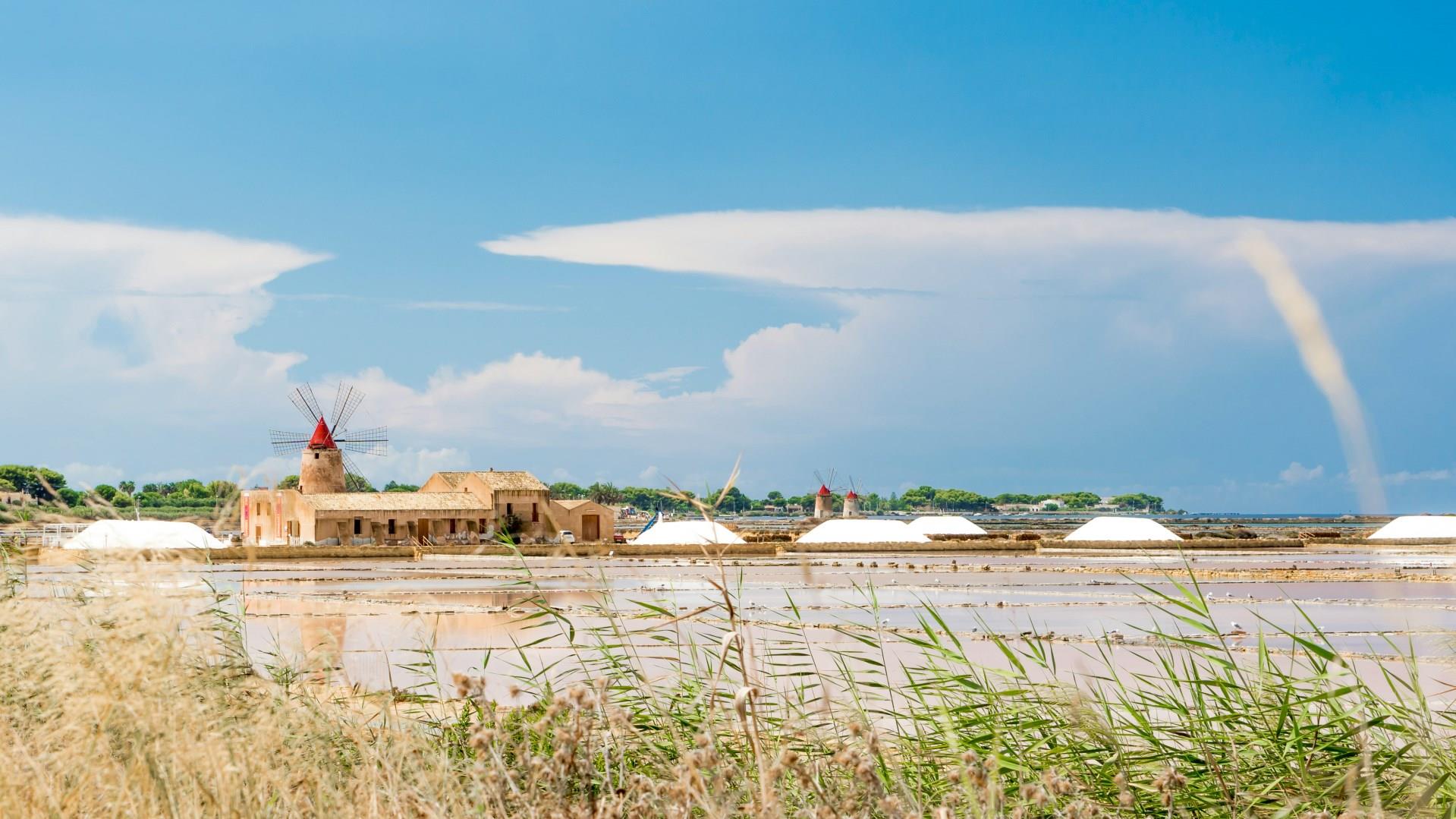
Marsala is a coastal city in western Sicily with a long history shaped by trade, conquest, and winemaking. Founded by the Phoenicians in the 4th century BCE, it later passed through Roman, Arab, Norman, and Spanish hands, each leaving traces in the city’s layout and culture.
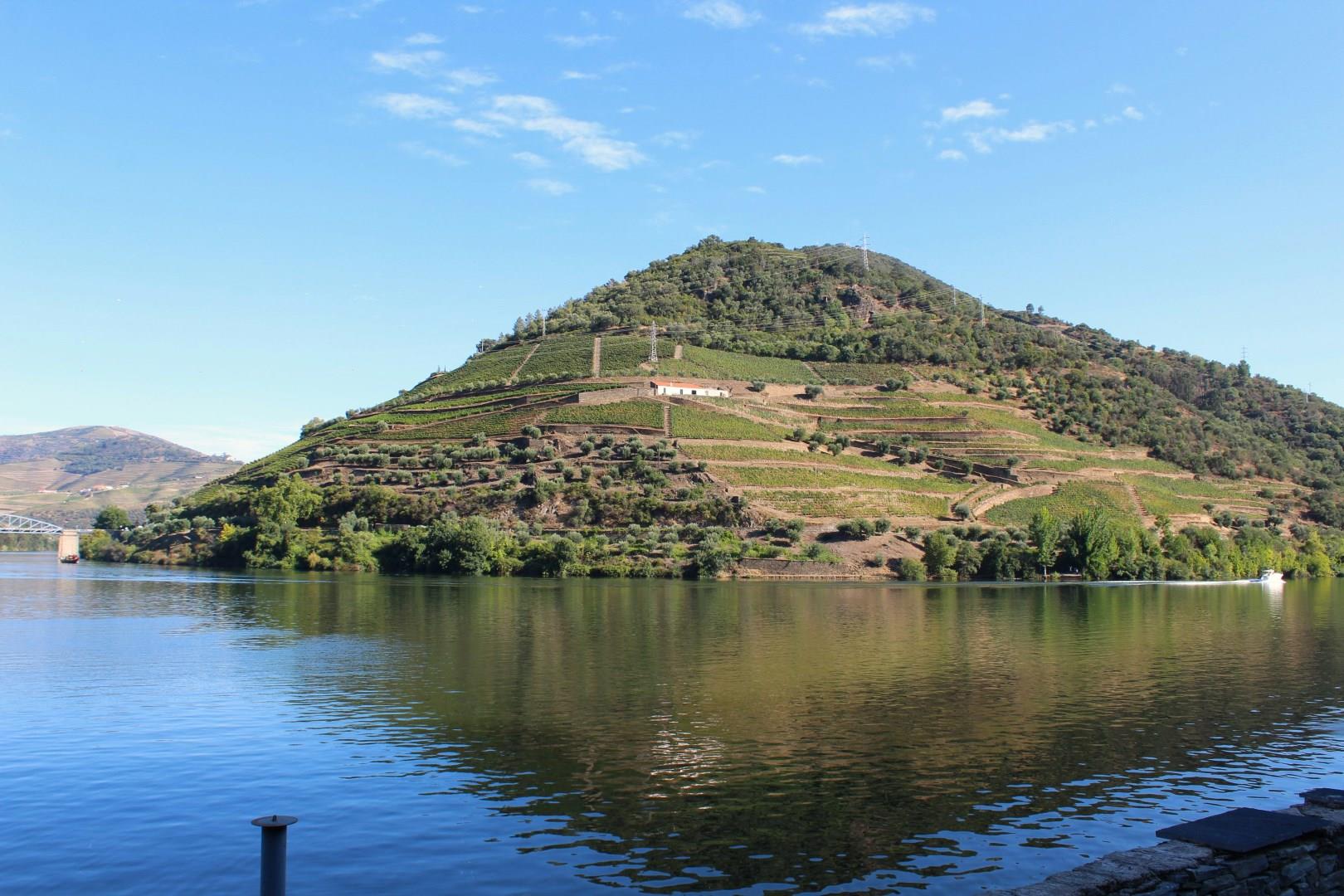
Pinhão, nestled in the heart of Portugal’s Douro Valley, is a small town with a big reputation for its world-renowned port wine and stunning landscapes. Surrounded by terraced vineyards that cascade down to the banks of the Douro River, Pinhão is a paradise for wine lovers and nature enthusiasts alike. The town is a key stop on the Douro Wine Route, where visitors can explore historic quintas (wine estates), sample exceptional vintages, and learn about the centuries-old winemaking traditions that have made the region a UNESCO World Heritage Site.
One of Pinhão’s most iconic attractions is its charming railway station, adorned with beautiful azulejos—traditional Portuguese tiles—that depict scenes of the local wine harvest and river life. The station is a gateway to some of the most scenic train journeys in Europe, offering panoramic views of the Douro Valley’s rugged cliffs and serene river as you travel along its winding tracks. A river cruise from Pinhão is another must-do, providing an unforgettable perspective of the valley’s dramatic landscapes and allowing you to experience the tranquility of this enchanting region.
In addition to its wine heritage, Pinhão offers visitors a taste of authentic Portuguese culture. The town’s quiet streets are dotted with family-run restaurants where you can savor regional dishes like bacalhau (salted cod) and the locally produced olive oil. The warm hospitality of the locals adds to the town’s charm, making every visitor feel like they’ve discovered a hidden gem. For those seeking outdoor adventure, the surrounding hills and vineyards offer excellent opportunities for hiking, with trails that lead to breathtaking viewpoints over the Douro River.
Pinhão invites you to "Sip, Savor, and Soak in the Beauty of the Douro Valley." Whether you’re exploring its historic wineries, enjoying a leisurely boat ride, or simply taking in the stunning scenery, Pinhão offers a serene and unforgettable escape into the heart of Portugal’s wine country.