

Iron Gates
The Iron Gates, a dramatic gorge along the Danube River, is a spectacular natural wonder straddling the border between Romania and Serbia. This striking geological formation carves its way through the Carpathian Mountains, creating breathtaking views that captivate all who visit.

Santa Barbara
Santa Barbara, nestled along California’s picturesque coastline, offers a charming blend of Mediterranean allure and vibrant culture. Known for its stunning beaches, the city’s Santa Barbara Beach provides a perfect spot for sunbathing and water sports with its golden sands and inviting waters. The scenic beauty of Santa Barbara is further highlighted by its Santa Barbara Harbor, where visitors can enjoy a leisurely stroll along the waterfront or embark on a sailing adventure.

Las Vegas
Las Vegas, Nevada, is an electrifying city where glitz and glamour meet entertainment and excitement. Known as "The Entertainment Capital of the World," Las Vegas offers an unparalleled array of attractions, from its iconic casinos and luxurious hotels to its world-class dining and live shows. The city's entertainment scene is second to none, featuring legendary headliners, cutting-edge performances, and an array of themed attractions.

Kristiansand
Located on the southern coast of Norway, Kristiansand is a charming port city and a favorite summer destination for locals and tourists alike. Highlights of this coastal gem include the Christiansholm Fortress, the Kristiansand Zoo, the Kristiansand Cathedral, Gimle Gård, and the Fiskebrygga wharf.
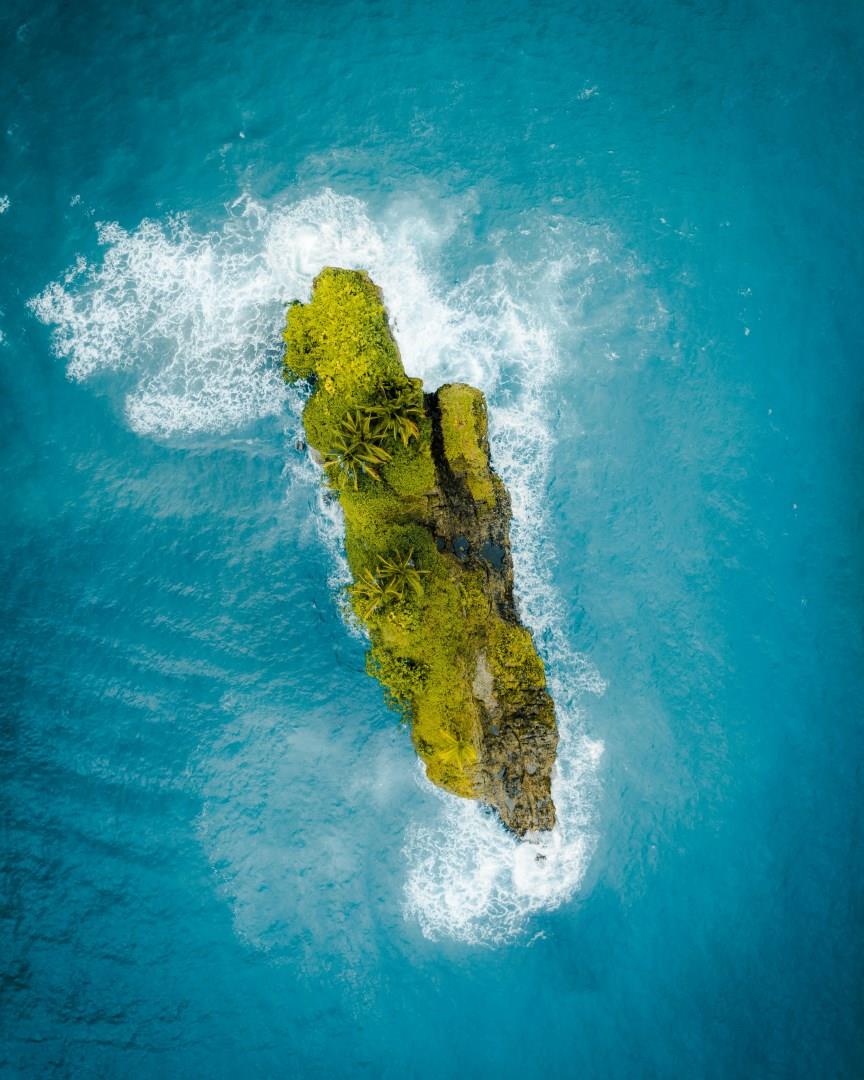
Puerto Viejo de Talamanca
Puerto Viejo de Talamanca, on Costa Rica’s southern Caribbean coast, is a lively seaside town where Afro-Caribbean culture, indigenous traditions, and tropical landscapes come together. Once a quiet fishing village, it is now known for its reggae rhythms, colorful wooden houses, and a laid-back atmosphere.


