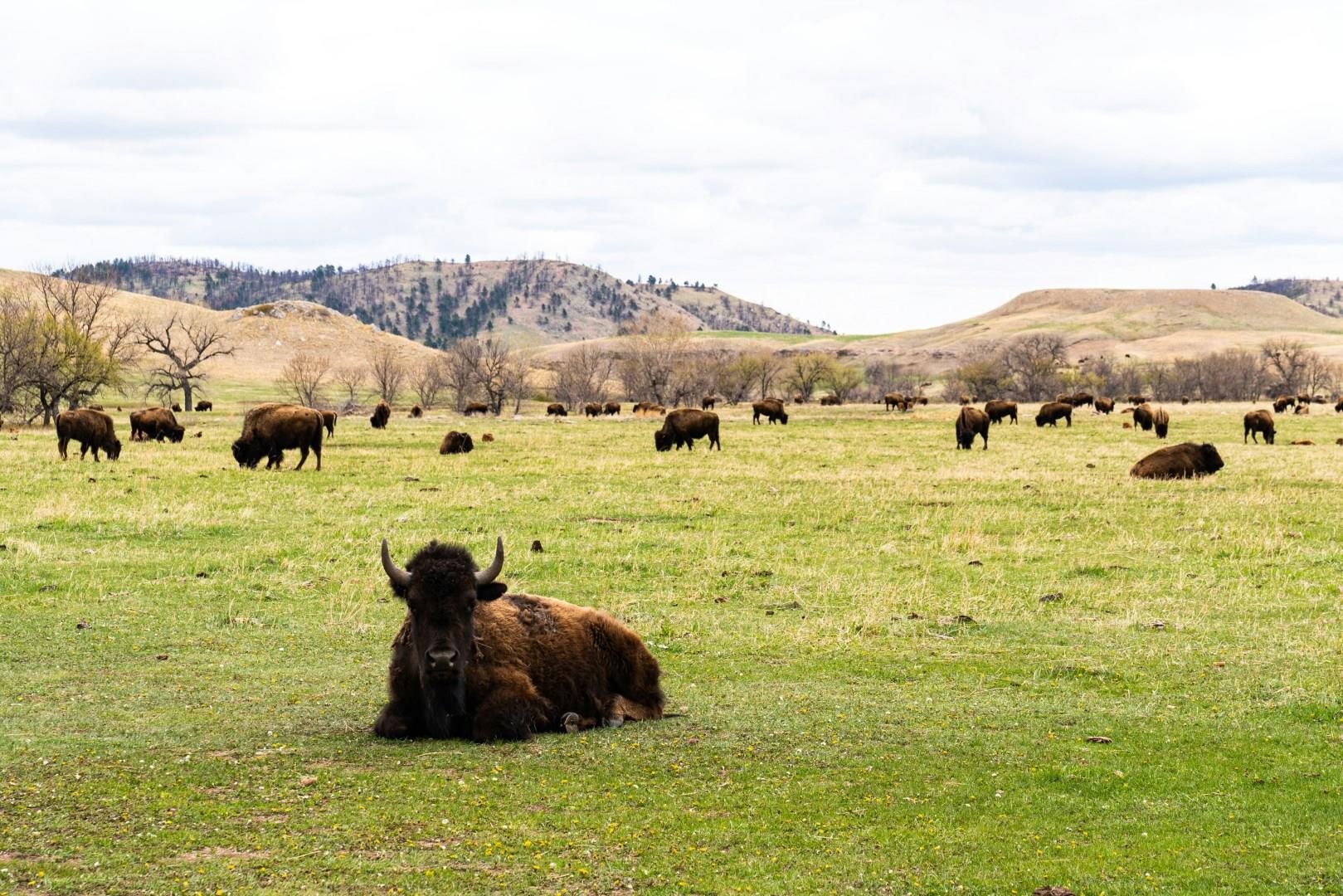
Port Elizabeth
Port Elizabeth, set along the beautiful shores of Algoa Bay, is located on the south eastern coast of Africa, and is a major tourist destination better known as the Friendly City! The city offers the best mix of eco-attractions as a holiday destination with a rich diversity: scenic nature trails and wildlife experiences, long golden beaches, historic heritage and a unique coastal climate.
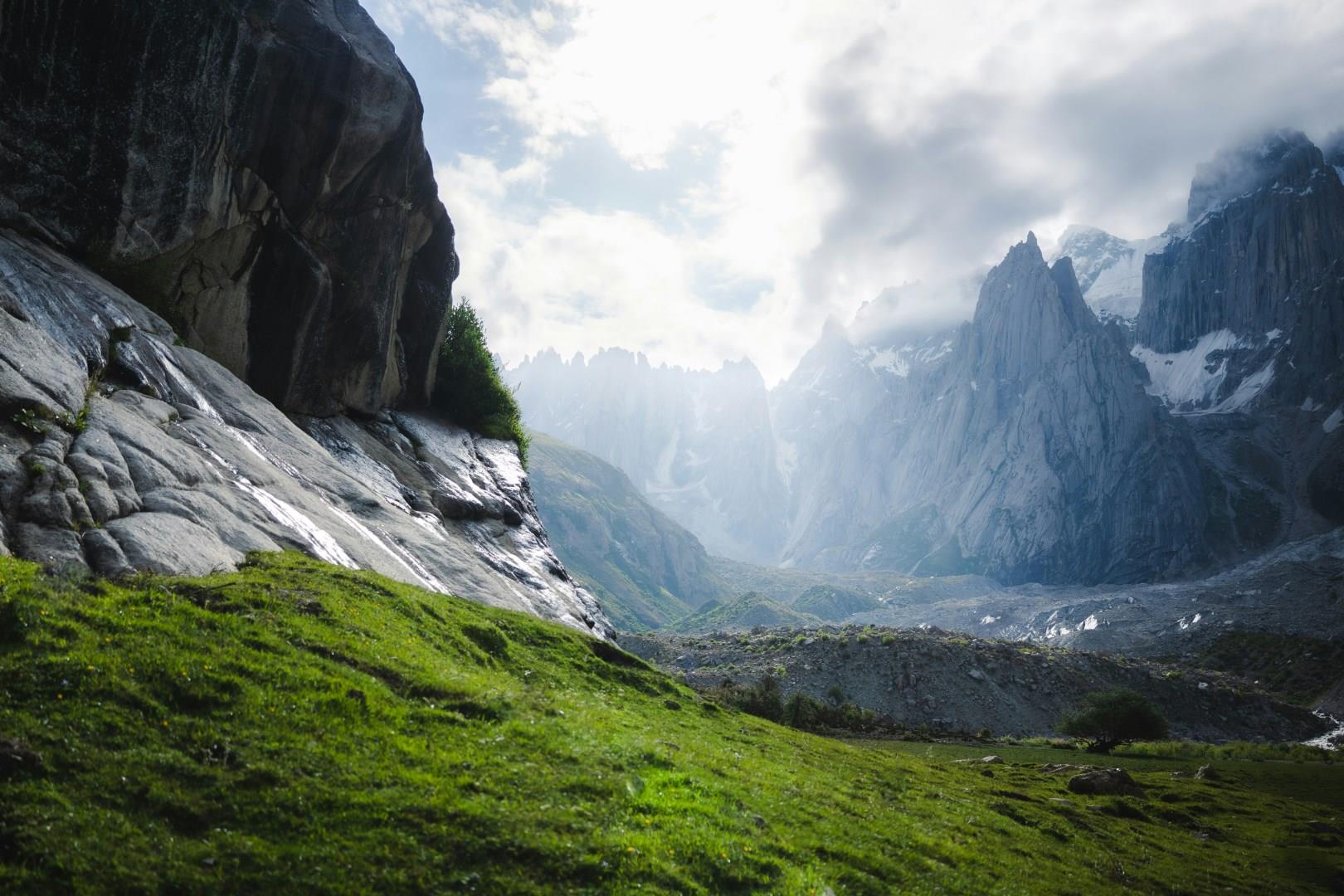
Nangma Valley
Nangma Valley, tucked deep within the Karakoram Range of northern Pakistan, is a place where towering granite spires rise dramatically above alpine meadows and clear streams. Located near the small town of Hushé in Gilgit-Baltistan, the valley is often described as a natural amphitheater of peaks. Climbers and trekkers from around the world are drawn to its vertical walls, but the valley’s quiet trails and sweeping views also offer an extraordinary experience .
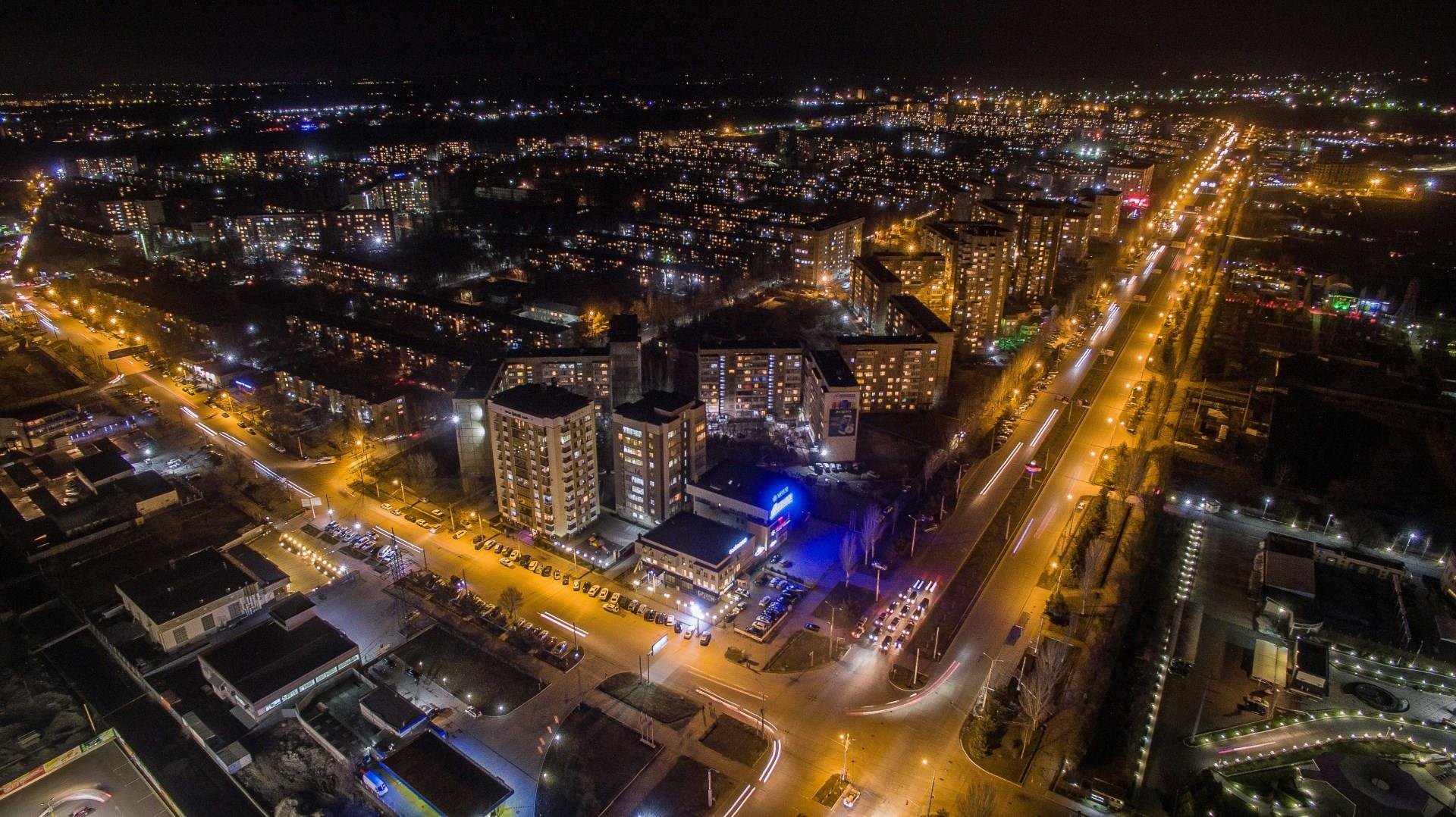
Bishkek
Bishkek, the capital of Kyrgyzstan, sits at the foot of the Ala-Too Mountains and serves as the country’s political, cultural, and economic center. The city is known for its wide tree-lined streets, Soviet-era architecture, and public squares.

Nha-Trang
Nha Trang, located on Vietnam's southern coastline, is a vibrant city renowned for its stunning beaches and dynamic culture. This coastal paradise boasts a 6-kilometer stretch of golden sand along Nha Trang Beach, where turquoise waters meet palm-fringed shores, perfect for sunbathing and swimming.

Kavala
Situated on the northeastern coast of Greece, Kavala is a picturesque port city popular for its archaeological treasures, historic old town, and scenic beach. Be sure to explore the city's best known sites, including the Panagia neighborhood, the Kavala Castle, the towering Aqueduct, and the Kavala Archaeological Museum.