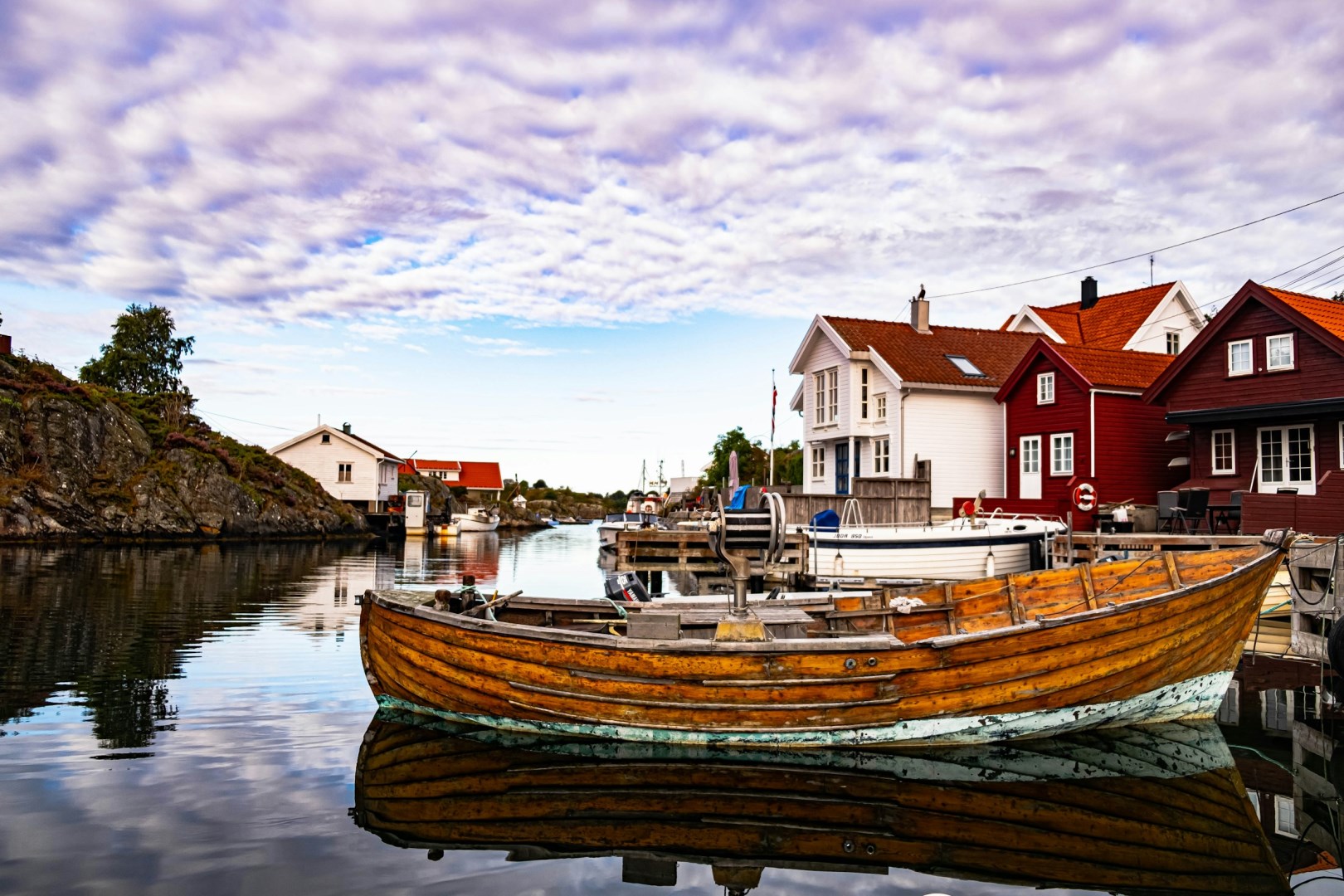
Located on the southern coast of Norway, Kristiansand is a charming port city and a favorite summer destination for locals and tourists alike. Highlights of this coastal gem include the Christiansholm Fortress, the Kristiansand Zoo, the Kristiansand Cathedral, Gimle Gård, and the Fiskebrygga wharf.
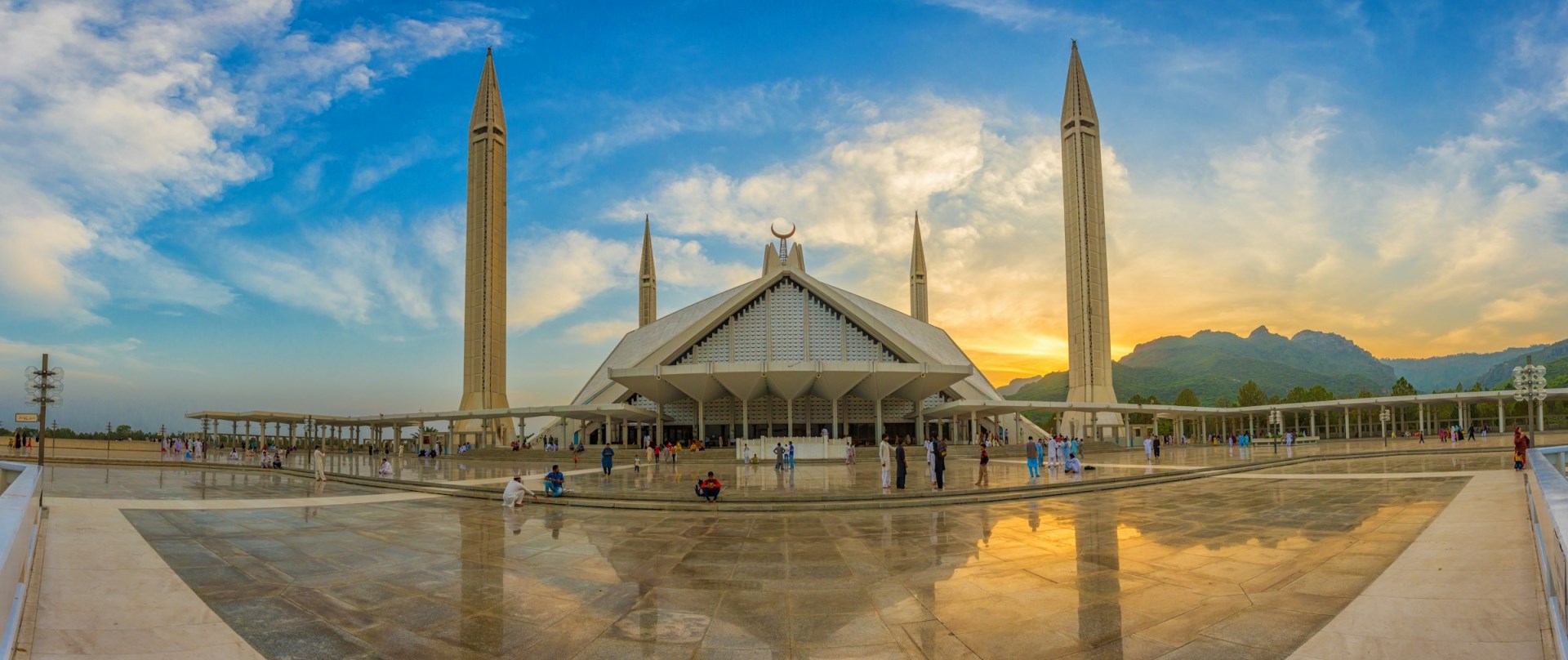
Islamabad is the capital of Pakistan, set against the wooded slopes of the Margalla Hills in the north of the country. Planned as a purpose-built capital, the city is organized around broad avenues, landscaped sectors, parks, and green belts, giving it a different character from Pakistan’s older cities. The Faisal Mosque is its most recognizable landmark, with its tent-shaped design and prominent position beneath the hills.
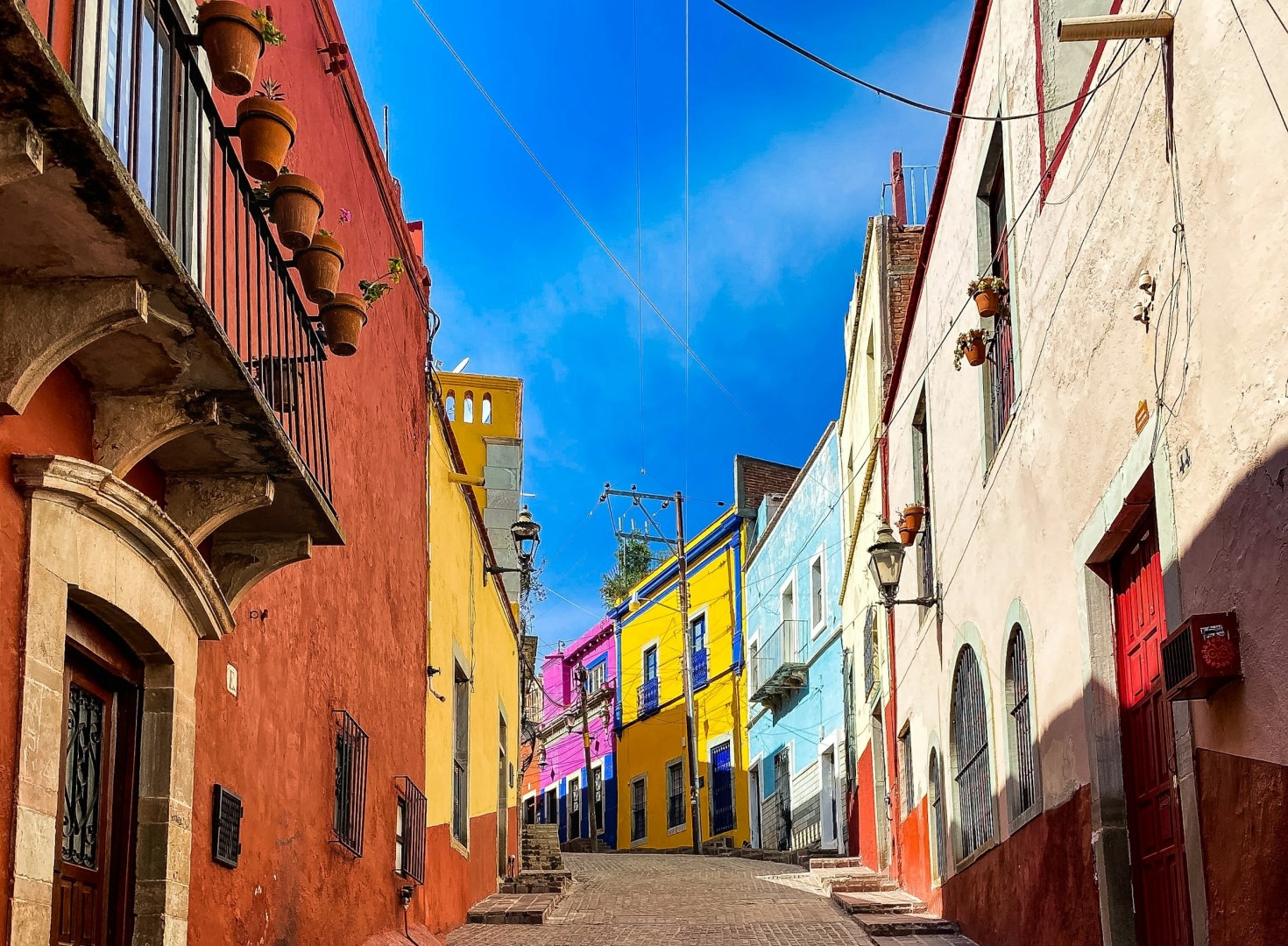
Guanajuato, a UNESCO World Heritage City nestled in the mountains of central Mexico, is a place where history is built into every hillside alley and underground tunnel. Today, visitors can still tour La Valenciana Mine, where centuries-old tunnels and original mining equipment offer a glimpse into the city's wealth-driven past. The nearby Templo de San Cayetano, built by mine owners in the mid-1700s, is a stunning example of baroque design, lined with gilded altars and intricate woodwork.
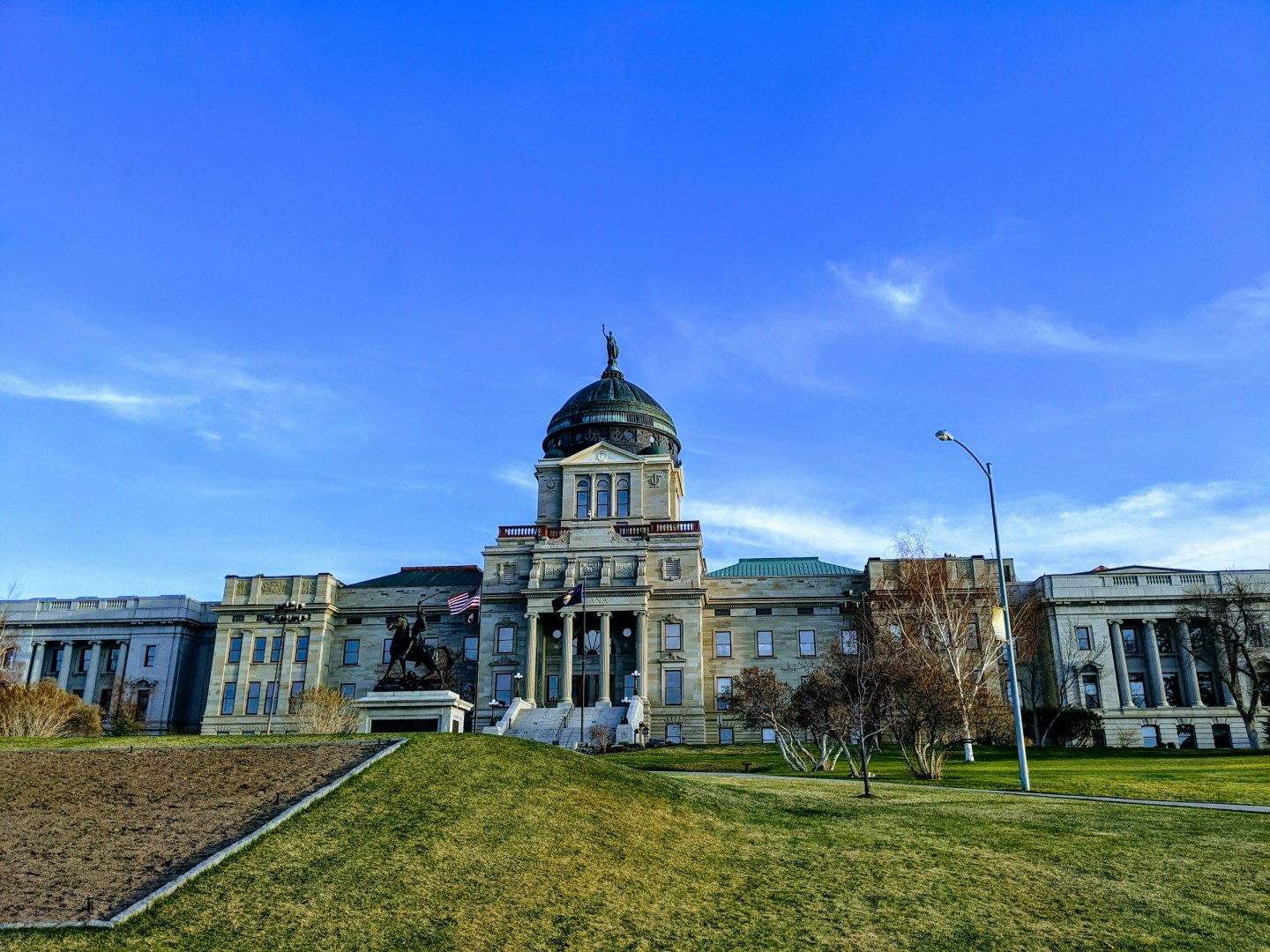
Helena is the capital of Montana, set among mountains, forests, and open valleys in the western part of the state. Its identity is closely tied to the gold mining that shaped the early settlement, while the modern city combines historic architecture with an active arts community and extensive outdoor recreation.
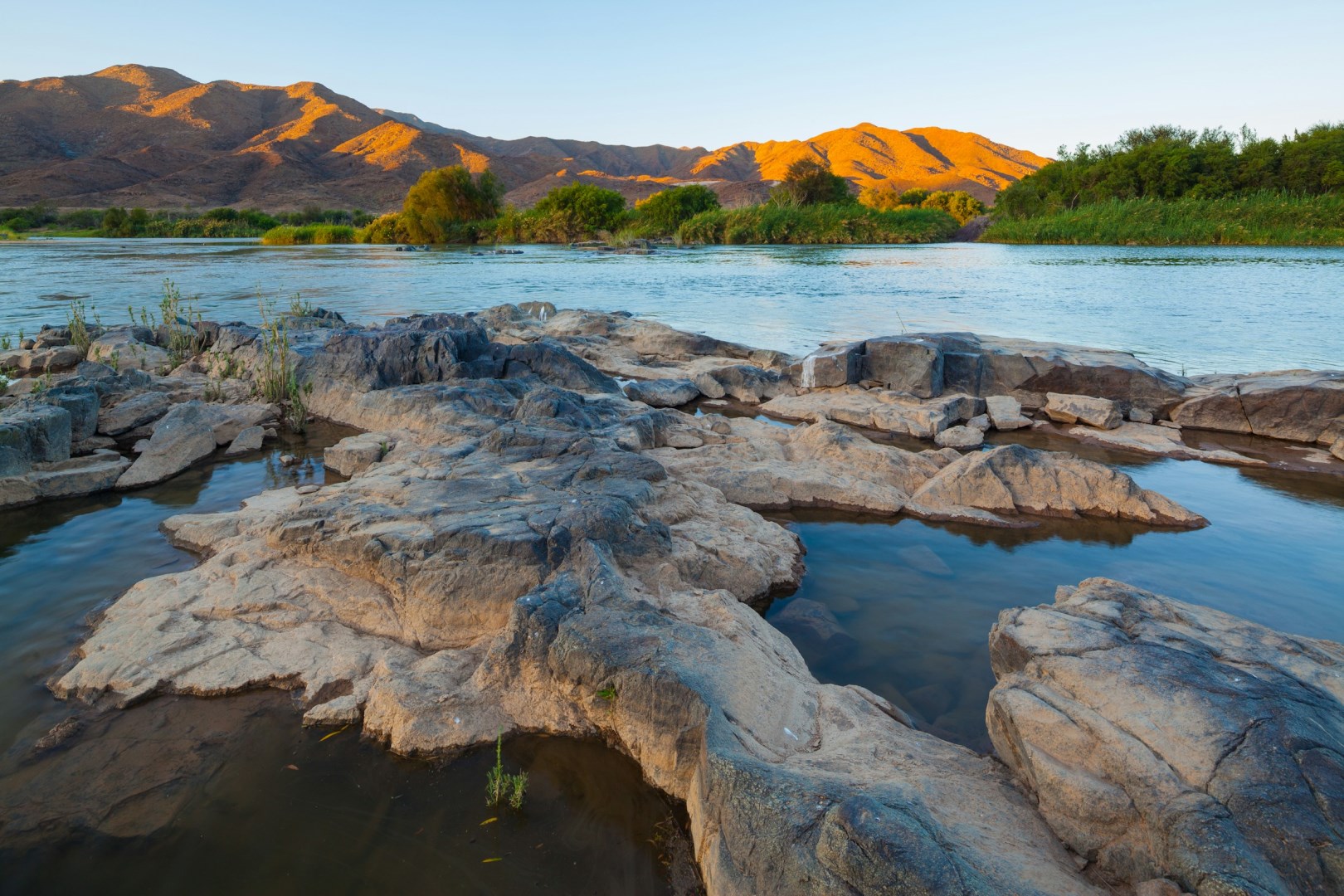
The Iron Gates, a dramatic gorge along the Danube River, is a spectacular natural wonder straddling the border between Romania and Serbia. This striking geological formation carves its way through the Carpathian Mountains, creating breathtaking views that captivate all who visit. The Iron Gates area is renowned for its scenic beauty and historical significance, with the Iron Gates Natural Park encompassing lush forests, rugged cliffs, and diverse wildlife.
One of the most intriguing features of the Iron Gates is the Trajan's Bridge, an ancient Roman structure that once spanned the Danube and facilitated the expansion of the Roman Empire into the region. The remains of this monumental bridge, built under Emperor Trajan in the early 2nd century AD, can still be seen and offer a glimpse into the region's rich historical tapestry.
The area is also famous for the Cave of the Szábo, a remarkable natural formation that boasts impressive stalactites and stalagmites. Adventure seekers can explore the cave's intricate passageways, while the nearby Eșelnița Monastery provides a tranquil setting for reflection amid the stunning natural landscape.
Fun Fact: The Iron Gates is home to the world's largest dam project on the Danube, known as the Iron Gates I Hydro-Electric Power Station, which provides power and manages river flow while creating a reservoir that enhances the region's natural beauty.
For an unforgettable experience, visit the Iron Gates during the spring or autumn when the weather is mild, and the landscape is either blooming or ablaze with fall colors. This timing also offers the advantage of fewer crowds, allowing for a more serene exploration of this magnificent area.
Other Popular Destinations in Romania
Bucharest
Tree-lined avenues, grand architecture, and the imperative to live well defines Bucharest, a bustling city that is rebounding and expanding. In the 1900s, this vibrant Romanian capital was nicknamed "Little Paris" and that jubilant, raise-a-glass spirit carries over to this day.
Braşov
Nestled in the heart of Romania, Brașov is a charming city that effortlessly blends medieval history with stunning natural beauty. Encircled by the Carpathian Mountains, Brașov's well-preserved medieval architecture and vibrant cultural scene make it a must-visit destination.