

Nelson
Nelson sits along the West Arm of Kootenay Lake in southeastern British Columbia, embraced by the rugged peaks of the Selkirk Mountains and threaded with over 350 heritage buildings that tell the story of its silver-rush beginnings. A short trip outside town leads to spots like the Salmo–Troup Rail Trail, a wide, gentle path that follows an old rail line for kilometers through forest and alongside rivers.
Marbella
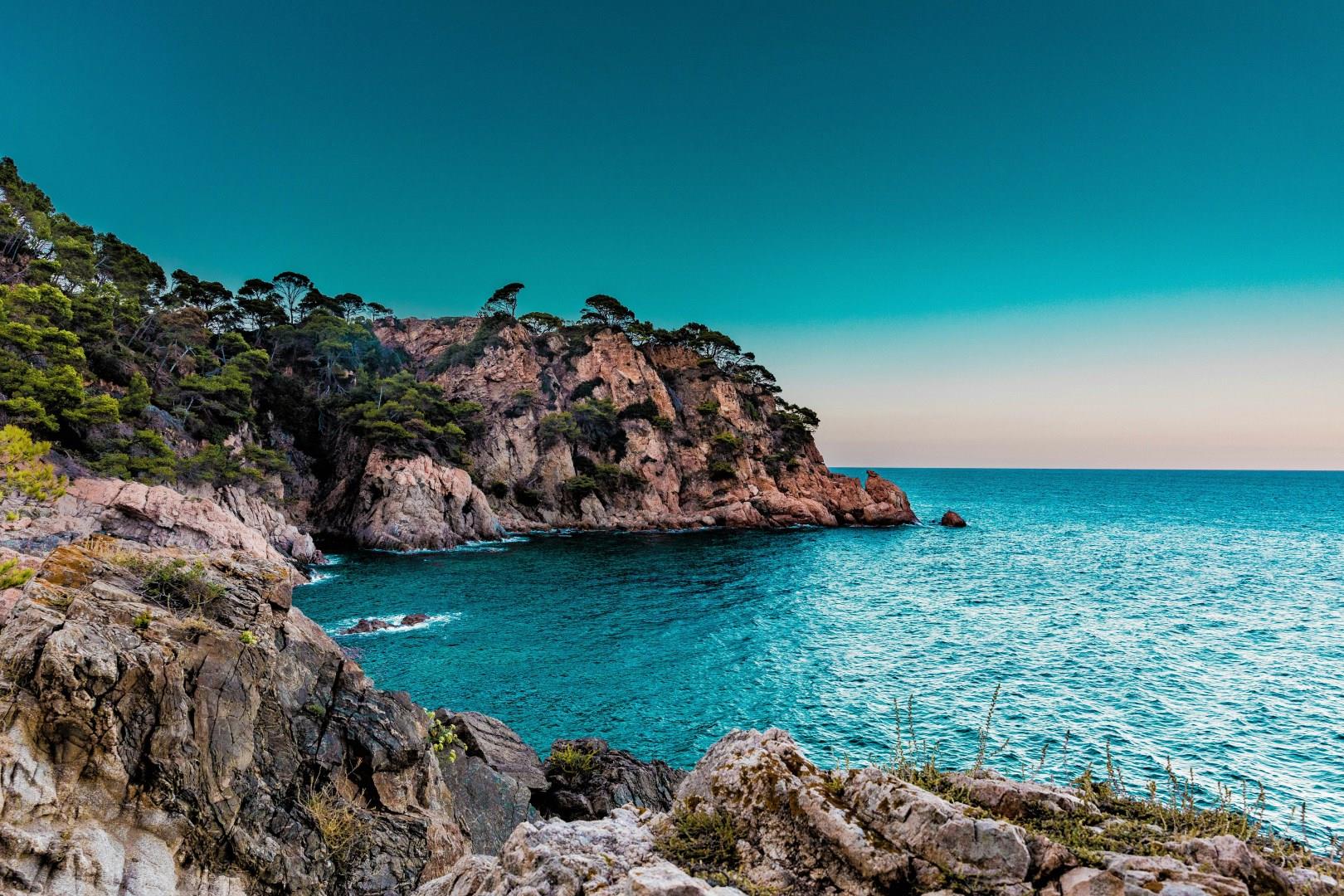
Marbella, located between the Mediterranean Sea and the Sierra Blanca mountains, is often associated with its luxury resorts and famous marina, Puerto Banús. But beyond the polished storefronts and designer yachts, the city has a layered past. Its old town, known as Casco Antiguo, is a well-preserved network of narrow streets built during Moorish rule, with whitewashed buildings, flower-filled balconies, and hidden plazas like Plaza de los Naranjos, which dates back to the 15th century.

South Georgia
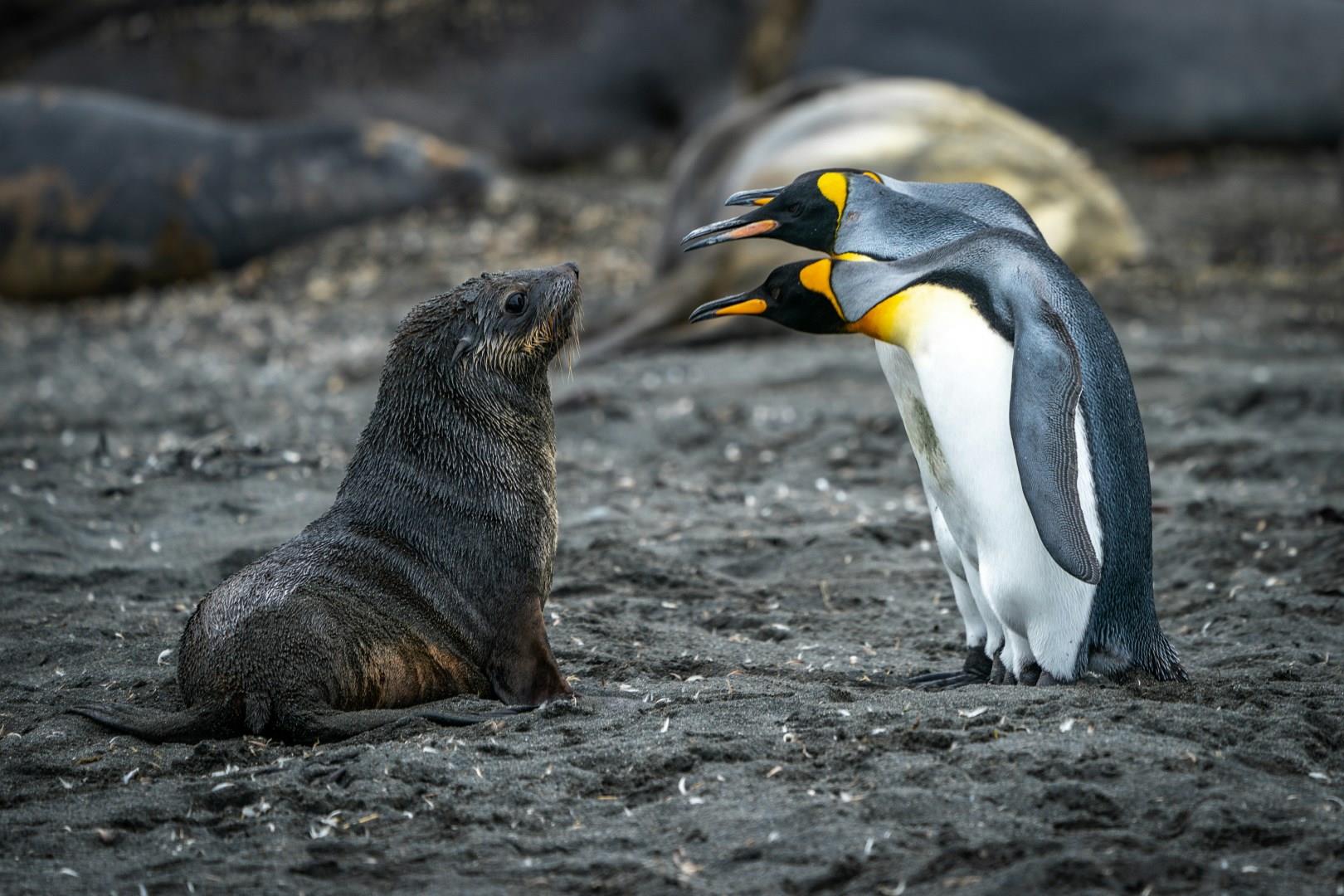
Remote, windswept, and bursting with wildlife, South Georgia is a sub-Antarctic island that surprises nearly everyone who steps ashore. Though uninhabited by civilians, the island hosts a small British research station and welcomes visitors via expedition cruises. What draws people here is not luxury or convenience, but the scale of its wildness.
South Sandwich Islands
The South Sandwich Islands are among the most remote places on Earth, a chain of volcanic peaks rising from the Southern Ocean, over 1,300 kilometers southeast of South Georgia. With no permanent residents, no ports, and no infrastructure, these islands remain untouched by tourism in the conventional sense. What they offer instead is a rare glimpse into one of the planet’s most extreme and least disturbed environments.
Uyuni
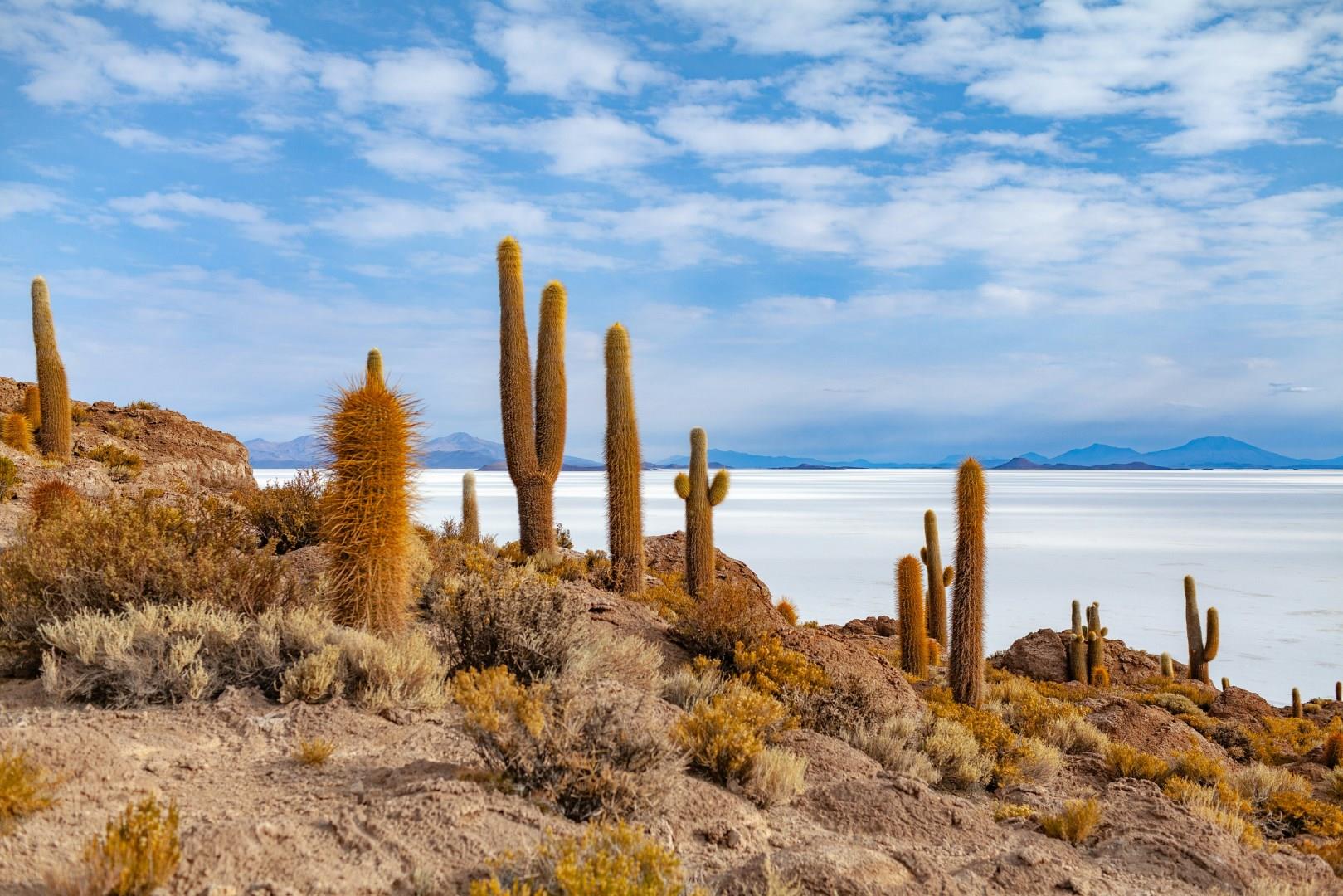
Uyuni, in southwestern Bolivia, is best known as the gateway to the world’s largest salt flat, Salar de Uyuni. Once a humble railway town, Uyuni has grown into a base for travelers drawn to this surreal landscape, where an ancient dried-up lake has left behind a vast expanse of glistening salt crust.


