Inyeug, more commonly known as Mystery Island, is a tiny, uninhabited islet off the coast of Aneityum in Vanuatu’s southernmost province. Measuring just 1.5 kilometers long, the island is completely free of roads, shops, and electricity. What it offers instead is pure seclusion and untouched beauty. Cruise ships often anchor offshore, bringing day visitors to its white-sand beaches and shallow coral lagoons, but once they depart, the island returns to stillness.
Norway offers a landscape shaped by glaciers, framed by fjords, and steeped in Viking history. The country's coastline stretches for over 100,000 kilometers if you count every inlet and island, which makes it one of the longest in the world. Travelers can take a ferry through the Geirangerfjord or cruise along the Lofoten Islands, where steep mountain peaks rise dramatically from the sea. These routes aren’t just scenic; they’ve been lifelines for coastal communities for centuries.
Kagoshima, Japan offers a captivating blend of natural beauty, cultural heritage, and culinary delights. Nestled on the southwestern tip of Kyushu, this city is famously dominated by the imposing Sakurajima volcano, one of Japan’s most active volcanoes. Visitors can take a ferry to get up close to the volcano or view it from the Kagoshima City Viewpoint for breathtaking panoramic views.
Podgorica, the capital of Montenegro, showcases the country’s contrasting landscapes and deep-rooted history. Although much of the city was rebuilt after World War II, traces of its Roman and Ottoman past still remain. Visitors can explore the ruins of Doclea, a Roman settlement just outside the city, where surviving columns and mosaics give a glimpse into life nearly two millennia ago.
Regensburg, Germany’s medieval gem, will transport you to a bygone era. The site of both Celtic and Roman settlements, Regensburg flourished in the Middle Ages.
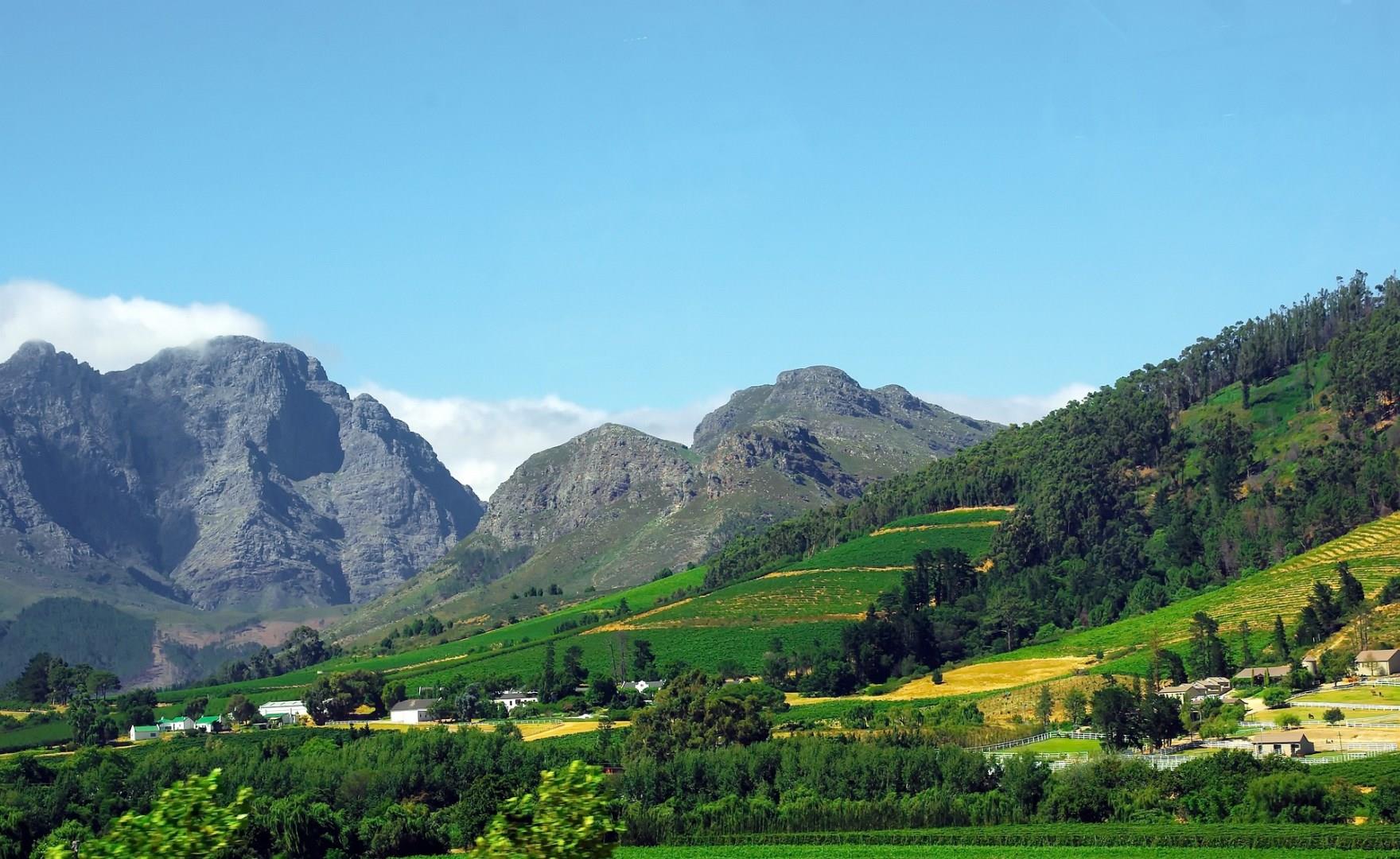
Nestled in the heart of South Africa’s Cape Winelands, Franschhoek is a charming village renowned for its exquisite vineyards and rich history. Founded by French Huguenots in the late 17th century, the village’s French heritage is palpable in its architecture, cuisine, and local culture. Wander through its picturesque streets and enjoy a blend of historic buildings and modern boutiques, or take a leisurely stroll through the Franschhoek Village Market, which features artisanal goods and fresh local produce.
Franschhoek is a premier destination for wine enthusiasts. The region boasts some of South Africa’s most celebrated wine estates, including the historic La Motte and the elegant Boschendal. Tour the estates to sample award-winning wines and explore lush vineyards set against stunning mountain backdrops. For a unique experience, consider a wine tram tour, which allows you to hop on and off at various estates and savor the local vintages while soaking in the beautiful landscape.
The culinary scene in Franschhoek is equally impressive. Renowned for its gourmet restaurants and cafes, the village offers a gastronomic adventure with a focus on locally-sourced ingredients and innovative cuisine. Top dining spots include La Petite Colombe, which features fine dining with a contemporary twist, and the French-inspired Reubens Restaurant. Don’t miss the annual Franschhoek Bastille Festival, a vibrant celebration of French culture with wine, food, and live entertainment.
Fun fact: Franschhoek is also home to the Huguenot Memorial Museum, which provides insights into the lives of the Huguenots and their influence on South African culture. This museum, located in a tranquil garden setting, offers a fascinating look into the village’s origins and is a must-visit for history buffs.