Kapolei, Hawaii
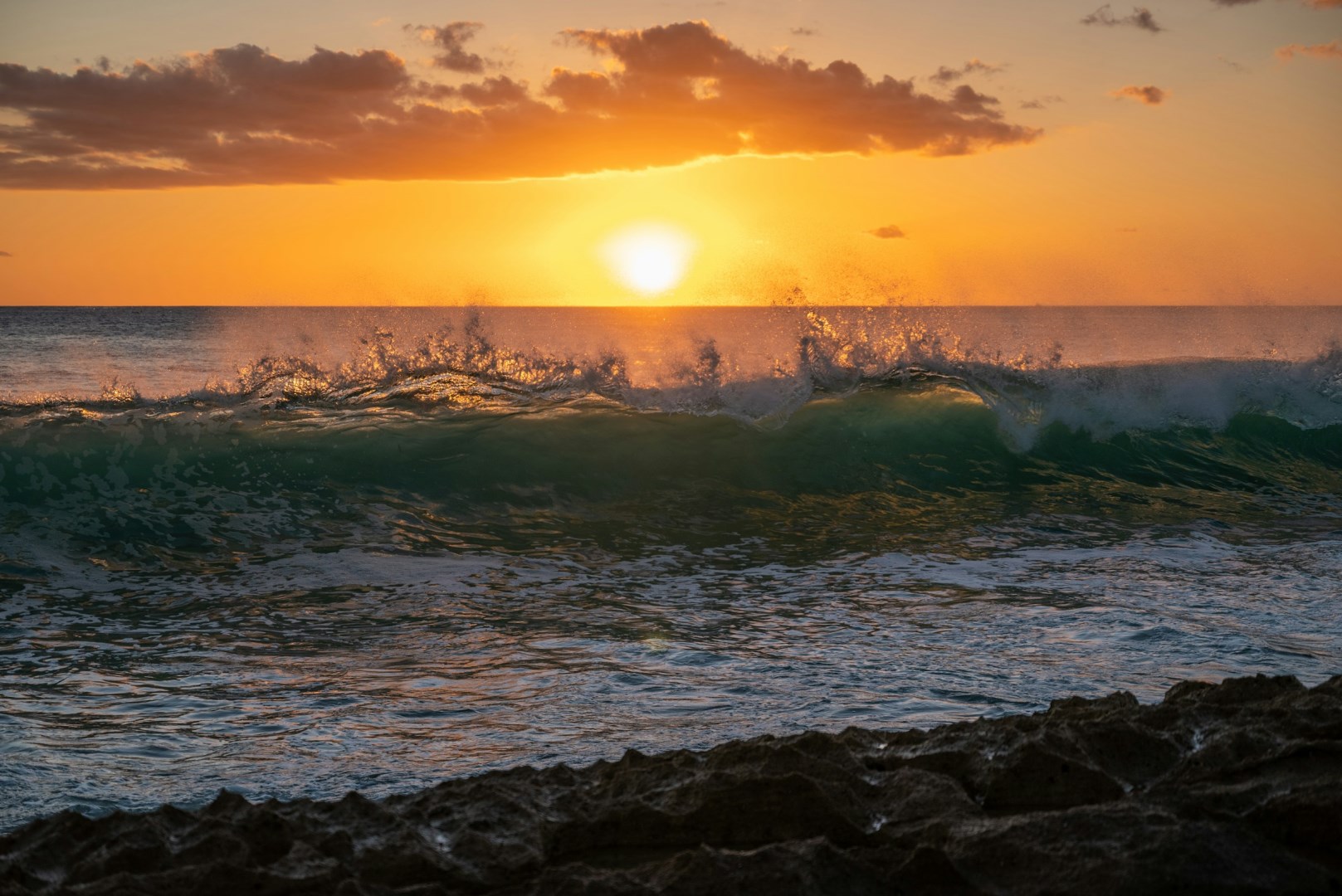
Kapolei, located on the western coast of Oahu, Hawaii, is a rapidly growing city often referred to as Oahu’s “Second City.” Designed as a planned community, Kapolei blends residential, commercial, and recreational areas, offering a more relaxed and family-friendly alternative to Honolulu. Its modern infrastructure, proximity to beaches, and cultural amenities make it an attractive destination for both residents and visitors.
Lilongwe
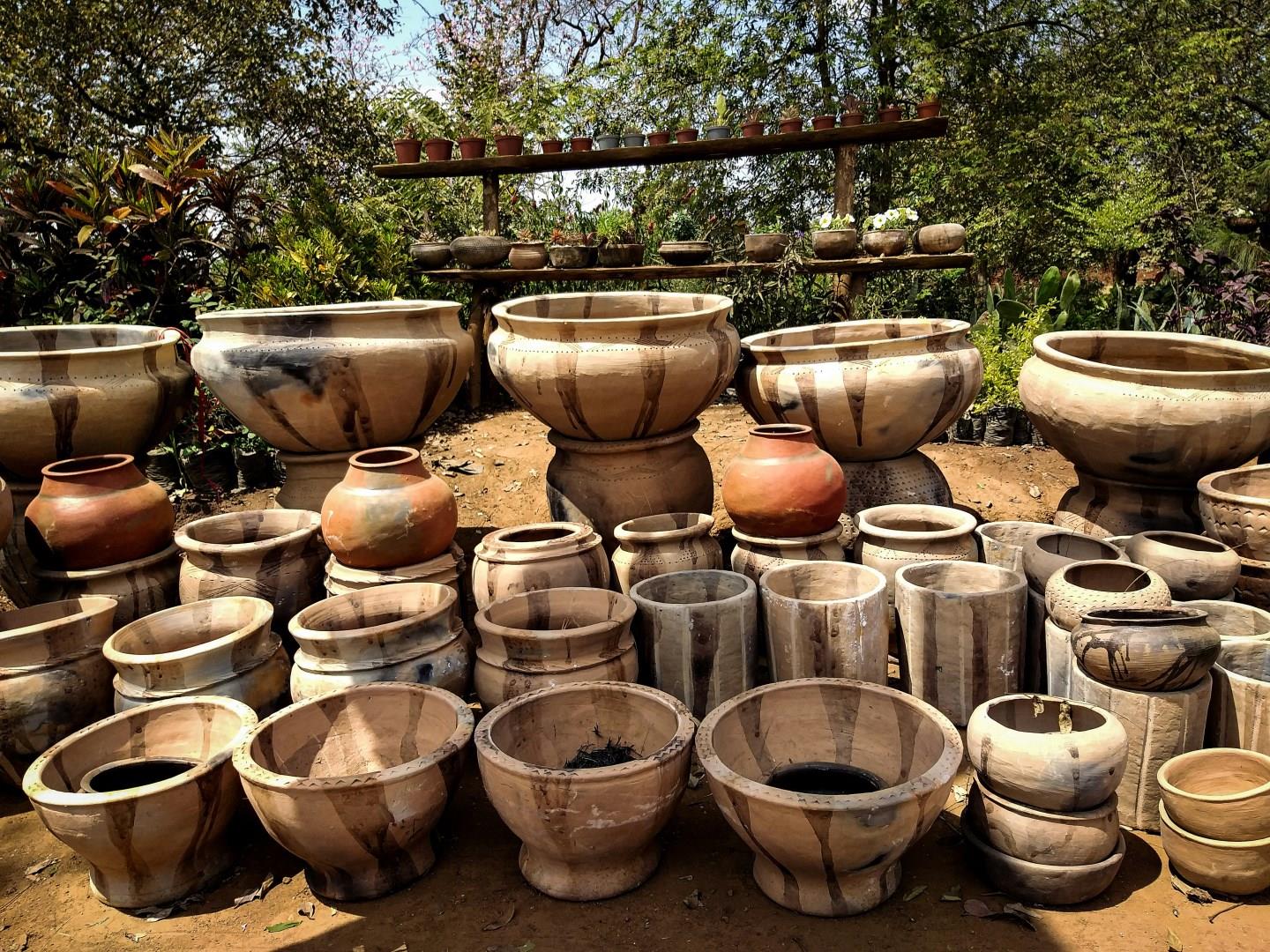
Lilongwe, the capital of Malawi, blends modern development with a laid-back atmosphere, offering visitors an introduction to the country’s culture and daily life. Markets are at the heart of Lilongwe’s character, with the bustling Old Town Market standing out as a must-visit. Here, traders sell everything from fresh produce and local crafts to colorful fabrics and handmade goods.
Valleta
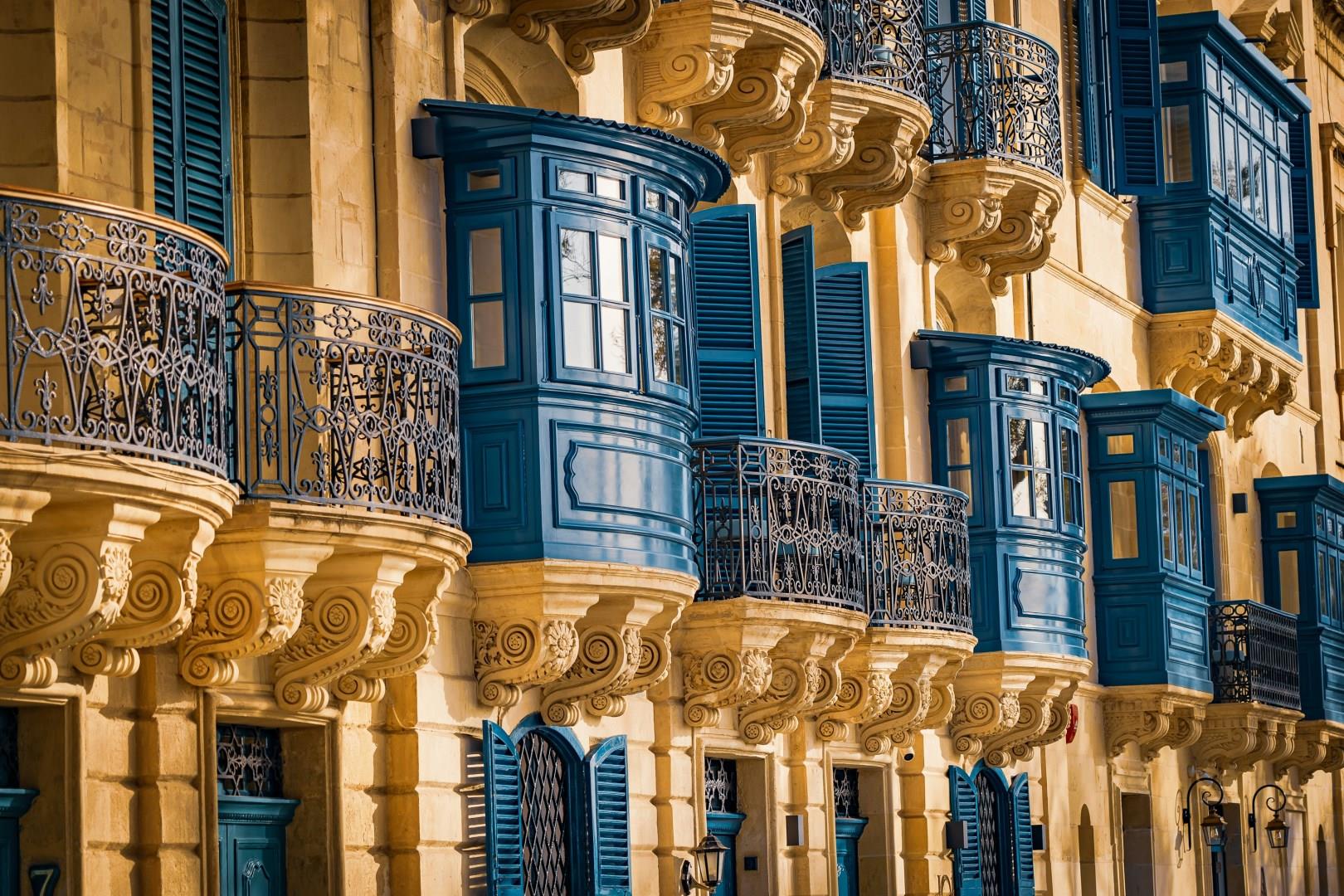
Malta’s ornate and vibrant capital, Valletta, dazzles travelers with its abundance of historical landmarks and striking architecture. This island jewel off the coast of Italy remains a popular destination for Mediterranean cruises. From central St. George’s Square, to sixteenth-century Casa Rocca Piccola, to the Siege Bell War Memorial, Valletta has no shortage of monuments detailing the city’s long history.
Weno
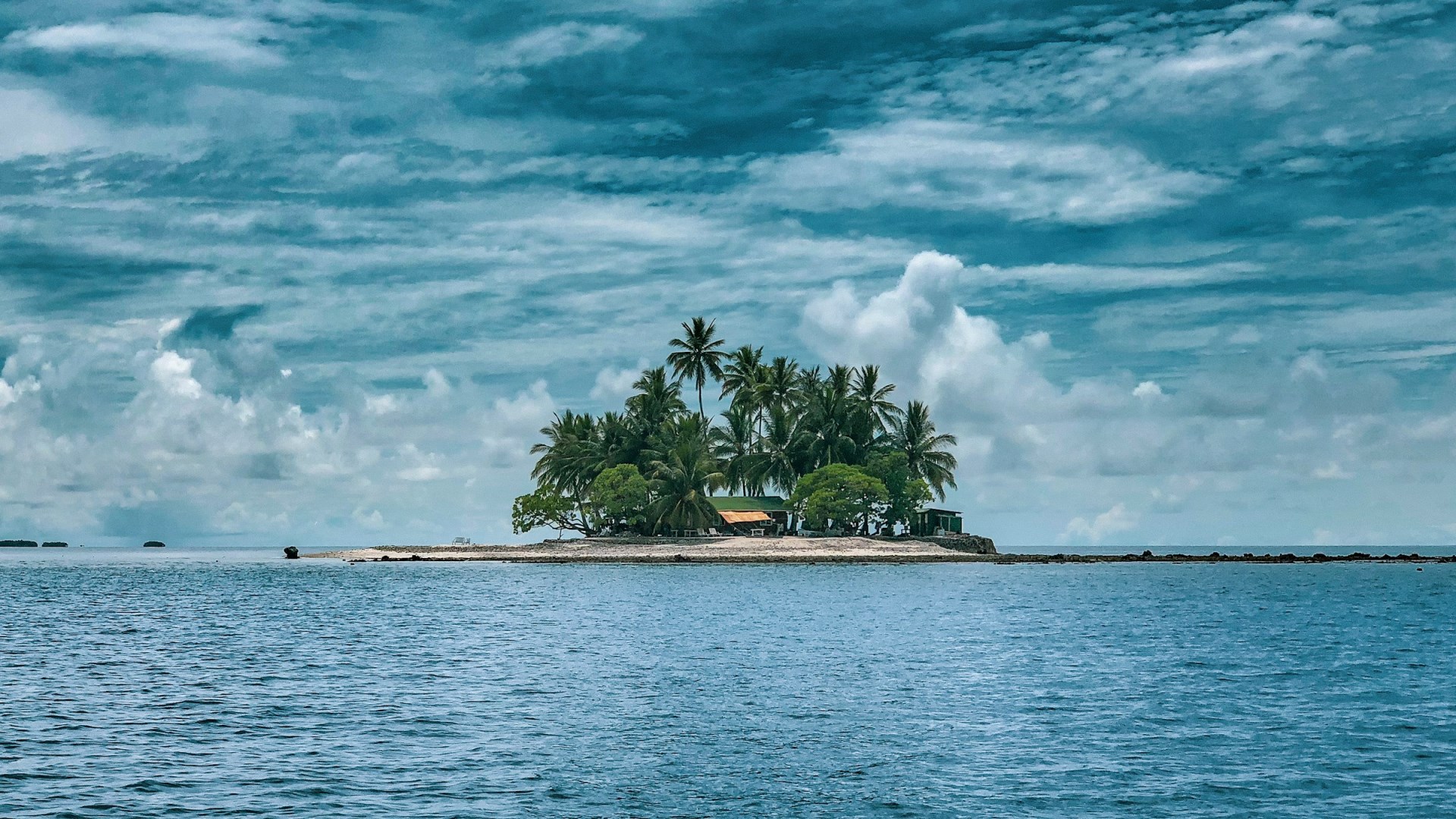
Weno is the largest island and administrative center of Chuuk State in the Federated States of Micronesia. It lies within the sheltered Chuuk Lagoon, a vast body of water enclosed by a surrounding reef and scattered with many smaller islands. Weno contains the state capital and serves as the main center for government, commerce, transportation, and services in the Chuuk Islands.
Ankara
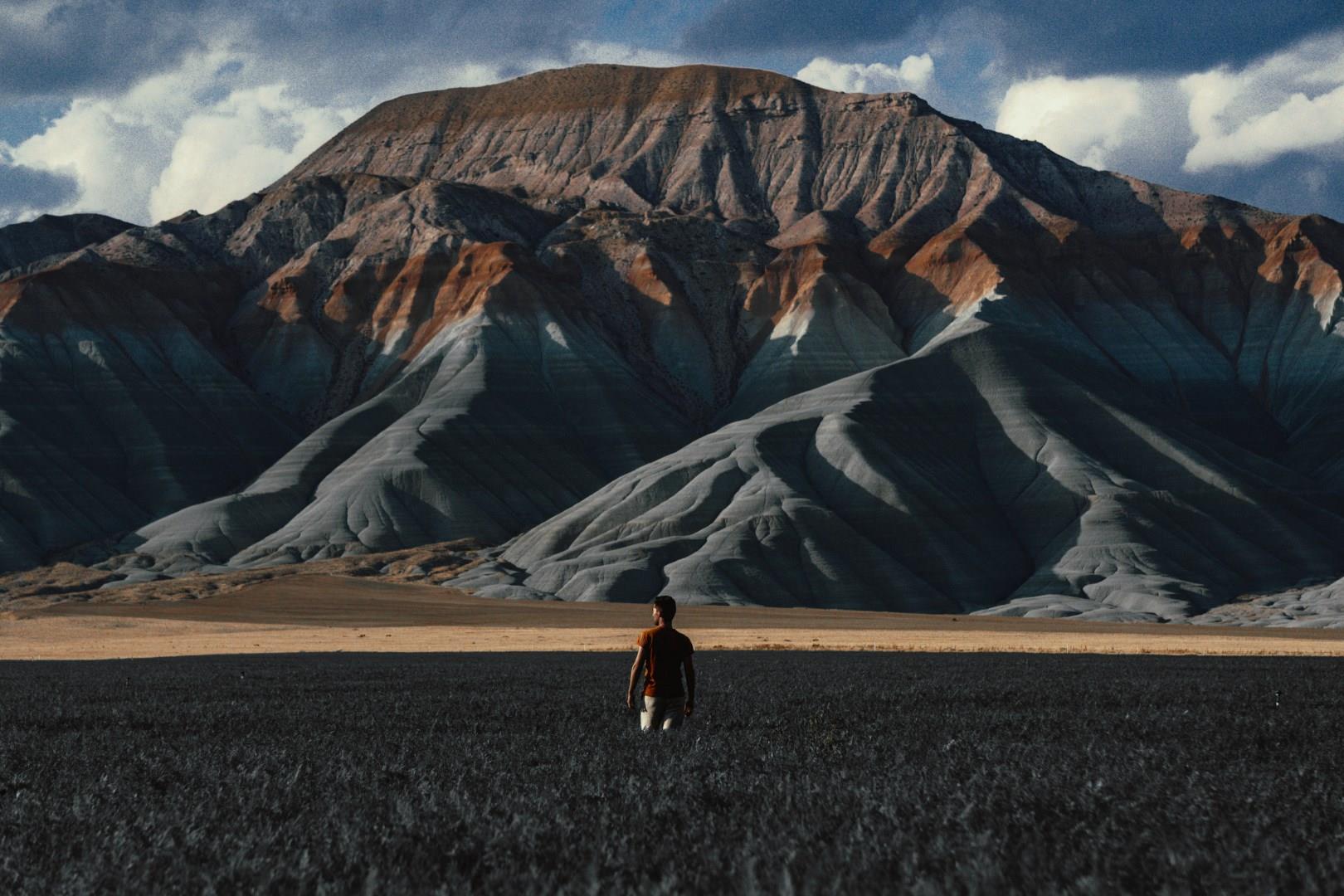
Ankara, the capital of Turkey, sits on the Anatolian plateau and reflects the country’s layered history more quietly than Istanbul, yet with equal depth. Once an important settlement for the Hittites, Phrygians, Romans, and Byzantines, Ankara rose to national prominence in the 20th century when Mustafa Kemal Atatürk chose it as the heart of the modern Turkish Republic. Today, it functions as Turkey’s political center while preserving traces of its ancient and Ottoman past.