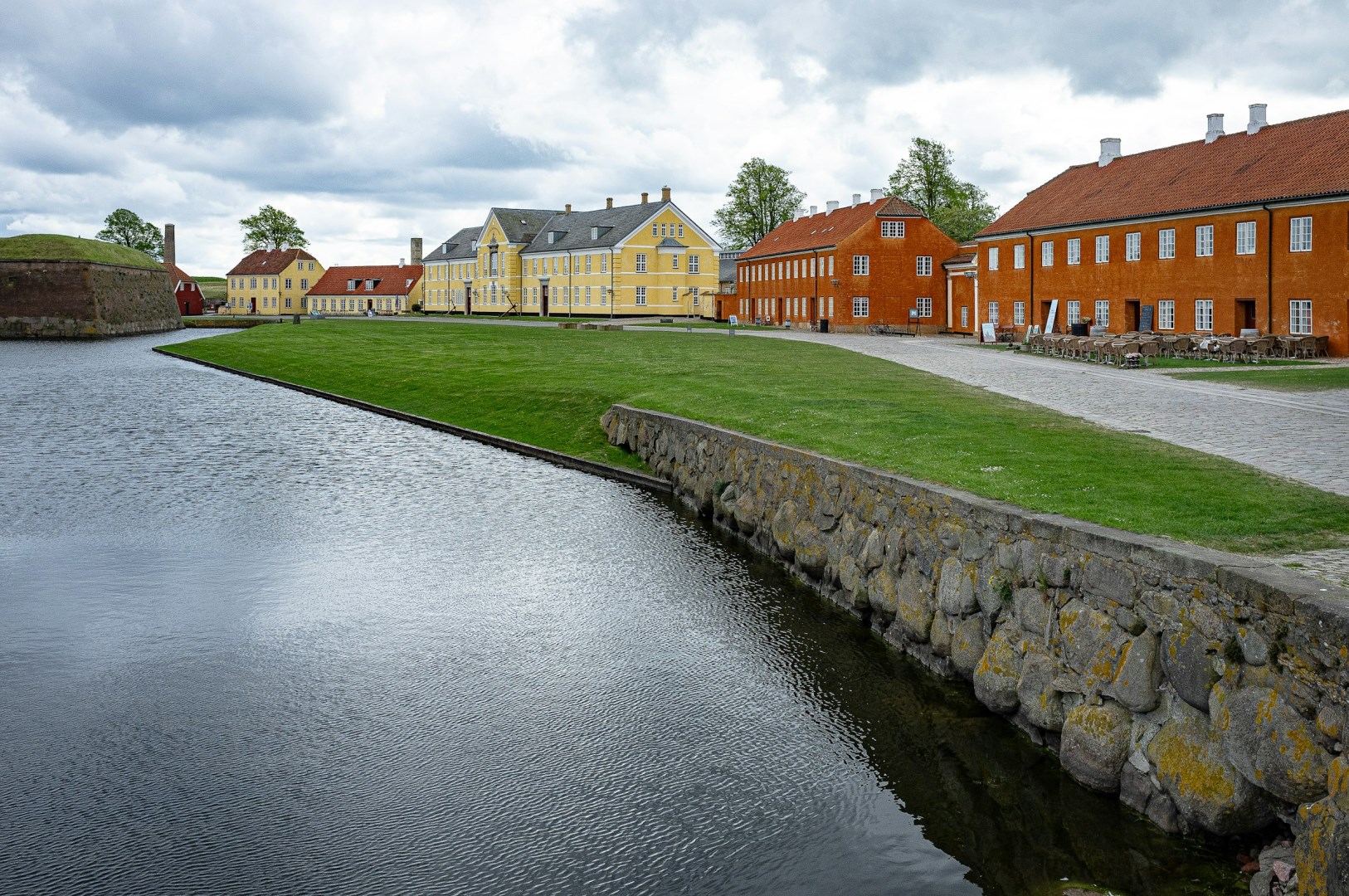
Helsingør is a historic port town on Denmark’s northeastern Zealand coast, facing the narrow Øresund strait toward Sweden. Its waterfront setting has long shaped the town, with ferries, maritime traffic, and views across the water forming part of everyday life. The compact center contains narrow streets, colorful historic buildings, and squares surrounding the town’s main landmarks.
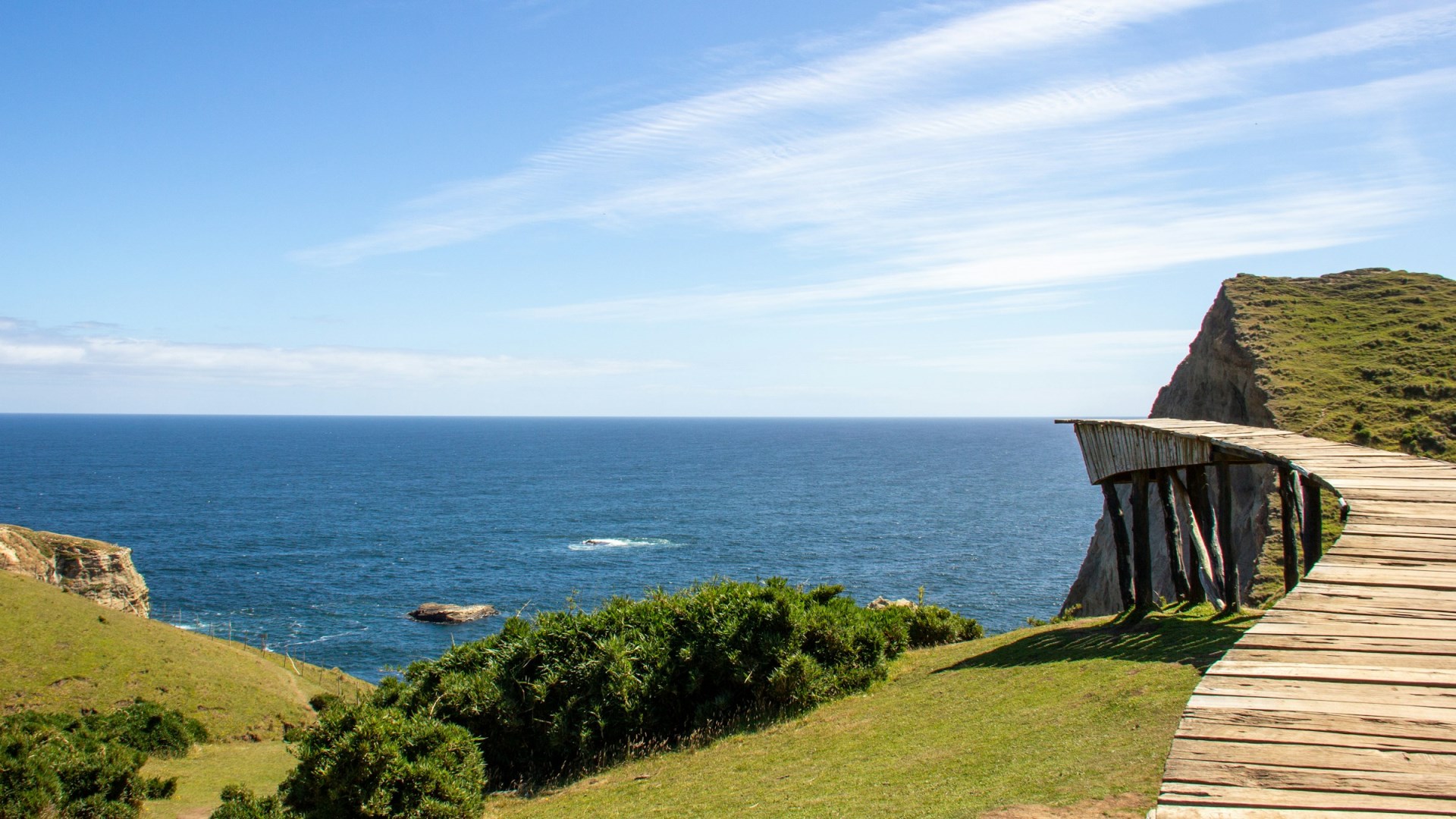
Chiloé Island is the largest island in the Chiloé Archipelago in southern Chile, separated from the mainland by the Chacao Channel and surrounded by the Gulf of Corcovado and the Pacific Ocean. Its landscape is shaped by wooded hills, farmland, wetlands, beaches, and a network of channels and smaller islands. Rural communities are scattered across the island, while towns such as Castro, Ancud, and Chonchi provide commercial and cultural centers.
Nestled in the heart of Italy, Umbria is often called the "Green Heart of Italy" due to its lush landscapes and rolling hills. This region offers visitors a tranquil escape from the bustling cities, with medieval hilltop towns, rich history, and exceptional cuisine. Perugia, Umbria's capital, is a cultural hub known for its well-preserved Etruscan history, including the Etruscan Well and Arco Etrusco, a gateway dating back to the third century BC.
Šiauliai, often referred to as the "City of the Sun" due to its high number of sunny days, is a vibrant gem in northern Lithuania. The city's most iconic landmark is the Hill of Crosses, a profound site of pilgrimage adorned with thousands of crosses placed by visitors over the decades. This unique and moving monument, which has been recognized by UNESCO for its cultural significance, symbolizes the resilience and spirit of the Lithuanian people.
Uruguay may be one of South America's smallest countries, but it packs a striking variety of experiences into its compact borders. From the cobbled streets of Colonia del Sacramento to the avant-garde coastline of José Ignacio, Uruguay blends old-world charm with modern personality. Montevideo, the capital, offers a glimpse into everyday life with its seaside promenade, called the “Rambla,” which stretches over 20 kilometers along the Río de la Plata.
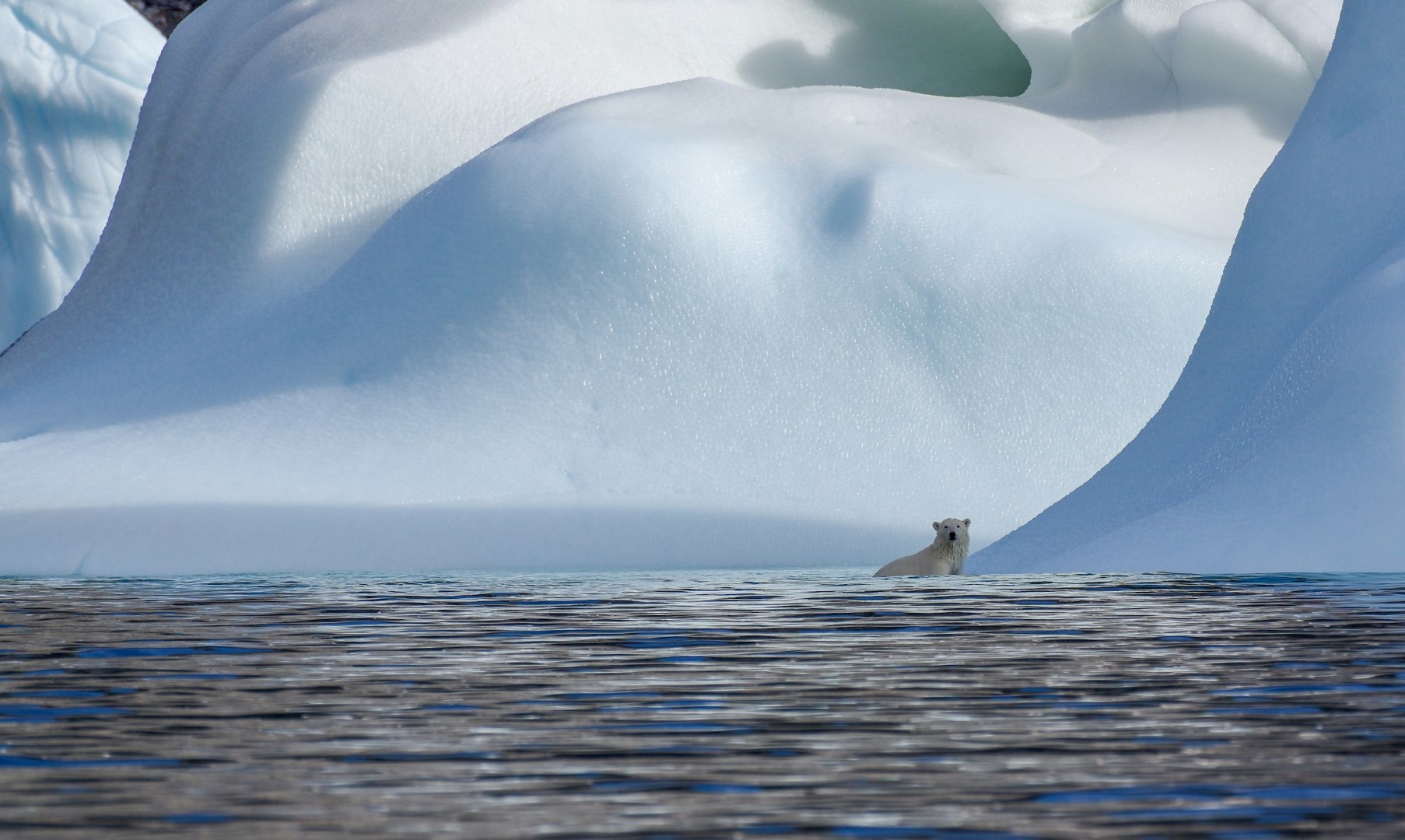
The Arctic Ocean, the world's smallest and shallowest ocean, offers a breathtaking and unique adventure for those seeking the grandeur of the polar regions. This icy expanse, bordered by Europe, Asia, and North America, is renowned for its stunning natural beauty and pristine landscapes. Travelers can explore the Svalbard Archipelago, a group of islands located between mainland Norway and the North Pole, where you can experience the northern lights and encounter polar bears in their natural habitat.
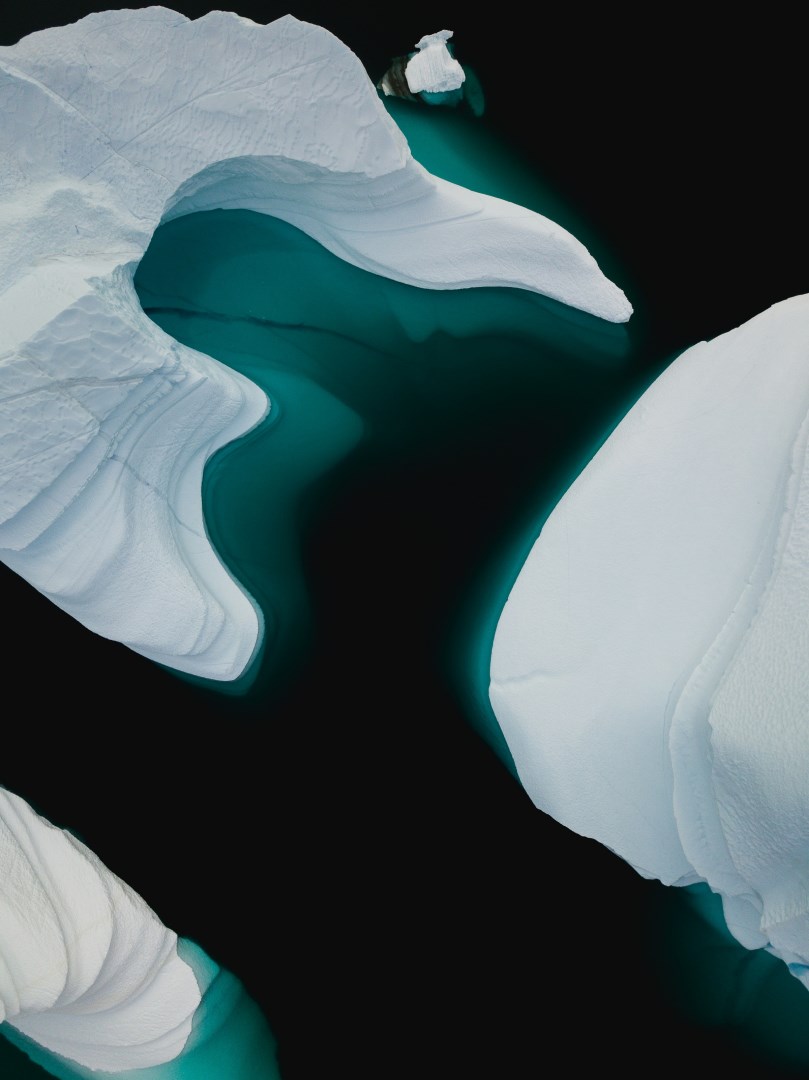
A journey through the Arctic Ocean promises a variety of extraordinary experiences, including exploring Greenland’s Ice Sheet, the second-largest ice body in the world. Adventure seekers can embark on ice hiking or glacier tours, marveling at the dramatic ice formations and the vivid colors of the icebergs. In addition, the Arctic waters are home to a diverse range of marine life, including seals, whales, and numerous seabirds, making it a haven for wildlife enthusiasts.
The Arctic Ocean is also dotted with fascinating scientific research stations and historical sites. The North Pole itself is a destination of legend and adventure, often visited by daring explorers and researchers. The region's history is rich with tales of exploration and survival, as seen in the expeditions of figures like Roald Amundsen and Robert Peary, whose journeys are commemorated in various Arctic museums and exhibits.
Fun Fact: Despite its icy reputation, the Arctic Ocean is a vital part of global climate regulation. Its ice cover reflects sunlight, helping to keep the planet cool. As climate change affects this delicate balance, visiting the Arctic Ocean provides a unique opportunity to witness firsthand the impacts of environmental changes on one of Earth’s most remote regions.
Other Popular Destinations in At Sea
Adriatic Sea
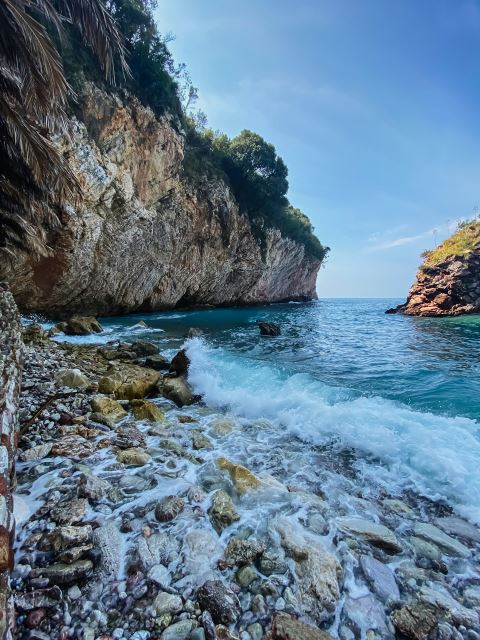
The Adriatic Sea, a stunning crescent-shaped expanse of turquoise water between the Italian Peninsula and the Balkan Peninsula, offers a captivating destination for travelers seeking both natural beauty and rich history. Stretching from the Gulf of Trieste in the north to the Gulf of Kotor in the south, this Mediterranean gem is renowned for its crystal-clear waters, charming coastal towns, and diverse marine life. The pristine beaches of Croatia's Dalmatian Coast and Montenegro's Bay of Kotor p
Bay of Kotor
Enclosed by mountains, the Bay of Kotor is dotted with historic towns, medieval fortifications, and centuries-old churches, making it a must-visit location for travelers looking to explore a unique coastal landscape.